
Why do phone batteries degrade even if you barely use them?
Key takeaways
- Lithium-ion batteries suffer calendar aging: internal chemistry keeps changing even when the phone sits unused in a drawer.
- A protective film called the SEI layer slowly grows on the anode and traps lithium, permanently cutting capacity.
- Heat and storing at 100% charge speed up idle aging; cool storage around 40-50% charge slows it down.
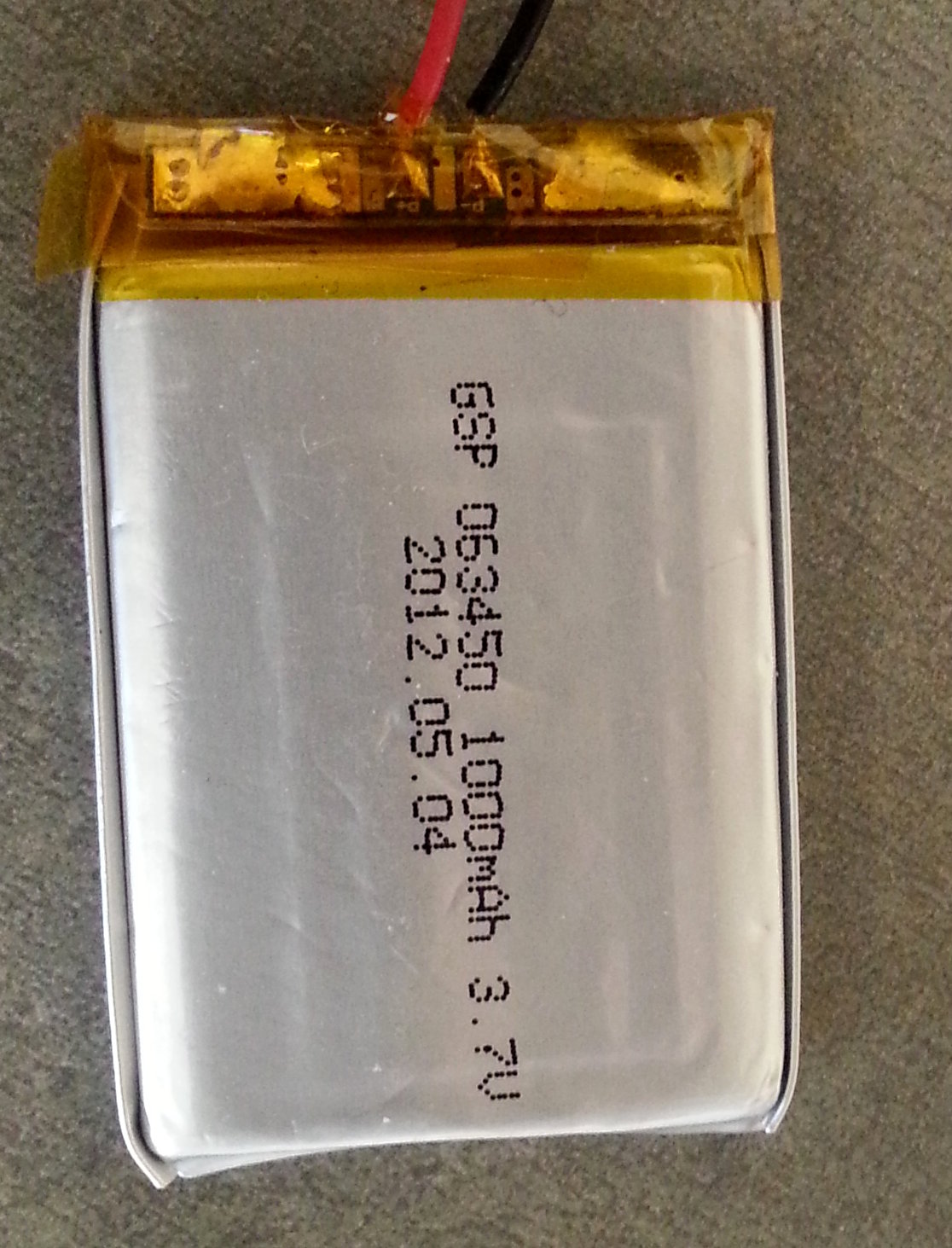
It feels unfair. You buy a backup phone, barely touch it, and two years later its battery dies by lunchtime. Nothing was used, nothing was charged hundreds of times, yet the capacity is gone.
The explanation is that a lithium-ion battery is not a sealed tank of energy. It is a small chemical reactor, and the chemistry never fully stops, even when the phone is off.
This article explains what calendar aging is, how it differs from cycle aging, the role of the SEI layer, what accelerates idle degradation, and what you can actually do to slow it down.
Calendar aging vs cycle aging
Battery wear comes in two flavors. Cycle aging is the familiar one: every charge and discharge physically stresses the cell. Calendar aging is the quieter one: degradation that happens simply because time passes, whether the battery is used or not.
When a phone is turned off, the normal flow of lithium ions between the anode and cathode stops. But the electrodes and the electrolyte stay in contact, and slow parasitic reactions continue. These are chemical transformations that produce no useful energy but gradually modify the cell's materials.
They are much slower than charge-discharge reactions, but they get months and years to accumulate.
This is different from self-discharge, the spontaneous loss of stored charge during non-use. Self-discharge is reversible: recharge the phone and the charge comes back. Calendar aging causes irreversible capacity loss and rising internal resistance.
No amount of recharging brings that back.
Engineers consider both when they quote battery life. A phone battery that survives 300 to 500 full charge cycles before dropping below 80% of its original capacity is also aging on the calendar the whole time. Two identical phones made the same day, one used daily and one left in a drawer, will both be chemically older after two years.
The used one is older still, but the drawer phone is not factory-fresh.
The SEI layer: the main culprit
The central character in calendar aging has an awkward name: the solid electrolyte interphase, or SEI layer. It is a microscopically thin film that forms on the anode's surface from the breakdown of electrolyte components.
The SEI is not a defect. Its formation is essential, because it creates a barrier between the anode and the electrolyte that limits further reactions while still letting lithium ions pass through. The problem is that the film does not stay put.
Even when the battery sits idle, the SEI layer keeps slowly growing. Growing it consumes electrolyte molecules and traps lithium in compounds that can no longer shuttle between the electrodes. Battery scientists call this loss of lithium inventory.
Picture the battery's usable lithium as a set of balls that must keep bouncing between two electrodes. Calendar aging quietly removes balls from the game. Fewer remain available, so the battery stores less energy than when it was new.
The thickening layer also makes it harder for the remaining ions to pass, which shows up as higher internal resistance: the phone dies faster under load or shuts off at moderate charge levels.
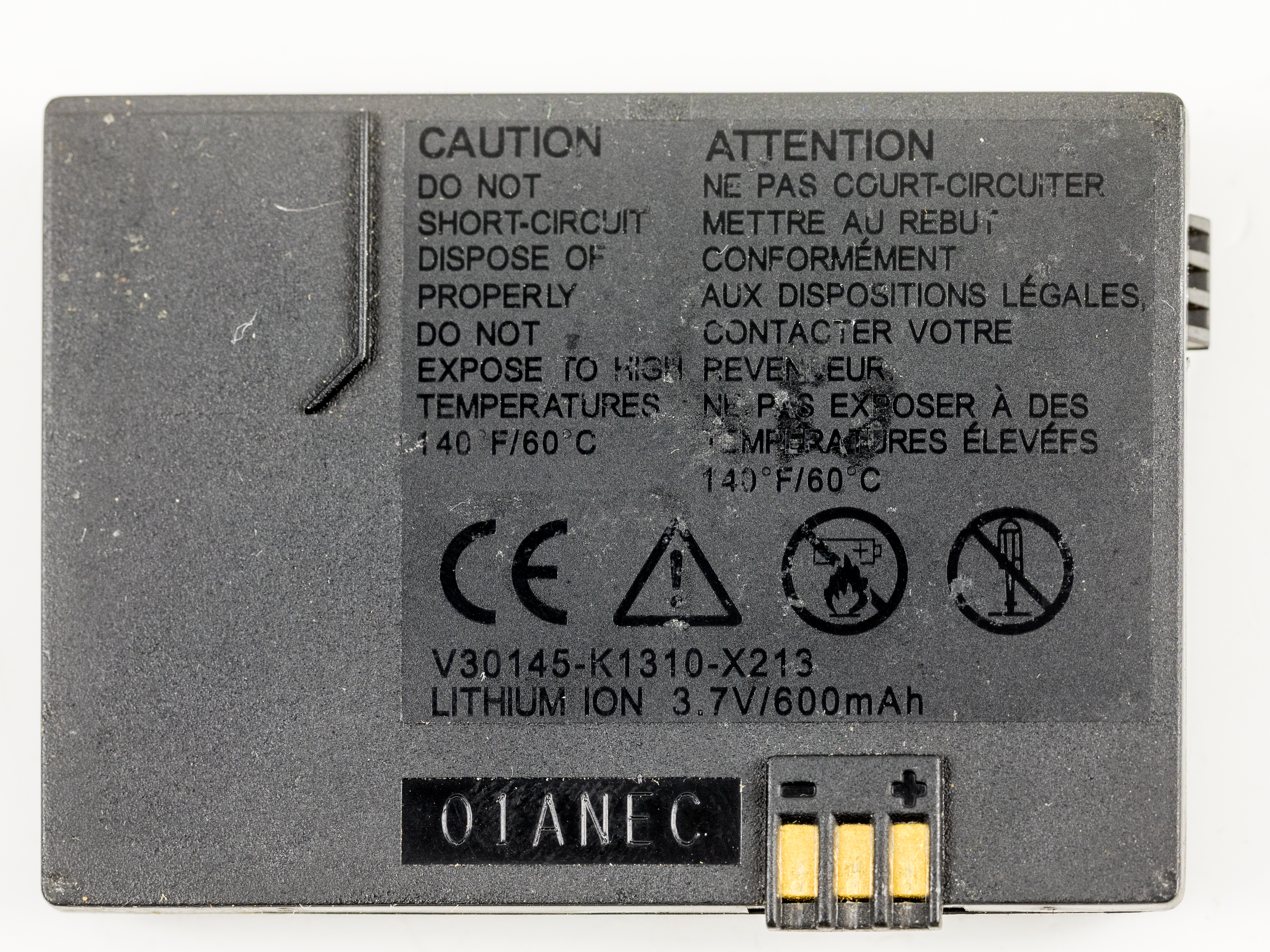
The SEI is not the only actor. The electrolyte can also oxidize at the cathode, and electrode materials themselves change over time. Aging is always a combination of several processes, and their relative importance depends on the cell's chemistry, design, and storage conditions.
Batteries also "breathe"
In 2025, a research team from the University of Texas at Austin, Northeastern University, Stanford University, and Argonne National Laboratory added a new piece to the picture. Published in the journal Science, their work showed that batteries physically expand and contract every time they charge and discharge, like lungs filling and emptying. Each tiny breath leaves behind a small, irreversible change.
The team used transmission X-ray microscopy and 3D X-ray laminography to watch individual electrode particles in real time. They found that hundreds of thousands of microscopic particles inside an electrode respond unevenly to charging stress. Some shift rapidly while others barely move, and the uneven behavior creates what they call strain cascades: stress builds in certain regions and spreads, eventually causing cracks and warping.
Lead researcher Yijin Liu described every breath as leaving behind a small permanent mark.
Interestingly, the team first noticed the behavior while studying the tiny batteries inside commercial wireless earbuds. The same processes apply to phone batteries and even electric vehicle cells. The finding points toward future designs with reworked electrode structures or controlled pressure to reduce the damage.
What accelerates idle aging
Calendar aging always proceeds, but not always at the same pace. Two factors dominate: temperature and state of charge.
Heat is the biggest accelerator. High temperatures speed up nearly every transformation inside the cell, including the unwanted ones: SEI growth, electrolyte decomposition, and other degradation reactions. A common rule of thumb is that the self-discharge rate roughly doubles with every 10 degrees Celsius of added heat.
A phone forgotten in a hot car ages far faster than one in a cool drawer.
State of charge matters too. At high charge levels, the electrodes sit at voltages that favor side reactions. At the anode, the SEI can grow faster; at the cathode, electrolyte oxidation intensifies.
The effect is worst when high charge and heat combine, which is exactly what happens when a phone charges to 100% overnight on a warm nightstand. Keeping the battery between roughly 20% and 80% reduces this stress, which is why many phones now offer an 80% charge limit option.
Fast charging adds another wrinkle. Higher currents mean more heat, and heat is the enemy. Occasional fast charging is fine on modern phones with thermal management, but using it constantly, especially in a warm environment, shortens the battery's useful life.
How to slow it down
You cannot stop calendar aging. You can slow it meaningfully.
First, mind the heat. Do not leave phones in hot cars, in direct sun, or on radiators. Remove thick cases while charging so heat can escape.
Second, avoid parking the battery at 100% for long stretches. If your phone offers a charge limit, use it. If you are storing a phone you rarely use, leave it at around 40 to 50% charge in a cool place, and top it back to that band every few months.
Third, avoid deep discharges. Letting a lithium-ion cell sit at zero is stressful and can cause cell reversal damage. Fourth, use manufacturer-approved chargers and cables for stable voltage delivery.
Keep the phone's software current too, since updates often refine power management and thermal behavior. And finally, accept the calendar: a "new" battery that has sat in a warehouse for two years is not the same as a fresh one. When daily runtime collapses or the phone dies at 30%, a professional battery replacement restores the original experience without replacing the phone.
Frequently asked questions
Does turning off my phone overnight save the battery?
Barely. Modern phones sip negligible power in standby, so powering down does little for lifespan. What matters far more is avoiding heat and avoiding a permanent 100% charge.
Should I drain the battery to zero before recharging?
No. That advice belongs to old nickel-based batteries. Deep discharges harm lithium-ion cells.
Shallow cycles in the middle of the range are much kinder.
Does wireless charging damage the battery?
Wireless charging generates slightly more heat than wired charging, which can affect longevity. With a reputable charger and sensible habits, the difference is small.
How long does a phone battery last in storage?
It depends on temperature and charge level, but measurable capacity loss happens within a year or two even with zero use. Cool storage at about 40% charge is the standard recommendation for minimizing idle aging.
The bottom line
Your phone's battery ages on two clocks at once: cycles when you use it, and calendar time always. Parasitic chemistry and a slowly growing SEI layer eat capacity even in a drawer, and heat plus a full charge make it worse. You cannot freeze time, but you can store cool, charge to the middle of the range, and replace the battery when the calendar finally wins.
Topics: batteries, lithium-ion, smartphones, battery health
By Rive News, Research desk | Rive News. Rive News covers consumer technology with reporting grounded in primary sources and independent research.
Latest in Tech
- How Find My locates a phone with no internet
- What is a VPN kill switch and why does it matter
- Why app updates keep getting bigger
- eSIM vs physical SIM security compared
Get one practical tech explainer in your inbox every morning. Subscribe to the Rive News newsletter.
Related stories

Apple plans two October launches: smart home hub, OLED MacBook Pro
Apple set October 13 for a smart home launch with a new hub, Apple TV 4K and HomePod mini, then October 27 for OLED MacBook Pro models

How to Check If Your Phone Supports eSIM in 30 Seconds
Dial *#06# and look for an EID number to confirm eSIM support in under 30 seconds. This guide also walks through the iPhone and Android

eSIM vs iSIM: what is the difference?
An eSIM is a dedicated chip on the phone's board, while an iSIM lives inside the processor itself. Qualcomm's Snapdragon 8 Gen