
Cyberattacks hit Russian and Ukrainian emergency apps: fake nuclear alerts sent
Web StoryWatch this story in 15 seconds →Key takeaways
- Hackers broke into emergency alert apps in both Ukraine and Russia late on Sunday, November 1. The apps sent fake warnings about nuclear and chemical attacks that never happened.
- Ukraine's air force told people there is no radiation danger. Russia said its sirens and other warning systems still work normally.
- A six-day ceasefire in the Kherson region ended on Sunday. The hacks came right after it. Nobody has confirmed who did it or if the two attacks are linked.
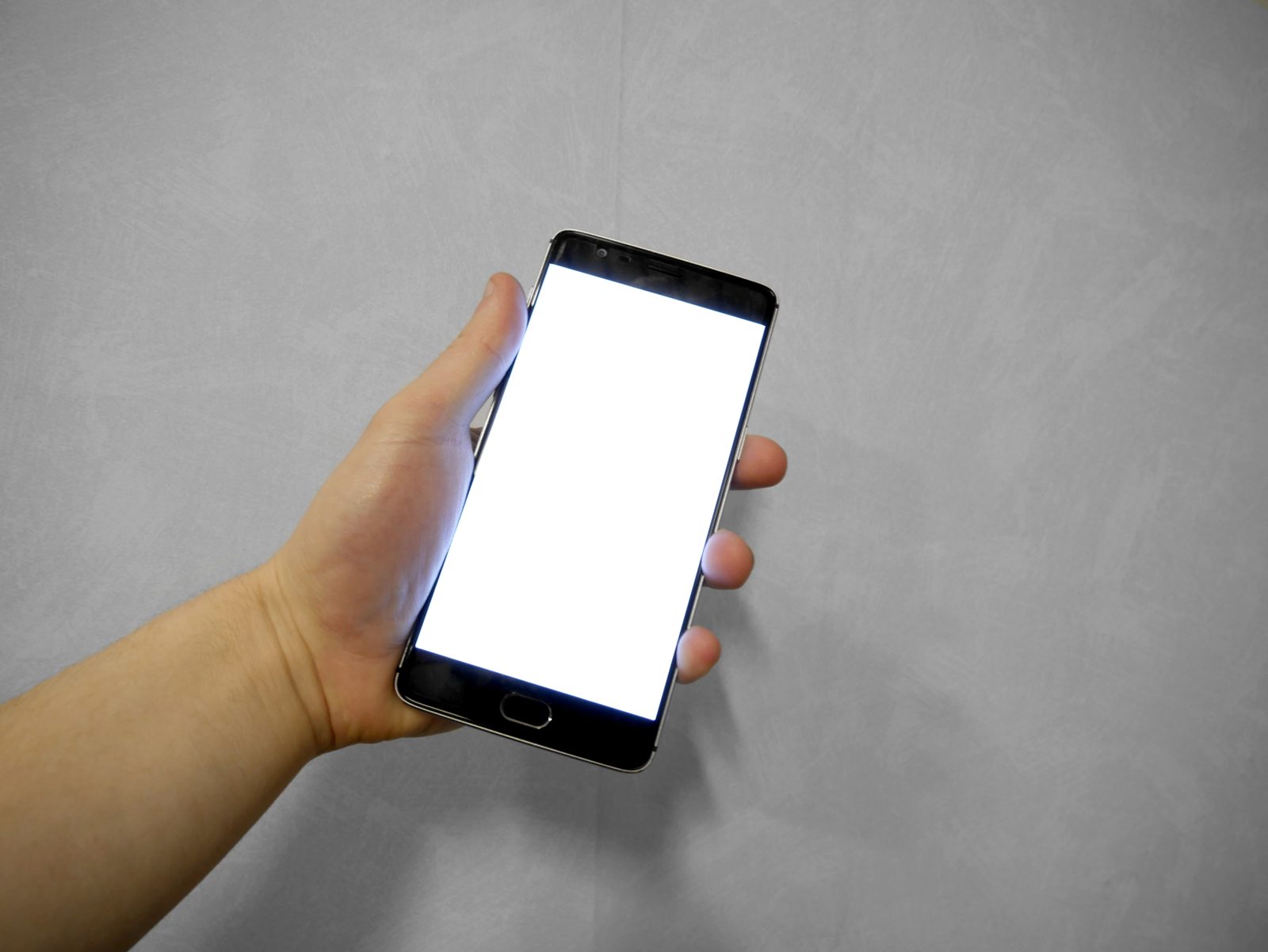
Hackers took over emergency alert apps in Ukraine and Russia on Sunday night. They pushed fake warnings of nuclear strikes, chemical attacks, and street fighting.
No real attacks happened. Officials in both countries called the messages false within hours. Here is the full story.
What happened
Ukraine was hit first. Late on Sunday night, users of Ukraine's Air Raid Alert app saw alarming messages. The app is used across the country to warn of incoming drone and missile attacks.
It had just been updated to show drone movement in real time, according to CNN. The first fake message arrived at about 11 PM on Sunday.
It read: "Radiation threat declared in Kyiv."
More followed. One said a nuclear alert would spread across Ukraine and mentioned Russia's hypersonic Oreshnik missile. Another warned of a chemical attack in Kyiv and told people not to go outside.
A third claimed street fighting was coming. The messages mixed Russian and Ukrainian words.
They had spelling errors, and some included swear words. That made many users suspicious.
Ukraine's air force responded on Telegram. Its message said the air alert app had been hit by enemy influence.
It also said: "There is no radiation threat. Stay calm and follow our updates on our channel."
Air force spokesman Yuriy Ignat later confirmed the app had been hacked. Several news outlets reported his statement. The country's Center for Countering Disinformation warned people not to click links in suspicious notifications.
It urged users to follow official social media channels instead. Air raid sirens were not affected by the hack.
Then Russia was hit. Early on Monday morning, Russia's Emergencies Ministry said its own app had been attacked. TASS quoted the ministry on the event.
It called the incident a "massive cyberattack." The attack spread false information to the public.
Fake alerts appeared in the Moscow region and other areas. One message claimed nuclear warheads had been launched across all regions of Russia.
It named "P1-Sun delivery systems" and ended with an expletive. The ministry did not say who carried it out.
Both hacks landed within hours of each other. CNN reported that it is not clear whether they are linked.
Ukraine's SPRAVDI is the Centre for Strategic Communications. It blamed Russia for the attack on the Ukrainian app.
Why it matters
These apps are not just news feeds. Ukrainians rely on the Air Raid Alert app for shelter warnings during daily strikes. Russia's Emercom app warns users of incoming drone attacks and other emergencies.
A hacked alert app can spread fear faster than almost any other tool. That is what makes this attack different from a hacked website.
The fake messages were clumsy. Many people spotted the errors right away.
One Kyiv resident posted: "Good thing our mayor is a boxer."
Others made joke lists of fake threats. One post warned of a "cat invasion" and a "pancake emergency." But some users were shaken.
One Russian user said they had deleted the Emercom app. Others questioned whether they could ever trust it again. Trust in warning systems is easy to lose and hard to rebuild.
This attack is a warning for all of us. Cybersecurity is now part of daily life, not just something for big companies. A cyberattack on an alert system can also hide a real attack.
If people stop believing warnings, they may ignore a real one. Officials in Ukraine pointed users to sirens and official channels while the app was down.
Russia stressed that its sirens, SMS alerts, and loudspeakers kept working. The old backup systems mattered most on this night.
What happens next
Both apps are being repaired. Ukraine's app was restored overnight, according to the Economic Times. Stepan Tanasiychuk leads the Air Raid Alert project.
He said on Monday it was gradually coming back. He said new yellow and red alert levels are now visible on its map. On Instagram he wrote that his team is taking extra steps to secure the app.

Russia's ministry said efforts to fix its app are underway. It reassured people that the wider alert network works fine.
Kremlin spokesman Dmitry Peskov spoke on Monday. He said all government digital resources face constant cyber threats.
Investigations will continue. One loose thread remains. A fake post named a hacking group called Hitcore.
The Russian Telegram channel Mash said it spoke to the group. It said Hitcore claimed responsibility for the attack. That claim could not be independently verified, according to the Economic Times.
So far no official side has named an attacker.
The timing is worth watching. A six-day ceasefire in the Kherson region ended on Sunday. The hacks came right after it.
Al Jazeera called it the longest truce of the war so far.
Nobody has said the timing is connected. But both sides are now on alert for more cyberattacks.
If you live in a conflict zone, this story is a reminder. Never rely on one alert source. Check official sirens, broadcast media, and more than one channel.
Learn how hacked accounts leak your data. Also check what permissions your apps ask for. Apps can be hacked.
The people who run these systems say security is being tightened. The next attack may be better written. Stay calm, stay alert, and verify before you share.
Related stories

Apple plans two October launches: smart home hub, OLED MacBook Pro
Apple set October 13 for a smart home launch with a new hub, Apple TV 4K and HomePod mini, then October 27 for OLED MacBook Pro models
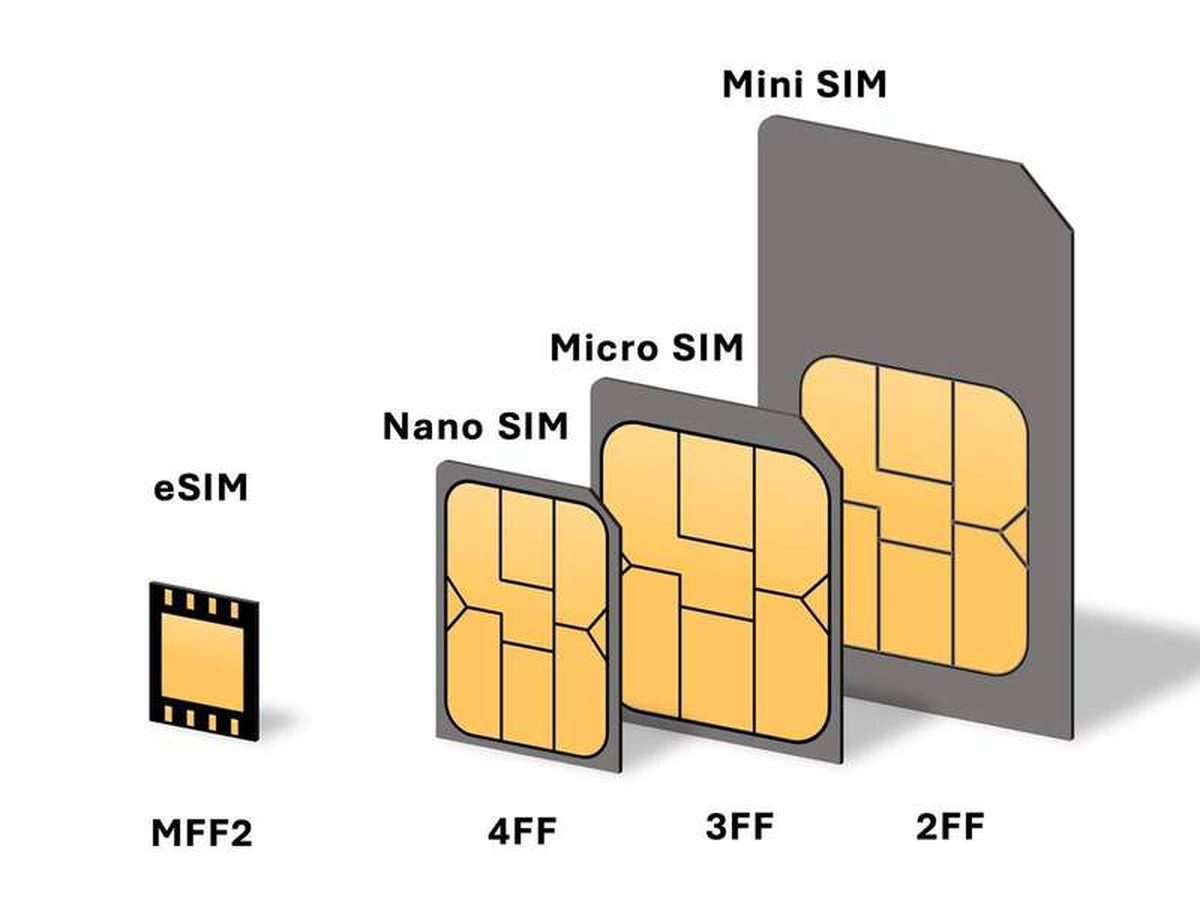
How to Check If Your Phone Supports eSIM in 30 Seconds
Dial *#06# and look for an EID number to confirm eSIM support in under 30 seconds. This guide also walks through the iPhone and Android
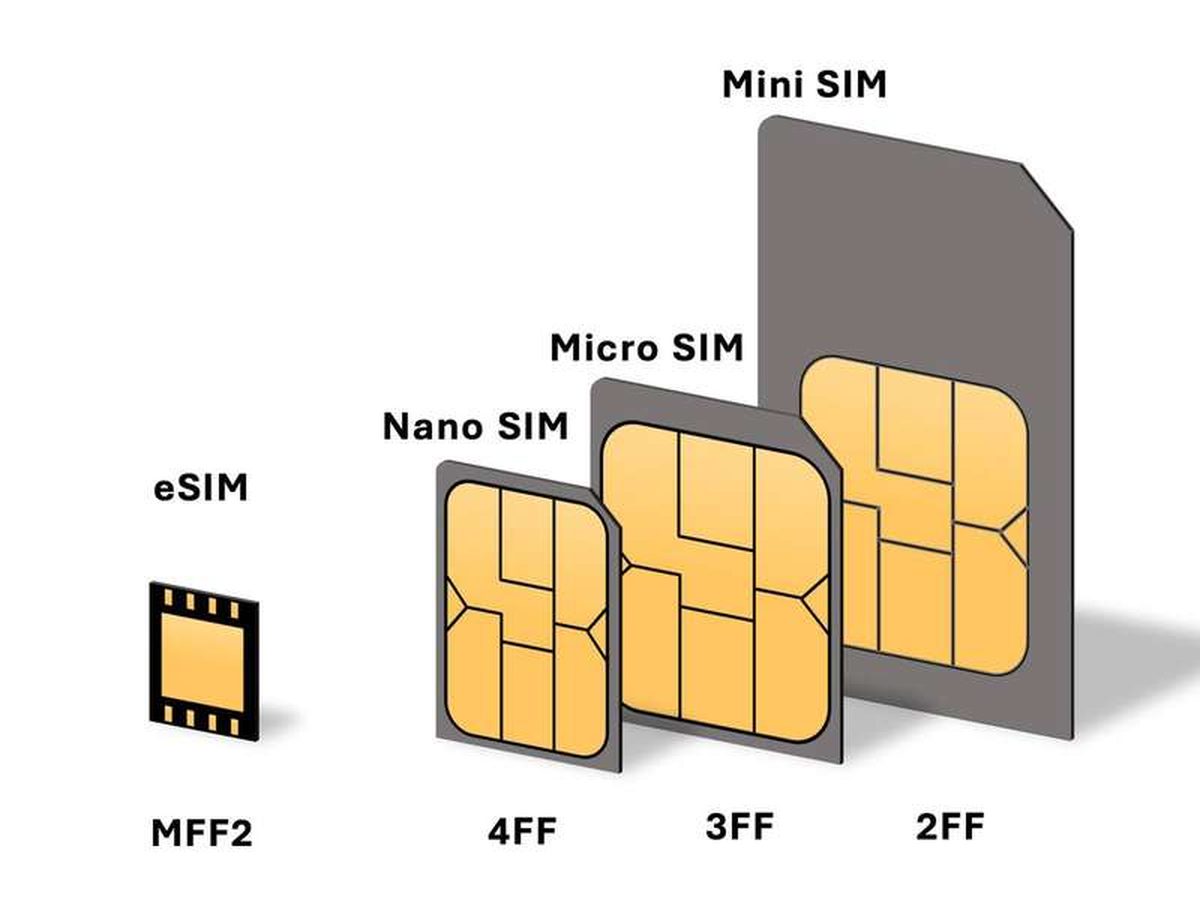
eSIM vs iSIM: what is the difference?
An eSIM is a dedicated chip on the phone's board, while an iSIM lives inside the processor itself. Qualcomm's Snapdragon 8 Gen