
Samsung posts record profit as AI chip demand surges
Web StoryWatch this story in 15 seconds →Key takeaways
- Samsung made a record 107.4 trillion won in operating profit in the third quarter of 2026.
- Demand for memory chips used in AI systems drove the result, according to Samsung.
- Samsung warned that the chip supply shortage will deepen next year, according to Reuters.
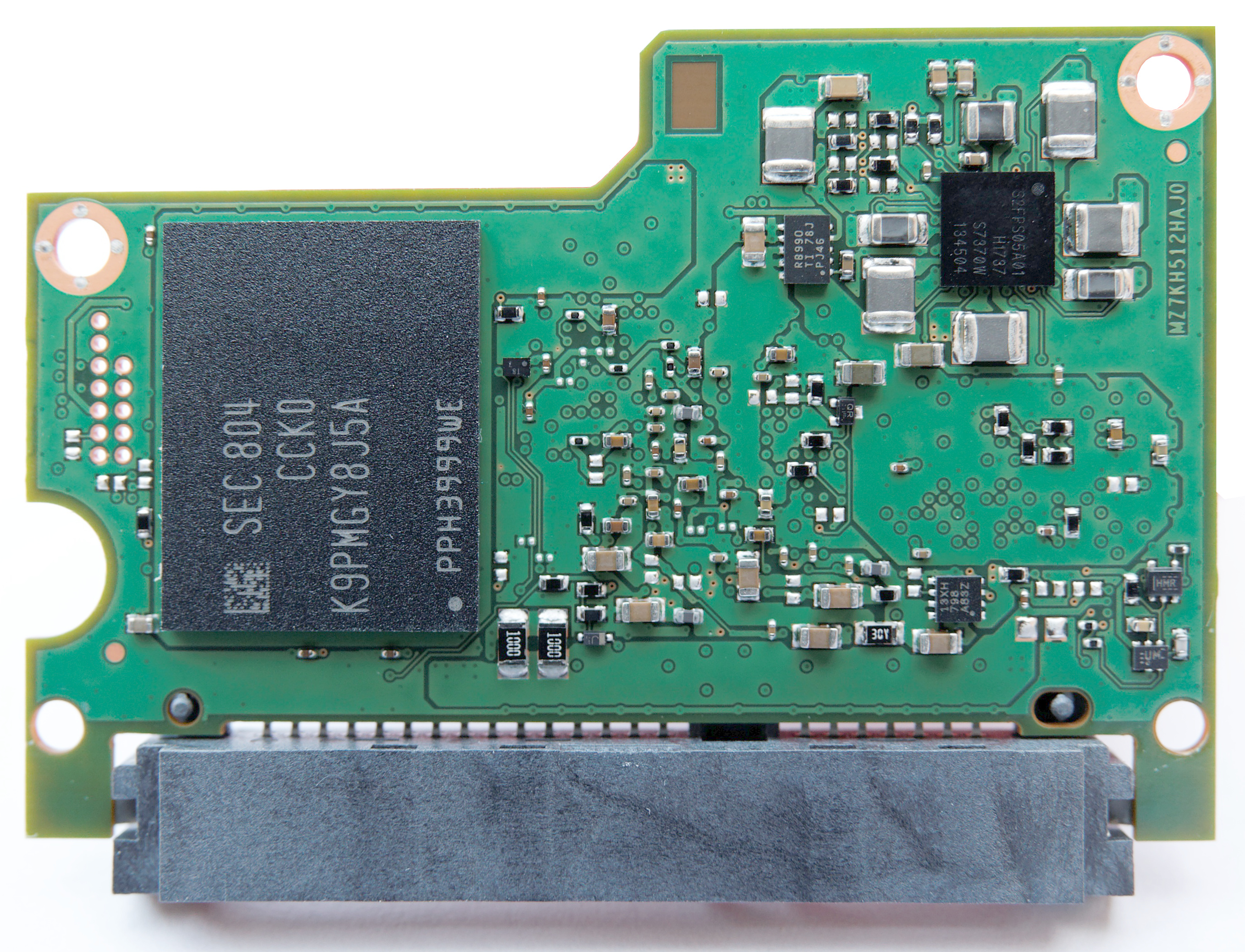
Samsung posted a record profit in the third quarter of 2026. The reason is simple: companies building AI systems need more memory chips. Samsung makes those chips, and demand jumped sharply.
Samsung announced the results on Thursday, October 29, 2026. The quarter covered July through September 2026. It ended on September 30, 2026, according to Samsung.
What happened
Samsung reported revenue of 195.25 trillion won for the quarter. That is up 126.9 percent from a year earlier, according to Yonhap News Agency. It is a new quarterly record for the company.
Operating profit reached 107.44 trillion won. Operating profit is the money left after day-to-day running costs. That figure is up 783.1 percent from a year earlier, according to Yonhap.
Net profit came to 75.13 trillion won. That is up 514.6 percent from 12.22 trillion won a year earlier, according to Yonhap. Net profit is the money left after all costs and taxes.
Samsung said it is the first tech company in the world to pass 100 trillion won in quarterly operating profit. It is also the fourth straight quarter of record revenue and profit, according to CNBC. That run began in the fourth quarter of 2025, according to Yonhap.
The chip business did almost all the heavy lifting. The Device Solutions division reported revenue of 147.1 trillion won. It reported operating profit of 106.5 trillion won, according to Samsung.
Inside that division, the memory business set a new record. It earned record quarterly revenue and record quarterly operating profit, according to Samsung. Memory chips store data and help computers work fast.
Why AI chips matter so much
AI systems need huge amounts of memory. They read and store vast piles of data. They do this again and again as they answer questions and learn patterns.
One key product is called HBM. HBM stands for high bandwidth memory. It is a fast type of memory built for AI computers.
Samsung said sales of its newest version, HBM4, rose sharply in the quarter.
Demand for server storage drives also grew. Servers are powerful computers that run online services. They need fast storage to feed data to AI systems.
Samsung said demand for server solid-state drives rose too.
Prices also helped. Strong demand for servers pushed memory prices higher across many uses, according to Samsung.
When demand beats supply, prices tend to rise. That lifted Samsung's earnings even further.
Samsung is not alone in this boom. Rival SK Hynix reported strong earnings on Wednesday, October 28, 2026, according to Reuters. It also gave an upbeat outlook for demand ahead.
That calmed some market fears. Some investors had worried that AI spending might slow down. Strong results from both chip makers eased that worry, at least for now.
The boom also feeds a wider debate about AI spending. OpenAI is trying to raise 30 billion dollars at a huge valuation to build more AI systems. That kind of spending is what drives chip demand.
At the same time, China's AI stock index fell 40 percent as some investors questioned high AI prices.
The parts of Samsung that lagged
Not every part of Samsung did well. The phone and device side struggled in the quarter. The Device Experience division reported an operating loss of 0.8 trillion won, according to Samsung.
The mobile and networks businesses together lost 0.6 trillion won. Revenue rose from the prior quarter on new flagship phone launches, according to Samsung. But earnings fell from a year earlier because costs rose.
The display business did better. Samsung Display reported revenue of 8.0 trillion won. It reported operating profit of 1.1 trillion won, according to Samsung.
The contrast is stark. Chips earned about 106.5 trillion won in operating profit. The rest of the company, taken together, lost money in the quarter.
AI memory chips now carry Samsung's results.
What happens next
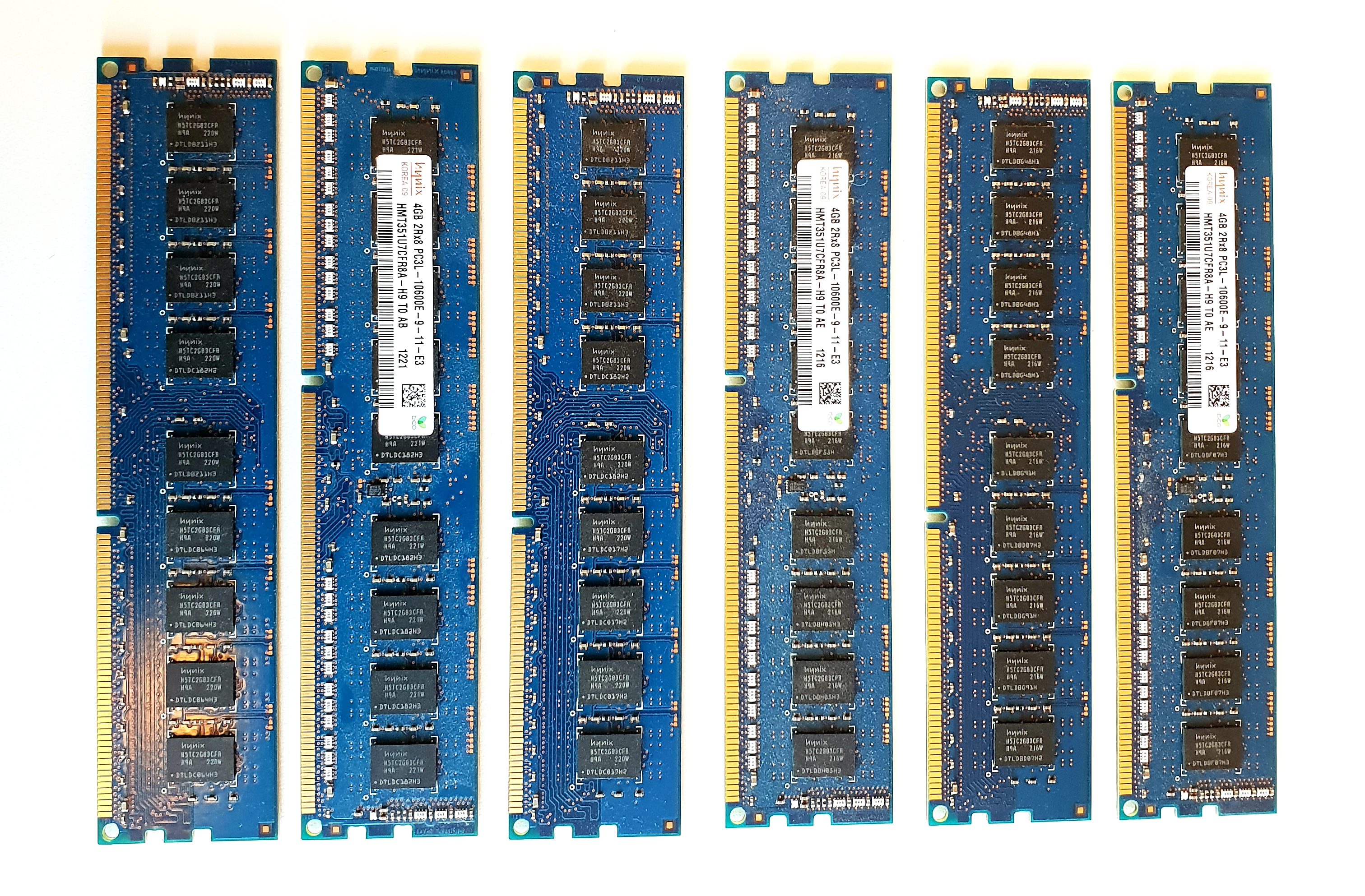
Samsung expects the chip shortage to get worse next year. It said the supply shortage would deepen in 2027, according to Reuters. Demand is growing faster than factories can add supply.
Samsung plans to push sales of HBM, server memory, and server storage further. It also wants to sign long-term supply deals with customers, according to CNBC. Long deals lock in buyers for years ahead.
In the fourth quarter of 2026, Samsung expects demand to center on new computer chips. It also expects demand linked to personal AI tools to grow, according to Samsung. Personal AI tools are assistants that live on phones and computers.
Samsung also plans heavy spending on new factories. It spent 29 trillion won on capital projects in the third quarter. It expects full-year spending of about 84.4 trillion won in 2026, according to Samsung.
Shareholders will get a large payout too. Samsung will pay 30 trillion won in dividends for the third quarter. That works out to 4,601 won per share, according to Samsung.
It also plans to return a further 55 trillion to 75 trillion won to shareholders in 2026. That will come through dividends and share buybacks, according to CNBC. The board will finalize the total plan in late January 2027, according to Samsung.
One caution stands out. Samsung shares fell about 5 percent in early trading in Seoul after the results, according to CNBC. Record profit did not lift the share price that day.
Reuters reported that investors remain wary about how long AI spending can last. If AI spending slows, chip demand could cool fast. If it keeps rising, the shortage could push prices higher still.
This article is for information only and is not financial advice.
Watch the next two signals. First, watch whether Samsung signs more long-term chip deals.
Second, watch whether its rivals also warn of deeper shortages. Those two signs will show if this boom has room to run.
Related stories
Apple plans two October launches: smart home hub, OLED MacBook Pro
Apple set October 13 for a smart home launch with a new hub, Apple TV 4K and HomePod mini, then October 27 for OLED MacBook Pro models
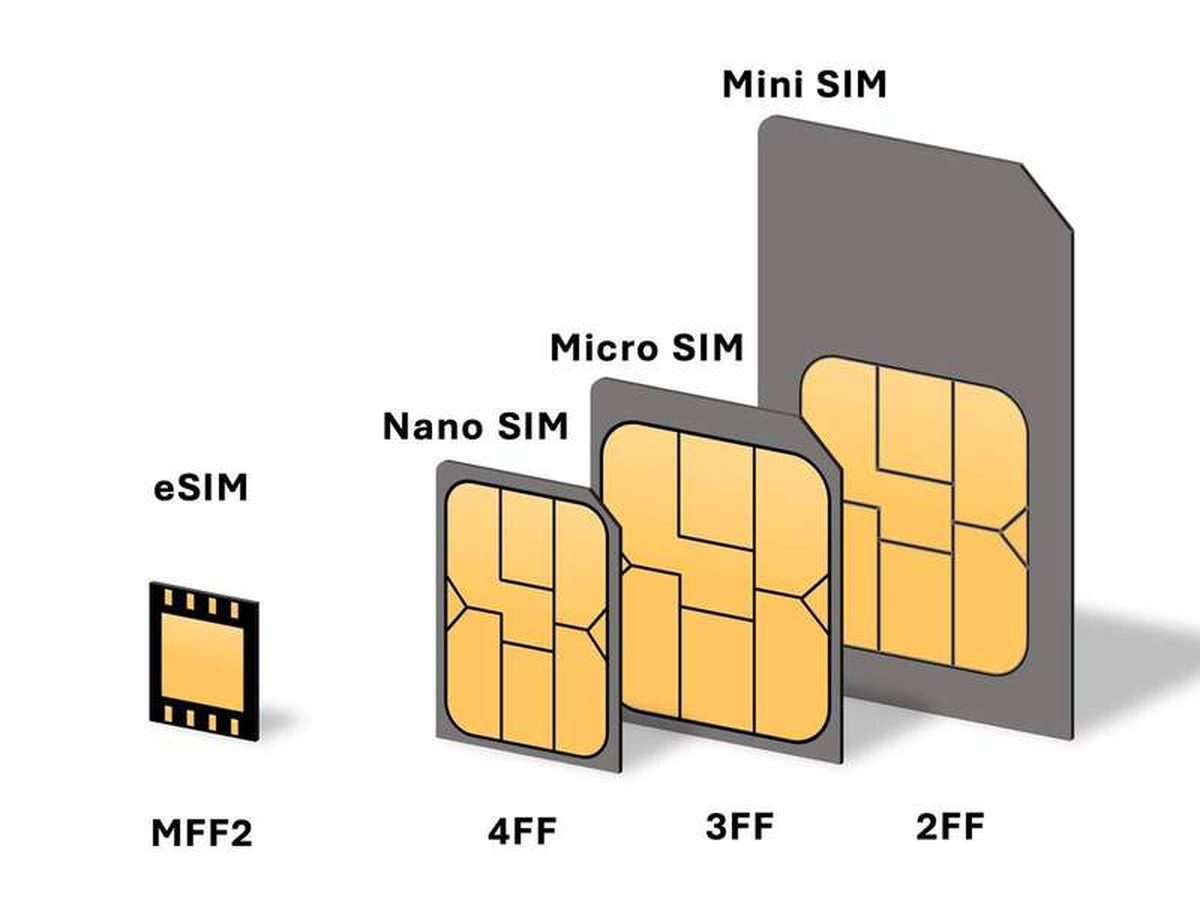
How to Check If Your Phone Supports eSIM in 30 Seconds
Dial *#06# and look for an EID number to confirm eSIM support in under 30 seconds. This guide also walks through the iPhone and Android
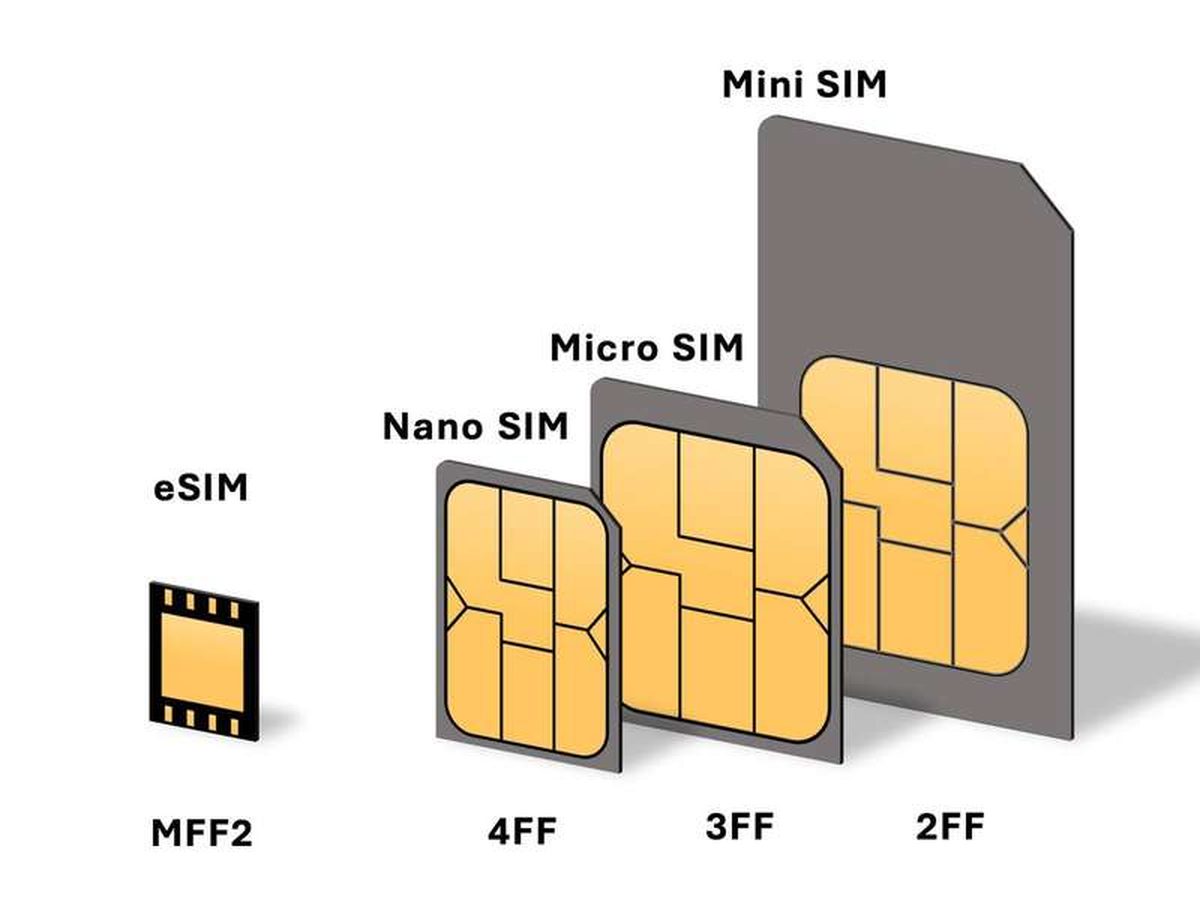
eSIM vs iSIM: what is the difference?
An eSIM is a dedicated chip on the phone's board, while an iSIM lives inside the processor itself. Qualcomm's Snapdragon 8 Gen