
Why airplane seats are getting smaller over time
By Rive News / Research desk | Rive News / Published October 27, 2026 at 9:00 AM PKT
Key takeaways
- Economy seat pitch fell from about 35 inches in the 1970s to an average near 31 inches today.
- Airlines shrink seats to fit more passengers on each flight and spread fixed costs across more tickets.
- Slimline seats with thinner backrests claw back a little legroom, but they trade away padding and recline.
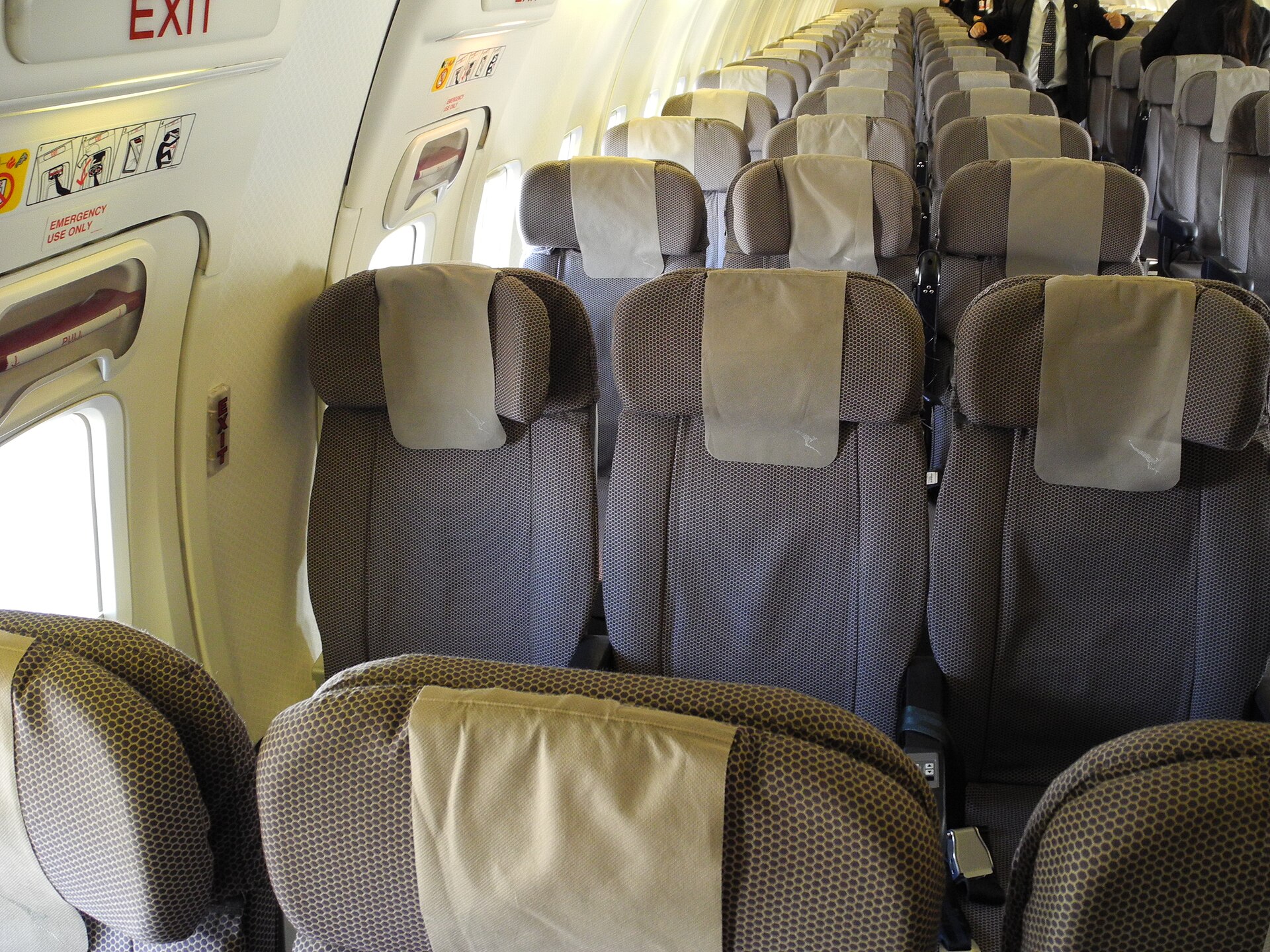
[Rows of economy seats inside an airplane cabin.] Photograph: the subject
Image Credits: Wikimedia Commons
Airplane seats are getting smaller because airlines make more money by fitting more of them into the same cabin. Every extra row spreads the cost of fuel, crew, and the aircraft across more tickets.
Two measurements define the squeeze, and both have fallen over the decades. Seat pitch is the distance from one point on a seat to the same point on the seat in front, while seat width is the space from armrest to armrest.
This article explains how seat pitch and width changed, why deregulation started the trend, and what slimline seats changed for passengers.
How much smaller have seats become
In the 1970s, economy class typically offered 35 inches of pitch, according to figures cited by United States Senator Charles Schumer. Today the average sits near 31 inches, which is a loss of about 4 inches of legroom.
Seat width has followed the same path, falling from around 18 to 19 inches in earlier decades to about 17 inches on many modern single-aisle aircraft. Some ultra-low-cost carriers go narrower still, with seats as narrow as 16.5 inches.
The Massachusetts Institute of Technology Airline Data Project shows the mechanism behind the numbers. United States airlines increased the average seat count in single-aisle multi-class aircraft from 130 in 1995 to 142 today.
Those 12 extra seats did not come from a longer fuselage, because the aircraft stayed the same size. They came from tighter pitch, narrower seats, and thinner seatbacks.
Deregulation changed the incentive
The turning point was the Airline Deregulation Act of 1978 in the United States. Before deregulation, the Civil Aeronautics Board controlled routes, fares, and market entry, which limited direct price competition.
After deregulation, airlines could compete freely on price, and new low-cost carriers entered the market. To survive, carriers cut costs wherever they could, and cabin space was one of the easiest places to find savings.
Early cuts were small, often just an inch or two of pitch at a time. Over decades, those small cuts compounded into the noticeable difference passengers feel today.
Low-cost carriers then built whole business models around density, with ultra-low fares made possible only by maximizing passengers per flight. Legacy carriers, facing the same price pressure, adopted similar high-density layouts to stay competitive.
Why more seats mean cheaper tickets
Airlines run on thin margins, and the global industry averaged a net profit margin of just 2.5 percent in 2023 according to industry reporting. Fuel, aircraft leases, and crew wages barely change when a few rows are added, so each extra seat is close to pure added revenue.
Industry estimates cited in seat analyses suggest that adding two extra rows to a Boeing 737 can generate around 1.5 million dollars in additional annual revenue per aircraft. That figure explains why airlines keep returning to densification even when passengers complain.
The trade-off is visible in ticket prices, because denser cabins helped make flying affordable for far more people. The same squeeze that annoys a tall passenger also helped turn air travel from a luxury into a routine purchase.
Slimline seats and the padding trade
Manufacturers responded to the squeeze with slimline seats, which use thinner seatbacks and lighter frames. These designs save up to 4 inches of pitch compared with older thick seats, according to seat engineering analyses.
A slimline seat can feel roomier at knee level even when the measured pitch is smaller. The thinner backrest leaves more space in front of the passenger, which softens the effect of a tighter row spacing.
The cost is comfort elsewhere, since slimline seats carry less padding and often recline less. Some designs also fix side panels in place, which narrows the usable shoulder space even when the stated width looks unchanged.
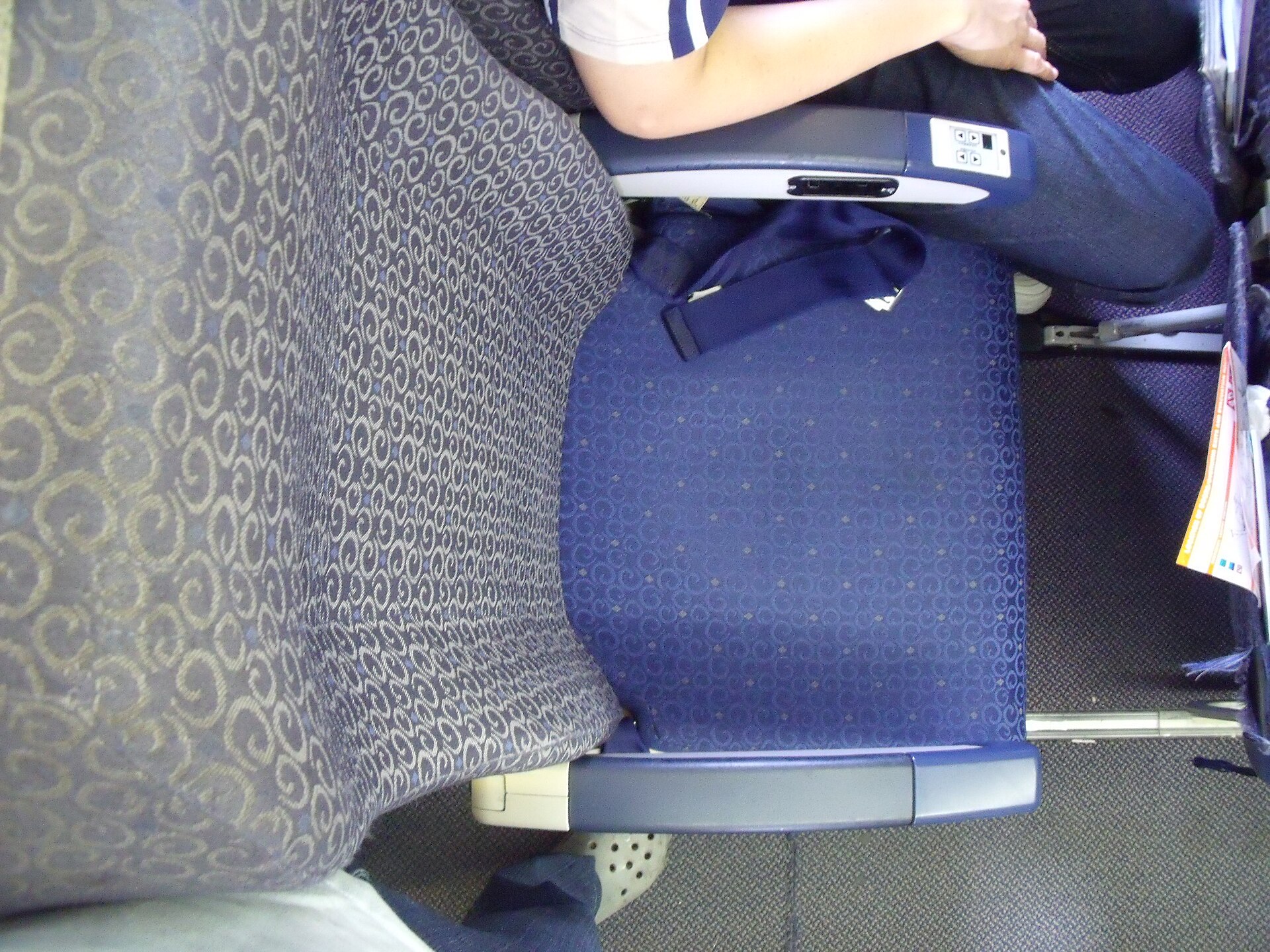
[A single economy class airplane seat.] Photograph: the subject
Image Credits: Wikimedia Commons
Why the squeeze feels worse now
Average body size has grown over the same decades that seats shrank, which widens the mismatch. Analyses citing the journal Applied Ergonomics and SAE International put the increase in average sitting width at around 8 to 13 percent over four decades.
Carry-on luggage adds to the pressure, since fuller overhead bins and larger bags crowd the cabin. A passenger who once stored a small bag overhead may now wrestle it into a shrinking footwell.
Recline has become a flashpoint for the same reason, because a reclined seatback now lands several inches closer to the face of the passenger behind. With pitch near 28 to 30 inches on many domestic flights, there is little slack left for both parties.
What airlines sell back to passengers
Airlines now charge extra for the space they removed, selling extra-legroom seats as a premium product. Exit rows, bulkhead rows, and front-of-cabin economy seats carry a fee on most carriers.
In India, preferred seats with extra legroom typically cost an extra 500 to 2,000 rupees on domestic flights according to travel reporting. International carriers charge more, with extra-legroom fees often running from 3,000 to 10,000 rupees depending on the route.
The pattern is deliberate, because a low headline fare attracts the booking while legroom becomes an optional upgrade. Passengers who value space pay for it, while price-sensitive travellers accept the standard seat.
Are there limits to the shrinkage
Safety rules set a floor, since aircraft must be evacuated within 90 seconds under certification standards. Regulators have studied minimum seat dimensions, and political pressure has grown as complaints mounted.
No universal minimum pitch law has yet stopped the trend in most markets, so airlines continue to test how tight a cabin passengers will accept. The standing-style Skyrider concept from Italian firm Aviointeriors shows how far designers are willing to go, with claims of 20 percent more passengers per aircraft.
For now, the practical limit is passenger tolerance, which shows up in booking choices and complaints. Airlines watch both, and they adjust density route by route rather than across the whole fleet at once.
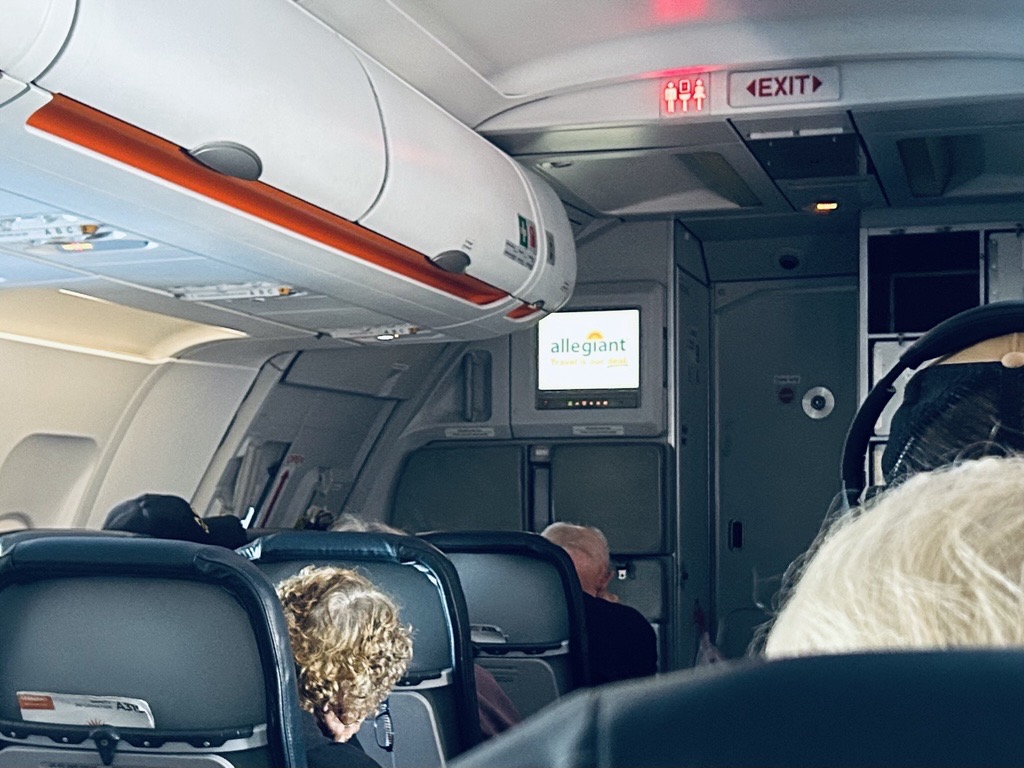
[The interior of an airplane cabin with rows of seats.] Photograph: the subject
Image Credits: Wikimedia Commons
Frequently asked questions
What is seat pitch on an airplane?
Seat pitch is the distance from one point on your seat to the same point on the seat in front of you. It is the best single number for comparing legroom between flights.
How much legroom do economy seats offer today?
Most economy seats offer 28 to 31 inches of pitch, down from about 35 inches in the 1970s. Low-cost carriers sit at the tight end of that range.
Why do airlines not simply add wider seats?
Wider seats mean fewer seats per row, which raises the cost of every ticket on the flight. Airlines choose density because most passengers book on price first.
Can I check seat size before booking?
Yes, seat maps and review sites list pitch and width by aircraft type and airline. Checking the specific aircraft matters, because the same airline flies several layouts.
The bottom line
Airplane seats shrank because deregulation, low-cost competition, and thin margins all reward fitting more passengers into the same tube. Pitch fell from about 35 inches to near 31 inches, and width fell with it.
Slimline seats soften the knee-room loss while trading away padding and recline. Until passengers consistently pay more for space, airlines have little reason to reverse a formula that fills planes and lowers headline fares.
Tags: airplane seats, airlines, economy class
Rive News is a research desk covering everyday science, money, travel, and family life in plain language.
Related
- Why airplane windows are round and can never be opened
- Why do airlines overbook flights and how does bumping work
- Carry-on size limits: why airlines each set their own
- Why do boarding groups exist and do they actually work
Subscribe for one plain-language explainer in your inbox each morning.
Rive News publishes researched explainers and corrects errors when readers point them out.
Related stories

The 3-1-1 liquids rule for planes: what each number means
TSA's 3-1-1 rule limits carry-on liquids to 3.4-ounce containers in one quart bag. Where the 2006 rule came from, what counts, and how
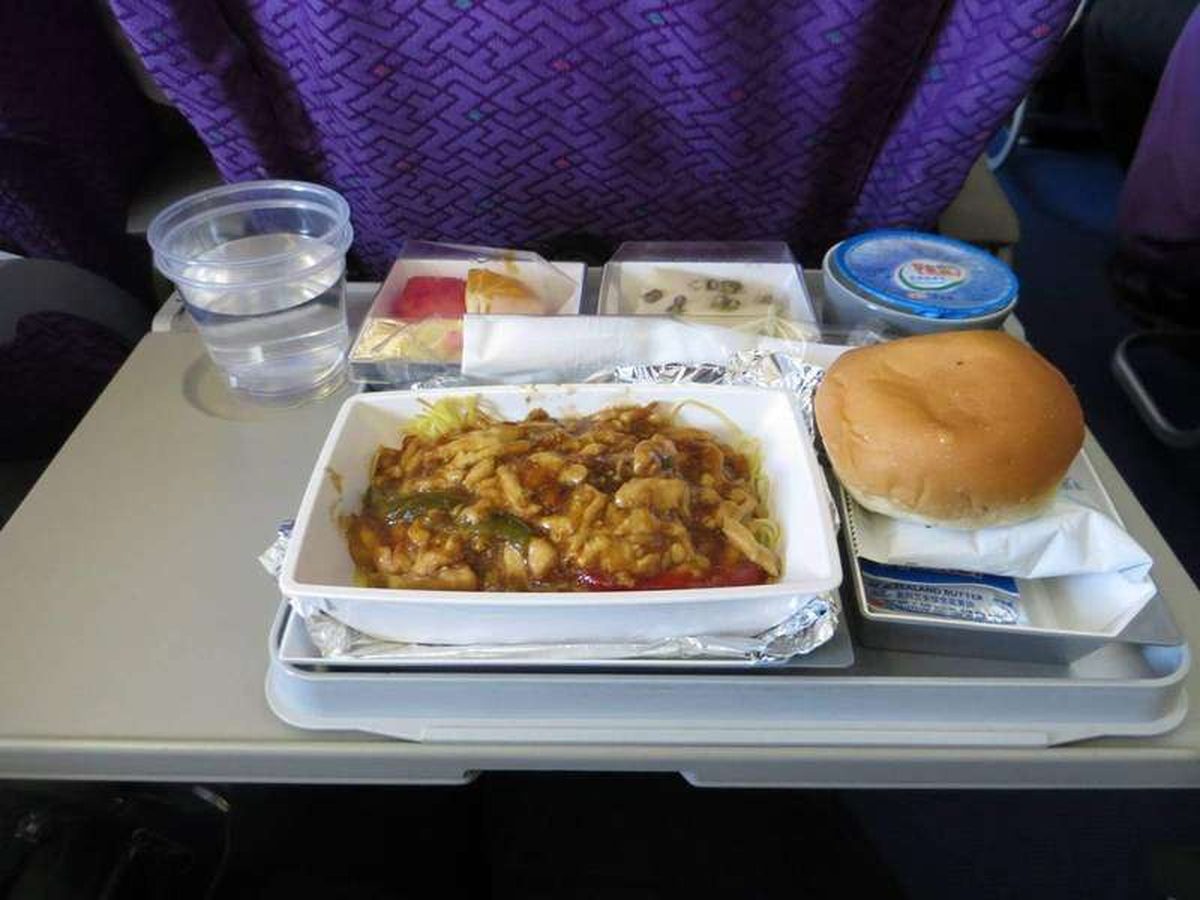
Why Is Airplane Food So Bland at Altitude?
A 2010 Fraunhofer study found altitude cuts sweet and salty perception by up to 30 percent. Low humidity, cabin pressure, and noise all
Carry-on size limits: why airlines each set their own
Airlines set their own carry-on limits because the FAA only requires each carrier to have a policy, not one global size. Why 22 x 14 x