
Cologne airport suitcase held 92 snakes and lizards
Web StoryWatch this story in 15 seconds →Key takeaways
- Customs staff at Cologne Bonn Airport found 37 venomous snakes and 55 lizards in one suitcase.
- About 30 of the animals died during or after the long trip from Mexico.
- The traveller was denied entry to Germany and sent back to Istanbul.
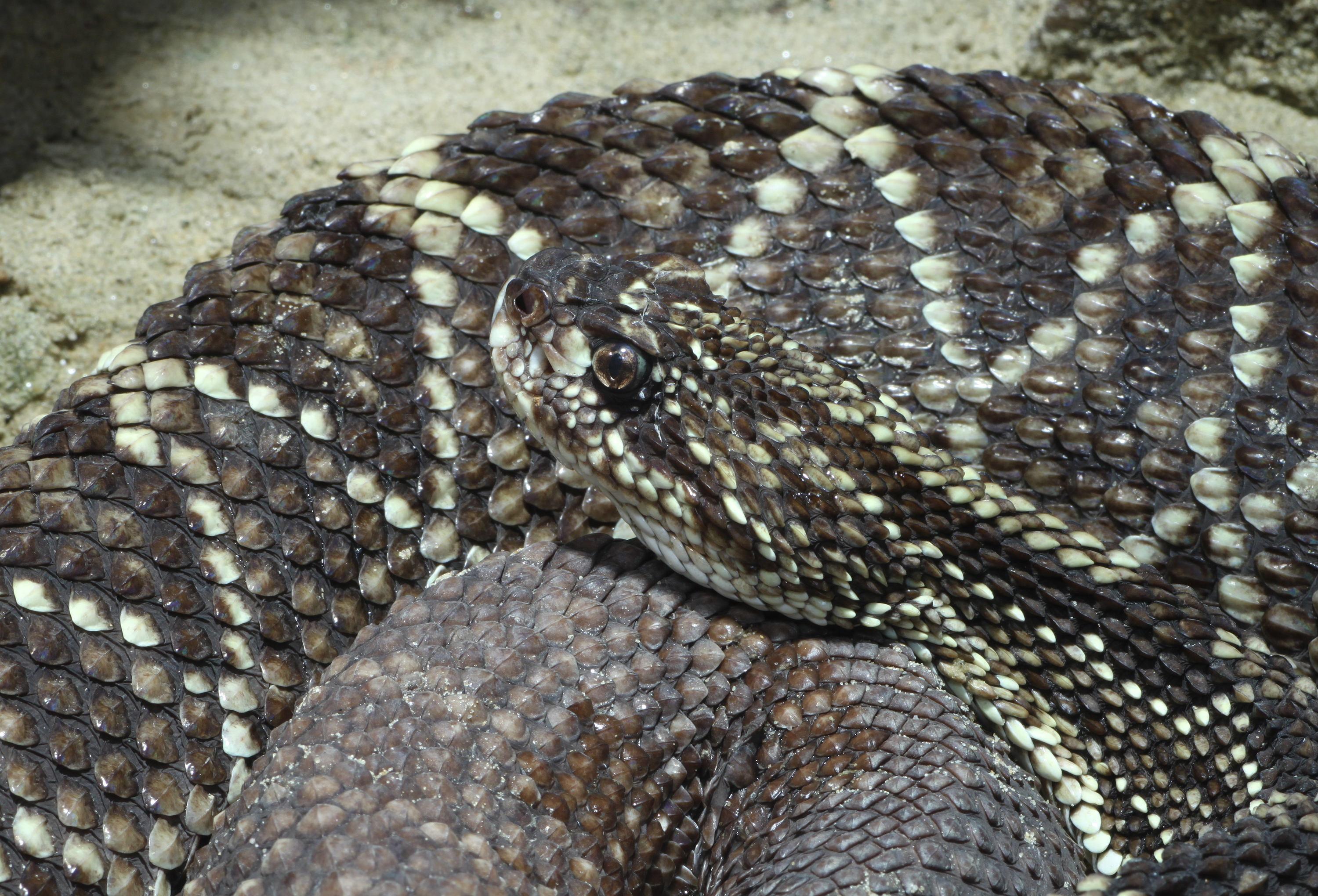
Customs staff at Cologne Bonn Airport found 92 reptiles in one suitcase. The bag held 37 venomous snakes and 55 lizards. Officers stopped the traveller last month.
They shared the news on Thursday. The man was 45 years old. He had flown in from Mexico.
Venomous means a bite can poison a person. These snakes were not pets in a safe box. They were packed in bottles and socks.
Many did not survive the trip. The rest now get care in Germany. The traveller went back to Istanbul.
He did not enter Germany.
What happened
The man arrived at Cologne Bonn Airport in Germany. He had flown from Mexico City. His flight stopped in Istanbul first.
He then walked toward the green channel. The green channel is for travellers with nothing to declare. It means you carry no goods to report.
Officers saw that he looked nervous. They stopped him for a check. They gave him a drug test.
The test came back positive for cocaine. But officers found no drugs in his bag. They searched the suitcase next.
That is when they found the animals.
The reptiles were hidden in odd places. Some sat in shampoo bottles. Others sat in cream containers.
Some were inside plastic boxes. Others were rolled up in socks. Customs staff counted 37 venomous snakes.
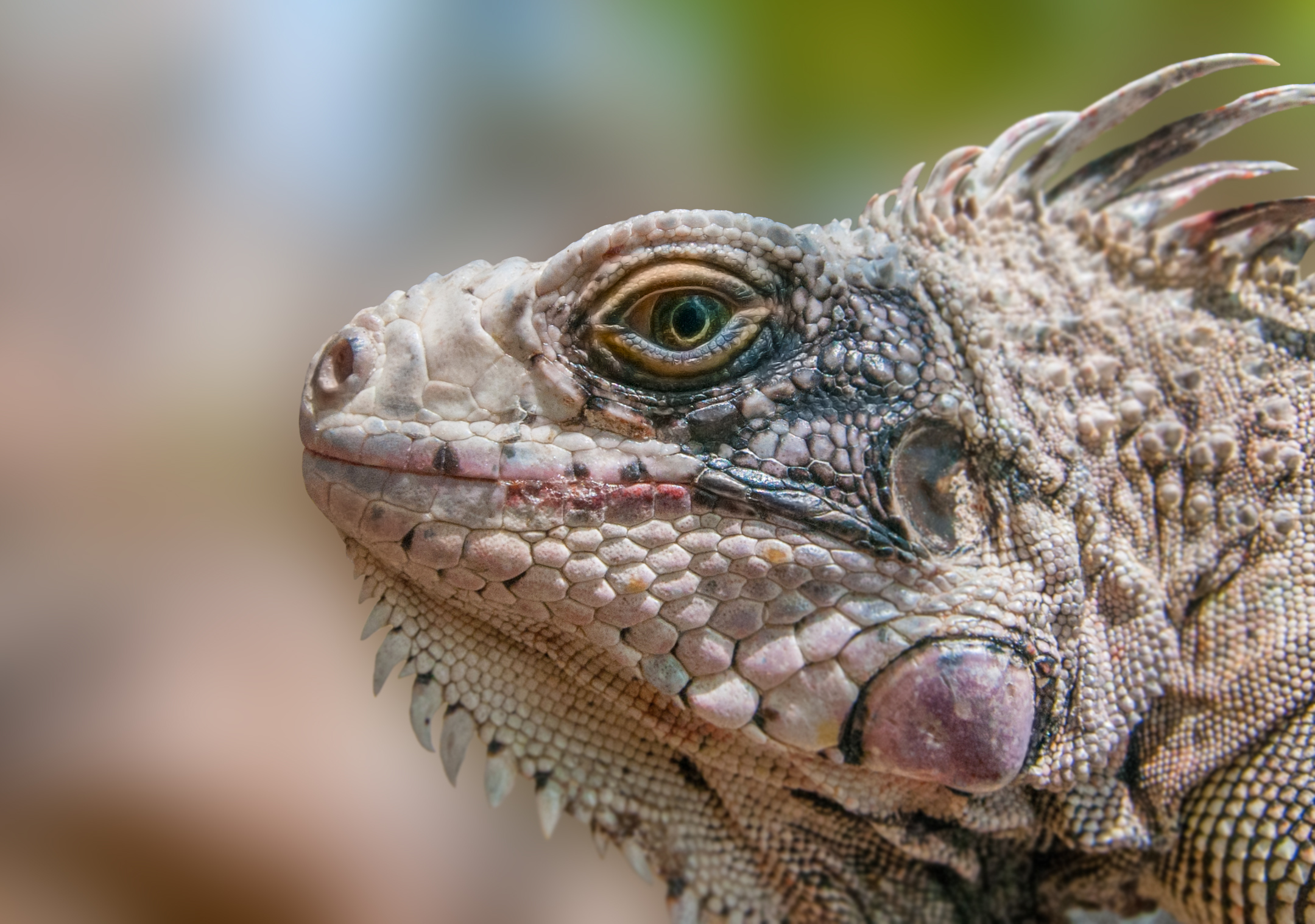
They also counted 55 lizards. The snakes included vipers and rattlesnakes. The lizards included iguanas.
All 92 animals came from Mexico.
The trip was long and harsh. The animals had no food or water. Some were kept in poor conditions.
About 30 died during or after the trip, customs officials told reporters. The rest stayed alive. Vets in Cologne gave them care first.
Then staff moved them to a reptile facility. The site sits near Braunschweig in central Germany. It is a place built for snakes.
The man told officers his own story. He said he was on vacation. He said he carried the animals as a favour.
The favour was for a Brazilian acquaintance. An acquaintance is a person you know a little. Officers did not share his name.
They called him a public safety risk. They denied him entry to Germany. He flew back to Istanbul the next day.
Jens Ahland speaks for the Cologne customs office. He said his team sees strange souvenirs. But this case was new.
He said they had never seen 37 venomous snakes and 55 lizards from Mexico before. He also spoke about greed. He said profit drives people to harm animals.
Why it matters
Venomous snakes are a risk in a plane and in an airport. A bite can hurt a person fast. A loose snake can cause panic.
It can also bite staff or other travellers. Customs staff had no warning. They opened a bag full of danger.
That is why the checks matter.
The animals suffered too. A suitcase is not a home for a snake. A shampoo bottle is not a home for a lizard.
The animals had no air, food, or water for hours. About 30 of them died. The rest need long care now.
Their trip shows how cruel this trade can be.
This case is part of a big trade. Wild animals sell for high prices. Some buyers want rare pets.
Some buyers want rare species for a collection. Smugglers hide animals in bags and parcels. They hope no one checks.
When they are caught, the animals pay the price.
Germany sees many such cases. Last year, customs made more than 1,300 seizures across the country. The seizures covered more than 56,600 protected animals and plants.
They also covered products made from them. Those numbers come from customs officials. They show the scale of the problem.
Cologne airport has seen this before. In 2020, staff found 26 rare reptiles there. The animals were in parcels of toys and sweets.
They had come from Mexico. Ten of them were dead. The parcels were bound for private buyers in Germany.
The new case is far bigger. It is a warning that the trade goes on.
Travellers should know the rules. You cannot carry wild animals in a bag. Many species need permits.
Some species need a full ban on trade. A green channel does not mean no checks. Officers can stop any traveller.
They can search any bag. Airport security scanners also look inside bags. You can read how airport security scanners see inside bags.
Rules protect people and animals alike.
What happens next
The surviving animals stay in care in Germany. Staff at the reptile facility will feed them. They will treat any harm from the trip.
Some may stay there for a long time. Officials have not said what happens to them in the end.
The man is back in Istanbul. Officials have not shared more about his case. They have not named the Brazilian acquaintance.
They have not said if more people face checks. For now, the public record ends with his return flight.
Travellers can expect the same checks at airports. Officers watch for nervous conduct. They watch bags at the green channel.
They can test and search when they have cause. If you fly soon, pack with care. Keep liquids in clear bags.
Keep pets and animals out of your luggage. Read what happens to a checked bag on a layover before you pack.
German airports have made news before for odd alerts. One case was the Nuremberg airport alert. The lesson is the same each time.
Airport staff must act fast. They must keep people safe. And they must protect animals caught in the middle.
This case will stay a stark example. A suitcase can hide a lot. But it cannot hide the harm.
Ninety-two animals went on one long trip. About 30 did not survive it. The rest now live far from home.
Their story shows why wildlife rules exist.
Related stories

The 3-1-1 liquids rule for planes: what each number means
TSA's 3-1-1 rule limits carry-on liquids to 3.4-ounce containers in one quart bag. Where the 2006 rule came from, what counts, and how

Why Is Airplane Food So Bland at Altitude?
A 2010 Fraunhofer study found altitude cuts sweet and salty perception by up to 30 percent. Low humidity, cabin pressure, and noise all

Carry-on size limits: why airlines each set their own
Airlines set their own carry-on limits because the FAA only requires each carrier to have a policy, not one global size. Why 22 x 14 x