
What Happens to Your Checked Bag During a Layover?
By Rive News
Research desk | Rive News | Published October 12, 2026 at 09:00 AM PKT
Key takeaways
- On a single ticket, your bag is tagged to your final destination and transfers between flights automatically; you never touch it.
- Entering the United States, you must collect your bag at the first airport, clear customs, and drop it at a transfer desk.
- On separate tickets, airlines treat each leg as its own trip, so you collect and re-check the bag yourself.
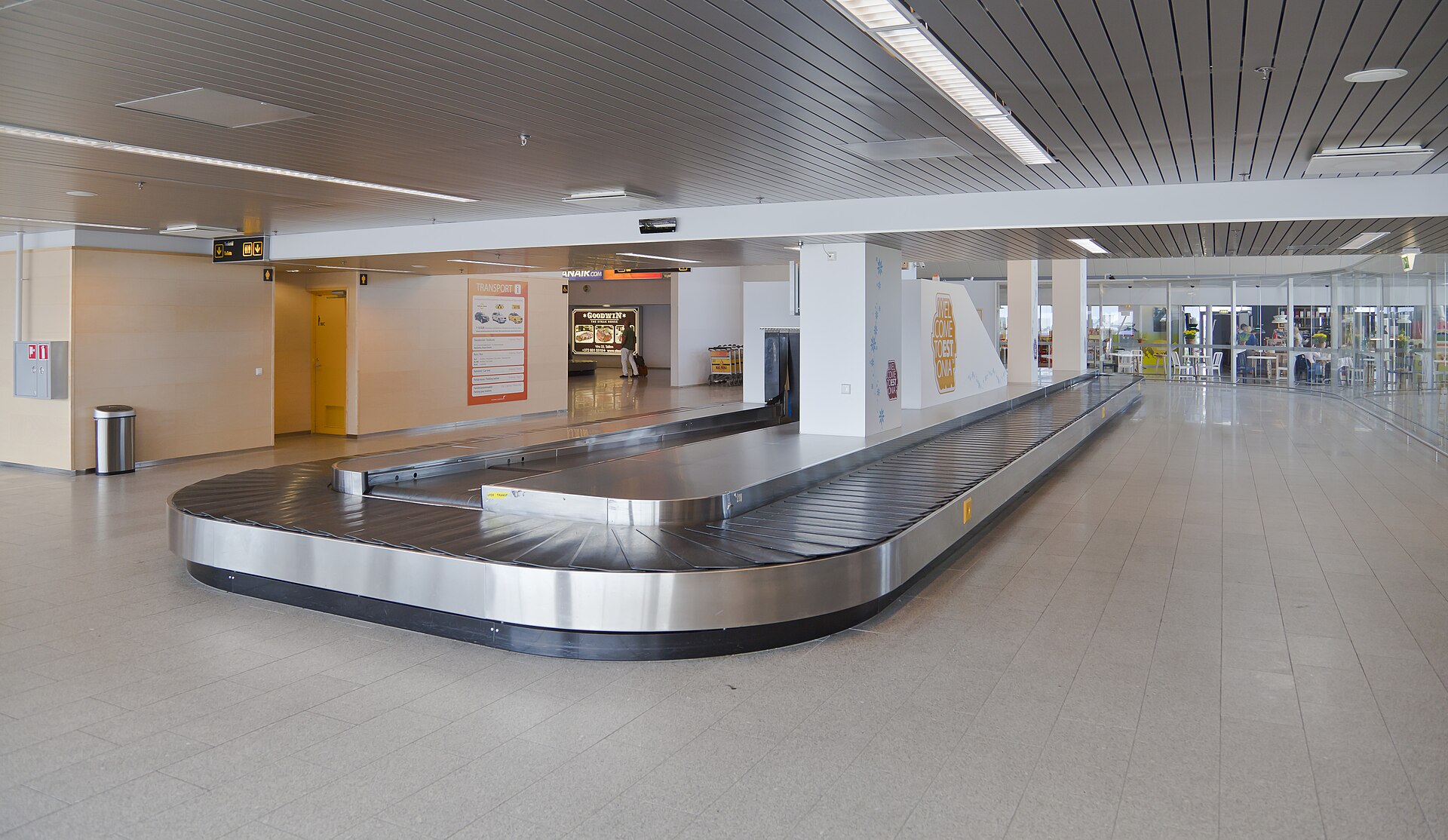
What is checked-bag transfer?
When you check a bag, the agent prints a tag with a barcode and a three-letter airport code: your final destination. That tag is a routing instruction. From that moment, your suitcase travels through the airport's baggage system mostly without you.
During a layover, it either continues on its own to your next flight, or it waits for you to collect it. Which path it takes depends on your ticket, your airlines, and the country you are entering.
This article explains what happens to your checked bag during a layover, including how automatic transfers work, when you must collect and re-check, how to confirm your bag is tagged through, and the bottom line for stress-free connections.
How bags move on a single ticket
Book the whole journey on one reservation, on one airline or its partners, and your bag is "checked through." The agent tags it to your final stop, with connecting cities printed in smaller type.
Between flights, airline ground handlers move it from the arriving aircraft to the departing one. You stay airside (past security), grab coffee, and meet your bag at the carousel at the end.
The system behind it is industrial. Bags travel on conveyors through sorting halls where scanners read each tag and divert the bag to the right outbound flight.
On long layovers, bags that are not needed yet are held in secure storage areas and pulled only as the connecting flight's departure window approaches. The 2-to-24-hour range is the normal comfort zone for this kind of holding.
One ticket also buys protection. If your first flight is delayed and you miss the connection through no fault of your own, the airline rebooks you and retags your bag to the new flight. The bag follows you; that is the airline's job under the contract.
When you must collect and re-check
The big exception is the United States. FAA guidance states that customs entry and clearance of baggage "must be completed at the first international airport of entry."
In practice, that means you collect your bag, walk it through the customs checkpoint, and hand it back at the airline's transfer desk right after. The tag already says your final destination; this is a customs formality, not a new check-in.
CBP (US Customs and Border Protection) is starting to modernize this. Its International Remote Baggage Screening program lets officers review security screening images before the plane lands, so eligible passengers skip the reclaim-and-recheck step entirely.
United already uses the process for passengers flying Sydney to San Francisco. "The International Remote Baggage Screening initiative is a significant step forward in modernizing our processes and providing a secure and seamless experience for international travelers," said Diane J. Sabatino, Executive Assistant Commissioner for Field Operations at U.S. Customs and Border Protection.
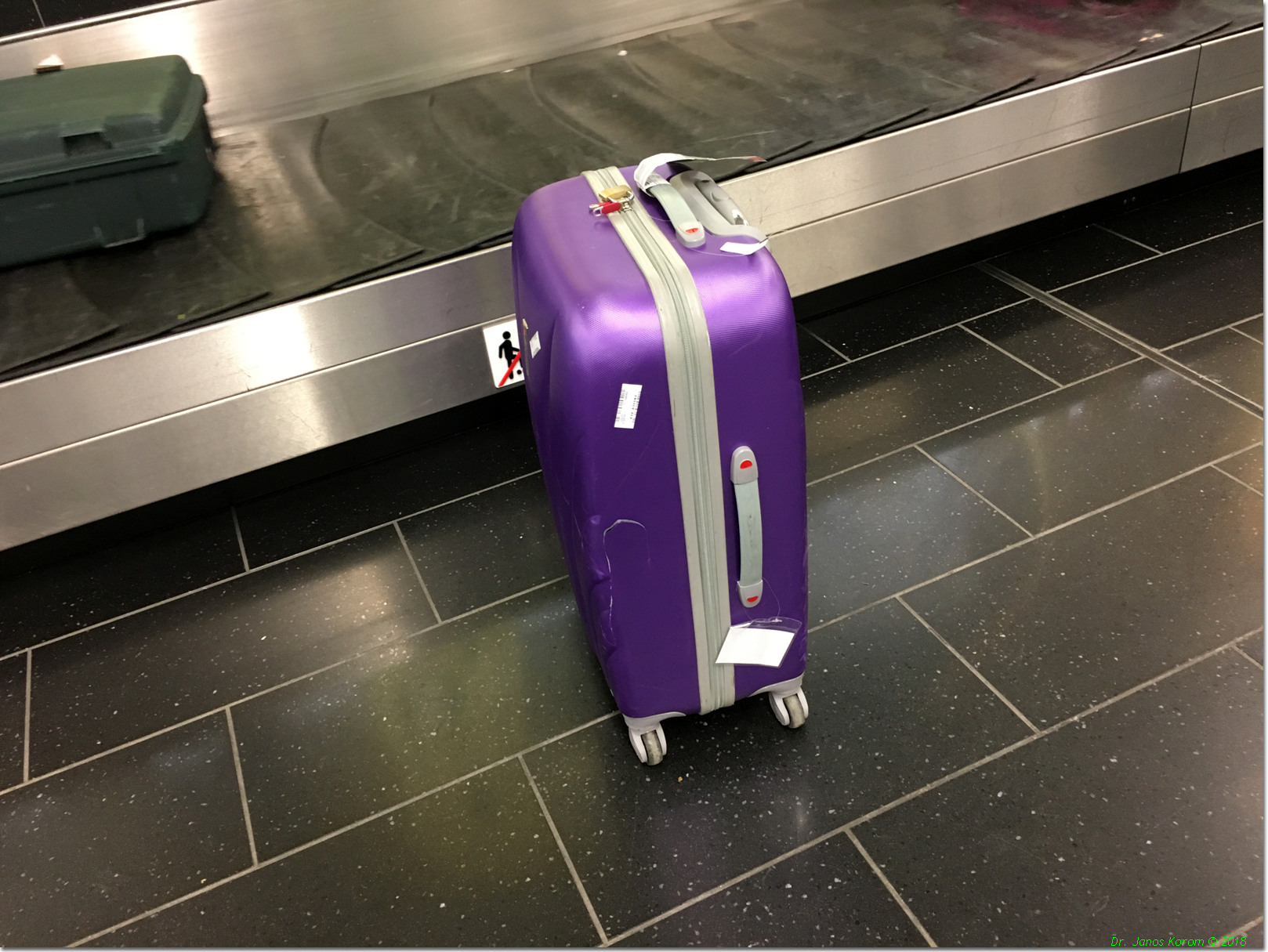
Separate tickets are the other exception. Buy two unlinked tickets, even on the same airline, and the airline treats each as an independent journey.
You collect the bag at the carousel, exit to landside (the public area before security), and check in again for the next flight, including a fresh trip through security. Budget travelers who stitch cheap fares together get bitten by this most. Leave generous time between such flights, because check-in cutoff times apply to the second ticket as usual.
Very long layovers can also force a reclaim. Past roughly 24 hours, many airlines ask you to collect your bag rather than store it. And a "gate-claimed" bag on a small regional jet, the pink-tagged kind, only travels one segment; you pick it up planeside at the connection.
How to confirm your bag is tagged through
Do not guess. At check-in, ask the agent one question: "Is this tagged through to my final destination?"
Then look at the bag tag receipt yourself and check that the large airport code matches your last stop. If the code shows the layover city instead, you will be collecting the bag there.
If you are unsure mid-trip, ask a gate agent at the connection. They can see the bag's routing in the system.
This thirty-second check beats discovering the problem at your final carousel. For the related question of how much time to leave, see what airline delay announcements really mean and the difference between a layover and a stopover.
Frequently asked questions
Do I need to pick up my bag if both flights are on one ticket?
Usually no. On a single ticket with one airline or partner airlines, your bag transfers automatically and you collect it at your final destination. Confirm the tag shows your final airport code at check-in.
Why do I have to collect my bag when entering the US?
Federal rules require customs clearance at your first US airport, and officers need you present with your belongings. You walk the bag through customs, then drop it at the airline transfer desk immediately after. CBP's remote screening program is beginning to remove this step on select routes.
What if my layover is longer than 24 hours?
Many airlines will not hold a bag that long. Expect to collect it at the layover airport and re-check it for the onward flight. If your fare includes a hotel for the stopover, confirm the baggage plan when you check in.
What happens if I miss my connection?
On one ticket, the airline rebooks you and retags your bag to the new flight; the bag catches up with you. On separate tickets, you are on your own: collect the bag and buy your way onward.
The bottom line
One ticket means your bag travels without you. Separate tickets mean it travels only as far as you carry it. The United States adds a mandatory customs stop at the first airport.
Ask the check-in agent where your bag is tagged, glance at the code on the receipt, and the mystery of the layover disappears. Pack anything you need during the connection, from medication to a change of clothes, in your carry-on, sized to your airline's limits, and you will be comfortable either way.
---
Rive News is the research desk behind this publication's explainers. It covers how consumer technology works, with every claim traced to a named public source.
Latest in travel
- What is the difference between a layover and a stopover?
- Why do airlines overbook flights, and how does bumping work?
- What do flight delay announcements really mean?
- Why do carry-on size limits differ between airlines?
Subscribe for one practical travel explainer like this every morning.
Standards: every statistic above carries in-text attribution; corrections are published with an update timestamp. All images are freely licensed; see the asset manifest for credits.
Related stories

The 3-1-1 liquids rule for planes: what each number means
TSA's 3-1-1 rule limits carry-on liquids to 3.4-ounce containers in one quart bag. Where the 2006 rule came from, what counts, and how to pa

Why Is Airplane Food So Bland at Altitude?
A 2010 Fraunhofer study found altitude cuts sweet and salty perception by up to 30 percent. Low humidity, cabin pressure, and noise all dull

Carry-on size limits: why airlines each set their own
Airlines set their own carry-on limits because the FAA only requires each carrier to have a policy, not one global size. Why 22 x 14 x 9 inc