
Direct vs nonstop flights: the difference that matters
By Rive News / Research desk | Rive News / Published October 27, 2026 at 9:00 AM PKT
Key takeaways
- A nonstop flight takes you from departure to destination without landing in between.
- A direct flight keeps the same flight number throughout, but it may stop once or more on the way.
- Every nonstop flight is direct in everyday language, but not every direct flight is nonstop in airline language.
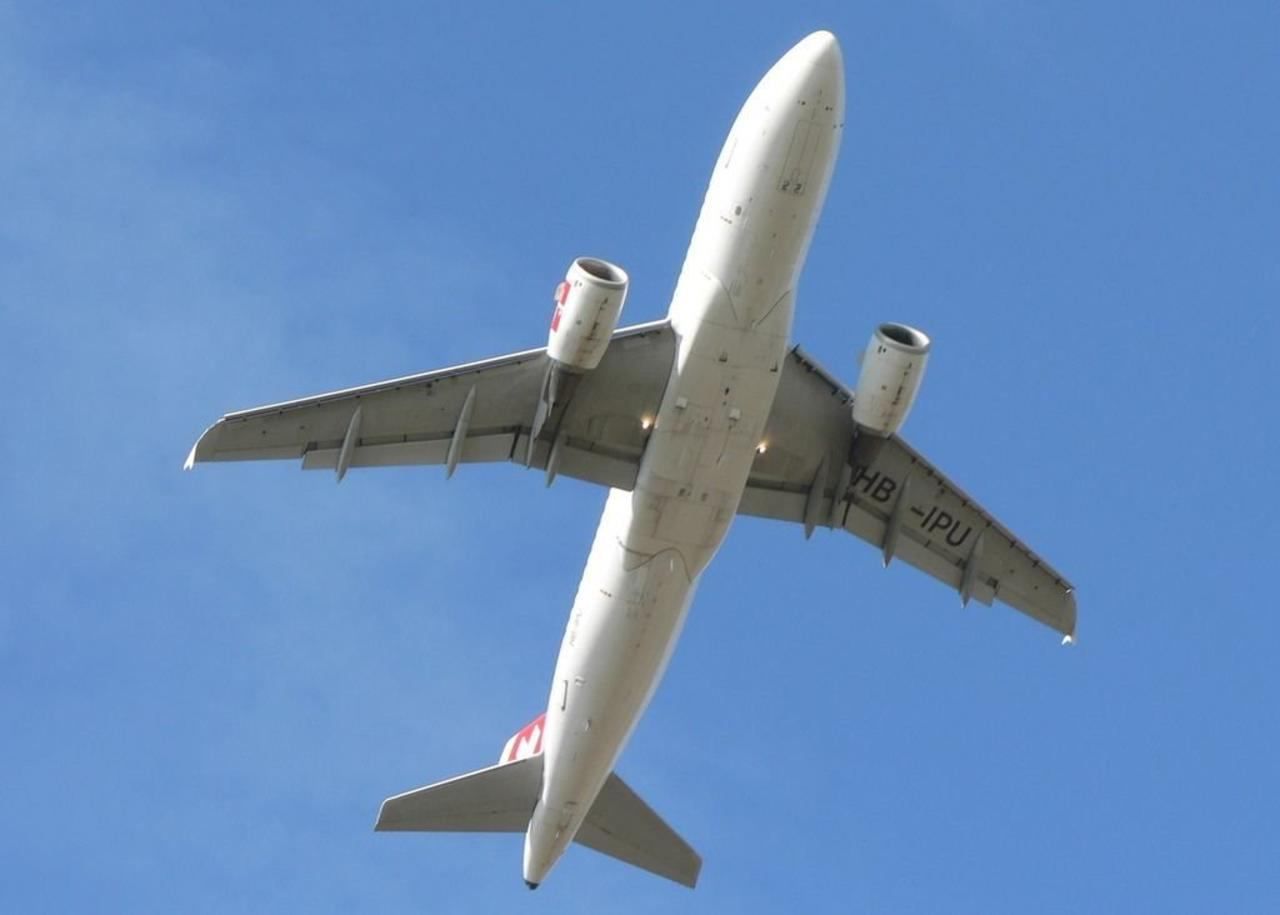
[An airplane climbs into a clear blue sky shortly after takeoff.] Photograph: Wikimedia Commons contributor
Image Credits: Wikimedia Commons
Travellers use "direct" and "nonstop" as if they meant the same thing. Airlines do not. The two words describe different promises, and confusing them can add hours to your day or land you in an airport you never planned to visit.
This article explains the airline definitions, the flight-number test that separates the two, and what to check before you book.
The two definitions
A nonstop flight is the simple one. It departs from one airport and lands at your destination without any intermediate stop. London to Los Angeles on a single aircraft that never touches down in between is nonstop.
A direct flight is defined differently. Since the 1970s, the Official Airline Guide has defined a direct flight as one that keeps a single flight number across its journey. A direct flight may stop along the way.
It may even change aircraft at the stop, in a practice called a change of gauge, while keeping the same flight number.
That is the whole distinction in one sentence: nonstop describes the route, direct describes the flight number. A flight can be direct without being nonstop, and that is where travellers get caught out.
It is worth noting that the term "direct flight" is not legally defined in the United States, according to the Wikipedia summary of airline practice. The single-flight-number definition comes from industry guides, not from statute, which is one reason airlines and booking sites use the word inconsistently.
The flight-number test
When you are unsure which kind of flight you are looking at, check the flight number. One flight number from start to finish means the airline calls it direct. Two or more flight numbers mean it is a connecting itinerary, even if the airline markets it smoothly.
Consider a classic example. British Airways flight 1 once flew from London City to New York JFK with a stop in Shannon, Ireland, for refuelling and US immigration pre-clearance. Passengers kept the same flight number and the same aircraft.
That was a direct flight, but it was not nonstop.
Singapore Airlines flight 26 offers the mirror image. From Singapore to Frankfurt it is nonstop. Passengers who stay on the same flight number all the way to New York, via Frankfurt, are on a direct flight with a stop.
Same aircraft, same number, different description depending on where you get off.
Aviation consultant John Strickland, quoted in Business Traveller, summarises the industry usage this way: "Direct is same plane throughout, but with en route stop(s)." Nonstop, by contrast, means no stop at all.
Do you stay on the plane?
Usually, but not always. On most direct flights with a stop, passengers stay on board while some passengers get off and new ones board. The stop may last 45 minutes to an hour, covering refuelling, cleaning, and catering.
There are exceptions. Some direct flights require all passengers to disembark during the stop, for security checks or aircraft servicing, and then reboard the same aircraft. On change-of-gauge direct flights, you switch to a different aircraft at the stop, usually at a nearby gate, while keeping the same flight number.
This matters for planning. A direct flight with a stop is not the same as a connection, because you are not rebooking or rushing between terminals. But it is also not the same as a nonstop, because a delay at the stop delays your arrival, and a stop can involve security checks or gate changes you did not expect.
For checked bags, the distinction is usually favourable. On a direct flight you normally do not reclaim and recheck your bag at the stop, because the airline treats the journey as one flight. That is one genuine advantage over a self-booked connection.
Why airlines still sell direct flights
Direct flights were far more common decades ago, when aircraft ranges were shorter. Almost every flight between Europe and South East Asia once stopped in the Gulf, and flights from the Gulf or India to North America stopped in Europe. Modern long-range aircraft have made true nonstop flights possible on many routes, and direct flights have become rarer.
Airlines keep selling them for a few reasons. A direct flight lets an airline serve two destinations with one flight number, which historically ranked higher in reservation systems than connecting flights. It also lets an airline sell seats on both legs of a journey under one product, which can fill aircraft more efficiently.
For passengers, the appeal is simplicity. One flight number means one check-in, one boarding pass in most cases, and less risk of a missed connection than a two-flight itinerary. The trade-off is time: a direct flight with a stop takes longer than a nonstop on the same route.
Which one should you choose
Choose nonstop when time matters most. A nonstop is the fastest option on a route, the simplest for travelling with children, and the safest choice in winter, when one delay can unravel a connection. If a nonstop exists and the fare gap is modest, it is usually worth paying.
Choose a direct flight with a stop when the saving is large, when no nonstop exists, or when you value staying on one booking over speed. Direct flights can cost less than nonstop flights, though not always, because fares move with demand rather than with logic.
Avoid treating "direct" as a synonym for "nonstop" when you search. Booking sites vary in how they label flights, and some use "direct" loosely to mean nonstop. Always check the itinerary details: the number of stops, the total travel time, and whether the flight number changes.
One more check matters. If the booking shows a stop, read the notes about it. A note saying "change of aircraft" means you will switch planes despite the single flight number.
A note about disembarking means you will leave the aircraft during the stop. Both change what your day at the airport feels like.
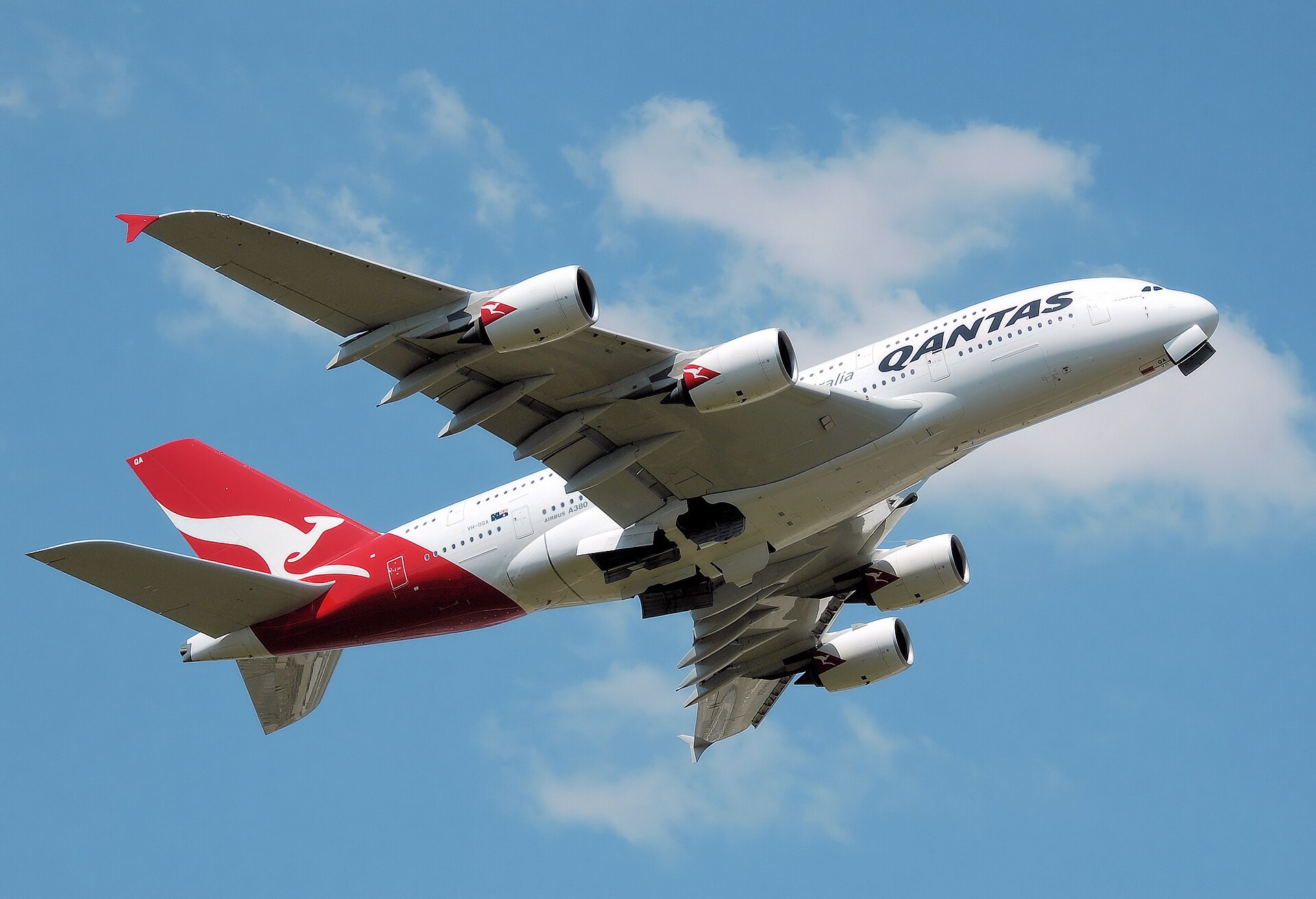
[A Qantas Airbus A380 takes off from Heathrow, one of the long-haul aircraft that made true nonstop routes possible.] Photograph: Wikimedia Commons contributor
Image Credits: Wikimedia Commons
Frequently asked questions
Is a direct flight the same as a nonstop flight?
No, in airline terminology. A nonstop flight never lands before your destination. A direct flight keeps one flight number but can stop along the way.
In everyday speech people often use "direct" to mean nonstop, which is the source of the confusion.
Do you have to get off the plane on a direct flight?
Usually not. Most direct stops let through-passengers stay on board. Some stops require disembarking for security or servicing, and change-of-gauge flights require switching aircraft.
Check the booking notes for your specific flight.
Are direct flights cheaper than nonstop flights?
Often, but not always. Direct and connecting flights tend to cost less because they take longer, but fares change with demand. Compare the total travel time alongside the price before deciding.
What is the difference between a direct flight and a connecting flight?
A direct flight keeps one flight number, even if it stops. A connecting flight uses two or more flight numbers, with a change of aircraft and usually a change of gate or terminal. Connections carry a higher risk of missed onward flights than direct stops.
The bottom line
Nonstop means no stops. Direct means one flight number, stops allowed. That single distinction explains most booking surprises, from the unexpected hour on the tarmac to the aircraft change nobody mentioned.
When you search, ignore the label and read the itinerary. Count the stops, check the flight number, and read the notes about the stop. If the words on the screen promise "direct" but the itinerary shows a landing in between, you are looking at a direct flight, not a nonstop one, and your travel time will reflect that.
Tags: flights, air travel, booking tips, airlines
Rive News is a research desk that explains everyday questions from published sources and expert guidance, without invented case studies or first-hand claims.
Related
- What is the difference between a layover and a stopover
- Codeshare flights: why your ticket names two airlines
- What happens to your checked bag during a layover
Subscribe for one everyday explainer in your inbox each morning.
Rive News publishes research-based explainers and corrects errors when readers point them out.
Related stories

The 3-1-1 liquids rule for planes: what each number means
TSA's 3-1-1 rule limits carry-on liquids to 3.4-ounce containers in one quart bag. Where the 2006 rule came from, what counts, and how
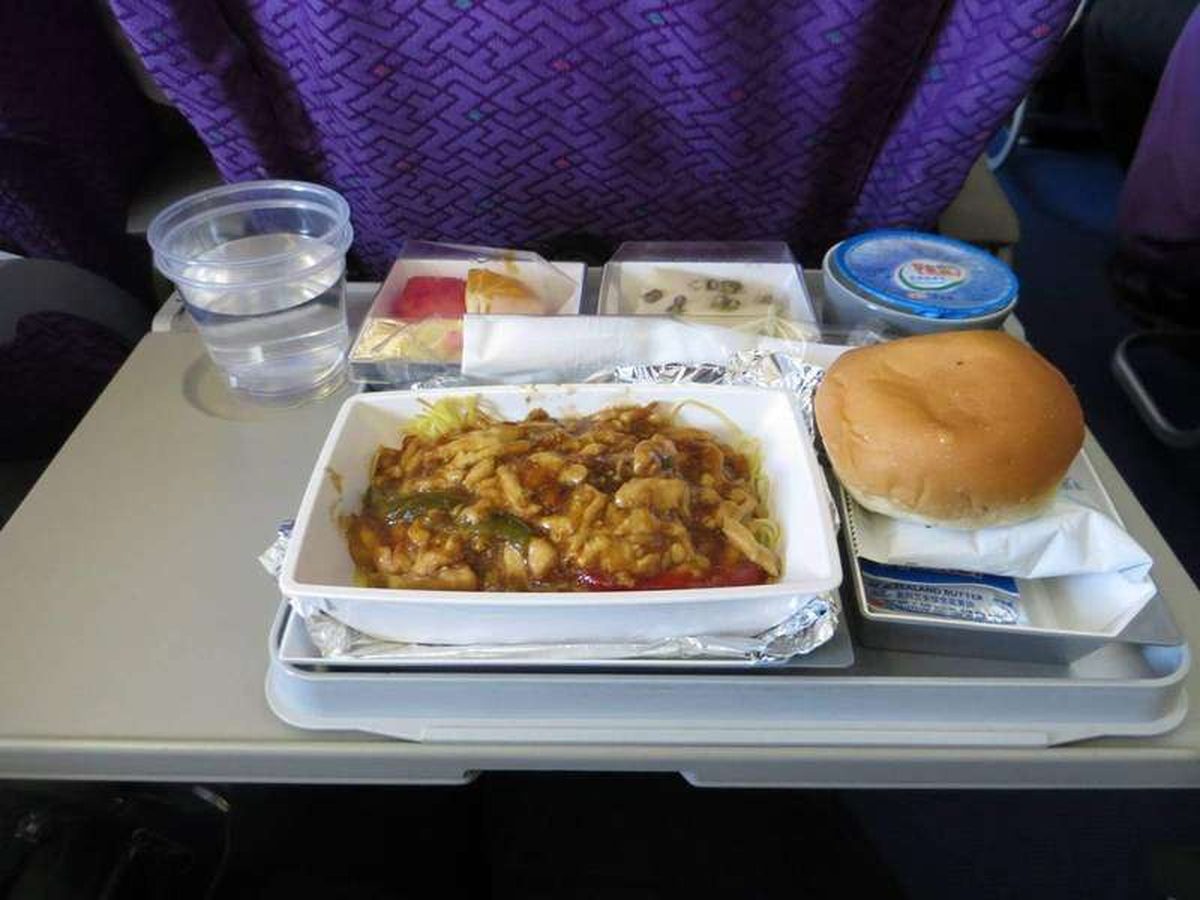
Why Is Airplane Food So Bland at Altitude?
A 2010 Fraunhofer study found altitude cuts sweet and salty perception by up to 30 percent. Low humidity, cabin pressure, and noise all

Carry-on size limits: why airlines each set their own
Airlines set their own carry-on limits because the FAA only requires each carrier to have a policy, not one global size. Why 22 x 14 x