
What is the difference between direct and nonstop flights?
By Rive News
Research desk | Rive News
Key takeaways
- A nonstop flight lands only at your destination. A direct flight keeps the same flight number but can stop at airports along the way.
- Direct flights usually mean no plane change, though some airlines change aircraft while keeping the flight number.
- Check total trip time and the route map before booking, because a "direct" listing can hide a two-hour stop.
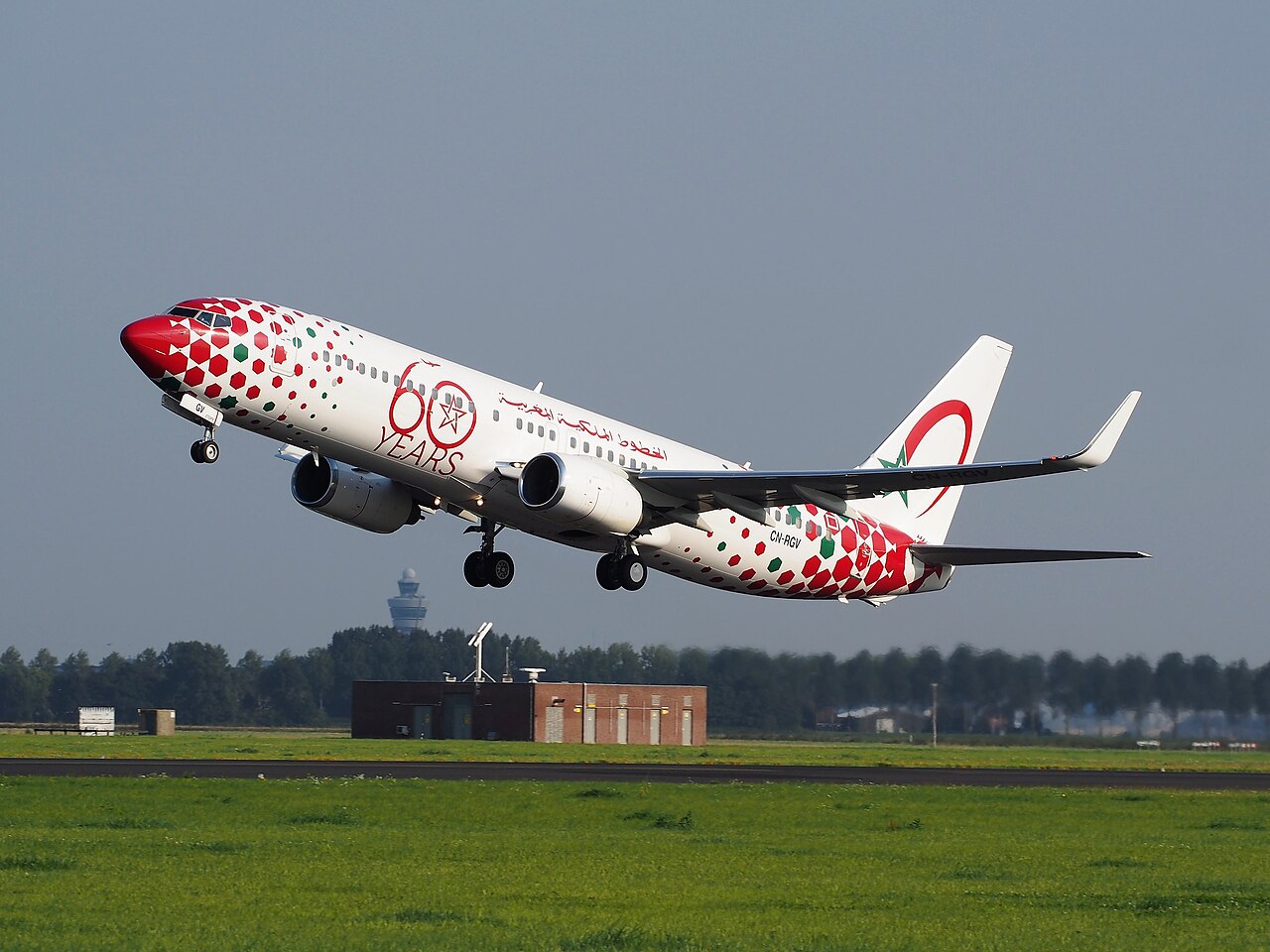
Image Credits: Wikimedia Commons (Public domain)
A nonstop flight is exactly what the name promises: the plane takes off from one airport and does not touch down again until the destination. A direct flight sounds like the same thing, but in airline language it is not. A direct flight is any flight with no change in flight number, and it may include one or more stops at airports in between.
The confusion is understandable, because the two words mean nearly the same thing in everyday language. In aviation they describe two different products. Booking the wrong one can add hours to a trip you thought was simple.
This article explains what each term means, why airlines use them, how to spot the difference when booking, and what your rights are when plans change.
What is a nonstop flight?
A nonstop flight is a flight by an aircraft with no stops in between, as opposed to a direct flight, which may include one or more stops while keeping the same flight number, according to the aviation definitions documented on Wikipedia's non-stop flight entry.
Nonstop is the fastest option on any route where it exists. Since the late 2000s, longer-range aircraft have made ultra-long nonstops economically viable again after fuel prices killed many of them off in the 2008 era. American Airlines, for example, launched nonstop service from Phoenix to London on March 31, 2019, meaning the plane leaves Phoenix Sky Harbor and lands at Heathrow with nothing in between.
What is a direct flight?
A direct flight in the aviation industry is a flight between two airports with no change in flight number, but which may include stops at airports in between, per Wikipedia's direct flight entry. The stop can be for new passengers, for passengers getting off, or a technical stop for refueling.
Here is the part that surprises most travelers: on some airlines, a direct flight does not even guarantee the same aircraft. FlyerTalk discussions of United's practices note that direct flights there often involve a change of aircraft between segments while the flight number stays the same. So "direct" really means "one flight number," nothing more.
Outside the United States the wording flips. In most of the rest of the world, a direct flight means the same thing as a nonstop flight. The industry uses the term "thru flight" for the same-flight-number-with-a-stop concept, as aviation forum discussions on FlightAware explain.
A concrete example helps. Executive Traveller describes Singapore Airlines' Singapore to San Francisco services: the nonstop version flies an Airbus A350 from Changi and touches down only in San Francisco, while the direct version stops in Hong Kong en route, with both legs carrying the same SQ1 or SQ2 flight number.
As Executive Traveller puts it, "in airline-speak, a 'direct' flight can actually mean there's at least one stop-over along the way." That stop can add up to two hours to the total travel time.
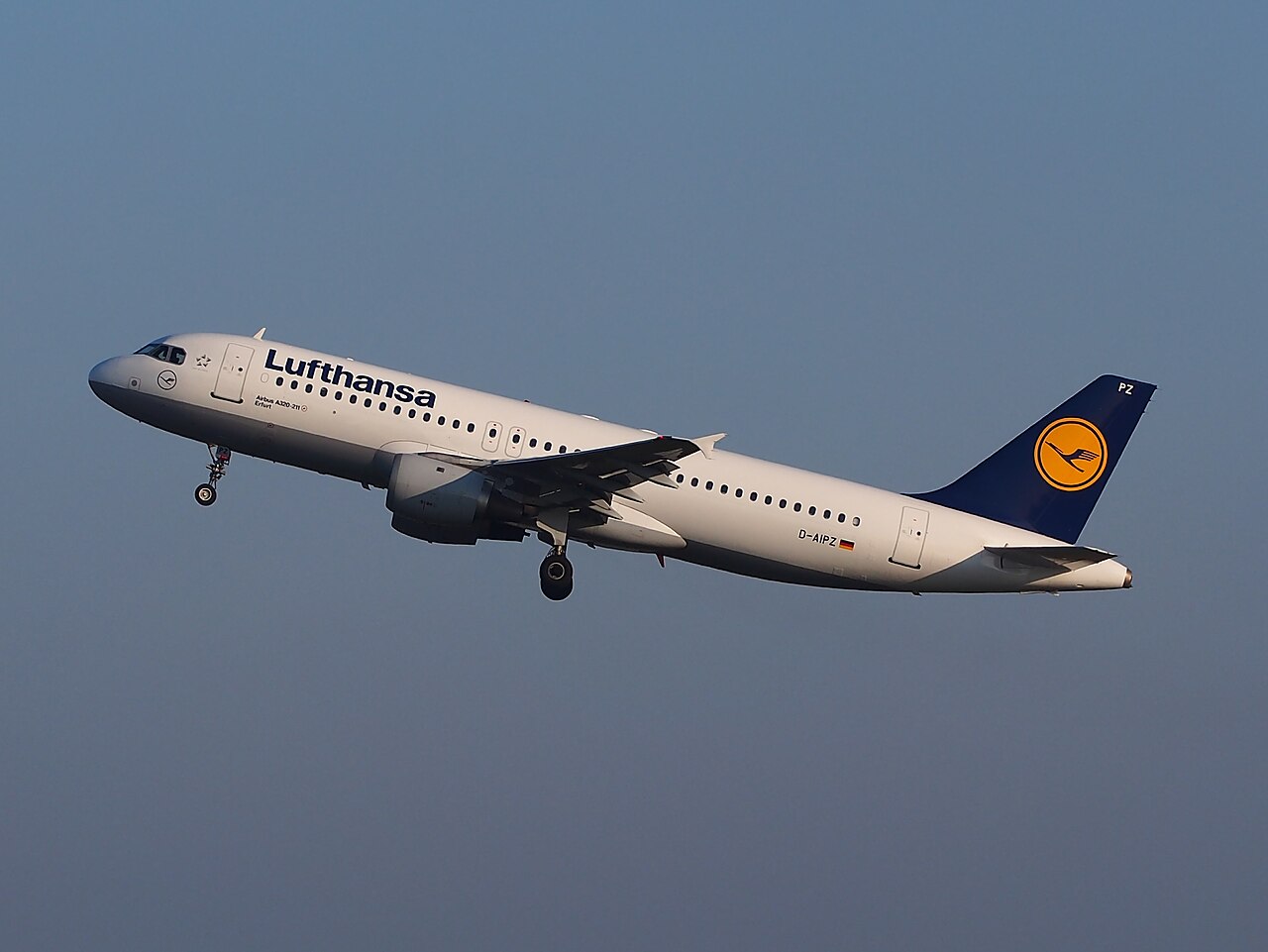
Image Credits: Wikimedia Commons (Public domain)
Why airlines sell direct flights
Direct flights exist largely because of how flight search results are displayed. Reservation systems historically listed direct flights ahead of connecting itineraries, so keeping one flight number across two segments gave an airline better placement on the screen. A famous case involved Delta flights from several US cities to London Gatwick that all routed through Atlanta under shared flight numbers, as documented in FlightAware forum archives.
There is a passenger convenience angle too. On a true direct flight with no aircraft change, through-passengers can stay in their seats during the stop while others board and deplane. And flight numbers are a finite resource, so one number covering two segments is efficient bookkeeping for the airline.
How to spot the difference when booking
Booking sites usually show the distinction, but quietly. Look for these signals:
- Trip duration. A nonstop and a direct flight on the same city pair will show very different total times. A two-hour gap almost always means a stop is hiding in the listing.
- The route map or segment details. Expand the flight details and look for an airport code in the middle. One code means nonstop; two segments under one flight number means direct.
- The "stops" filter. Most booking sites let you filter for nonstop only in one click, which is the fastest way to remove direct flights from the results.
- Aircraft type. If the equipment changes between segments but the flight number does not, you are looking at a direct flight with an aircraft swap, the least convenient version.
Travelers who want certainty should compare these details against what delay announcements at the gate really mean, since the same fine print habits apply to schedule changes.
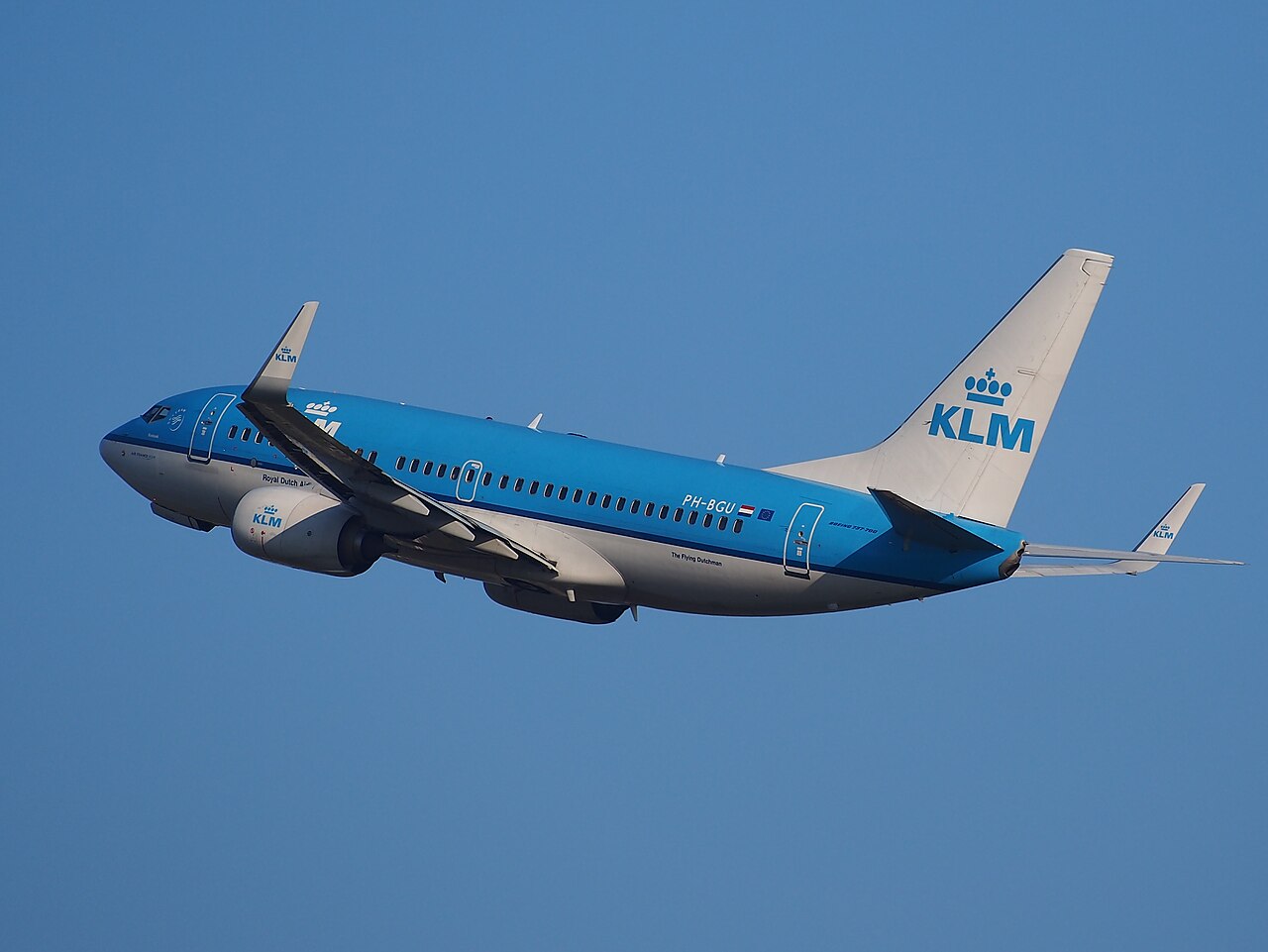
Image Credits: Wikimedia Commons (Public domain)
What happens when plans change
The flight type also changes how disruptions are handled. In the US, the Department of Transportation treats an itinerary that gains extra connection points as a significant change. That entitles the passenger to an automatic cash refund if they choose not to travel, according to AirHelp's summary of the DOT's automatic refund rule. The same rule covers domestic schedule shifts of more than three hours and international shifts of more than six hours, plus switches to a different airport.
On trips touching Europe, EU rule EC 261 can apply to departures from EU airports, or arrivals in the EU on EU airlines, with compensation up to about $650 when the delay is the airline's fault and arrival is three or more hours late. A direct flight with a stop counts as a single flight for these purposes. A connecting trip on one booking is judged on the final arrival delay across the whole journey. Separate tickets are the risky exception: with self-transfers, a missed connection is generally not the airline's problem, which is one more reason to understand exactly what kind of flight was booked.
If the trip involves a connection rather than a direct flight, it is worth knowing what happens to checked bags during a layover before choosing the cheaper itinerary.
Frequently asked questions
Is a direct flight faster than a connecting flight?
Usually, but not always. A direct flight avoids the terminal change and second boarding of a connection, yet the stop in the middle still adds ground time. Compare the total trip duration rather than the label; a short connection can beat a long direct stop.
Do I stay on the plane during a direct flight's stop?
Often yes, when the aircraft does not change. Through-passengers typically remain seated while the plane is serviced and new passengers board. If the airline swaps aircraft under the same flight number, though, everyone deplanes and reboards.
Why would anyone choose a direct flight over a nonstop?
Price and availability. Direct flights can be cheaper than nonstops on the same route, and on some city pairs no nonstop exists at all. The trade is time: the stop is real even if the flight number never changes.
The bottom line
Nonstop means no stops, full stop. Direct means one flight number, stops allowed. The safest booking habit is to read the segment details and the total trip time instead of trusting the headline label, and to use the nonstop filter when time matters more than fare.
Topics: flights, airlines, booking, travel tips, layovers
Rive News's research desk writes evidence-based explainers from public records and reporting. It covers travel, cars, careers, and education.
Latest in Travel
- What turbulence is and why it is not dangerous: the injury data behind bumpy flights.
- The difference between a layover and a stopover: two more terms airlines mix up.
- What happens to your checked bag on a layover: where luggage goes between flights.
Get one clear explainer in your inbox every morning. Subscribe to the Rive News newsletter.
© 2026 Rive News. We correct errors promptly. Send corrections to the research desk; substantive updates get a new timestamp.
Related stories

The 3-1-1 liquids rule for planes: what each number means
TSA's 3-1-1 rule limits carry-on liquids to 3.4-ounce containers in one quart bag. Where the 2006 rule came from, what counts, and how to pa

Why Is Airplane Food So Bland at Altitude?
A 2010 Fraunhofer study found altitude cuts sweet and salty perception by up to 30 percent. Low humidity, cabin pressure, and noise all dull

Carry-on size limits: why airlines each set their own
Airlines set their own carry-on limits because the FAA only requires each carrier to have a policy, not one global size. Why 22 x 14 x 9 inc