
Dubai underground transport network puts city traffic below ground: Dubai Loop explained
Key takeaways
- Dubai is building an underground transport network called Dubai Loop.
- The first route will link DIFC and Dubai Mall with four stations.
- The full network could reach 19 stations and cost about $544 million.
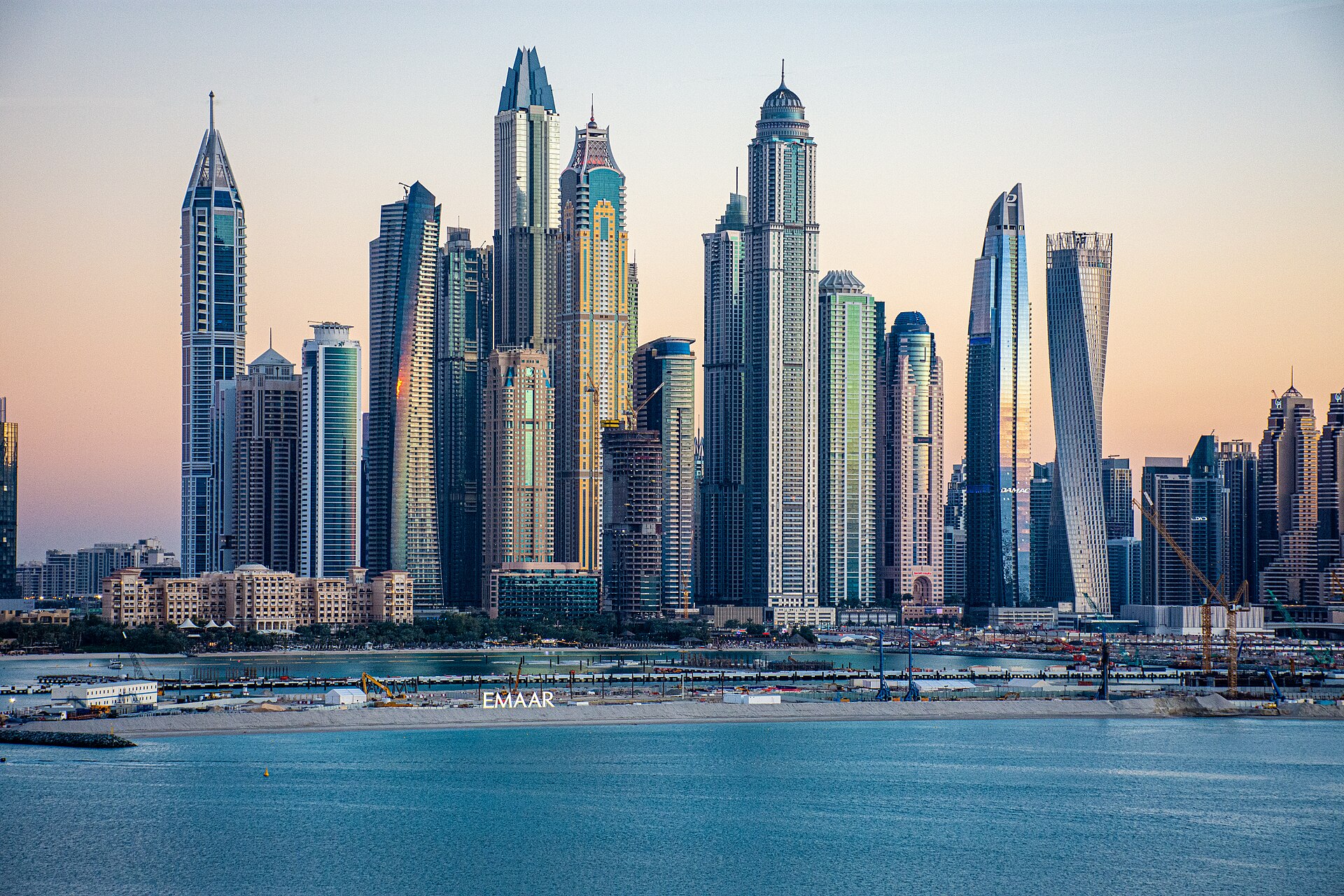
Dubai has unveiled plans for a new underground transport network. The National listed the plan in its October 14 round-up of top Middle East stories. The network is called Dubai Loop.
It will move people in electric vehicles through tunnels below the city.
What happened
The National published its daily round-up on October 14, 2026. It said Dubai had unveiled plans for a new underground transport network. The short item gave no new details about the plan. The plan behind the headline is Dubai Loop.
Reports from earlier this year give the full picture.
Dubai's Roads and Transport Authority, known as the RTA, is behind the project. Its partner is The Boring Company, a United States tunnelling firm. Gulf News reports that the firm was founded by Elon Musk.
The two sides signed a partnership in February 2026. They signed it during the World Governments Summit. Radio Shoma reports that Mattar Al Tayer signed for the RTA. James Fitzgerald signed for The Boring Company.
Al Tayer leads the RTA as Director General. Fitzgerald is the firm's Global Vice President of Business Development.
The deal did not come out of nowhere. The two sides ran a feasibility study first. A feasibility study is an early check.
It tests whether an idea can work in real life. Gulf News reports that the study started in 2025. During the study, the RTA shared technical and environmental data. The Boring Company sent safety checks and design plans.
The February deal moved the idea from study to build.
So what is Dubai Loop? It is a tunnel network for passenger transport. Small electric vehicles will carry people through the tunnels.
The Boring Company describes it as an express public transport system. It works more like an underground highway than a subway. Each vehicle goes straight to its destination.
It makes no intermediate stops on the way. That is the key difference from a metro train. A metro train stops at each station on its line.
A Loop vehicle skips those stops. The company says this keeps trips fast and direct. It has built a similar system in Las Vegas, according to Caliber.
Az. Dubai will be its first such project outside the United States.
The first phase is a pilot route. A pilot is a small test version. It will run for 6.4 km.
It will have four stations. It will link the Dubai International Financial Centre and Dubai Mall. The Dubai International Financial Centre is known as DIFC.
It is a hub of offices and banks. Dubai Mall is one of the world's largest shopping centres. The pilot is expected to cost about AED565 million.
That is about $154 million. It could be done within one year. That one-year clock starts after design work and prep work finish.
The full network is much bigger. It could reach up to 22.2 km. It could have 19 stations.
It would connect Dubai World Trade Centre and the financial district with Business Bay. The full build is estimated at about AED2 billion. That is about $544 million.
Building it could take about three years. The tunnels will be 3.6 metres wide. They are built for vehicles, not for big trains.
The RTA says the pilot could serve about 13,000 passengers a day. The full network could serve about 30,000 passengers a day.
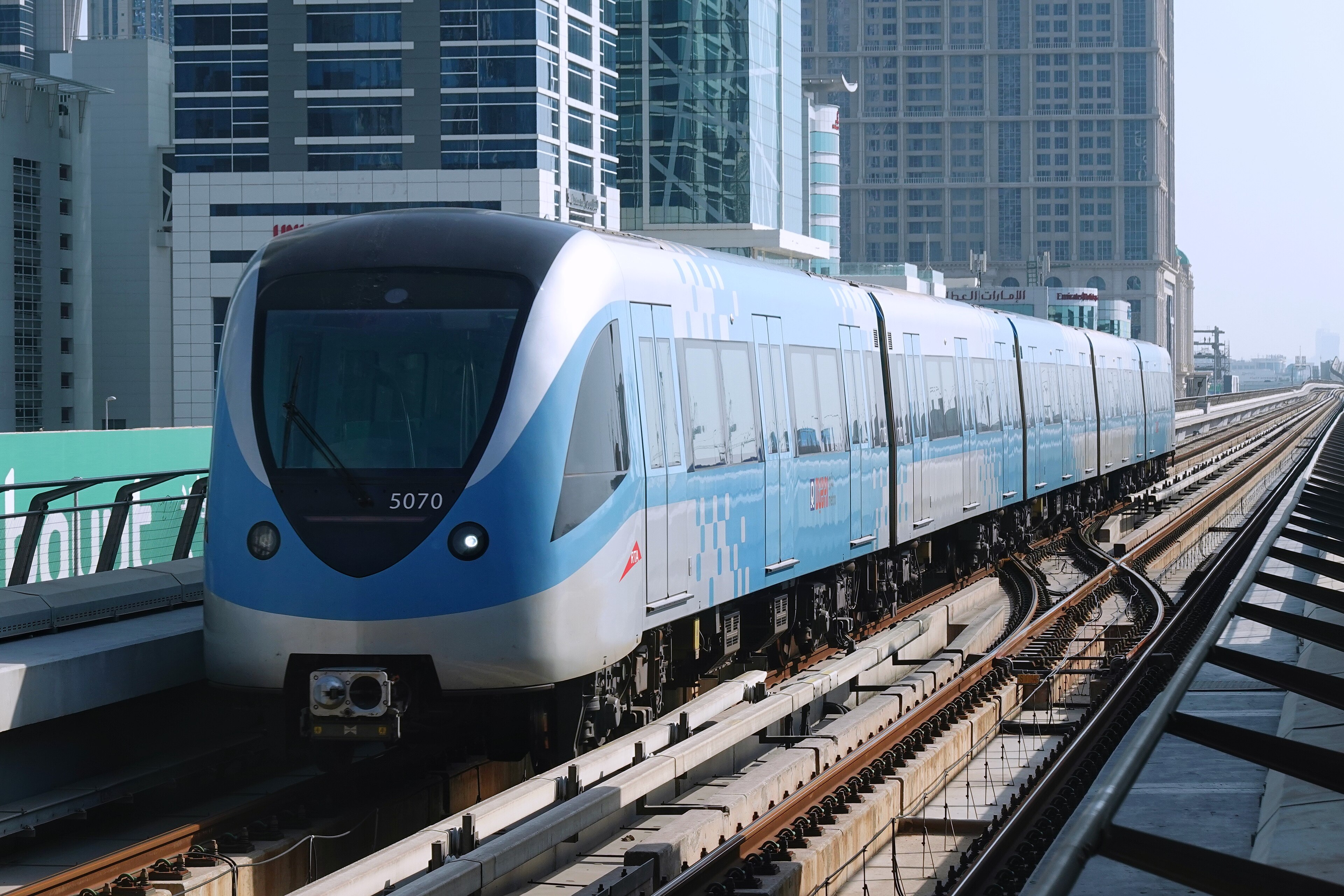
Why it matters
Dubai's busiest districts are packed. Offices, shops, hotels, and homes sit close together. Roads in these areas fill up fast.
DIFC and the Dubai Mall area are a clear case. Workers, shoppers, and tourists all travel there each day. A tunnel network adds a new layer below the streets.
It moves people without taking road space. That is the core idea behind the plan.
The plan also fills a gap in city travel. Many trips have a short start and a short end. A person may need to reach a metro station.
Then they need to reach their office from the next station. These short legs are called first- and last-mile trips. They are often the hardest part of a journey.
Dubai Loop aims to serve those short legs. Al Tayer said the project would link different modes of transport. It would give people flexible first- and last-mile options.
In plain words, it helps people finish the whole trip.
Capacity is the next reason it matters. The pilot could carry about 13,000 people a day. The full network could carry about 30,000 people a day.
Those are real numbers for a small system. They will not replace the metro. They add a new option for short, busy routes.
For daily commuters, that could mean fewer cars on the road. For the city, it could mean less pressure on packed roads.
Visitors will feel the change too. Dubai draws millions of tourists each year. Many stay in or near the DIFC and Downtown areas.
A tunnel link between DIFC and Dubai Mall would serve those visitors directly. It would help them reach shops, offices, and hotels with less road traffic. Travellers who fly in can also plan around the change.
Our guide explains how jet lag works scientifically for long flights. If you pass through the city, learn the difference between a layover and a stopover. Use your phone on arrival?
See how to avoid roaming charges without buying a local SIM.
What happens next
Work on the ground is already moving. On September 29, 2026, Sheikh Hamdan met with Steve Davis. Sheikh Hamdan bin Mohammed bin Rashid Al Maktoum is the Crown Prince of Dubai.
Davis is the President of The Boring Company. They met at Sheikh Hamdan's office in Dubai. They reviewed progress on Dubai Loop.
Senior officials from the RTA and The Boring Company joined the meeting. Arabian Business reports that the meeting looked at the latest progress. It also looked at joint work between Dubai and the firm.
Two workstreams are now in progress. A workstream is a strand of work. The first is the assembly of the tunnel boring machine.
A tunnel boring machine is a large machine that digs tunnels. The second is the casting of concrete tunnel-lining segments. These are ready-made concrete rings.
They line the tunnel walls and hold them in place. Gulf News reports that the first phase will need about 25,000 of these segments. Each one weighs about 4,000 pounds.
These steps show that the project has moved past paper plans. Parts for the real tunnels are now being built.
Paperwork comes next. The Boring Company and the RTA must finalise the design. They must also seek about 48 permits and No Objection Certificates.
These will come from about 10 entities. A No Objection Certificate is a formal okay from an authority. Gulf News reports the stated goal.
It is to begin tunnelling in the second half of 2026. That is a tight window. Permits, design work, and machine assembly must all line up. If they do, digging could start this year.
If they slip, the start could move later. The reports we checked did not give fare details. They did not give exact station sites.
They did not give a firm opening date.
For now, the timeline stands as follows. The pilot could take about one year after design and prep work end. The full network could take about three years to build.
The next sign to watch is the start of tunnelling. The next sign after that is the first station work. Each step will show whether the plan is on track.
Dubai has put its underground network back in the headlines. Now the digging must catch up with the words.
Related stories

The 3-1-1 liquids rule for planes: what each number means
TSA's 3-1-1 rule limits carry-on liquids to 3.4-ounce containers in one quart bag. Where the 2006 rule came from, what counts, and how

Why Is Airplane Food So Bland at Altitude?
A 2010 Fraunhofer study found altitude cuts sweet and salty perception by up to 30 percent. Low humidity, cabin pressure, and noise all

Carry-on size limits: why airlines each set their own
Airlines set their own carry-on limits because the FAA only requires each carrier to have a policy, not one global size. Why 22 x 14 x