
Why Taxi Drivers Refuse Short Rides: The Fare Math
Key takeaways
- At airports, taxis are assigned first-come, first-served, so a driver who waited an hour loses that wait on a short fare and rejoins the back of the line.
- A driver's real earnings come from trips per hour minus costs, not the size of one fare: waiting time and empty return trips eat the profit.
- Research shows profit margins run roughly 30% lower on congested roads, which is why short hops into traffic get refused most.
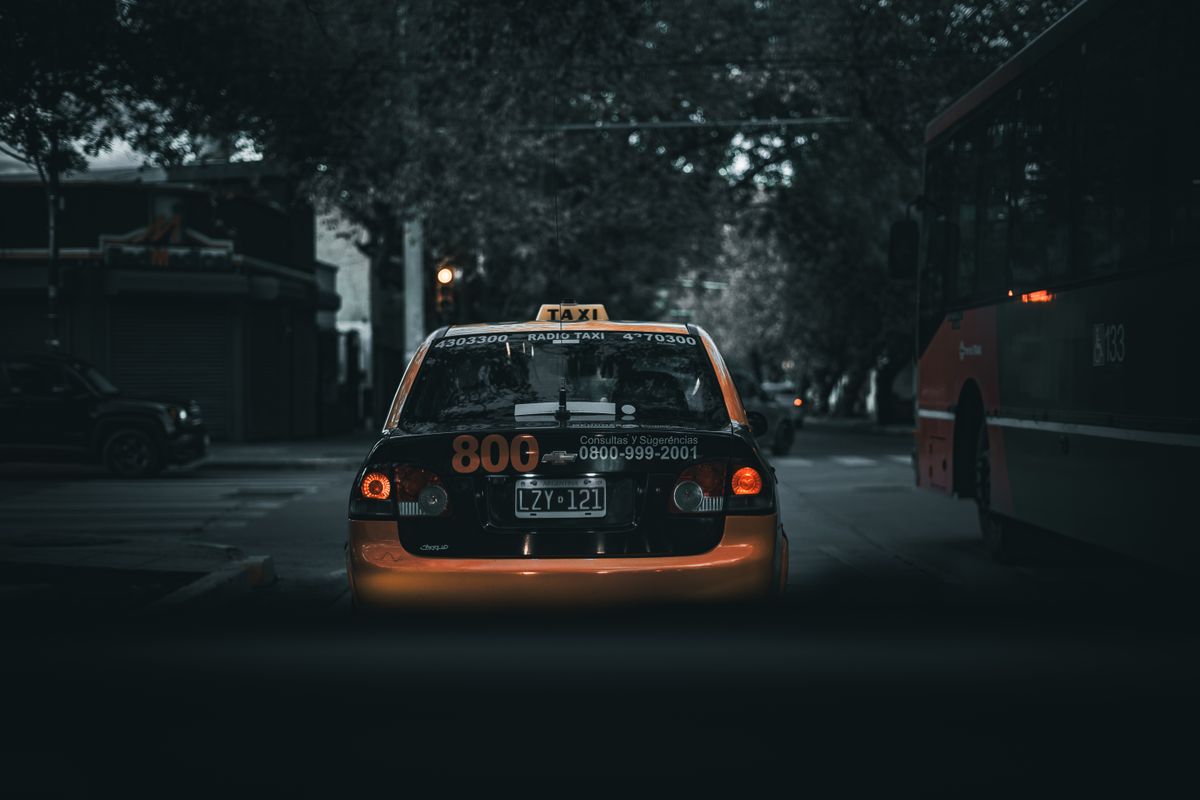
You land, join the taxi line, reach the front, and the driver asks where you are going. Your hotel is ten minutes away.
The driver's face falls, and suddenly the cab is "unavailable."
It feels personal. It is not. It is arithmetic.
Taxi drivers do not earn money per passenger. They earn money per hour, after fuel, maintenance, insurance, licensing, and the unpaid time they spend waiting. A short ride can be the worst deal in their working day, and understanding why makes the refusal predictable rather than insulting.
This article breaks down the fare economics behind the refusal: the airport queue trap, the hidden costs of every trip, and what the research says about when short rides actually pay.
The airport queue trap
At most airports, taxis are allocated strictly first-come, first-served. Drivers line up in a holding area, sometimes for an hour or more, and take passengers in order.
The wait is unpaid. The only payoff is the fare at the front of the line.
Now imagine the economics from the driver's seat. After a long unpaid wait, a short fare pays a small amount and, crucially, dumps the driver back at the start of the system.
Many airports require the taxi to rejoin the back of the queue after dropping off nearby, which means another long unpaid wait for the next fare.
The opportunity cost of that short trip is not just the fuel for ten minutes. It is the big airport fare to the far side of the city that the driver forfeited by leaving the queue.
This is why refusals cluster at airports and why drivers ask your destination before you get in.
They are doing instant expected-value math: the fare on the meter versus the hours of unpaid waiting it will cost them to earn another one. A long fare justifies the wait. A short one does not.
What a driver actually earns per hour
The second piece of the math is that drivers think in trips per hour, not fare per trip. As Malaysia's Gig Economy Council deputy chairman Tengku Azman explained in 2026, a driver's earnings are not determined solely by the fare for one trip, but by how many bookings they receive, how long they wait, and how much they spend. His example: a driver earning RM15 per trip can take home less in a day than a driver earning RM10 per trip who completes far more bookings.
Every trip carries costs beyond fuel.
UK industry analysis from Taxi-Point lists the full load: insurance, vehicle finance, servicing, tires, cleaning, licensing fees, card charges, and vehicle replacement, all of which must be recovered from completed journeys. Drivers also absorb unpaid time, waiting without a passenger, crawling through traffic, and returning empty after a drop-off in a dead zone.
When regulated tariffs stay frozen while costs rise, the meter does not absorb the difference. The driver does.
Short rides concentrate all of these costs into the smallest revenue. The pickup time, the loading, the traffic lights, and the likely empty return are nearly the same as for a longer trip, but the fare is a fraction. That is the core of the refusal.
What the research says about short trips
The data adds an interesting twist.
A 2018 study in PLOS ONE by Hu and colleagues, analyzing taxi profit margins, found that profit margins are generally higher for short trips than for long trips, because long trips burn more fuel and time per unit of fare.
So short rides are not inherently unprofitable. Context decides.
The same study found that margins on non-congested roads run roughly 1.3 times higher than on congested roads, and that low profitability on congested roads pushes some drivers to refuse passengers there.
A short ride through gridlock is the worst of both worlds: small fare, slow meter, high fuel burn, and a likely empty crawl back. A short ride on open roads at a quiet hour is fine, which matches what drivers actually do.
Refusals spike at rush hour, near airports, and in traffic-choked downtowns, exactly where the math turns against the driver.
Is refusing legal, and what can you do
In most regulated markets, refusing a fare is against the rules. Licensed taxi drivers are generally required to take any passenger to any destination within their operating area, and cherry-picking destinations can draw fines or license points. Enforcement is patchy, though, especially at chaotic airport ranks and late at night, which is why the practice persists.
As a traveler, a few things help. At airports, look for a short-trip or local queue if one is signed; some airports run separate lines precisely to fix this problem.
Ride-hailing apps reduce the issue because the driver accepts the trip, with the destination often hidden until pickup, and cancellation penalties apply. If a street-hailed driver refuses, note the cab number and report it to the local licensing authority.
And if your ride really is two minutes away, consider whether you need the cab at all: the driver's math and yours finally agree.
Frequently asked questions
Why do drivers ask my destination before I get in?
To run the expected-value calculation: fare size, traffic, and the chance of finding a return passenger. At airport queues they are specifically weighing your fare against the unpaid wait they are giving up.
Are short rides actually unprofitable for drivers?
Not always. Research shows short trips can carry higher margins than long ones when roads are clear. The problem cases are short rides after long unpaid waits, like airport queues, and short rides into heavy congestion with an empty return.
Do ride-hailing apps have the same problem?
Less so. The platform assigns trips, hides destinations until acceptance in many markets, and penalizes cancellations, which removes most of the cherry-picking incentive. Surge pricing also redirects drivers toward high-demand zones automatically.
What should I do if a taxi refuses me?
Stay calm, take the cab's license number, and report it. Most cities have a taxi licensing office or hotline, and refusals are a citable offense in regulated markets. Then try the next cab or an app.
The bottom line
Nobody likes being refused, but the driver is not judging your destination. They are protecting an hourly wage against unpaid queues, fixed costs, and traffic that eats fares alive. Short rides pay when the system is fluid and punish when it is not, so the refusal tells you less about the driver and more about the broken economics of the rank you are standing in.
Image Credits: Pexels / Nano Erdozain; Renee Razumov
Latest in Travel
- Why airport codes look nothing like their city names
- Why you have to put your seat upright for landing
- Why planes fly at 35,000 feet
- Why some hotel rooms have two beds pushed together
Subscribe for one plain-English travel explainer like this every morning.
Related stories

The 3-1-1 liquids rule for planes: what each number means
TSA's 3-1-1 rule limits carry-on liquids to 3.4-ounce containers in one quart bag. Where the 2006 rule came from, what counts, and how
Why Is Airplane Food So Bland at Altitude?
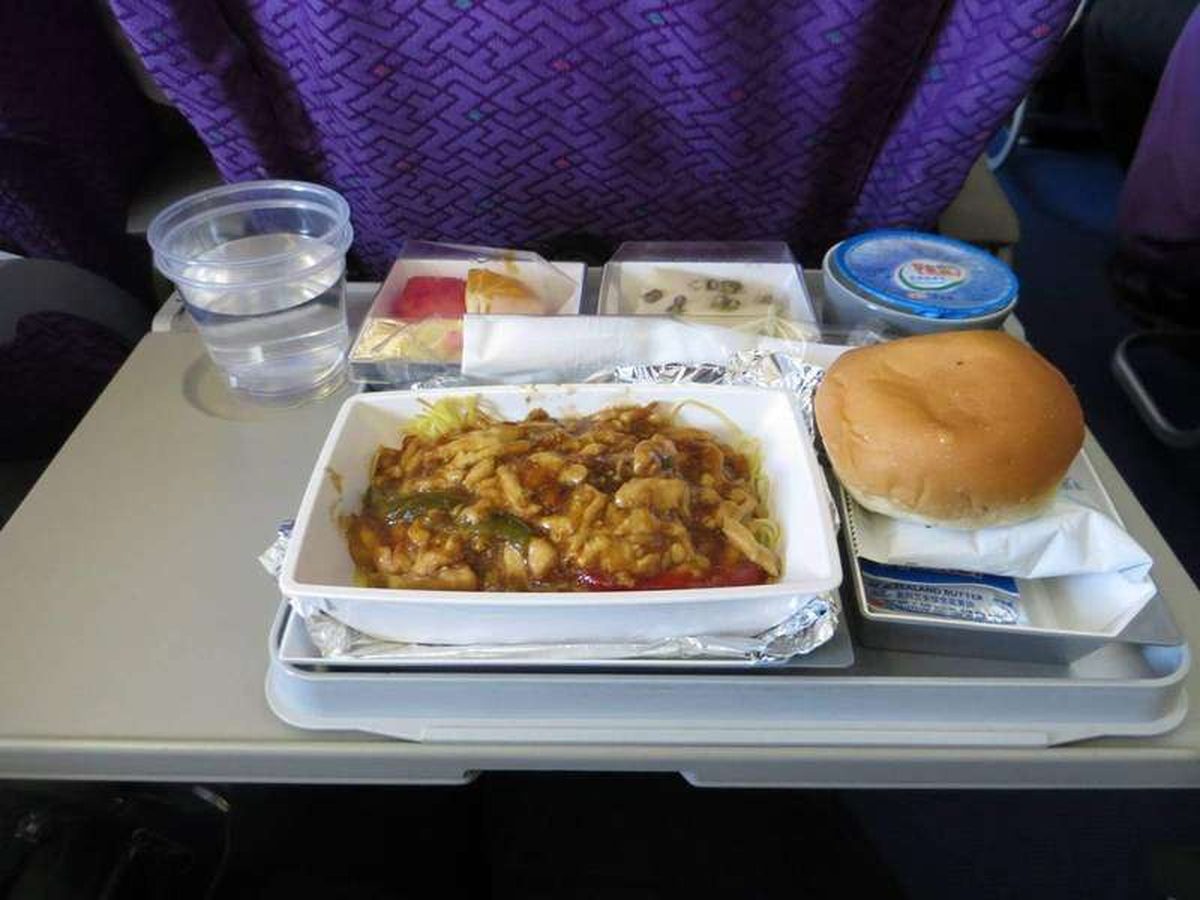
A 2010 Fraunhofer study found altitude cuts sweet and salty perception by up to 30 percent. Low humidity, cabin pressure, and noise all
Carry-on size limits: why airlines each set their own
Airlines set their own carry-on limits because the FAA only requires each carrier to have a policy, not one global size. Why 22 x 14 x