
Why Do Brakes Squeak in the Morning? The Overnight Rust Story
Key takeaways
- Morning brake squeal is usually a thin film of surface rust on the cast-iron rotors, not worn pads.
- The rust layer is often less than a thousandth of an inch thick and forms in just a few hours overnight.
- The pads scrub it off in two or three stops; noise that lasts longer means something else.
Morning brake squeak is the high-pitched noise that greets many drivers on the first drive of the day. It shows up once or twice, then vanishes, and it usually means nothing is wrong with the car. This article explains what that squeak actually is, why brakes squeak in the morning as overnight moisture rusts rotors fast, when the sound is harmless and when it is not, and how to keep morning brakes quiet.
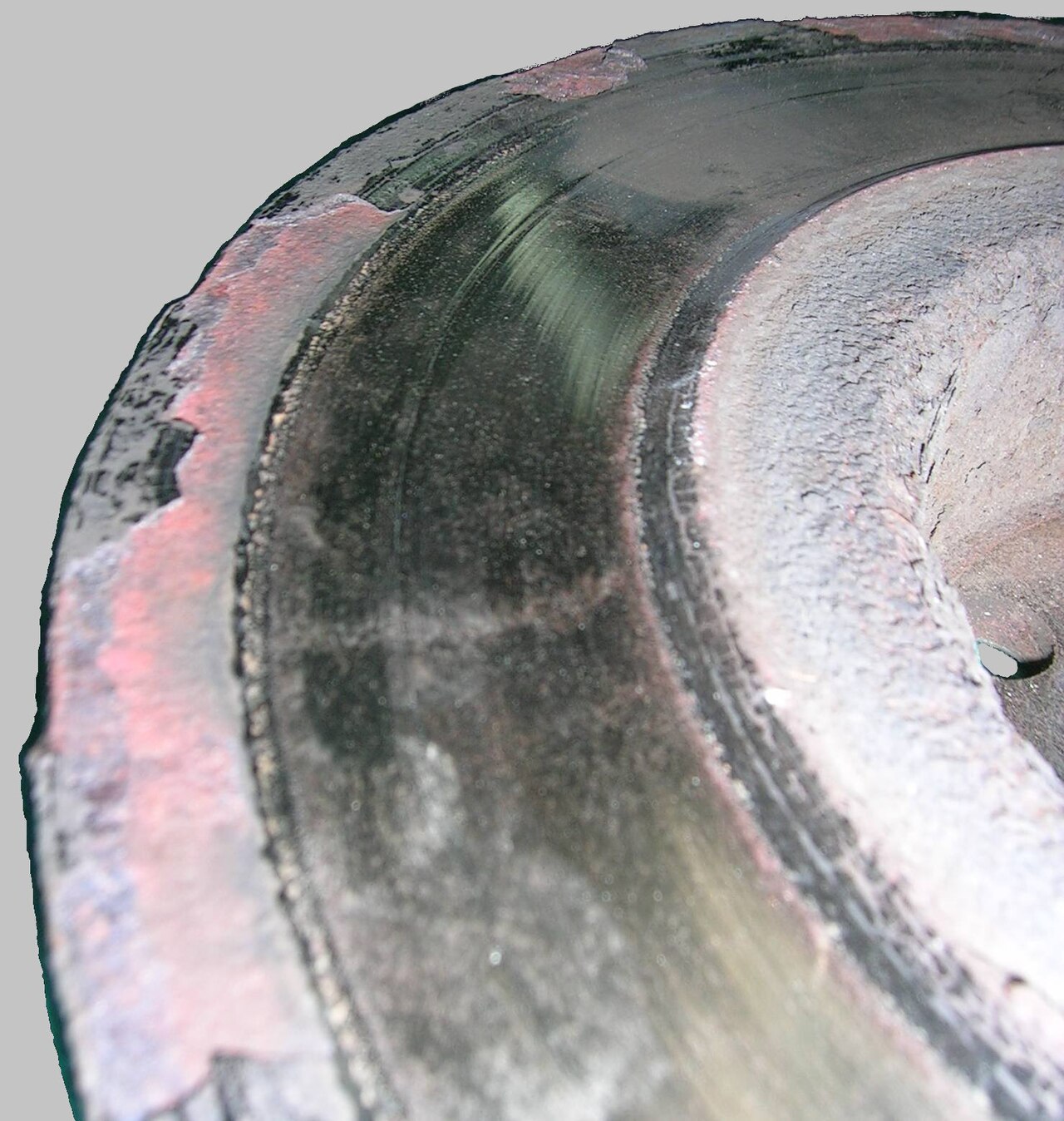
A rusted disc brake rotor. The orange-brown film is flash rust, which forms overnight on bare cast iron. Photograph: Maly LOLek
Image Credits: Wikimedia Commons / Maly LOLek
What the morning squeak actually is
The noise is the sound of brake pads scraping a rust film off the rotors. Brake rotors are made of cast iron, and their friction surfaces must stay bare metal to work properly. Unlike painted body panels, they carry no corrosion protection.
Overnight, humidity, dew, or rain settles on that bare metal. Water plus oxygen starts oxidation within hours, laying down a reddish-brown coat of iron oxide called flash rust, according to EngineerFix. It is superficial, not structural.
When you press the pedal for the first time, the pad meets that uneven oxide film instead of clean metal. The friction grabs, releases, and grabs again at high frequency, and the brake assembly amplifies those vibrations into the squeal you hear.
Why do brakes squeak in the morning: overnight moisture rusts rotors fast
Cast iron has a strong affinity for water, which is why the film can appear in as little as a few hours. The rust layer is extremely thin, often less than a thousandth of an inch, EngineerFix reports. That thinness is also why it disappears so quickly.
Think of the first two or three stops as the pads polishing the rotor. Each application scrapes the soft oxide away, and the friction heat drives off the remaining moisture. Once the contact surface is clean metal again, braking goes silent.
Conditions set the volume. High humidity, rain, parking near water, or cold nights all make the film thicker and the squeak louder. Garage parking, by contrast, can make the noise vanish entirely, because the rotors stay drier.
Cold mornings make the noise worse for a second reason. Low temperatures harden brake pad material slightly, so the pad scrapes the rust film with less give, according to EngineerFix. The combination of a thicker film and stiffer pads is why the squeal peaks on the coldest, dampest mornings of the year.
Note the weather pattern if you hear it. The squeal grows worse with high humidity, rain, or parking near water, and disappears on dry warm mornings. A noise that follows the weather is almost certainly surface rust, while a noise that ignores the weather deserves a look from a mechanic.
When a squeak is normal and when it is not
A short squeal on the first stops after the car has sat is harmless. CarCapsule's guide draws the line at about five stops: if the noise is gone by then, the cause was surface rust clearing off, not a mechanical problem.
Keep listening, though, because persistent noise tells a different story. A squeal that happens on every stop, a grinding sound, or a squeak paired with longer stopping distances points to worn pads, glazed rotors, or a sticking caliper. Metal-on-metal contact can damage rotors and cut braking ability within a few hundred miles.
Pad chemistry matters too. Semi-metallic pads and some ceramic compounds can squeal when cold even when they are in perfect shape. That is a normal trade-off for their stopping power, not a defect.
A brake vibration at idle versus smooth driving can also help you tell a rust squeak apart from a balance or wear problem.
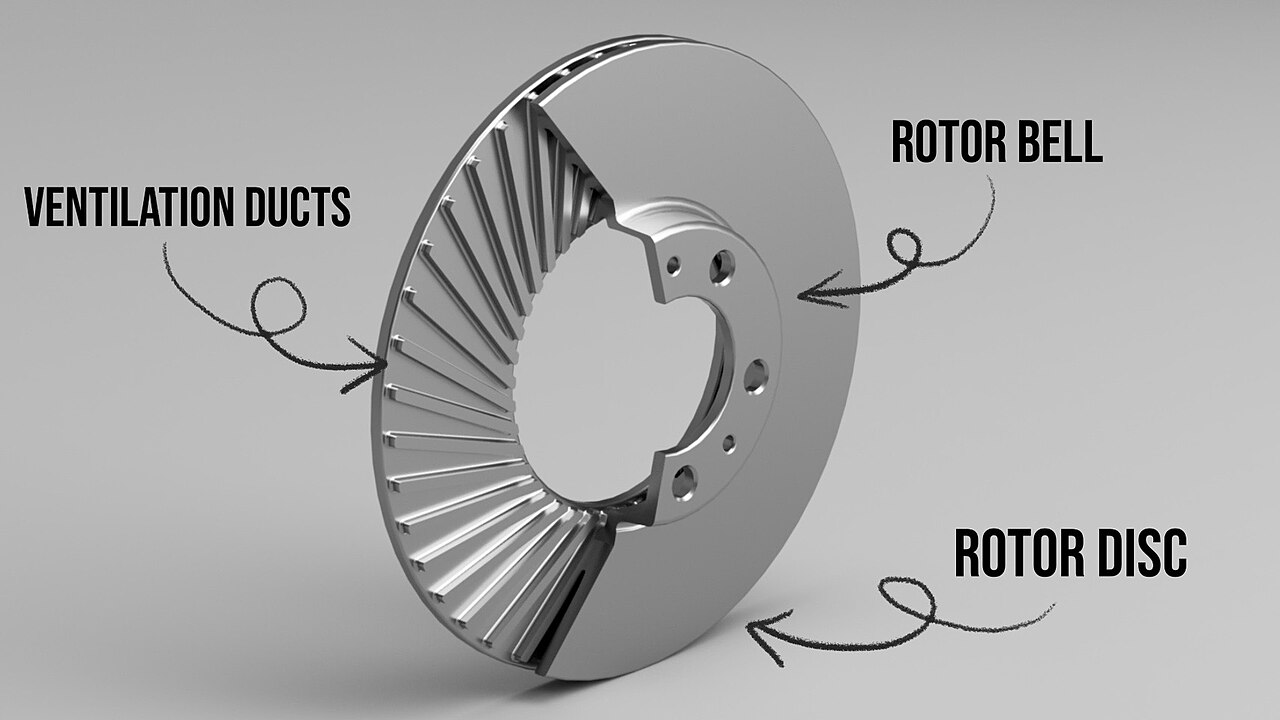
New brake rotor parts. Fresh rotors start with a clean friction surface before overnight moisture takes hold. Photograph: Atharv Chandel
Image Credits: Wikimedia Commons / Atharv Chandel
How to keep morning brakes quiet
You cannot stop cast iron from rusting, but you can slow the film down. Park in a garage or under cover when you can, and avoid long sits in open rain.
Choose pad compounds for your use case. Organic pads run quieter and are gentler on rotors, making them a good fit for a daily driver, according to CarCapsule. Semi-metallic pads stop harder but often chirp when cold.
New pads need bedding-in, which is the procedure of transferring an even layer of pad material onto the rotor. Expect some noise until the two surfaces mate properly; it fades as the transfer layer builds.
Road dust is another quiet contributor. Fine brake dust from normal pad and rotor wear can settle between the friction surfaces and amplify small vibrations until repeated braking or a thorough cleaning clears it, according to EngineerFix. A rinse of the wheels during regular washes keeps that abrasive dust from building up.
Maintenance habits help as well. Ask for slide pins and contact points to be cleaned and re-lubricated at pad changes. Skipped on roughly half of quick-service brake jobs, per CarCapsule, this five-minute step prevents the caliper drag that causes noise and faster wear.
Does a squeak mean my brakes are unsafe?
A brief squeal on the first stop after rain or an overnight park is harmless surface rust clearing off. It becomes a safety question when the noise is consistent on every stop. Trust the five-stop test, and have a mechanic look if the squeak outlasts it.
How many stops should it take for the squeak to clear?
Two or three light applications usually polish the rotor clean, according to EngineerFix. CarCapsule puts the boundary around five stops.
Why is the squeak louder when backing out of the driveway?
The first morning application often happens at low speed in reverse. The direction change alters how the pad meets the rotor, which can amplify the high-pitched noise, according to EngineerFix.
Should I replace pads because of morning squeak?
No, not for the squeak alone. Replace pads when friction material is worn thin, when you hear grinding, or when stopping distances grow. The morning squeak is an environmental noise, not a wear signal.
The bottom line
Morning brake squeak is almost always a thin film of flash rust on bare cast-iron rotors, and the pads clean it off in the first few stops. Let it clear, note the conditions, and only investigate further if the noise survives the first five stops.
Latest in Automotive
- How to Check Transmission Fluid on a Dipstick
- Why Your Car Vibrates at Idle but Drives Smooth
- How to Check If a Used Car Has Had an Accident
Subscribe for weekly car-maintenance explainers in plain language.
Related stories

Why Does Tire Pressure Drop in Cold Weather?
Cold weather can cut tire pressure by 1 psi for every 10°F drop, thanks to the ideal gas law. Here is what happens inside the tire and what
Why Do Brake Rotors Warp, or Do They Actually?
Mechanics rarely see a truly warped rotor. The shudder usually comes from uneven pad deposits a few thousandths of an inch thick. Here

How to Buy a Used Car Without Getting Scammed: The Checklist
Over 450,000 cars a year have rolled-back odometers, NHTSA says. This checklist covers VIN checks, title washing, and the inspection that