
Why Does My Car Vibrate at Idle but Smooth Out When Driving?
Key takeaways
- At idle the engine spins slowest. That is when misfires, worn mounts, and vacuum leaks show up as shaking.
- Driving raises RPM and load. That can hide small misfires and steady a loose engine.
- Start with a code scan and spark plug check. Mounts, injectors, and vacuum leaks come next.
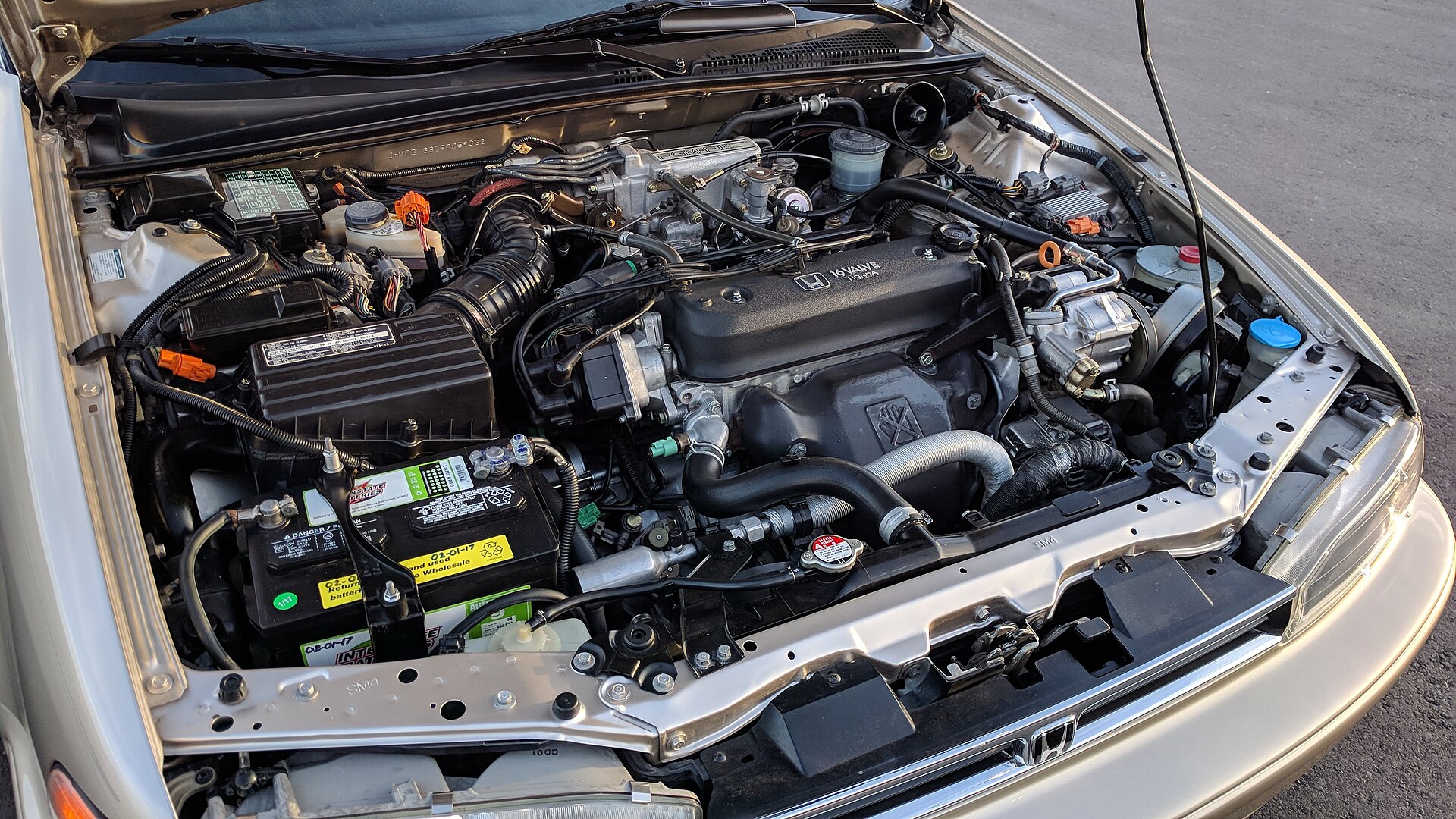
What is idle vibration?
Your engine should sit fairly still at a red light. A small tremor is normal. A running engine always moves a bit.
Strong, new, or worsening shaking is not normal. The pattern in the headline is a classic clue: the car shudders at idle but feels fine once you are rolling.
This article explains why that pattern happens. It covers the physics that hides the problem at speed, the most common causes in checking order, how a mechanic narrows it down, and the bottom line on what to do next.
Why the shake shows up at idle, then fades
At idle, the engine turns at its slowest. That is often 600 to 900 revolutions per minute (RPM), with almost no load. Every small fault shows. One cylinder misfiring is one lost power stroke out of a small total. So the engine rocks in a clear way.
A vacuum leak steals a larger share of a small air supply. (A vacuum leak is a crack or gap that lets extra air into the engine.) A worn mount has little spinning energy to work against. So the engine's movement transfers straight into the cabin (the inside of the car).
Driving changes the math. Higher RPM means more power strokes per second. So one weak cylinder matters less. Load from the transmission steadies the engine against its mounts.
Small faults get drowned out by the normal noise of driving. The problem did not go away. It got masked (hidden).
That is why mechanics take idle shaking seriously even when the car "drives fine."
The most common causes, in diagnostic order
Worn spark plugs and ignition coils. A misfire happens when one or more cylinders fail to fire right. Worn plugs or failing coils are the usual suspects, according to David's Repair. The shake often comes with a flashing or steady check engine light, worse fuel economy, or a stumble on light acceleration. Mechanics check these first because the fix is quick and cheap. One Gumtree mechanic advises checking plugs, coils, and leads before anything else.
Worn engine or transmission mounts. Mounts are rubber-and-metal blocks. They hold the engine and soak up its movement. When they crack or collapse, normal engine motion reaches the cabin. You feel it through the seat, steering wheel, or floor while stopped. David's Repair notes that turning on the AC adds engine load. That often makes mount-related shaking worse. A visual check can reveal cracked or sagging rubber.
Vacuum leaks. Cracked hoses or gaskets let unmeasured air into the engine. That upsets the air-fuel mixture. Idle is where the mixture is most sensitive. So a leak that is invisible at speed causes a rough, hunting idle (an idle that rises and falls). Shops find these with a smoke test. Harmless smoke is fed into the intake. It pours out wherever air is leaking in.
Dirty throttle body, MAF sensor, or idle air control valve. Carbon buildup on the throttle body or a dirty mass airflow sensor confuses the computer about how much air is entering. The idle air control valve measures air at idle. If it sticks, the idle goes rough. Cleaning these parts often fixes the issue without replacing anything.
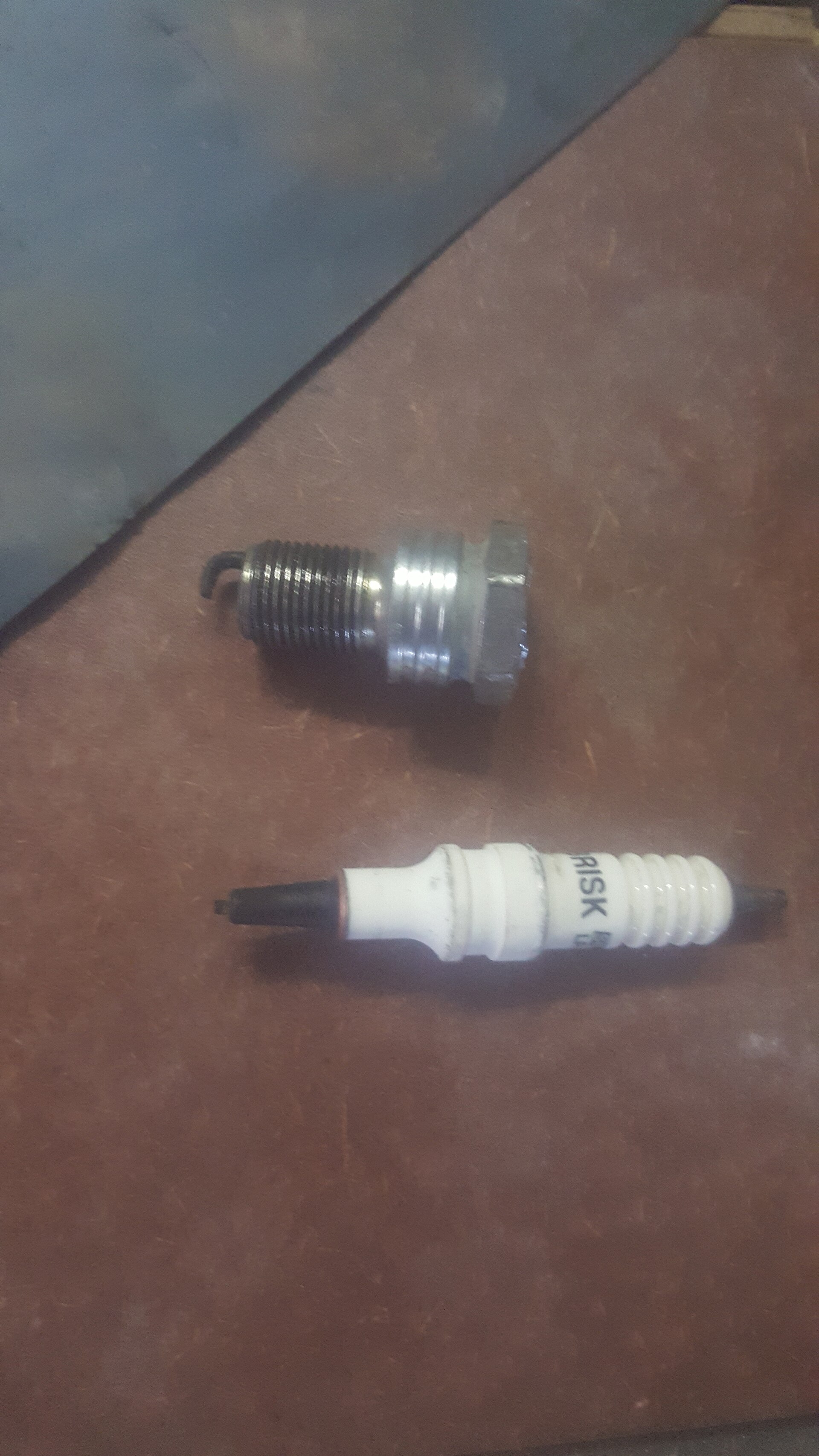
Fuel delivery problems. Clogged fuel injectors or a weak fuel pump can starve the engine at low speeds while keeping up fine under throttle, per Autocornerd's rundown of 11 potential causes. A clogged engine air filter does the same from the air side. Blocked airflow drags the idle down until it shakes.
How a mechanic narrows it down
Good diagnosis follows the symptom, not the parts catalog. As Motorist Malaysia puts it, vibration diagnosis starts with three questions: where do you feel it, at what speed, and what are you doing at the time. Shaking felt in the steering wheel at idle points away from wheels and brakes. It points toward the engine.
The practical order most shops use: scan for trouble codes first, even if the check engine light is off. Pending codes can reveal misfires that come and go. Then a visual check of mounts, plugs, and hoses.
Then targeted tests: a smoke test for vacuum leaks, fuel pressure measurement, and injector cleaning or testing. Autocornerd recommends the same order. It adds that brake cleaner sprayed near suspect hoses can reveal a vacuum leak when the idle briefly changes.
If your car also hesitates when you press the gas, read why a car hesitates when accelerating from a stop. For the related warning light, see why the check engine light comes on by itself.
Frequently asked questions
Why does the shaking get worse when the AC is on?
The air conditioner adds load to the engine. A healthy engine absorbs it. A misfiring engine, or one sitting on worn mounts, cannot. So the vibration you already had becomes obvious. Mechanics use this as a diagnostic clue.
Is it safe to keep driving with idle vibration?
Short trips to a shop are usually fine. But do not ignore it for weeks. Ongoing misfires can overheat and damage the catalytic converter. That turns a cheap plug replacement into a costly repair. If the check engine light flashes, get it checked promptly.
Can bad fuel cause idle vibration?
Yes. Dirty or wrong-octane fuel can cause uneven burning that shows up most at idle. (Octane is a rating of the fuel's grade.) If the shaking started right after a fill-up at an unfamiliar station, fuel quality is worth suspecting.
Why doesn't the check engine light come on?
Not every fault trips the light right away. Worn mounts never will. They are mechanical, not electronic. Misfires that come and go may store pending codes without lighting the dash. That is why a code scan is still step one.
The bottom line
A car that shakes at idle but smooths out while driving is telling you something small is wrong at low RPM. Usually it is a misfire, a tired mount, or an air leak. The fix is rarely a mystery. The diagnostic order is well set: codes, plugs, mounts, then air and fuel.
Start there, and you will find the cause before it finds your wallet. If the steering wheel shakes at higher speeds instead, the culprit is different. See what a shaking steering wheel means.
---
Rive News is the research desk behind this publication's explainers. It covers how consumer technology works, with every claim traced to a named public source.
Latest in auto
- Why does a car hesitate when accelerating from a stop?
- Why does the check engine light come on by itself?
- What does a shaking steering wheel mean?
- Why does my car shake when braking at high speed?
Subscribe for one practical auto explainer like this every morning.
Standards: every statistic above carries in-text attribution; corrections are published with an update timestamp. All images are freely licensed; see the asset manifest for credits.
Related stories

Why Does Tire Pressure Drop in Cold Weather?
Cold weather can cut tire pressure by 1 psi for every 10°F drop, thanks to the ideal gas law. Here is what happens inside the tire and what

Why Do Brake Rotors Warp, or Do They Actually?
Mechanics rarely see a truly warped rotor. The shudder usually comes from uneven pad deposits a few thousandths of an inch thick. Here is th

How to Buy a Used Car Without Getting Scammed: The Checklist
Over 450,000 cars a year have rolled-back odometers, NHTSA says. This checklist covers VIN checks, title washing, and the inspection that ca