
Steering Wheel Shakes: What They Mean and How to Fix Them
Key takeaways
- A steering wheel that shakes at highway speed usually means the tires are out of balance, the cheapest and most common cause.
- Shaking that appears only when you brake points to warped brake rotors instead.
- Notice exactly when the shake happens before visiting a shop: the pattern is the diagnosis, and it saves you from paying for the wrong repair.

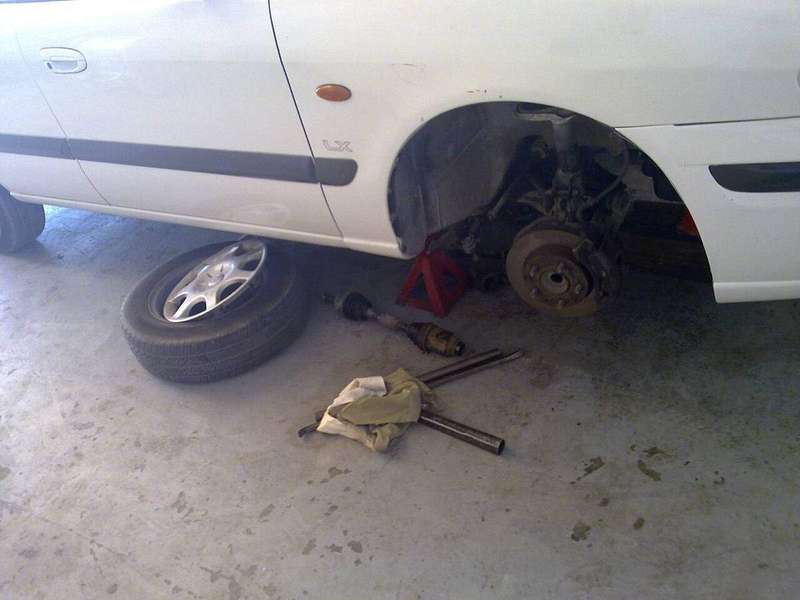
A shaking steering wheel is your car reporting a specific problem. When and where you feel the vibration is the fastest clue to which part is at fault. Photograph: Shixart1985/Wikimedia Commons
Image Credits: Wikimedia Commons
A shaking steering wheel means something in your car's rotating parts, the wheels, tires, brakes, or suspension, is no longer moving smoothly. At speed, even a small imbalance turns into a clear vibration because the forces grow as the wheels spin faster.
The good news is that the shake itself is a diagnostic tool. Mechanics ask three questions: where do you feel it, at what speed, and what are you doing when it happens? Your answers narrow a long list of causes down to one or two.
This article explains what a shaking steering wheel means, how to read the pattern of the shake, the most common causes, and what each fix typically costs.
What a shaking steering wheel means
In plain terms, it means an uneven force is traveling up the steering column to your hands. The usual suspects are parts that rotate: tires, wheels, and brake rotors (the discs the brakes squeeze). Suspension parts like tie rod ends, ball joints, and wheel bearings can also send vibration when they wear out.
The single most common cause is tire imbalance. When a tire and wheel are assembled, small weights are attached to even out weight differences around the rim. Those weights can fall off from normal driving, or the tire can wear unevenly, and the balance is lost.
TireGrades compares it to a washing machine with an uneven load: the faster it spins, the more it shakes. That is why a slightly imbalanced tire feels fine around town but starts buzzing at highway speed.
A shake is worth taking seriously even when it feels mild. Motoring Chronicle notes that several of these faults are safety-inspection failure points, so a vibration you ignore today can mean a failed test and a bigger bill later.
How to read the pattern
This is the part that saves you money. Each pattern points to a different system, and treating them as the same problem leads to replacing the wrong parts.
Shake at speed on a straight road, worse as you go faster. This is almost always a tire or wheel balance problem, according to Motoring Chronicle. The vibration often peaks between 50 and 70 mph and may even fade above that, because the wheel assembly hits a resonance peak (a speed where the vibration naturally gets louder) in that range.
Shake only when braking. That points to the brake discs rather than the tires. Warped or uneven rotors make the pads grip unevenly, and you will often feel a pulsing through the brake pedal at the same time.
Shake at low speed, or specifically when turning. That usually means a worn CV joint (a joint that lets the wheels turn while receiving power), a failing wheel bearing, or a tired suspension part. If the shake comes with a clicking or humming noise, mention it to the mechanic, because the sound narrows it further.
Steering wheel vs. seat. Your Motor Care offers a useful test: drive at a steady highway speed and notice where the vibration lives. If it is mostly in the steering wheel, the problem is in the front wheels. If you feel it more through the seat and floor, suspect the rears.
The most common causes
Unbalanced tires. The most frequent culprit and the cheapest fix. Imbalance develops from normal tread wear, a lost balancing weight, a dented rim, or a bulge in the tire, per TireGrades. A wheel balance at any tire shop takes 20 to 30 minutes and typically costs around £20 to £40, according to Motoring Chronicle. Balance tires in pairs rather than one wheel at a time.
Warped brake rotors. Rotors develop an uneven surface from wear and heat, so the pads cannot grip uniformly. The classic symptom is a shake that appears only under braking, especially at higher speeds. Replacing warped front discs typically runs £150 to £300, per Motoring Chronicle. If your car shakes specifically when braking at high speed, that article goes deeper.
A car disc brake: when the rotor surface becomes uneven from heat and wear, the pads grip inconsistently and the shake travels to the steering wheel under braking. Photograph: Irvin calicut/Wikimedia Commons
Image Credits: Wikimedia Commons
Worn suspension and steering parts. Tie rod ends, ball joints, and wheel bearings wear gradually, and the looseness shows up as vibration. These usually announce themselves at low speed or during turns rather than on the highway. A worn CV joint or wheel bearing typically costs £150 to £300 per side to fix.
Tire defects and damage. A tire with a separated belt, a sidewall bulge, or severe uneven wear can shake at speeds where balance alone would not explain it. This one deserves prompt attention, because a failing tire can come apart.
Bad wheel alignment. Alignment mostly causes pulling and uneven wear rather than shaking, but badly worn tires from neglected alignment will vibrate eventually. If the car also drifts to one side, read our guide on why a car pulls when braking.
What to do about it
Start with the cheapest check. If the shake matches the highway-speed pattern, get the wheels balanced first. It is the most likely cause and the lowest-cost fix, so it is always the right first step.
Check the simple things yourself before booking anything. Look for visible tire damage, check that lug nuts are tight, and confirm tire pressures are at the recommended levels. Uneven wear patterns on the tread tell their own story about alignment or balance problems.
Do not ignore a shake that is getting worse. Vibration speeds up wear on everything it touches: bearings, bushings, and tires all degrade faster when they are being rattled. What starts as a balance job can become a suspension job if you wait months.
Know when to stop driving. A sudden, severe vibration, a visibly wobbling wheel, grinding noises, or a burning smell means pulling over safely and calling for help rather than nursing the car home. If the brakes feel wrong at the same time, treat it as urgent: learn how to tell if brake pads need replacing before they fail completely.
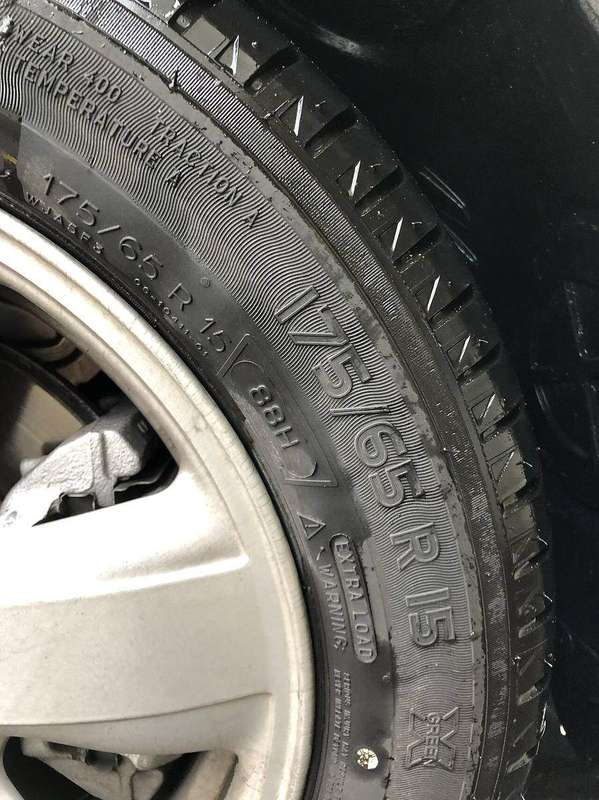
Close-up of a car tire: uneven tread wear, lost balancing weights, or a dented rim are the usual reasons a tire that was smooth last month starts shaking today. Photograph: Fastily/Wikimedia Commons
Image Credits: Wikimedia Commons
Frequently asked questions
Is it safe to drive with a shaking steering wheel?
A mild, steady vibration at highway speed is usually safe for a short trip to the shop, but it is not something to live with. Sudden or severe shaking, shaking combined with noises or smells, or any change in braking feel means stop driving and get help.
Why does my steering wheel shake at 60 mph but not at 40?
Tire and wheel assemblies hit a resonance peak, usually between 50 and 70 mph, where even a small imbalance gets amplified. Below that range the forces are too small to feel. This speed-specific pattern is the hallmark of a balance problem.
Can cold weather cause steering wheel vibration?
Temporary flat spots can form when tires sit overnight in the cold, causing a shake that fades as the tires warm up. If it persists after 15 minutes of driving, it is not the temperature. See our guide on why tire pressure drops in cold weather for the related pressure issue.
How often should wheels be balanced?
Most shops recommend balancing with every tire rotation, roughly every 5,000 to 8,000 miles, or whenever a vibration appears. It is cheap preventive maintenance compared with the uneven tire wear that imbalance causes.
The bottom line
A shaking steering wheel is almost always telling you one of three things: the tires need balancing, the brake rotors are uneven, or a suspension part is worn out. Match the pattern, check the cheap fix first, and do not let a small vibration become a big repair.
If the shake shows up mainly when you slow down, start with our guide on why cars shake when braking at high speed. Otherwise, book a wheel balance and let the pattern do the talking.
Tags: steering wheel vibration, car maintenance, tire balance, brake rotors, car repair
Rive News is the research desk behind this publication, covering cars, maintenance, and driving with sourced, practical guidance.
Latest in Auto
- Why Does My Car Shake When Braking at High Speed?
- Why does my car pull to one side when braking?
- Why Does Tire Pressure Drop in Cold Weather?
- How to tell if brake pads need replacing before they fail
Subscribe for one practical car-care guide in your inbox every week.
Related stories

Why Does Tire Pressure Drop in Cold Weather?
Cold weather can cut tire pressure by 1 psi for every 10°F drop, thanks to the ideal gas law. Here is what happens inside the tire and what

Why Do Brake Rotors Warp, or Do They Actually?
Mechanics rarely see a truly warped rotor. The shudder usually comes from uneven pad deposits a few thousandths of an inch thick. Here

How to Buy a Used Car Without Getting Scammed: The Checklist
Over 450,000 cars a year have rolled-back odometers, NHTSA says. This checklist covers VIN checks, title washing, and the inspection that