
Why Does My Car Hesitate When Accelerating From a Stop?
Key takeaways
- Hesitation from a stop usually comes from worn spark plugs, a clogged fuel filter, or a dirty mass airflow sensor.
- Copper spark plugs wear out around 30,000 miles. Iridium plugs last to about 100,000 miles. On a high-mileage car, check ignition parts first.
- Start with the cheap checks (air filter, spark plugs, fuel filter) before suspecting pricey parts like the catalytic converter or transmission.
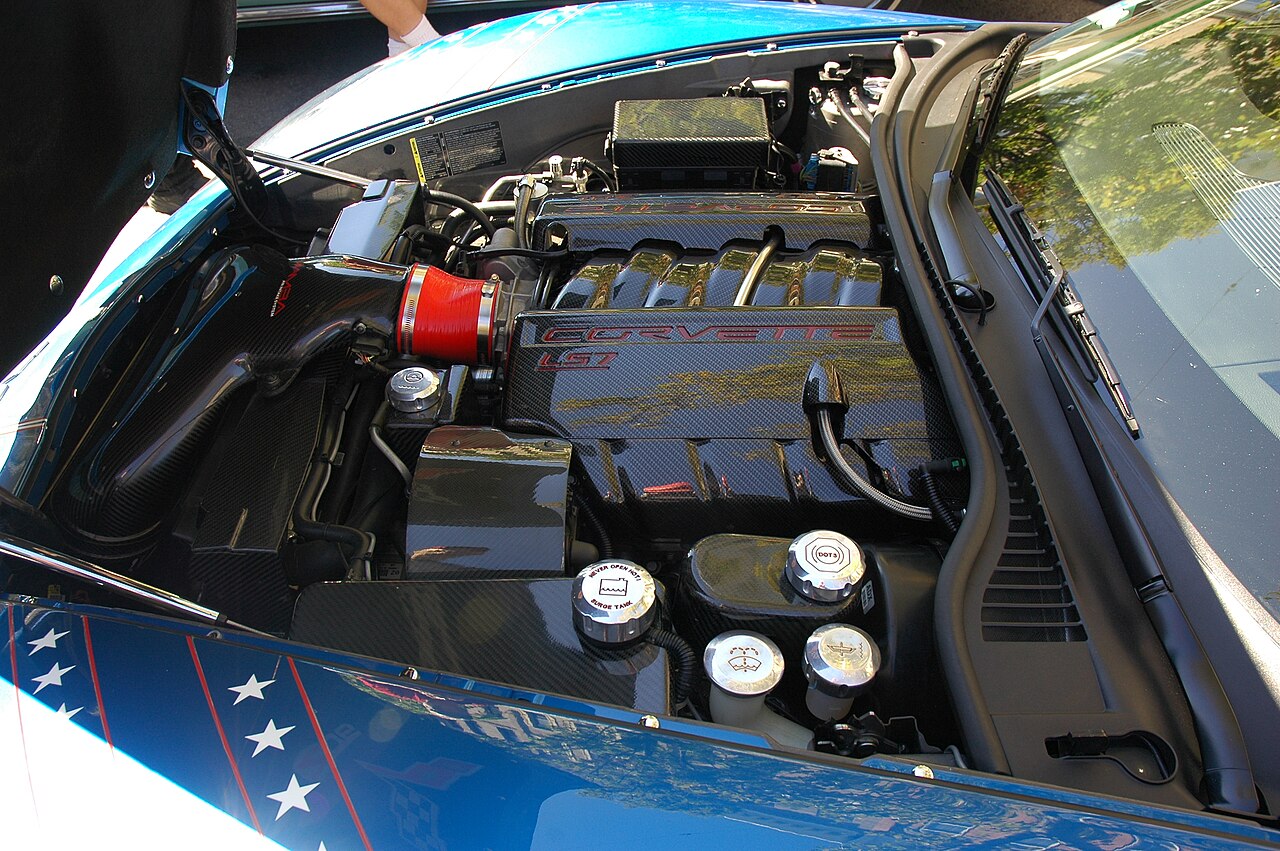
Acceleration hesitation is a short stumble, jerk, or delay. You press the gas pedal, and the car waits a beat before it moves with force. From a dead stop, the engine suddenly needs much more fuel and air than at idle. Any weak link in that chain shows up in the first second.
This article explains what hesitation is. It covers the most common ignition causes, fuel delivery faults, air intake and sensor problems, when the transmission is really to blame, and what to check first.
What acceleration hesitation actually is
Hesitation is not the same as general sluggishness. Sluggishness is a steady, weak pull. Hesitation is a hiccup: the car pauses, stumbles, or jerks, then catches up.
That difference matters for diagnosis (finding the cause). A hiccup points to a misfire or a delivery delay that happens only in the change from idle to load. According to Instant Car Fix's diagnostic guide, hesitation from a full stop most often points to fuel delivery or throttle response, not top-end power.
Note exactly when it happens. Hesitation only when the engine is cold, only under hard throttle, or only with the air conditioning on point in different directions.
Ignition problems: the most common cause
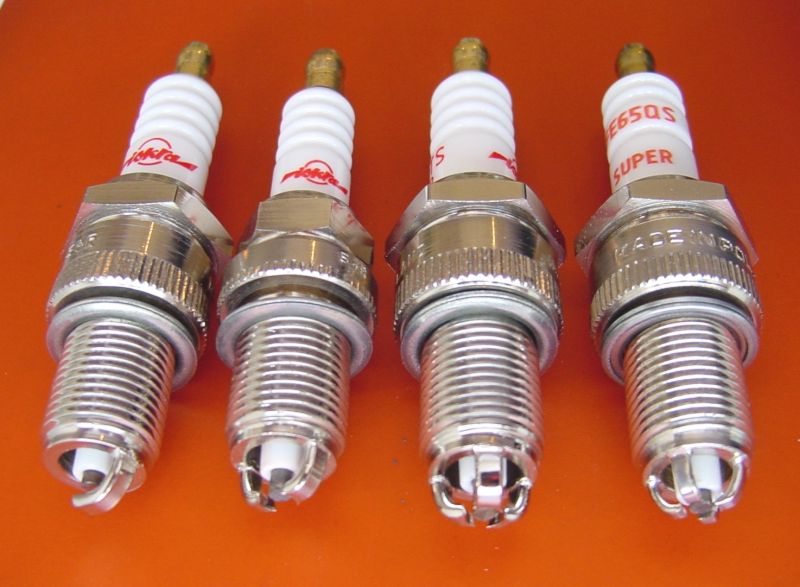
Worn spark plugs are the single most common cause of hesitation under acceleration. (Spark plugs are small parts that make the spark which lights the fuel in each cylinder.) A worn electrode gap makes a weak spark. Weak sparks turn into misfires right when each cylinder must work harder under load.
Plug life depends on the plug type. As CarCareTotal reports, copper plugs wear out by around 30,000 miles. Iridium plugs last to about 100,000 miles.
Mighty Auto Pro notes that most makers suggest replacement between 30,000 and 100,000 miles, depending on plug type. Harsh driving shortens that span. If your car is near those numbers, plugs and coils are where diagnosis starts.
Ignition coils matter too. (A coil is the part that sends electric power to each spark plug.) A failing coil gives uneven voltage. The engine may jerk, lose power briefly, then surge as it adjusts. This builds slowly, so drivers often miss it until it gets obvious.
Fuel delivery problems
Your engine needs a sudden surge of fuel the moment you press the pedal. The fuel system must deliver it on demand. A clogged fuel filter blocks flow right when maximum volume is needed. Hesitation during hard acceleration is often the first warning of a failing filter, before the problem spreads to normal driving.
A failing fuel pump causes the same effect, more severely. The pump pulls fuel from the tank. If it cannot keep pressure up, the engine starves under load: climbing hills, merging onto highways, and pulling away from stops. Dirt or damage in the pump is a classic cause of aging in acceleration, according to Jamaicars.
Dirty fuel injectors round out the list. (Injectors spray fuel into the engine.) They spray fuel in a fine, even mist. Carbon deposits coat them over time. The mist becomes uneven. Combustion becomes patchy. The engine stumbles when you ask for more.
Air intake and sensor problems
Engines run on air as well as fuel. Blocked or badly measured airflow causes the same symptom from a different direction. A badly clogged air filter starves the engine of oxygen. Service intervals are 15,000 to 30,000 miles, or sooner in dusty places, per CarCareTotal.
The mass airflow (MAF) sensor measures incoming air and reports it to the engine computer. Oil vapors or dust can dirty it. Then the computer gets bad readings and delivers the wrong fuel mix: too lean (too little fuel) or too rich (too much fuel). Both mixes hesitate under throttle, according to ISS Automotive.
The throttle position sensor (TPS) tells the computer how far you pressed the pedal. A TPS with dead spots or jumpy voltage sends uneven signals at change points. The computer then mistimes fuel delivery right as you press the throttle. A carbon-coated throttle body blocks airflow at partly open throttle. That is exactly where hesitation shows most.
When it is the transmission, not the engine
Sometimes the hesitation is not the engine at all. You press the gas, there is a pause, then the car moves. That delay can feel just like engine hesitation. But it is the transmission deciding when and how to respond. (The transmission is the gearbox that sends engine power to the wheels.)
In a manual car, a worn clutch slips under load and stops power from reaching the wheels, per Gumtree's mechanic-sourced answers. In an automatic, low transmission fluid or a slipping transmission delays the shift and copies engine stumble. If the hesitation shows up mainly while gears change, not in the first beat off idle, the transmission is the likelier suspect.
Drivers dealing with a juddering car can also check our guide to why a car vibrates at idle but drives smoothly.
What to check first, in order
Work from cheapest to most expensive. Any driver can run these checks or ask a shop to run them first:
- Air filter: pull it out and hold it to the light. If you cannot see light through it, replace it.
- Spark plugs and coils: check your mileage against the 30,000 to 100,000 mile service window. Replace them as a set, not one at a time.
- Fuel filter: a blocked filter is cheap and causes exactly this symptom under load.
- MAF sensor and throttle body: cleaning a dirty MAF sensor or carbon-coated throttle body is quick work that fixes many hesitation complaints.
- OBD-II scan: a $20 scanner reads misfire codes that point to the failing cylinder. (OBD-II is the car's built-in diagnostic port.)
- Transmission fluid: if the delay feels like a pause rather than a stumble, check the fluid level and condition.
If the hesitation comes with a grinding sound on cold starts, read our explainer on grinding noises when starting in the morning. For a car that shudders when you brake instead, see why a car shakes when braking at high speed.
Frequently asked questions
Why does my car hesitate when I press the gas from a stop?
The most likely causes are worn spark plugs, a clogged fuel filter, or a dirty mass airflow sensor. All three starve the engine of what it needs in the sudden shift from idle to load. Start with plugs and the air filter. They are the cheapest fixes.
Can bad gas cause hesitation?
Poor-quality or dirty fuel can cause short-term hesitation and misfires. If the symptom started right after a fill-up at a station you do not know, use up that tank. Then refuel at a trusted station before paying for a diagnosis.
Does a dirty air filter really cause hesitation?
Yes, if it is badly clogged. A choked filter starves the engine of oxygen. That makes the engine run rich (too much fuel), which stumbles under acceleration. At 15,000 to 30,000 mile service intervals, it is also one of the cheapest parts to replace.
When should I see a mechanic about hesitation?
See one when the symptom stays after basic checks, when it gets worse, or when a check engine light appears. Misfires left alone damage catalytic converters over time. That turns a cheap plug job into a costly exhaust repair.
The bottom line
Hesitation from a stop is your engine telling you something cannot keep up. The weak link is in the ignition, fuel, or air chain, and it fails under the sudden demand for power. In most cases the culprit is plain wear: old spark plugs, a clogged filter, or a dirty sensor. Check the cheap parts first. Scan for misfire codes. Only then look at pricey suspects like the catalytic converter or transmission.
Latest in Auto
- Why a Car Vibrates at Idle but Drives Smoothly
- Car Grinding Noise When Starting in the Morning
- How to Tell Your Brake Pads Need Replacing
- Why Your Steering Wheel Shakes: Meaning and Causes
Tags
car hesitation, acceleration problems, spark plugs, fuel system, car maintenance
Rive News's research desk writes plain-English explainers on how everyday machines work, based on documented sources.
Subscribe for one useful explainer every morning.
© 2026 Rive News. All rights reserved. Corrections: [email protected].
Related stories

Why Does Tire Pressure Drop in Cold Weather?
Cold weather can cut tire pressure by 1 psi for every 10°F drop, thanks to the ideal gas law. Here is what happens inside the tire and what

Why Do Brake Rotors Warp, or Do They Actually?
Mechanics rarely see a truly warped rotor. The shudder usually comes from uneven pad deposits a few thousandths of an inch thick. Here is th

How to Buy a Used Car Without Getting Scammed: The Checklist
Over 450,000 cars a year have rolled-back odometers, NHTSA says. This checklist covers VIN checks, title washing, and the inspection that ca