
Why does a car drift right on crowned roads?
Key takeaways
- Most roads are crowned, sloping down from center to edge at 1.5 to 2% for drainage, and gravity gently pulls cars toward the low side.
- The lane-change test tells the story: if your car drifts left in the left lane, the road crown is the cause, not your alignment.
- A firm, constant pull on flat pavement points to real problems: tire pressure, alignment angles, or a dragging brake.
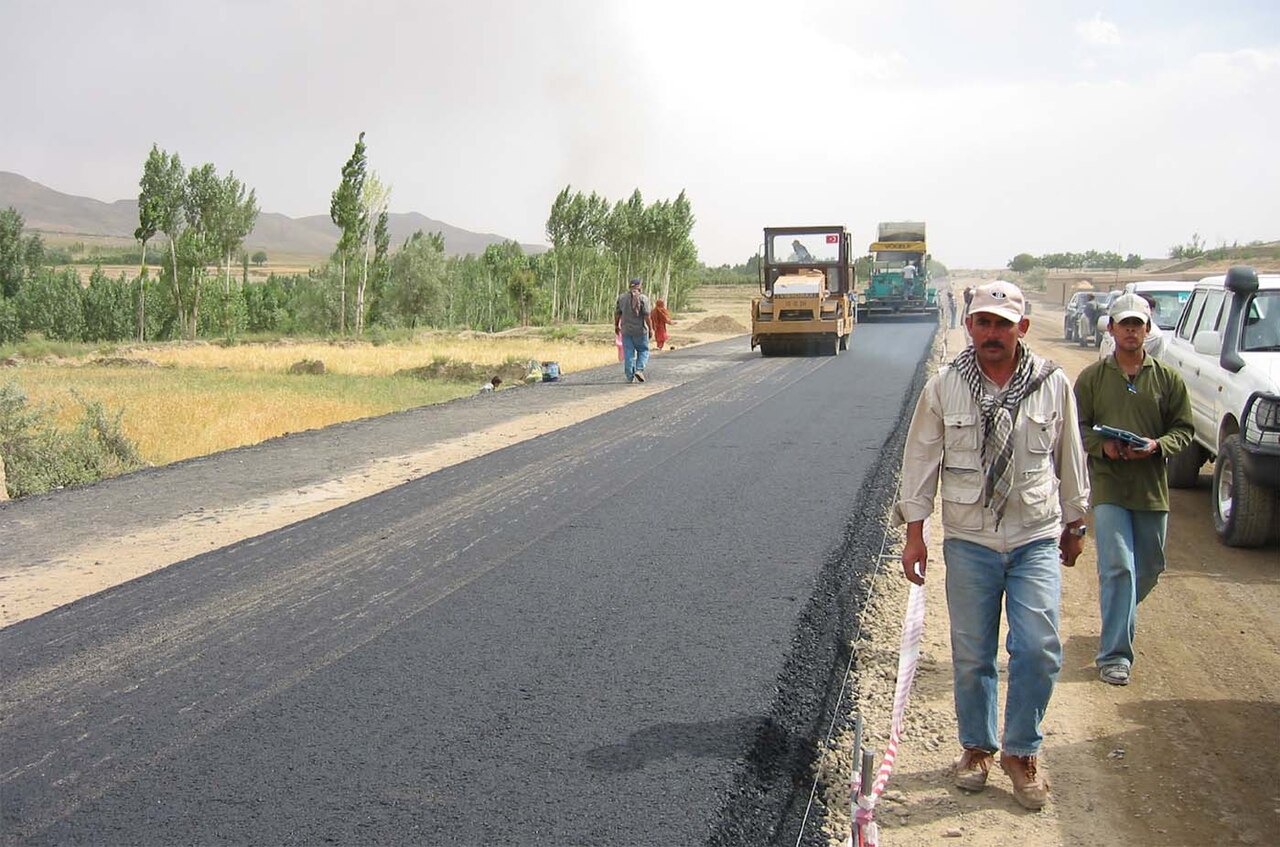
Most roads look flat but slope gently from the center to the edges. Image Credits: Wikimedia Commons
You ease off the wheel on a straight road and the car wanders right, toward the shoulder. The first suspect is usually the alignment, and sometimes that is correct.
But very often the car is fine and the road is doing the steering. Roads are deliberately built with a slight slope called a crown, and that slope pulls every car a little toward the low side.
This article explains why a car drifts right on crowned roads, including how much slope is normal, how to tell road influence from a real problem, and which mechanical faults actually cause pulling.
What a road crown is and why it exists
Road camber, also called road crown, is the slight slope built into the road surface. Most roads are higher in the center and slope down toward the edges or shoulders.
This slope is not arbitrary. It exists for drainage, letting rainwater run off the surface quickly. Preventing water accumulation reduces the risk of hydroplaning and extends the road's lifespan by limiting water damage to the pavement structure, according to EngineerFix.
The American Association of State Highway and Transportation Officials (AASHTO) suggests a centerline crown slope between 1.5 and 2.0 percent for effective drainage. That sounds tiny, but it is enough to influence a vehicle's direction. When a car drives along this slope, gravity and the tire's rolling dynamics naturally encourage a gentle drift toward the lower side of the road.
In countries that drive on the right, the right lane slopes downward toward the shoulder or curb. So a car in the right lane experiences a constant, subtle force pushing it right.
Drivers compensate without thinking: a minor but continuous steering correction to the left keeps the car straight. It is the road, not the car, that creates this persistent rightward tendency.
The lane-change test
Road influence changes with the pavement; mechanical problems stay consistent. That difference gives you a simple diagnostic.
On a divided highway, the left lane often slopes toward the median while the right lane slopes toward the outside. Safely move to the left lane: if the car then pulls slightly to the left, the road crown is the likely cause.
Nissan's technical guidance notes that vehicles naturally drift toward the lower side of a crowned road. General Motors has issued similar guidance, explaining that road-crown influence is environmental and cannot be corrected through suspension adjustment. An alignment machine can measure wheel angles with impressive precision, but it cannot flatten the street outside the workshop.
The word gently matters. A steep or heavily crowned road can produce an obvious drift. But a car that darts toward the shoulder or requires firm, continuous correction still needs inspection, as does any pull that stays identical in every lane.
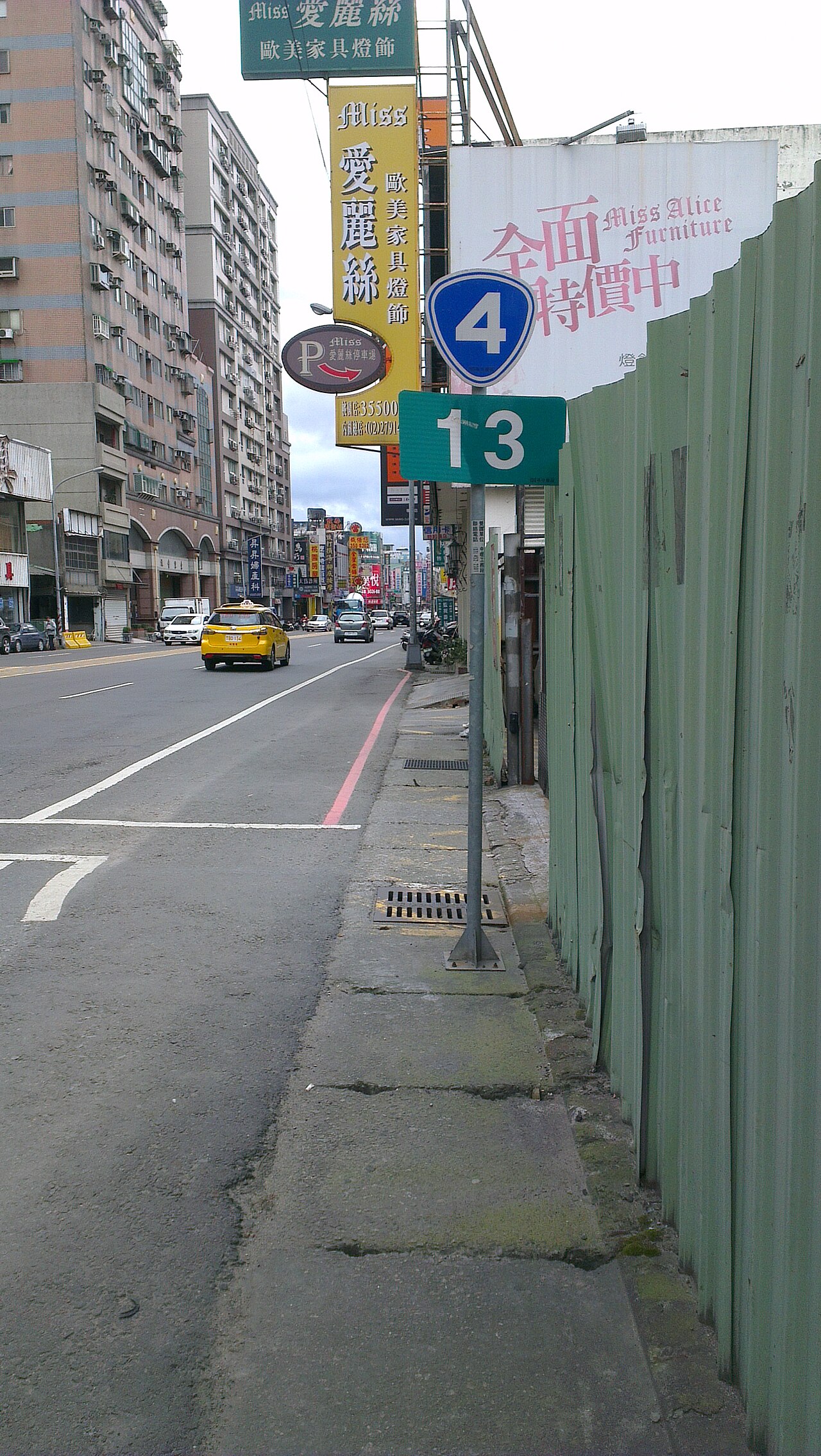
On a crowned road, each lane tilts slightly toward its own low side. Image Credits: Wikimedia Commons
When the drift is the car's fault
When a vehicle pulls aggressively or persists even on a known flat surface, the cause is likely mechanical rather than road camber. The usual suspects, in order of simplicity:
Tire pressure comes first. An underinflated tire on the right side has a smaller rolling diameter and increased resistance compared to a properly inflated tire, so the car pulls toward the lower-pressure side.
Checking pressures costs nothing and fixes a surprising number of "alignment" complaints. Our guide to why tire pressure drops in cold weather covers the seasonal version of this problem.
Alignment angles come next. Camber is the vertical tilt of the wheel viewed from the front; excessive positive camber on the right front wheel increases load on the outer tread edge, creating a directional force toward the right.
Caster differences between the sides cause similar pulling. Manufacturers sometimes build in slight cross-caster compensation: a 2005 Chrysler 300 case documented by Motor magazine called for a full degree more caster on the right (+10.4° vs +9.4° left) to offset the crown sensitivity that made the car drift right on crowned roads but track straight on flat pavement.
A dragging brake on one side creates a pull that is strongest while braking. Worn suspension joints, a pothole strike, or uneven cargo weight can also alter how the car sits and responds. Strong crosswinds can impersonate bad alignment convincingly, so note the weather before booking a shop visit.
What to do about it
Start with the free checks. Confirm tire pressures against the door-jamb sticker, including the spare if your car monitors it.
Then run the lane-change test on a familiar divided highway in calm weather. If the drift direction follows the road's low side, your car is behaving normally and no repair is needed.
If the pull is strong, constant, or ignores the lane test, get an alignment inspection. A good shop will check camber, caster, and toe against manufacturer specs, and some specs already include road-crown compensation. Mention where and when the pull happens: a pull that appears only while braking points at the brakes, while vibration at speed points elsewhere, like the issues in why your steering wheel shakes.
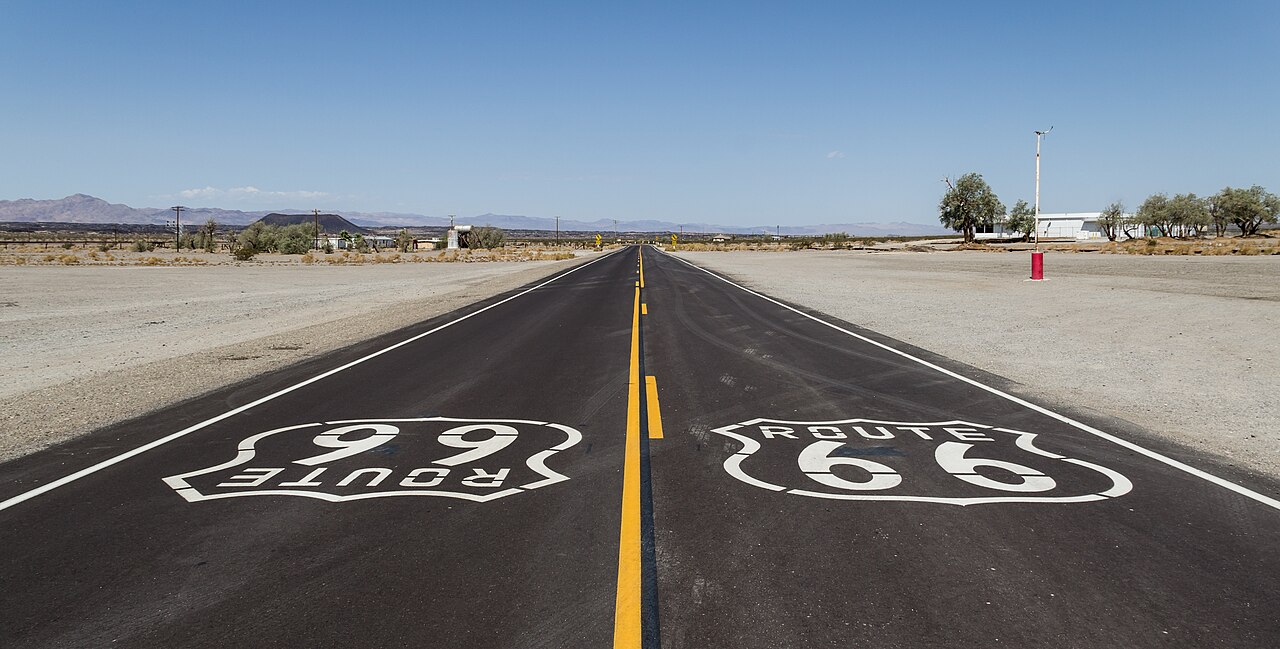
Older two-lane roads often have more pronounced crowns than modern highways. Image Credits: Wikimedia Commons
Is it normal for a new car to drift right?
A gentle drift toward the low side of a crowned road is normal for any car. No manufacturer engineers a car to pull consistently on flat pavement. If a new car darts right or needs constant firm correction, return to the dealer.
Should I get an alignment for road crown?
No. Road-crown influence is environmental and cannot be corrected through suspension adjustment. Get an alignment only when a pull persists on flat pavement or after the lane-change test rules out the road.
Why does my car pull left in some countries?
On left-hand-traffic roads in countries like the UK, the crown slopes the other way relative to your lane, so cars tend to drift left toward the curb. Some makers even bias steering geometry slightly toward the curb side as a safety measure.
Can tire rotation fix a pull?
Sometimes. A tire with internal belt damage or uneven wear can create a radial pull that follows the tire. Swapping front tires side to side is a quick test: if the pull direction changes or disappears, the tire is the culprit.
Does cargo weight cause pulling?
Yes. A heavily loaded trunk, uneven passenger weight, roof cargo, or a trailer alters how the vehicle sits and how each tire loads, which can mimic alignment problems. Distribute weight evenly before chasing other causes.
The bottom line
A gentle rightward drift on crowned roads is physics, not failure. Roads slope 1.5 to 2 percent for drainage, and gravity does the rest.
The lane-change test separates normal road influence from real trouble in seconds. Save the alignment money for the pull that follows you into every lane, and check your tire pressures first. For brake-related pulling, our explainer on why a car pulls to one side when braking covers that separate case.
Latest in Automotive
- Why tire pressure drops in cold weather
- What a shaking steering wheel means
- Why a car pulls to one side when braking
- Brake rotors: warp myth vs uneven deposits
One practical car-care explainer in your inbox each week. Subscribe to the Rive News newsletter.
Related stories
Why Does Tire Pressure Drop in Cold Weather?
Cold weather can cut tire pressure by 1 psi for every 10°F drop, thanks to the ideal gas law. Here is what happens inside the tire and what
Why Do Brake Rotors Warp, or Do They Actually?
Mechanics rarely see a truly warped rotor. The shudder usually comes from uneven pad deposits a few thousandths of an inch thick. Here
How to Buy a Used Car Without Getting Scammed: The Checklist
Over 450,000 cars a year have rolled-back odometers, NHTSA says. This checklist covers VIN checks, title washing, and the inspection that