
F1 Rwanda African Grand Prix Returns After 30-Year Wait
Key takeaways
- Formula 1 signed a ten-year deal with Rwanda for a new African Grand Prix.
- The first race comes in the early 2030s, after the track is built.
- It will be the first Formula 1 race in Africa since 1993.
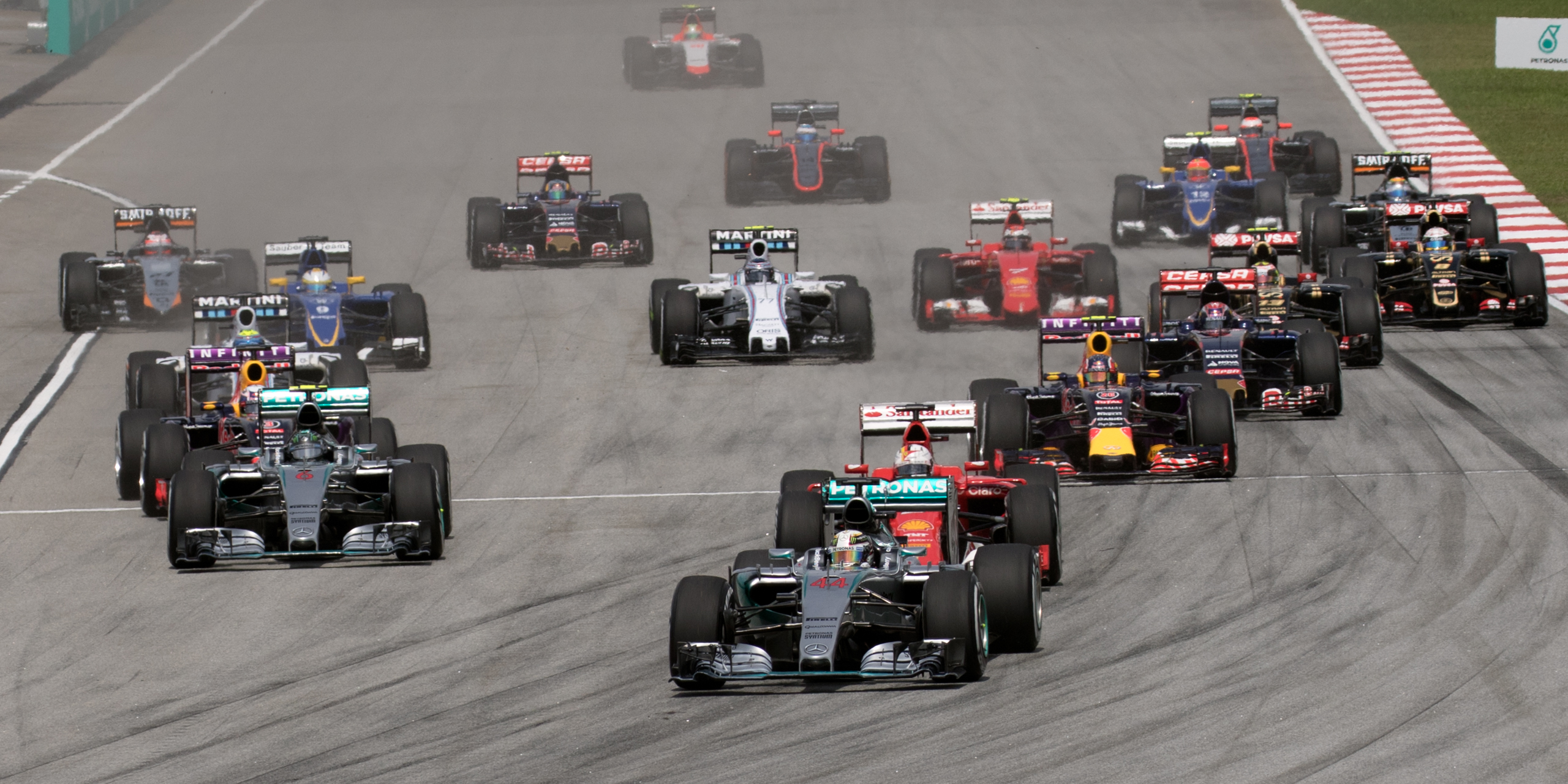
Formula 1 is coming back to Africa. Rwanda will host the African Grand Prix in the early 2030s. The deal runs for ten years.
What happened
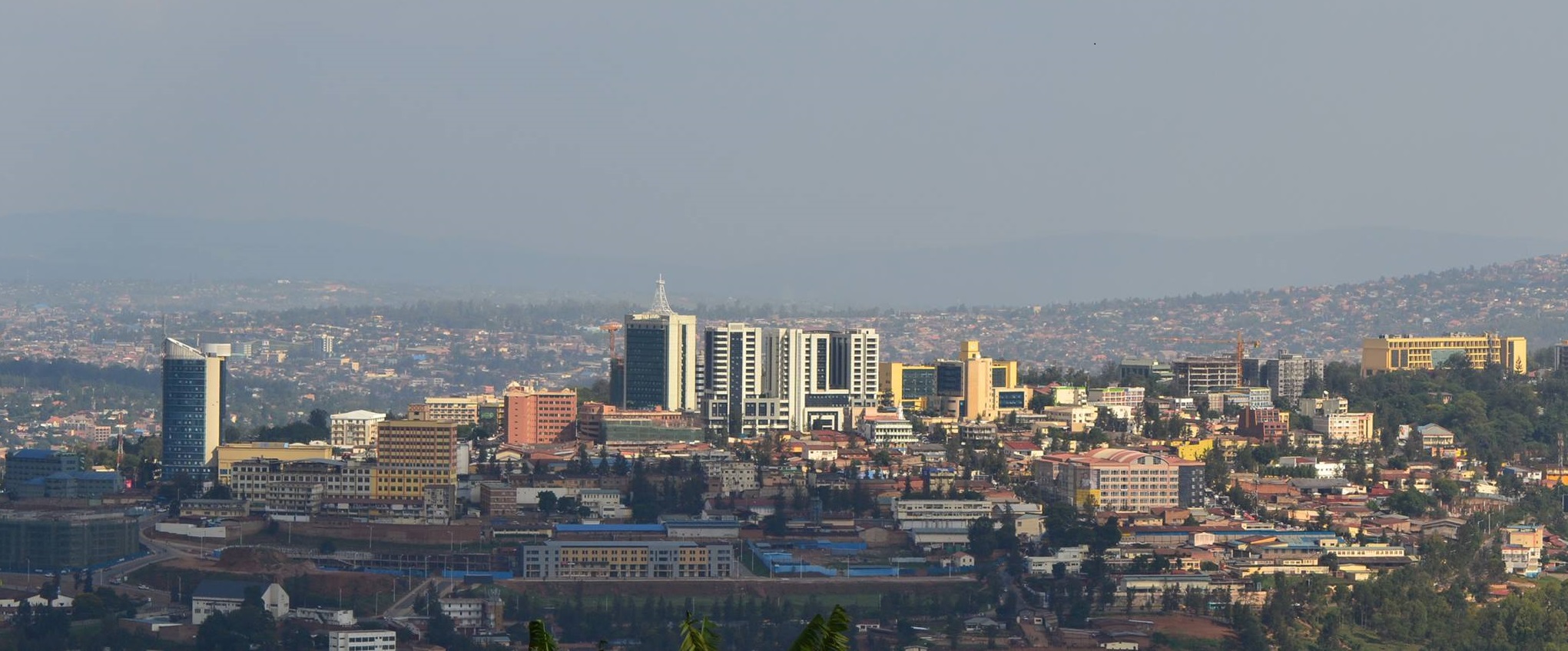
Formula 1 announced the deal on Tuesday, October 13, 2026. The news came at a press event in Kigali. Kigali is the capital of Rwanda.
Three key leaders attended the event. Rwanda President Paul Kagame was there. Formula 1 chief Stefano Domenicali was there.
FIA President Mohammed Ben Sulayem was there too.
The FIA is the group that runs world motor sport. It sets the rules for Formula 1. Its leaders backed the Rwanda plan.
The race has a full name. It is the Formula 1 African Grand Prix, presented by Visit Rwanda. Visit Rwanda is the country's tourism brand.
The name shows the link between the race and tourism.
The race does not have an exact start year yet. Reuters reports that the first race year is still to be set. Autosport reports that the first race could come as early as 2030. The final date will depend on the track build.
Rwanda does not have a Formula 1 track yet. A new track will be built from scratch. It will sit in Bugesera.
Bugesera is about 40 kilometres south of Kigali. It sits next to a new international airport. The airport is also under construction.
The track plan is already taking shape. The circuit will be about six kilometres long. It will have 17 corners.
Cars will run anti-clockwise around the lap. Anti-clockwise means the cars turn left more than right.
The track will follow the natural land. Each lap will climb and drop by 197 metres. That rise and fall should make the racing fun to watch.
It should also give fans good views.
Three groups are working on the design. Tilke Engineering and Architects is one of them. Former Formula 1 driver Alex Wurz is part of the team.
His firm is called WurzDesign. An engineering firm called DAR is also involved.
The track will meet FIA Grade 1 standards. Grade 1 is the top level for a race track. It means the track can host Formula 1. The venue should also host other motor sport events.
Rwanda has chased this race for years. President Kagame first set out the bid in December 2024. He spoke at the FIA General Assembly in Kigali. Talks between the two sides sped up in 2024. The new deal is the result of that work.
Why it matters
Africa has waited a long time for this race. The last Formula 1 race in Africa was in 1993. That race was the South African Grand Prix at Kyalami. More than three decades have passed since then.
Formula 1 now races on many continents. Africa was the missing piece. With Rwanda on the calendar, the sport will race on every inhabited continent.
Inhabited means people live there. Formula 1 chief Stefano Domenicali called the deal a landmark moment.
The deal also matters for fans. Africa has more than 100 million Formula 1 fans. That number comes from Formula 1 and the reports on the deal.
Many of those fans are young. They have watched the sport from far away. Now they can see it at home.
Seven-time world champion Lewis Hamilton has pushed for this race for years. Hamilton drives for Ferrari. He has asked why Africa had no race.
Hamilton has said Africa needs a Grand Prix. His voice helped keep the idea alive.
The race could help Rwanda's economy too. President Kagame linked the track to jobs and skills. He linked it to tourism and new business.
The track sits next to a new airport. The two projects can grow together. The aim is a lasting gain, not just one race weekend.
Rwanda has hosted big sports events before. Kigali hosted the UCI Road World Championships in cycling. UCI is the world body for cycling.
In 2024, Kigali hosted the FIA Prize Giving Ceremony. Top drivers travelled to Rwanda for that event. The new race builds on that record.
The deal also fits a wider plan. The Rwanda Development Board leads the project. The plan covers sport, tourism, and roads.
It also covers shops and business growth. The track is one part of that plan.
What happens next
The next step is building the track. Workers must shape the land in Bugesera. They must lay the road surface.
They must build stands, pits, and safety zones. Pits are where teams service the cars. Safety zones protect drivers and fans.
No race date is set yet. Fans must wait for a firm year. The early 2030s is the target window.
The year 2030 is the earliest date named in reports. The build pace will decide the real date.
Formula 1 will share more details over time. It may name the first race year. It may show more track plans.
It may share ticket news. Fans should watch for official updates from Formula 1.
Rwanda will keep building its sports profile too. The country wants more big events. The track can host races beyond Formula 1. It can host local races and shows.
It can bring visitors all year.
Car fans have lots to follow in the meantime. The car world moves fast. New models keep arriving, from new Ford Bronco models to rising used electric truck prices.
New electric cars from BYD show how fast the car world is changing. The Rwanda race adds one more big story to watch.
The long wait is almost over. Africa is back on the Formula 1 map. The next few years will turn plans into a real track.
Then the lights will go out, and the racing will begin.
IndyCar also had big news this week. Read about Jack Harvey's fight.
Related stories

Why Does Tire Pressure Drop in Cold Weather?
Cold weather can cut tire pressure by 1 psi for every 10°F drop, thanks to the ideal gas law. Here is what happens inside the tire and what

Why Do Brake Rotors Warp, or Do They Actually?
Mechanics rarely see a truly warped rotor. The shudder usually comes from uneven pad deposits a few thousandths of an inch thick. Here

How to Buy a Used Car Without Getting Scammed: The Checklist
Over 450,000 cars a year have rolled-back odometers, NHTSA says. This checklist covers VIN checks, title washing, and the inspection that