
Ford Fathom pickup will power your home for less
Web StoryWatch this story in 15 seconds →Key takeaways
- The Fathom pickup can send over 10 kW of power to a home.
- The backup gear costs about $2,100, far less than the old Lightning kit.
- The truck starts at $28,350 and should reach buyers in early 2027.
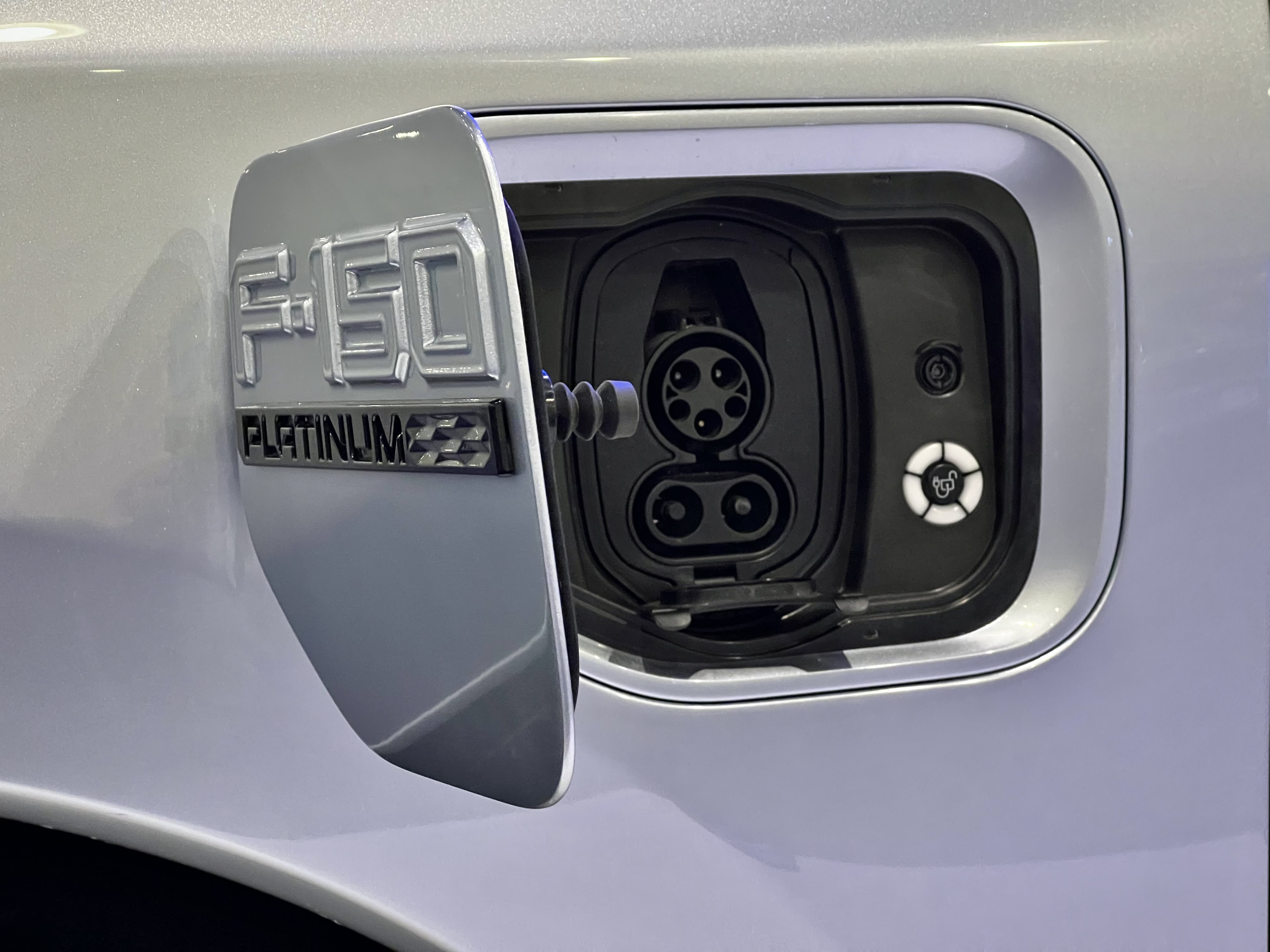
Ford has a new plan for power cuts. Its new Fathom pickup can power your home.
The truck sends power from its battery to your house. Ford shared the plan on October 27.
What happened
Ford announced two new home chargers on October 27. They work with the Fathom pickup. The Fathom is Ford's new electric truck.
The truck starts at $28,350. That is under $30,000. It is the first truck on Ford's new Universal EV Platform.
The Fathom can send over 10 kW of power to a home. kW means kilowatts. Kilowatts measure electric power.
TechCrunch reported one use case. The truck can run a fridge. It can also run an air conditioner for about half a day.
This trick has a plain name. It is called bidirectional charging. Bidirectional means power can flow two ways.
The truck can take power in. It can also send power out. That is what makes home backup work.
How the truck sends power home
Batteries store power as direct current. Homes use alternating current. The two types do not match on their own.
Most electric cars need a costly wall box. That box changes one type to the other. Ford took a different path with the Fathom.
Ford built the key part inside the truck. That part changes battery power to home power. It sits in the truck's E-box.
The E-box is one of five main control units. Ford built it with a small firm. That firm is Auto Motive Power.
Ford bought Auto Motive Power in 2023. The two teams redesigned the system from scratch. Fewer parts mean lower costs.
The Fathom stores power in a big battery, like other electric car batteries. The base truck uses a cheaper battery type. Ford calls it a lithium iron phosphate battery.
What the gear costs
Ford sells two home devices for the Fathom. The first is the Home Power Station. It costs about $650.
The Home Power Station helps with daily bills. It charges the truck when power prices are low. It sends power home when prices are high.
The second choice is the Home Backup Power package. It costs about $2,100. It adds a second device called the Home Backup Panel.
That package powers a home in a power cut. It bundles the Home Power Station with the backup panel. Both prices leave out fitting costs.
The new prices are far below the old ones. The first Home Power Station for the Lightning cost $1,310. The full old backup kit cost $5,205.
The new charger costs about half the old one. The new backup package costs about 60 percent less. Ford has not set final prices yet.
Fitting can still cost a lot. TechCrunch says fitting for such systems can run up to $10,000. That depends on the home's wiring.
Some homes may need a new panel. Some may need extra cable work. Those jobs add to the total bill.
Why it matters
Home backup used to cost too much. Canary Media says most such gear costs $7,000 to $10,000. That price put many buyers off.
Ford's plan cuts that barrier sharply. A cheaper truck plus cheaper gear changes the math. More homes could try backup power.
Rival systems still cost more. Canary Media cites a GM bundle at $6,748. Ford's $2,100 package is far below that.
Electric cars still use a small 12-volt battery for basic jobs. The big battery does the heavy work. That split is normal in electric cars.
Power cuts are a real worry for many homes. A truck that doubles as a backup unit helps. It can keep food cold and rooms cool.
Other car makers are also pushing cheap electric cars. Read about the BYD Da Han EV launch. The race for low-cost electric cars is heating up.
What still blocks it
Rules are the next hurdle. Over 3,000 power firms serve the United States and Canada. Each has its own rules for grid links.
Only two states have clear rules so far. Canary Media names California and Maryland. Most other places still lack a clear path.
Ford formed a working group in July. It works with five large power firms. The firms are American Electric Power and BC Hydro.
The group also includes Consumers Energy. It includes Exelon and Pacific Gas and Electric. They aim to set common rules for home links.
Ford wants a low-hassle path for buyers. Dave McCreadie leads grid work at Ford. He told Canary Media that cost is central.
He said lower cost must cover the truck. It must also cover the charging gear. That is how more people will adopt it.
What happens next
The Fathom goes into production in early 2027. Ford will build it in Louisville, Kentucky. The plant is getting a $2 billion refit.
Ford chief Jim Farley gave a warning. He said a launch at scale is a challenge. It must also hit cost and time targets.
Ford says more trucks will follow this path. Other cars on the same platform will get the same tech. McCreadie confirmed that plan to Canary Media.
Owners can also join virtual power plants. These plants link many home batteries by software. The linked batteries can feed power to the grid.
Owners who stay plugged in can earn money. TechCrunch says payouts can top $1,000 a year. The sum depends on grid needs and use.
No final gear prices exist yet. Ford also has no fitting partners yet. A spokesperson told TechCrunch more details will come later.
What happens next for buyers
Buyers must weigh the full cost. The truck price is only part of it. Fitting costs can change the total a lot.
Buyers should also check local rules. Their power firm must allow a home link. That approval may take time in some areas.
Still, the direction is clear. Ford made home backup much cheaper. The Fathom could bring the idea to many more homes.
Early 2027 will be the real test. That is when the truck reaches buyers. Then we will see if the promise holds up.
Related stories

Why Does Tire Pressure Drop in Cold Weather?
Cold weather can cut tire pressure by 1 psi for every 10°F drop, thanks to the ideal gas law. Here is what happens inside the tire and what

Why Do Brake Rotors Warp, or Do They Actually?
Mechanics rarely see a truly warped rotor. The shudder usually comes from uneven pad deposits a few thousandths of an inch thick. Here

How to Buy a Used Car Without Getting Scammed: The Checklist
Over 450,000 cars a year have rolled-back odometers, NHTSA says. This checklist covers VIN checks, title washing, and the inspection that