
How Does Power Steering Make Your Wheel Easy to Turn, Explained
Key takeaways
- Power steering multiplies your input: a torque sensor reads how hard you turn, then hydraulic pressure or an electric motor adds force to the rack.
- There are three types: hydraulic, electro-hydraulic, and electric, with electric power steering now standard on most new cars.
- Electric systems only draw power while you steer, which trims fuel use and removes fluid, pumps, and hoses from maintenance.
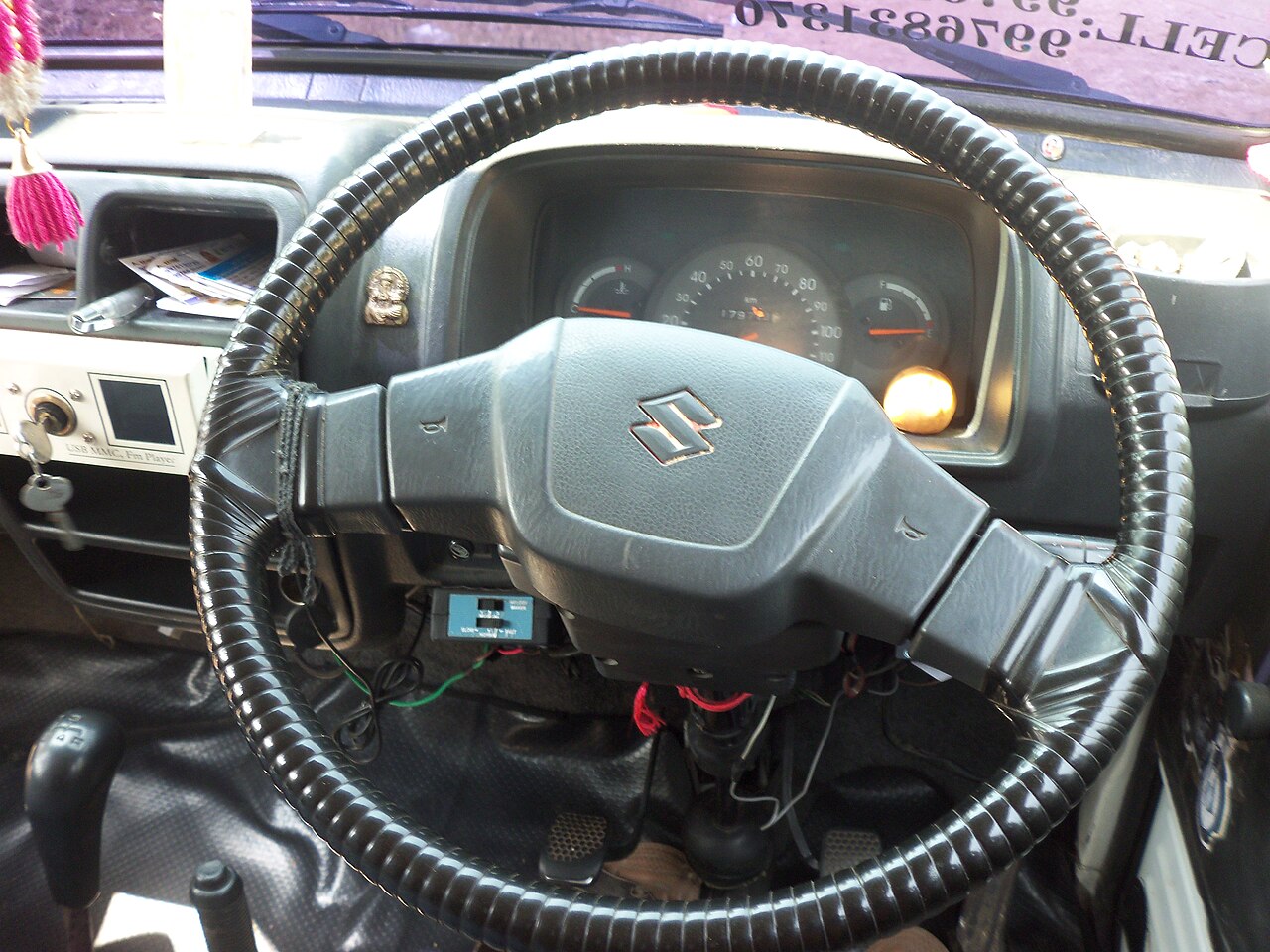
Every turn of the wheel is amplified by the power steering system. Photograph: Wikimedia Commons contributor
Image Credits: Wikimedia Commons
Try steering a parked car with the engine off and you will feel what driving used to be like: heavy, slow, and exhausting. Power steering erases that effort by adding a second source of force alongside your arms. This article explains how that assist works, how hydraulic and electric systems differ, and why the industry moved from one to the other.
The mechanical foundation
Underneath every power steering system sits the same mechanical linkage. In most modern cars it is a rack-and-pinion assembly: the steering column turns a small gear called the pinion, which meshes with a long toothed bar called the rack. The pinion's rotation shoves the rack sideways, and tie rods carry that motion to the wheel knuckles.
The steering ratio defines the trade. A typical ratio of 16:1 means 16 degrees of steering wheel rotation produce 1 degree of wheel turn, according to Engineer Fix.
That gearing gives precision at speed, but without assistance, turning the wheel at parking speeds would demand serious muscle. Power steering does not replace this linkage; it pushes on the same rack to lighten your effort.
How hydraulic power steering works
Hydraulic power steering uses pressurized fluid as the muscle. A rotary-vane pump, driven by the engine through a belt, circulates fluid from a reservoir and keeps it under constant pressure. Because the pump runs whenever the engine runs, the system always has pressure on tap, even when you are driving straight and need no help.
The control center is a rotary valve inside the steering rack. When you turn the wheel, your initial effort twists a small torsion bar, which shifts the valve spool and routes high-pressure fluid to one side of a piston attached to the rack.
The pressure pushes the rack in the direction you are steering. Release the wheel and the torsion bar untwists, the valve centers, and the assist stops.
The weakness is efficiency. The pump spins continuously and drags on the engine whether you are steering or not. The system also needs fluid checks, and leaks can develop in the pump, hoses, or seals as the car ages.
How electric power steering works
Electric power steering replaces the pump, fluid, and hoses with sensors, a control unit, and an electric motor. The sequence runs in four steps, as described by Clemson University's Vehicular Electronics Laboratory: a torque sensor measures the force you apply to the wheel; position and speed sensors report the wheel angle and vehicle speed; the electronic control unit calculates the right amount of assist; and the motor applies it to the steering gear.
The motor can sit on the steering column or drive the rack directly through a worm gear. Because the electronics know the vehicle speed, assist is variable by design: maximum help at parking speeds, progressively less at highway speeds so the car feels stable and planted.
The efficiency win is structural. An electric system only draws power while you are actively turning the wheel.
A hydraulic pump drains energy constantly. That difference is one reason automakers estimate electric steering improves fuel economy, and it also removes an entire maintenance category: sealed electric systems need no fluid, no reservoir, and no hose inspections.
Hydraulic versus electric in practice
The differences show up in feel, cost, and features. Hydraulic systems have a reputation for rich on-center feedback, the subtle resistance that tells your hands what the front tires are doing. Electric systems tune that feedback in software, which gives engineers precise control but can feel filtered on early designs.
Electric steering wins on packaging and integration. Without a pump or fluid lines, the engine bay gets simpler, and the electronics integrate cleanly with driver-assistance features like lane keeping and automated parking.
Those systems need to turn the wheel themselves, which is natural for an electric motor and awkward for hydraulics. This software-driven approach to car controls echoes trends across the industry, from steering to the notification systems covered in how phones signal calls versus notifications.
There is also a middle ground. Electro-hydraulic steering keeps hydraulic fluid but drives the pump with an electric motor instead of an engine belt, which removes the constant parasitic drag while keeping familiar hydraulic feel. It was a common stepping stone in the transition to full electric.
Why electric won
The industry did not switch on feel alone. Electric steering cuts fuel use, simplifies the engine bay, needs no fluid maintenance, and plugs directly into the driver-assistance systems every new car is expected to carry. Hydraulic steering still appears in some heavy-duty and performance applications where its feedback is prized, but for mainstream cars the contest is over.
For owners, the practical takeaway is simple. If your car is more than about fifteen years old, check the power steering fluid level when you check the oil. If it is newer, the system is almost certainly electric, and there is nothing to top up or flush.
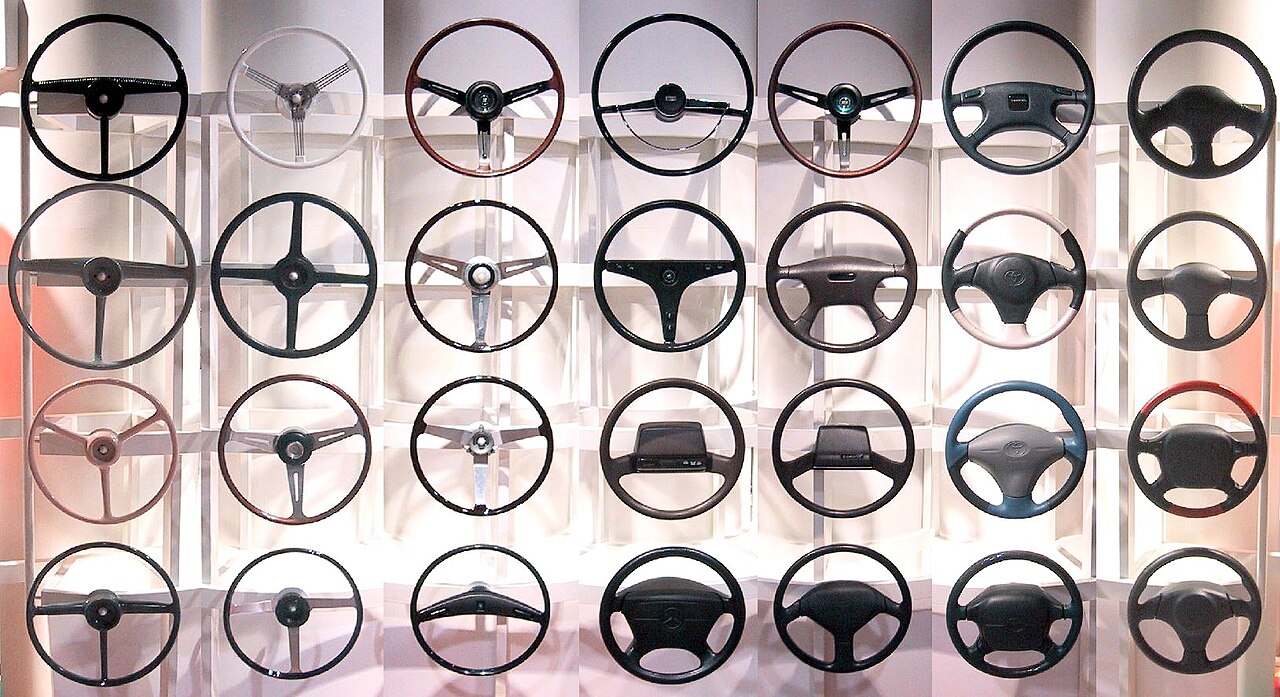
Steering wheels changed shape as power assist removed the need for brute force. Photograph: Wikimedia Commons contributor
Image Credits: Wikimedia Commons
What are the three types of power steering?
Hydraulic, electro-hydraulic, and electric. Hydraulic uses an engine-driven pump and fluid; electro-hydraulic uses an electric pump with fluid; electric uses a motor with no fluid at all.
Why is my steering heavy at low speed?
Loss of assist is the usual cause. On hydraulic cars, check the fluid level and the drive belt. On electric cars, a warning light or a failed torque sensor or motor needs professional diagnosis.
Does electric power steering save fuel?
Yes, modestly. The motor only draws power while you steer, while a hydraulic pump runs continuously off the engine. The savings are small per trip but add up across a car's lifetime.
Can I still steer if power steering fails?
Yes, but it takes much more effort, especially at low speeds. The mechanical rack and pinion still work; you simply lose the assist. Pull over safely and get it checked, since a failure at parking speed is manageable but tiring.
The bottom line
Power steering is a force multiplier: it reads your input and adds its own push in the same direction. Hydraulic systems did the job with pressurized fluid for decades; electric systems do it with a motor, use energy only when needed, and have become the standard. Either way, the heavy steering of the pre-assist era is history.
Latest in Automotive
- Why cars have a rev limiter
- Essex police car windscreen case on the A120
- Tesla Cybertruck cancelled for Australia
Subscribe for one practical car explainer in your inbox every morning.
Related stories

Why Does Tire Pressure Drop in Cold Weather?
Cold weather can cut tire pressure by 1 psi for every 10°F drop, thanks to the ideal gas law. Here is what happens inside the tire and what
Why Do Brake Rotors Warp, or Do They Actually?
Mechanics rarely see a truly warped rotor. The shudder usually comes from uneven pad deposits a few thousandths of an inch thick. Here

How to Buy a Used Car Without Getting Scammed: The Checklist
Over 450,000 cars a year have rolled-back odometers, NHTSA says. This checklist covers VIN checks, title washing, and the inspection that