
What Does It Mean When Your Car Burns Oil but Does Not Leak?
Key takeaways
- Oil disappearing with no puddle under the car means it is being burned inside the combustion chamber, usually past worn piston rings or valve stem seals.
- Blue smoke timing is the diagnostic clue: a puff at cold start that clears in under a minute points to valve seals, while smoke under acceleration points to rings.
- Some oil consumption is normal, especially on high-mileage cars; it becomes a problem past roughly 1 litre per 1,000 miles.
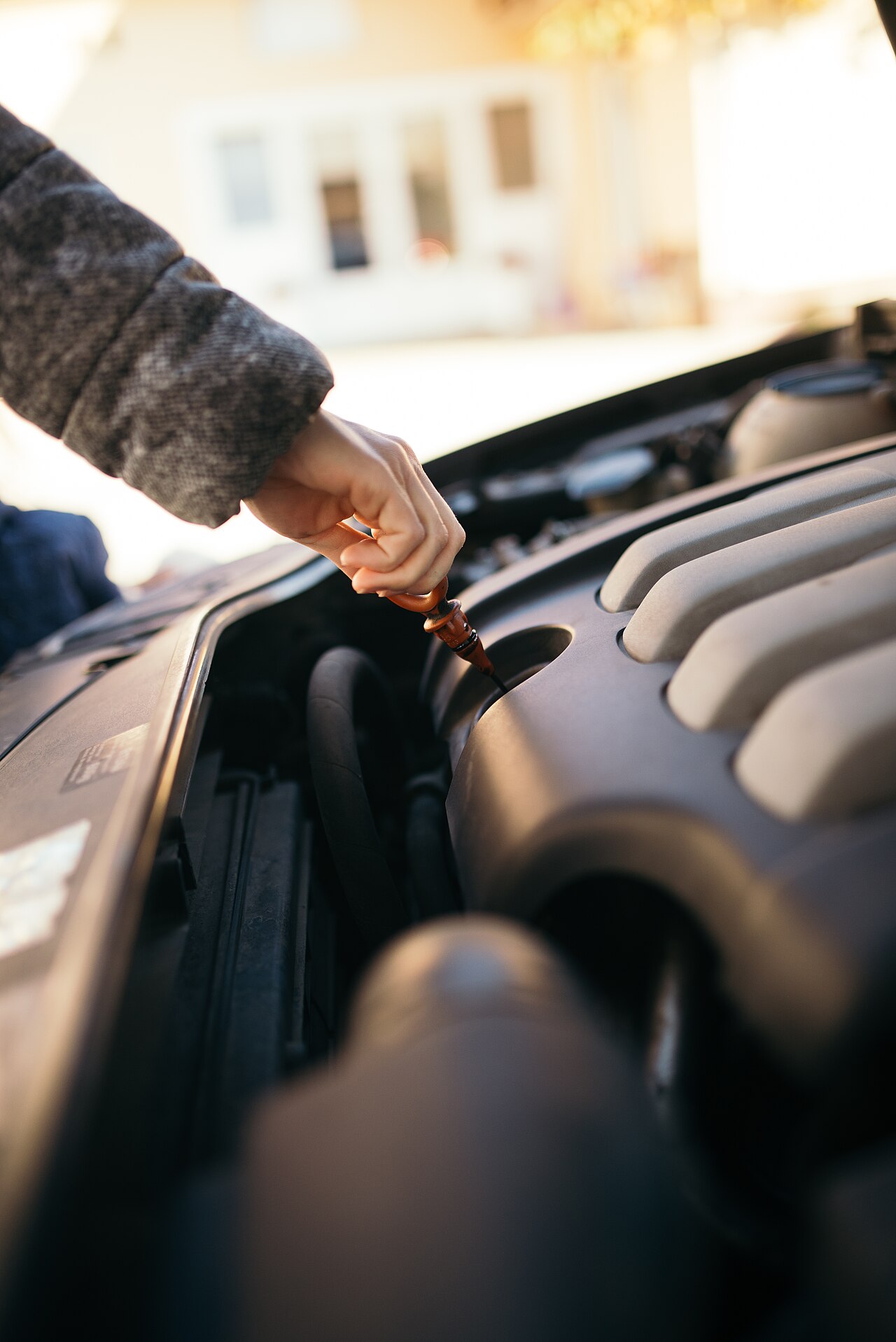
If your dipstick keeps reading low but the driveway is clean, the oil is not escaping the car. It is disappearing inside the engine, slipping into the combustion chamber and burning with the fuel. Mechanics call this oil consumption, and on a worn engine it is one of the most common reasons for a slow, mysterious drop in oil level.
This article explains what burning oil without a leak means, including how oil gets past the engine's seals, how to read the warning signs, the main causes, and the bottom line on what to do about it.
How oil ends up burning in the first place
Engine oil lives below the pistons and around the moving parts, while combustion happens above the pistons. The barrier between the two is the set of piston rings: thin metal rings seated in grooves around each piston that scrape oil off the cylinder walls and seal the combustion chamber.
When rings are new and flexible, almost no oil gets past. When they wear, stick, or lose tension, a film of oil slips through into the chamber with every stroke and burns.
The second barrier is at the top of the engine: rubber valve stem seals that keep oil in the cylinder head from sliding down the valve stems. When those harden and crack, oil seeps past them too.
The result is the same in both cases: oil burns, the level drops, and the exhaust carries the evidence out the tailpipe.
Blue smoke: the telltale sign and its timing
Blue or blue-grey exhaust smoke means oil is burning in the combustion chamber. White smoke usually means coolant (a different problem), and black smoke means unburnt fuel. Blue is oil, and almost every diagnostic guide agrees on this color code.
The useful part is not the color but the timing. As the AutoDataPlug troubleshooting guide explains, when you see the smoke tells you where the oil is entering:
- A puff at cold start that clears within 30 to 60 seconds points to worn valve stem seals. Oil seeps down the valve stems overnight and pools. When you start the engine, the pooled oil burns off quickly, and thermal expansion temporarily improves the seal as the engine warms.
- Smoke that continues under acceleration or at steady speed points to worn or stuck piston rings. Oil is being scraped past the rings continuously, so the smoke does not clear.
"That timing tells me exactly where the oil is sneaking in," the guide notes. Watching for a minute after a cold start is the cheapest diagnostic test available.
The main causes of oil burning without leaks
Worn piston rings. This is the big one on high-mileage engines. Friction wears the ring faces and cylinder walls, opening gaps that oil slips through. Carbon deposits make it worse: stuck rings from heavy deposits behave like worn rings, because the rings can no longer float and seal properly, according to AMSOIL's technical blog.
Worn valve stem seals. These small rubber seals age and harden with heat cycles. They are one of the most wear-prone components in the engine, and virtually all cars with over 100,000 kilometres face this issue, per mechanic-sourced guidance. Turbocharged engines suffer earlier because the turbo's heat and pressure punish seals faster.
Failing PCV valve. The positive crankcase ventilation valve regulates pressure inside the engine. When it sticks or clogs, crankcase pressure rises and forces oil past seals and into the intake, where it burns. It is a cheap part and one of the first things to check.
Wrong or poor-quality oil. Conventional oils contain light, unstable molecules that evaporate more readily in high heat, which lowers the level without any leak. AMSOIL's blog describes it plainly: cheap conventional oil can simply cook off, leaving carbon deposits through the engine. Using the wrong viscosity (thickness), like 5W-30 in an engine specified for 0W-20, accelerates wear on the same seals you are trying to protect.
Overfilling. Too much oil raises internal pressure and forces oil past seals into the chamber. It is a common DIY mistake and worth ruling out before assuming wear.
How much consumption is normal?
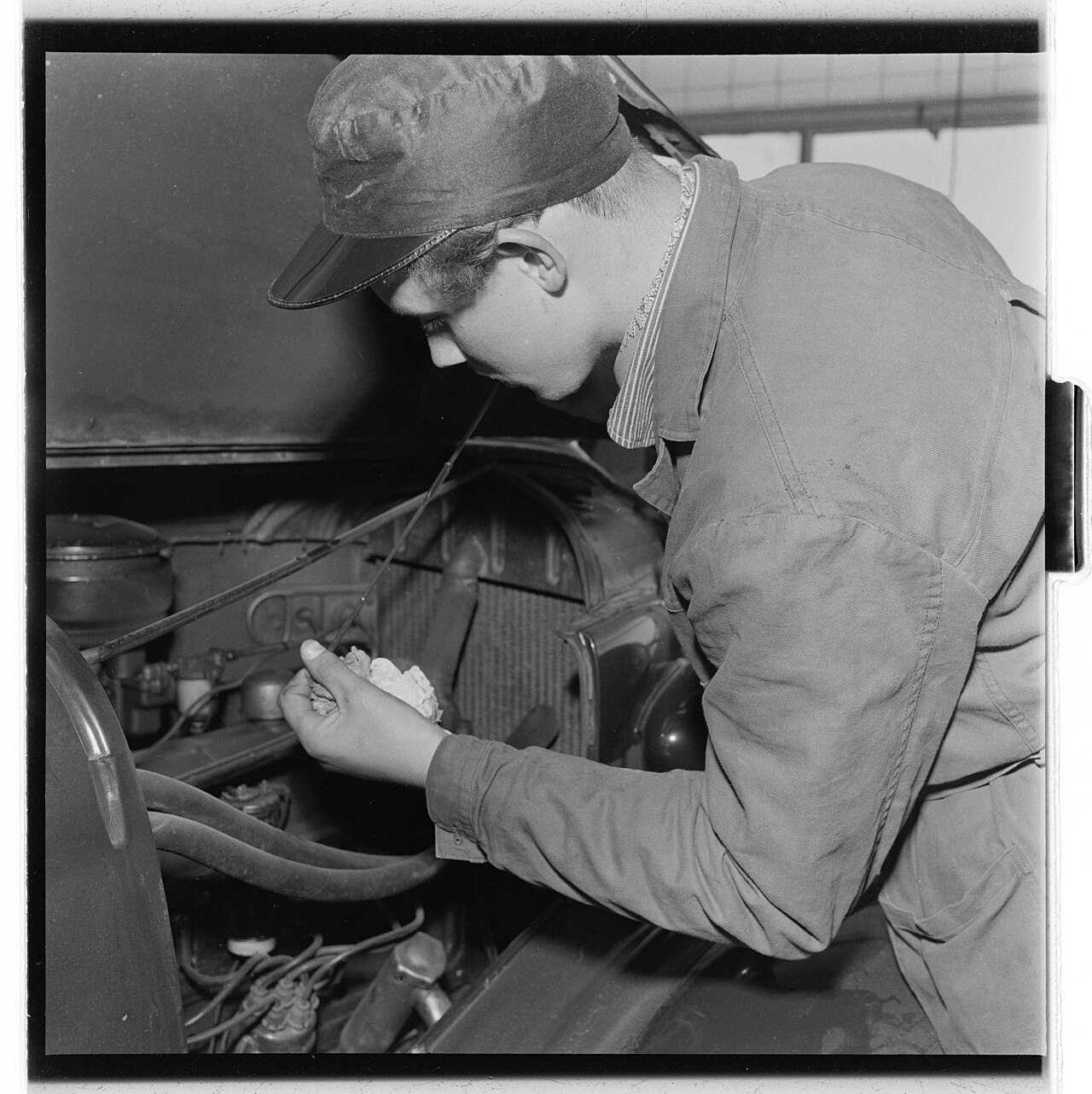
Every piston engine burns a little oil; zero consumption does not exist in practice. The question is how much. Mechanic guidance generally treats up to 1 litre per 1,000 miles as acceptable on high-mileage vehicles, and flags consumption past that threshold for investigation.
If you are topping up a litre every few hundred miles, that is excessive by any standard. Manufacturers publish their own thresholds, and some newer engines with known consumption issues have been subject to warranty extensions. Check yours before paying for a rebuild.
Keep a simple log: mileage and amount added at each top-up. It turns a vague worry into a number you can act on, and it is what any mechanic will ask for.
What to do about it
Work from cheap to expensive:
- Confirm there is truly no leak. Check the undertray, the oil filter housing, and the drain plug area. Some leaks only drip while driving and never mark the driveway.
- Switch to the correct specification oil. Use the exact viscosity and standard your manufacturer requires. For an older engine with mild consumption, a slightly heavier grade within spec can slow the loss.
- Replace the PCV valve. It costs little and eliminates one whole category of cause.
- Try a proper diagnosis before a rebuild. A compression test and a leak-down test reveal whether the rings are the problem. Valve seal diagnosis often starts with the cold-start smoke observation described above.
- Know the real fixes. Valve stem seals can sometimes be replaced without removing the engine, but piston rings mean an engine teardown or rebuild. Costs range from a few hundred for seals to thousands for rings, so the diagnosis matters more than the guess.
For guidance on choosing the right oil in the first place, see synthetic vs conventional oil and our explainer on the engine oil change interval myth. If you are evaluating a used car, our checklist for buying a used car without getting scammed covers how to spot oil burners before you buy.
Frequently asked questions
Is it normal for a car to burn oil between changes?
A small amount is normal, especially past 100,000 kilometres. Consumption up to about 1 litre per 1,000 miles is generally considered acceptable on a high-mileage engine. Past that, or on a low-mileage car, it deserves investigation.
Can I just keep topping up the oil instead of fixing it?
For mild consumption, many drivers do exactly that, and mechanics often bless it as the economical choice on an old car. The risks are running low between checks (which destroys engines fast) and fouling the catalytic converter over time. Check the level every fuel stop.
Does thicker oil stop oil burning?
Switching to a slightly heavier viscosity can reduce consumption on a worn engine by sealing gaps better. It is a management strategy, not a repair, and you should stay within grades your manufacturer approves.
Will burning oil damage my catalytic converter?
Yes, over time. Burned oil leaves ash and phosphorus deposits on the catalyst, and the excess hydrocarbons overwork it. Ignoring heavy oil consumption long enough turns an engine repair into an engine plus exhaust repair.
The bottom line
A car that burns oil without leaking is consuming it through worn piston rings, hardened valve stem seals, or a stuck PCV valve. Watch the exhaust: a brief blue puff at cold start points to the seals, persistent smoke under load points to the rings. Log your consumption, fix the cheap causes first, and get a compression test before agreeing to any major engine work.
Latest in Auto
- Synthetic vs Conventional Oil
- The Engine Oil Change Interval Myth
- Check Transmission Fluid With a Dipstick
- Buy a Used Car Without Getting Scammed: Checklist
Tags
oil consumption, piston rings, valve seals, engine maintenance, car repair
Rive News's research desk writes plain-English explainers on how everyday machines work, based on documented sources.
Subscribe for one useful explainer every morning.
© 2026 Rive News. All rights reserved. Corrections: [email protected].
This article is for general information only, not mechanical advice. For a specific diagnosis, consult a qualified mechanic.
Related stories

Why Does Tire Pressure Drop in Cold Weather?
Cold weather can cut tire pressure by 1 psi for every 10°F drop, thanks to the ideal gas law. Here is what happens inside the tire and what

Why Do Brake Rotors Warp, or Do They Actually?
Mechanics rarely see a truly warped rotor. The shudder usually comes from uneven pad deposits a few thousandths of an inch thick. Here is th

How to Buy a Used Car Without Getting Scammed: The Checklist
Over 450,000 cars a year have rolled-back odometers, NHTSA says. This checklist covers VIN checks, title washing, and the inspection that ca