
Tires Wear Unevenly on the Inside Edge: Causes and Fixes
Key takeaways
- Inside-edge wear usually comes from excess negative camber, a toe error, or worn suspension parts.
- Toe scrub destroys tread faster than camber, and it leaves a feathered, sawtooth feel.
- New tires will wear the same way unless the alignment or suspension fault is fixed first.
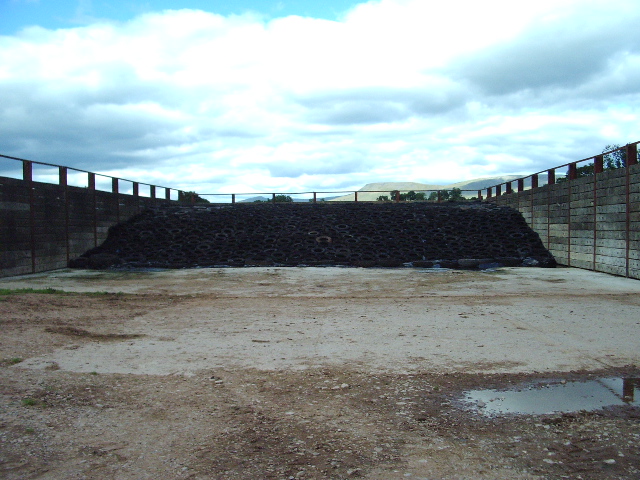
A tire should wear evenly across its tread. When the inside edge goes bald while the rest of the tread still looks healthy, something is pushing that edge into the road harder than the rest. The pattern is a symptom, not a tire defect, and replacing the tire alone will not fix it.
This article explains why tires wear unevenly on the inside edge, how to tell camber wear from toe wear, which suspension parts cause it, and what to fix before buying new tires.
What inside-edge wear looks like
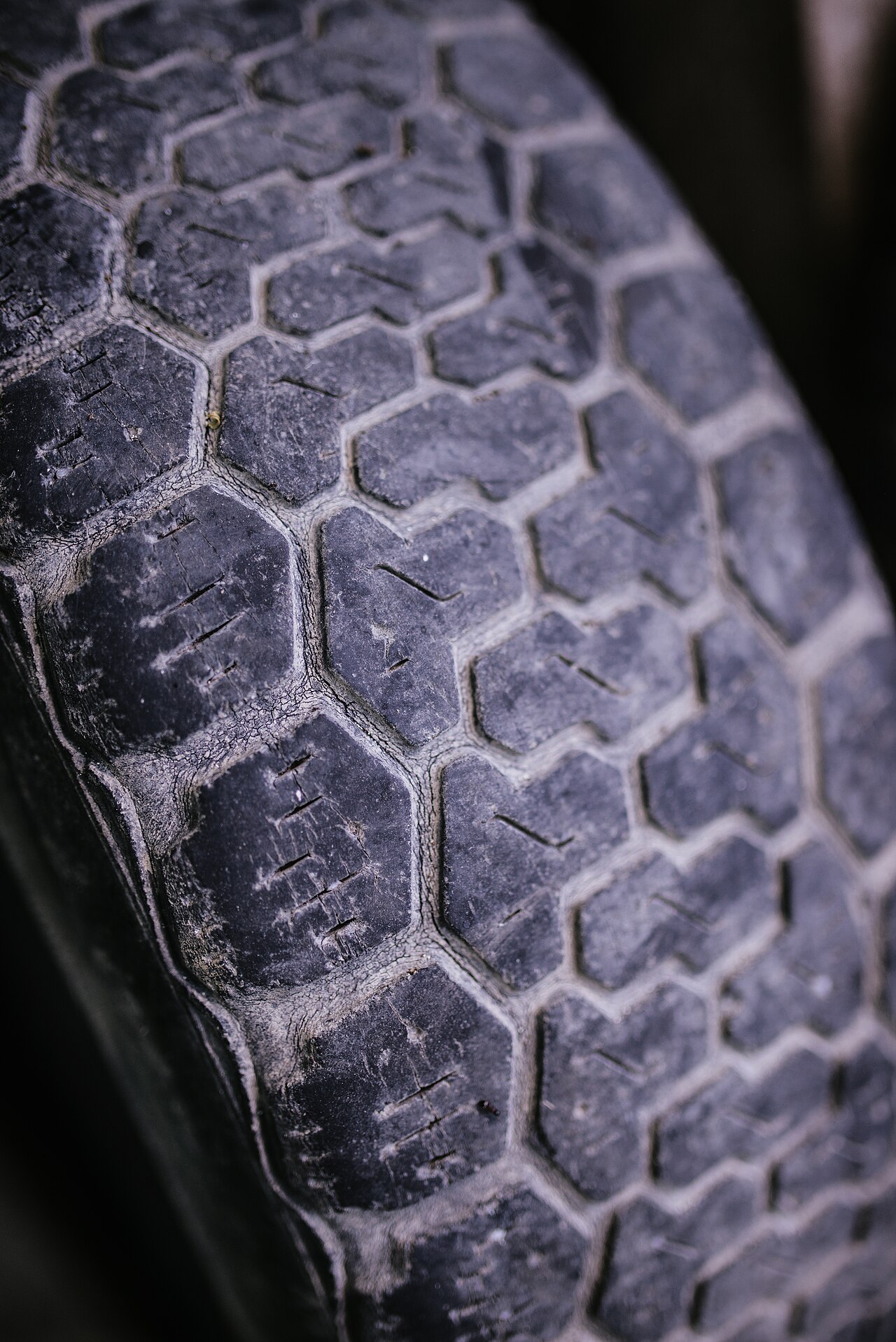
Stand at the front of the car and look at the inner shoulder of each tire, the edge nearest the suspension. On a tire with inside-edge wear, that shoulder looks smooth, rounded, or bald, while the outer shoulder still shows clear tread blocks. Run a hand across the tread from outside to inside.
A smooth, even slope points to camber. A rough, sawtooth texture points to toe.
The wear can appear on one axle or all four tires. Front tires often show it first, since steering and braking load them harder.
Rear tires can show it too, especially on cars with sport-tuned suspensions or independent rear setups. Check all four tires, not just the one that caught your eye.
Inside-edge wear also shortens tire life in a way that is easy to miss. The outer tread can still look legal while the inner edge reaches the cords.
A tire worn to the cords on one edge is done, even if the rest looks fine. Monthly tread checks should include the inner shoulder, which is the part drivers rarely see.
Negative camber: the usual suspect
Camber is the inward or outward tilt of the tire when viewed from the front. Negative camber means the top of the tire leans inward, toward the car. That tilt shifts more of the car's weight onto the inner shoulder, so that edge wears faster.
A small amount of negative camber is normal. One widely cited garage guide puts typical values at 0.5 to 1.5 degrees of negative camber for stability.
Sporty cars often run more, which is why models like the BMW 3 Series and Ford Focus appear more often in reports of inner-edge wear. The problem starts when camber goes past the manufacturer's specification.
Camber rarely goes out of spec on its own. Worn ball joints, the parts that connect the suspension control arms to the wheel hub, let the wheel tilt further inward.
Worn control arm bushings, sagging coil springs, and leaking dampers can do the same. A pothole strike or curb hit can bend a control arm or strut and change camber in one impact.
Camber wear is slow and steady. Engineer Fix notes that camber misalignment does not scrub rubber off the way toe does, but extreme deviations will still wear one edge down to the cord. If the inner edge is smooth and the car handles normally, camber is the first angle to check.
Toe error: the faster tire killer
Toe is the angle of the tires when viewed from above. Toe-in means the fronts of the tires point slightly toward each other, like pigeon toes.
Toe-out means they point slightly apart. Either error makes the tire drag sideways as it rolls, instead of rolling straight ahead.
That sideways drag is called scrub, and it eats tread quickly. Engineer Fix describes toe scrub as one of the most aggressive causes of irregular wear. The tire is dragged sideways with every rotation, which shaves rubber off in a non-uniform pattern.
The result is feathering, a sawtooth texture you can feel by running a hand across the tread in both directions. One direction feels smooth, the other catches like a saw blade.
Toe wear can look like inner-edge wear when the scrub concentrates on the inner shoulder. It can also wear the whole tread in a feathered pattern.
The key difference is speed. A toe error can ruin a tire far faster than camber, and it often comes with a faint growling noise or vibration that rises with speed.
Toe goes out of spec after curb strikes, pothole hits, tie rod wear, or suspension work. Any repair that disturbs the steering or suspension can shift toe. That is why a professional alignment is standard practice after replacing tie rods, control arms, or ball joints.
Worn suspension parts behind the angles
Alignment angles do not change by themselves. Something in the suspension usually lets them move.
Ball joints are the most common culprit for inner-edge wear. SlashGear names worn ball joints as the most common cause, since failing joints alter camber and can shift toe as well.
Control arm bushings come next. These rubber or polyurethane cushions hold the control arms in place.
When they crack or soften with age, the arm shifts under load, and the wheel angles change while driving. The car may align perfectly on a rack and still wear tires on the road, because the angles move under braking and cornering forces.
Coil springs and dampers also matter. A sagging spring lowers ride height on one corner, which changes camber.
A leaking damper lets the wheel bounce and lose consistent contact. Engineer Fix links worn shocks and struts to cupping, a scooped pattern around the tread, which is a different pattern from edge wear but can appear alongside it.
Other suspects include wheel bearings with play, bent struts, and damaged subframe mounts. Heavy loads and frequent hard cornering make all of these worse. Overloading the car pushes the suspension past its designed ride height, which tilts the wheels and loads the inner edges.
Tire pressure and other contributors
Underinflation wears both shoulders of a tire, inner and outer, faster than the center. It can make existing inner-edge wear worse, since the soft tire spreads its load toward the edges.
Overinflation does the opposite, wearing the center tread. Neither pattern matches pure inner-edge wear on its own, but pressure errors speed up any wear problem.
Check pressures cold, before driving, and use the manufacturer's figure from the door jamb or fuel flap. A gauge reading taken after a highway drive will read high, since heat raises pressure. Monthly checks catch slow leaks before they turn into wear.
Rotation helps spread wear, but it does not fix a geometry fault. One garage guide recommends rotating tires every 6,000 to 8,000 miles to distribute wear evenly.
Rotation buys time on a healthy car. On a car with a camber or toe fault, it just moves the wear to different tires.
Driving habits also play a role. Hard cornering loads the inner edges, and rough roads hammer suspension parts. None of this causes inner-edge wear on a healthy car, but it accelerates wear once a fault exists.
How to diagnose and fix it
Start with a visual inspection. Check all four tires for inner-edge wear, feathering, cupping, and tread depth.
Run a hand across the tread in both directions to feel for sawtooth texture. Check pressures with a gauge, and look for loose or clunking suspension parts by rocking each wheel with the car safely raised.
Next, get a four-wheel alignment at a shop with a printout. The before-and-after readings show camber, toe, and caster for each wheel, and they show whether the fault sits on one corner or one axle.
Ask the technician to inspect ball joints, bushings, tie rods, and dampers before adjusting anything. Aligning a car with worn parts wastes money, since the angles will drift again as soon as the car moves.
Fix worn parts first, then align. Ball joints, bushings, tie rods, and bent arms need replacement, not adjustment. After the repair, the alignment brings the angles back to specification.
Only then should new tires go on. Engineer Fix warns that replacing tires without correcting the toe setting will make the new tire wear out just as quickly.
Preventive checks cost far less than a set of tires. One garage guide suggests alignment checks every 12 to 24 months, or after any pothole strike, curb hit, or suspension repair. Monthly tire inspections catch wear early, when an alignment is still a cheap fix.
Can inner-edge wear be caused by normal driving?
A small amount of inner wear can appear on sporty cars with factory negative camber. Even then, the wear should be slow and even. Fast or one-sided wear points to a fault, not to normal use.
Is it safe to drive on tires with inner-edge wear?
It depends on severity. Light wear with full tread depth left is a prompt to get an alignment soon.
Wear down to the cords, a visible bulge, or a vibration at speed means the tire is no longer safe. Have it inspected before driving further.
Will rotating the tires fix inner-edge wear?
No. Rotation spreads wear across tires, but it does not correct camber, toe, or worn parts. Fix the cause first, then rotate on a normal schedule.
The bottom line
Inside-edge wear means the tire is not meeting the road squarely. Excess negative camber loads the inner shoulder, toe error scrubs it away, and worn ball joints or bushings let both angles drift.
Check pressures, inspect the suspension, fix worn parts, then align, and only then fit new tires. That order saves money and keeps the next set wearing evenly.
Tags: tires, wheel alignment, suspension, car maintenance
Latest in Auto
- What the 12V battery does in an electric car
- How run-flat tires keep you moving after a puncture
- Why your car drifts right on straight highways
- Why new windshield wipers still streak
Subscribe to the Rive News newsletter for one practical car guide each week.
Related stories

Why Does Tire Pressure Drop in Cold Weather?
Cold weather can cut tire pressure by 1 psi for every 10°F drop, thanks to the ideal gas law. Here is what happens inside the tire and what

Why Do Brake Rotors Warp, or Do They Actually?
Mechanics rarely see a truly warped rotor. The shudder usually comes from uneven pad deposits a few thousandths of an inch thick. Here

How to Buy a Used Car Without Getting Scammed: The Checklist
Over 450,000 cars a year have rolled-back odometers, NHTSA says. This checklist covers VIN checks, title washing, and the inspection that