
Windshield Wipers Streak When New: Causes and Fixes
Key takeaways
- A dirty windshield is the most common reason new wipers streak, not a defective blade.
- Installation errors, like a loose adapter or a leftover shipping sleeve, mimic a bad blade.
- Clean the glass first, then the blade edge, before returning any new wiper.
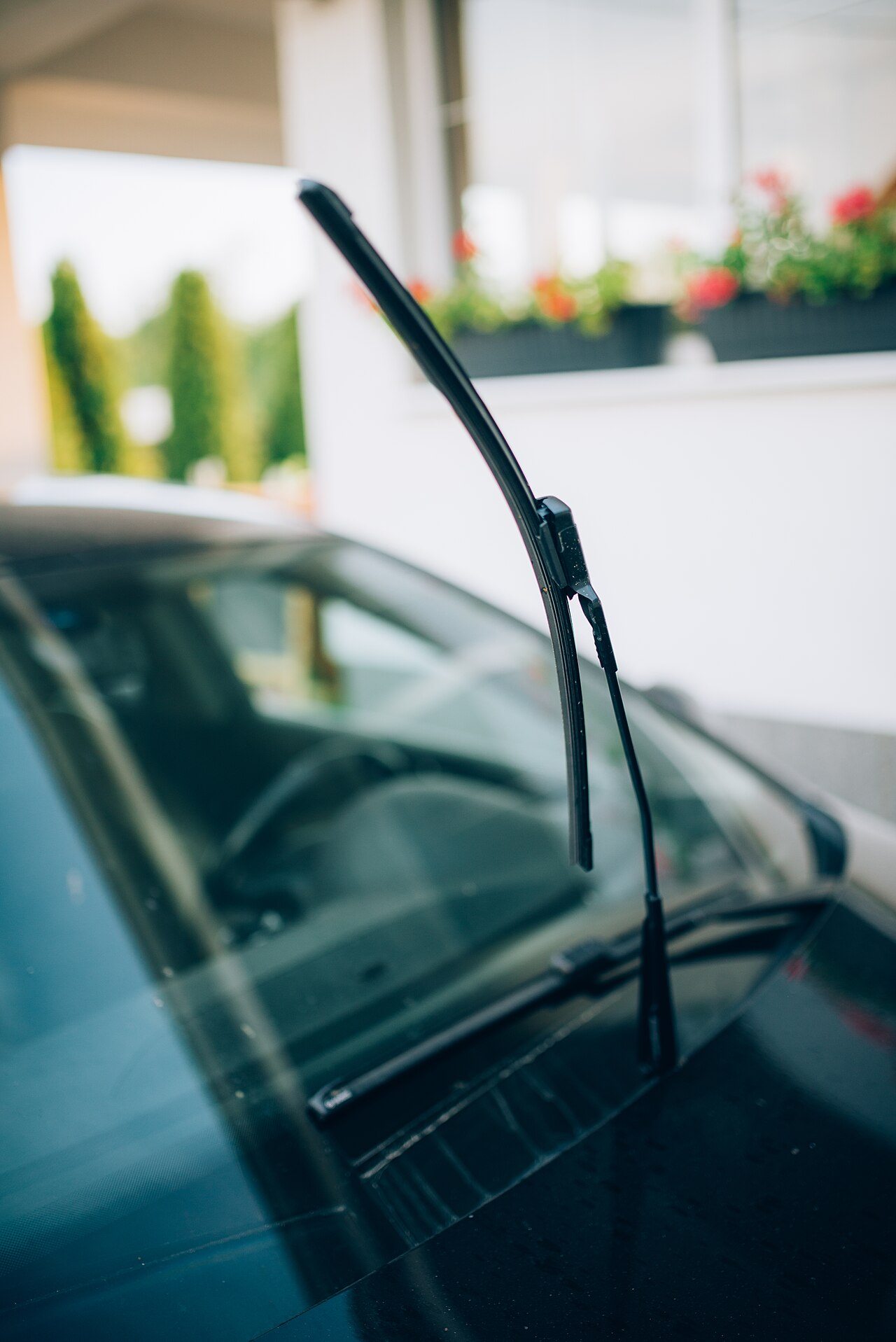
New wipers should wipe clean. When they smear, skip, or leave lines on the first rainy day, the instinct is to return them as defective.
Sometimes they are. More often, the blade is fine and something else is in the way.
This article explains why windshield wipers streak even when new, how to tell a glass problem from a blade problem, and which fixes to try before buying another set.
The dirty windshield problem
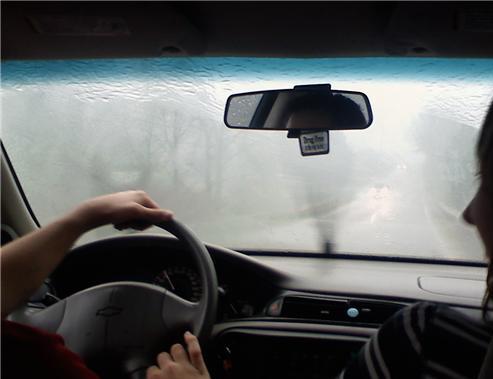
The most common cause of streaking is not the blade at all. It is the glass. Torque puts it plainly: wiper blades cannot deliver a clean wipe and will streak if the windscreen is dirty.
Dust and airborne particles settle on the glass every day. When rain comes, the wipers switch on long before the rain has washed those contaminants away.
The blade then drags grit across the glass. Torque explains that these minute particles get dragged over the windscreen and, over time, create microscopic scratches.
Those scratches catch water and show up as streaks. A new blade cannot fix a scratched or filmed windshield, since the problem sits on the surface it wipes.
Films are the quiet version of the same problem. Wax from car washes, oily road film, tree sap, bug residue, and old water-repellent coating all leave layers on the glass.
Mechanic Insights lists old wax, oily film, sap, bug residue, and coating buildup among the causes of new-blade streaking. A blade sliding over that film skips and smears instead of sweeping clean.
The fix starts with the glass, not the blade. Wash the windshield with automotive glass cleaner and plenty of water.
Torque advises washing the windscreen frequently, even more often than the car body, and polishing it every two or three months to remove built-up dirt. A washer additive in the reservoir helps between washes.
One habit makes things worse. Torque warns against using the windscreen washer to clean a dirty windscreen when it is not raining. The nozzles do not supply enough water to flush the grime away before the blades start dragging it across the glass.
The dry grit acts like an abrasive. Wash the glass by hand with car shampoo and plenty of water instead.
Installation errors that mimic a bad blade
A new blade can streak because it was never installed correctly. Mechanic Insights lists several fitting errors: the wrong blade length, the wrong connector adapter, a blade not fully clicked into the arm, and a plastic shipping sleeve left on the blade. Each one stops the rubber edge from meeting the glass evenly.
The adapter matters more than most drivers expect. Wiper arms use different connector styles, and blades ship with adapter sets.
If the wrong adapter is fitted, or the adapter is not locked in, the blade can sit at the wrong angle or wobble during the sweep. The rubber edge then lifts in places and leaves lines.
Length matters too. Blades that are too long can hit the trim or each other. Blades that are too short miss part of the sweep.
Many cars use different lengths on the driver and passenger sides, so swapping them creates a mismatch. Check the owner's manual or a fitment guide for the correct lengths before buying.
The shipping sleeve is the simplest error and the easiest to miss. New blades often ship with a plastic guard over the rubber edge.
If it stays on, the blade wipes with plastic instead of rubber, and streaks are guaranteed. Check the edge before fitting, and peel off any guard.
Damage during installation is another cause. The rubber edge is thin and easy to nick.
Forcing a blade onto the arm, or letting it snap back against the glass, can cut or fold the edge. A nicked edge leaves a line on every sweep, exactly where the nick sits.
Arm pressure and blade angle
If the glass is clean and the blade is fitted correctly, the arm is the next suspect. The wiper arm presses the blade against the glass with a spring.
If that spring is weak, or the arm is bent, the blade does not press evenly. Mechanic Insights lists a weak or bent wiper arm among the causes of new-blade streaking, along with uneven arm pressure.
The blade should flip direction smoothly at the end of each sweep. Mechanic Insights explains that if the blade drags in one direction, the arm may be twisted or bent.
A twisted arm holds the blade at the wrong angle, so the rubber edge digs in on one stroke and lifts on the return. The result is a streak that appears in one direction only.
Arm pressure cannot usually be adjusted with a screw. Mechanic Insights notes that the pressure comes from the arm spring and the shape of the arm.
A bent arm may be corrected by a technician, but a weak spring usually means the arm needs replacement. Arm replacement typically costs 40 to 200 dollars or more, according to Mechanic Insights, depending on the vehicle.
Check the arm by lifting it gently and watching it return to the glass. It should sit flat and press firmly along the full blade length.
If one end lifts, or the arm feels loose at the pivot, the arm or its mounting nut needs attention. Do not force a stiff arm, and do not bend it by hand without knowing the correct angle.
Glass damage and blade quality
Stone chips, cracks, and scratches in the windshield can streak even a perfect blade. Volkswagen's technical service bulletin 9206-04, issued in June 2006, lists dirty windshields, dirty wiper blades, and stone chips, cracks, or scratches as the most common causes of streaking wipers. The bulletin tells technicians to inspect the glass for chips and scratches before replacing blades, since glass damage affects blade performance.
A chip creates a small bump or pit that the blade must jump. Each pass leaves a line at that spot. A scratch does the same along its length.
If streaks always appear in the same place, look closely at the glass there. Chips and scratches caused by road debris cannot be fixed by a new blade, and they may need glass repair or replacement.
Blade quality plays a role too. Mechanic Insights notes that a low-quality blade on a curved windshield can streak, since the blade may not follow the glass curve. Beam-style blades usually conform better than old bracket-style blades on curved glass.
Cheap blades can also have uneven rubber edges straight from the factory. If the glass is clean, the arm is sound, and the blade still streaks, a defective blade is a real possibility.
Cold weather adds another factor. Blades frozen to the glass can tear when forced on.
Mechanic Insights warns against turning on frozen wipers, since forcing them can damage the rubber, linkage, fuse, or motor. Clear ice and snow first, and free the blades before switching them on.
The cleaning sequence that fixes most streaks
Volkswagen's service bulletin gives a clear order of operations: inspect the glass, clean the glass, clean the blades, and only then replace the blades if streaking continues. The bulletin specifies cleaning the windshield with a glass cleaner to remove all foreign objects, and cleaning the blades with a clean, damp cloth, using water only. It warns against using any kind of cleaner on the blades themselves.
Follow that sequence at home. First, inspect the windshield for chips, cracks, and scratches. Mark any spot where streaks always appear.
Second, wash the glass by hand with automotive glass cleaner and plenty of water. Work in sections, and rinse well.
Third, wipe the blade edge with a damp microfiber cloth. Mechanic Insights advises wiping until no more black residue comes off.
Fourth, test the wipers with clean water on the glass. If the streaks are gone, the glass was the problem. If streaks remain in one spot, check for glass damage there.
If streaks remain across the whole sweep, recheck the blade fitment, adapter, and arm pressure. Only after those checks should the blade go back to the store.
Preventive habits keep streaks away. Wash the windshield more often than the body, clean the blades when washing the car, and replace blades at the first sign of streaking during rain.
Torque notes that wipers are among the highest-wearing parts on a car, and dust builds up on old blades over time. Regular replacement is cheaper than the visibility it protects.

How often should wiper blades be replaced?
There is no fixed schedule, since climate and use vary. Torque advises replacing blades as soon as streaks appear during rain.
Many drivers find that 6 to 12 months is typical. Sun, ice, and heavy use shorten life.
Can washer fluid alone clean a dirty windshield?
No, not when the glass is dry and dirty. The washer does not deliver enough water to flush grit before the blades drag it across the glass. Wash by hand with plenty of water first, then let the washer maintain a clean windshield.
Do water-repellent coatings cause streaking?
They can, if applied unevenly or layered over old residue. Mechanic Insights notes that uneven coating residue can make blades chatter or smear. If streaking started after applying a coating, strip the windshield and wipe the blade edges before blaming the blades.
The bottom line
New wipers streak most often because the windshield is dirty, not because the blade is bad. Clean the glass by hand, wipe the blade edge with a damp cloth, and check the fitment, adapter, and arm before returning anything. That sequence fixes most streaks for the cost of a cloth and a few minutes, and it leaves the blades a fair test on clean glass.
Tags: windshield wipers, car maintenance, visibility, car care
Latest in Auto
- What the 12V battery does in an electric car
- Why tires wear unevenly on the inside edge
- How run-flat tires keep you moving after a puncture
- Why your car drifts right on straight highways
Subscribe to the Rive News newsletter for one practical car guide each week.
Related stories

Why Does Tire Pressure Drop in Cold Weather?
Cold weather can cut tire pressure by 1 psi for every 10°F drop, thanks to the ideal gas law. Here is what happens inside the tire and what

Why Do Brake Rotors Warp, or Do They Actually?
Mechanics rarely see a truly warped rotor. The shudder usually comes from uneven pad deposits a few thousandths of an inch thick. Here

How to Buy a Used Car Without Getting Scammed: The Checklist
Over 450,000 cars a year have rolled-back odometers, NHTSA says. This checklist covers VIN checks, title washing, and the inspection that