
Toyota agrees to $750 million payout over faulty diesel filters: 264,170 cars affected
Web StoryWatch this story in 15 seconds →Key takeaways
- Toyota Australia agreed to pay $750 million to end two class actions over faulty diesel filters.
- The filters affected 264,170 HiLux, Prado and Fortuner cars built from 2015 to 2020.
- A judge must still approve the deal before owners see any money.
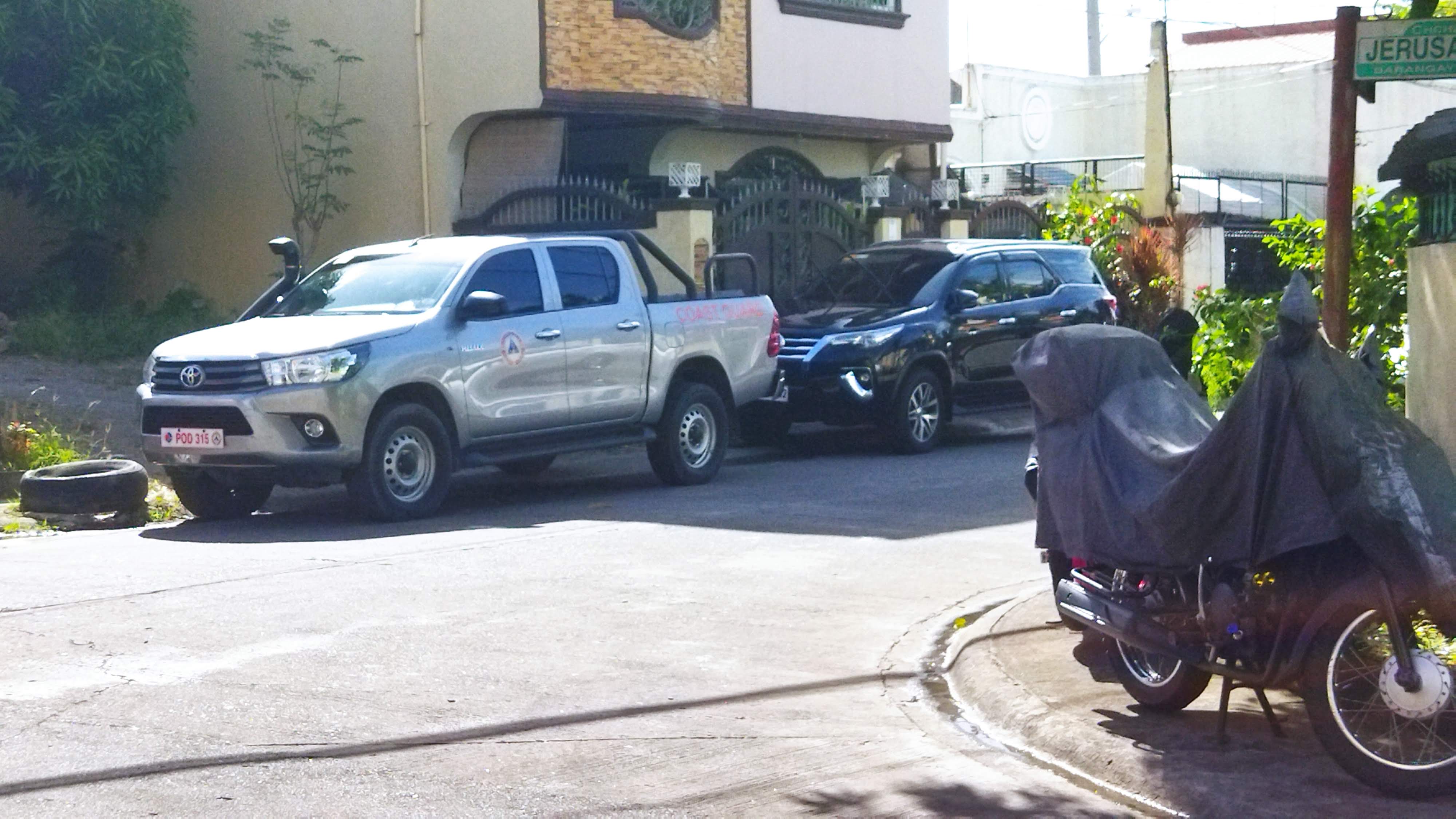
Toyota Australia will pay $750 million. The money settles two class actions over faulty diesel filters. The deal covers 264,170 cars.
It still needs a judge to approve it.
What happened
A diesel particulate filter is called a DPF. It traps soot from a diesel engine. Then it burns the soot off.
This process is called regeneration. Think of it as a filter that cleans itself.
The DPFs in some Toyota cars did not work right. They could clog up. The cars then blew thick white smoke.
The exhaust smelled bad. The cars used more fuel. Owners faced extra trips to the workshop.
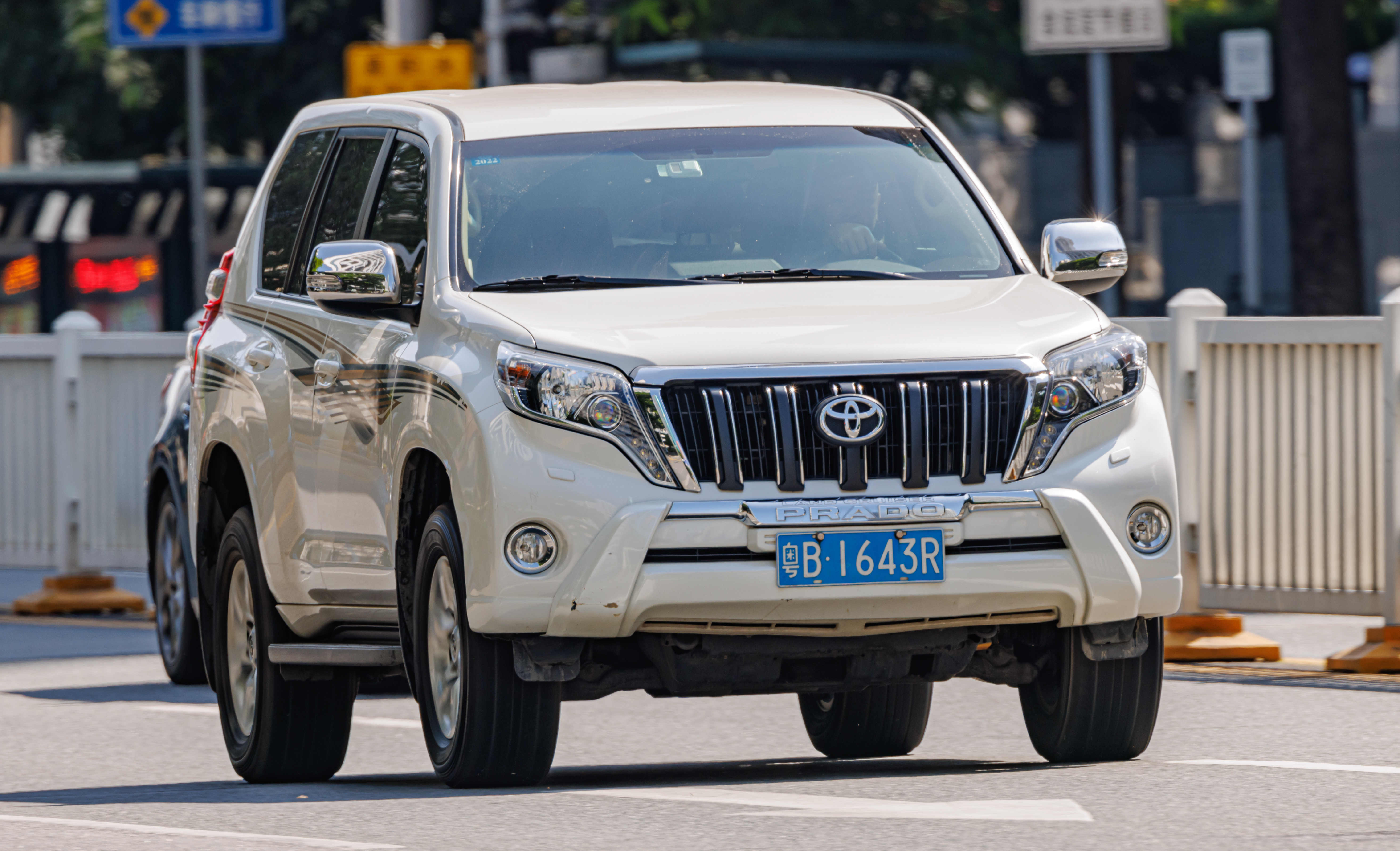
Three models were affected. They were the HiLux ute, the LandCruiser Prado SUV, and the Fortuner SUV. They were built between October 1, 2015, and April 23, 2020. They used 2.4-litre or 2.8-litre turbo-diesel engines.
The first class action began in 2019. It is called the Williams class action. It covers buyers who got their cars in the original period. It also covers some people who bought these cars second-hand.
A second class action began in July 2025. It is called the Taylor class action. It covers people who bought affected cars privately between April 24, 2020, and July 31, 2025. These owners must still own the car today. If you plan to buy a used car, check its history first.
In 2022, the Federal Court found the cars were not of acceptable quality. It said the DPF systems had a defect. It also said Toyota engaged in misleading or deceptive conduct.
This was about how Toyota marketed and sold the cars.
Toyota appealed the decision. In March 2023, it lost that appeal. The court upheld the earlier finding.
In November 2024, the High Court sent the case back. The Federal Court had to look again at compensation. It had to weigh the repair that Toyota had made available.
Now Toyota has agreed to a $750 million settlement. The deal covers both class actions. The Federal Court must still approve it.
Why it matters
The $750 million figure is huge. According to the legal website Lawyerly, it is the largest class action settlement in Australian history.
The sum is nearly double Toyota Australia's record profit. Toyota Australia made $380 million after tax in the financial year ended March 31, 2026.
Early claims were even higher. The owners' lawyers once targeted more than $2 billion. After the 2023 appeal loss, the figure in play was about $1 billion.
The case matters beyond Toyota. It shows that car makers can face huge bills for defects. It also shows that a long legal fight can end in a deal.
For owners, the case is about real daily problems. White smoke. Bad smells.
Extra fuel costs. Extra service visits. These small costs added up over years.
Toyota says a free fix has been available since 2020. It added a manual DPF regeneration switch in June 2018. In May 2020, it rolled out a repair with new exhaust hardware and software.
In a statement, Toyota apologized for any inconvenience or discomfort. It said customer trust has been central to Toyota Australia for more than 70 years.
What happens next
The Federal Court must approve the settlement. No money moves until that happens.
Owners in the class actions should contact their legal representatives for details. The deal does not yet say how much each owner gets.
Owners with an affected car should check if the free repair has been done. A Toyota dealer can check this. If a warning light comes on, do not ignore it.
The case may push other car makers to fix defects faster. A $750 million bill is a strong warning.
The settlement does not change the free repair. It has been available since 2020. Owners can ask a dealer about it.
The 2.8-litre engine still powers the current diesel HiLux range. The Fortuner was axed in late 2025 after slow sales. Toyota still expects a record 2026. Vice president John Pappas predicts more than 220,000 sales this year.
For Toyota, the deal closes a seven-year fight. The brand can now focus on new cars. But owners will watch how the payout is shared.
Related stories

Why Does Tire Pressure Drop in Cold Weather?
Cold weather can cut tire pressure by 1 psi for every 10°F drop, thanks to the ideal gas law. Here is what happens inside the tire and what

Why Do Brake Rotors Warp, or Do They Actually?
Mechanics rarely see a truly warped rotor. The shudder usually comes from uneven pad deposits a few thousandths of an inch thick. Here

How to Buy a Used Car Without Getting Scammed: The Checklist
Over 450,000 cars a year have rolled-back odometers, NHTSA says. This checklist covers VIN checks, title washing, and the inspection that