
Warming down after exercise: what it actually does
By Rive News / Research desk | Rive News / Published October 28, 2026 at 9:00 AM PKT
Key takeaways
- A warm-down is light movement after hard exercise, not a sudden stop.
- It clears lactate from the blood faster than standing still does.
- It does not reliably reduce next-day muscle soreness or speed muscle repair.
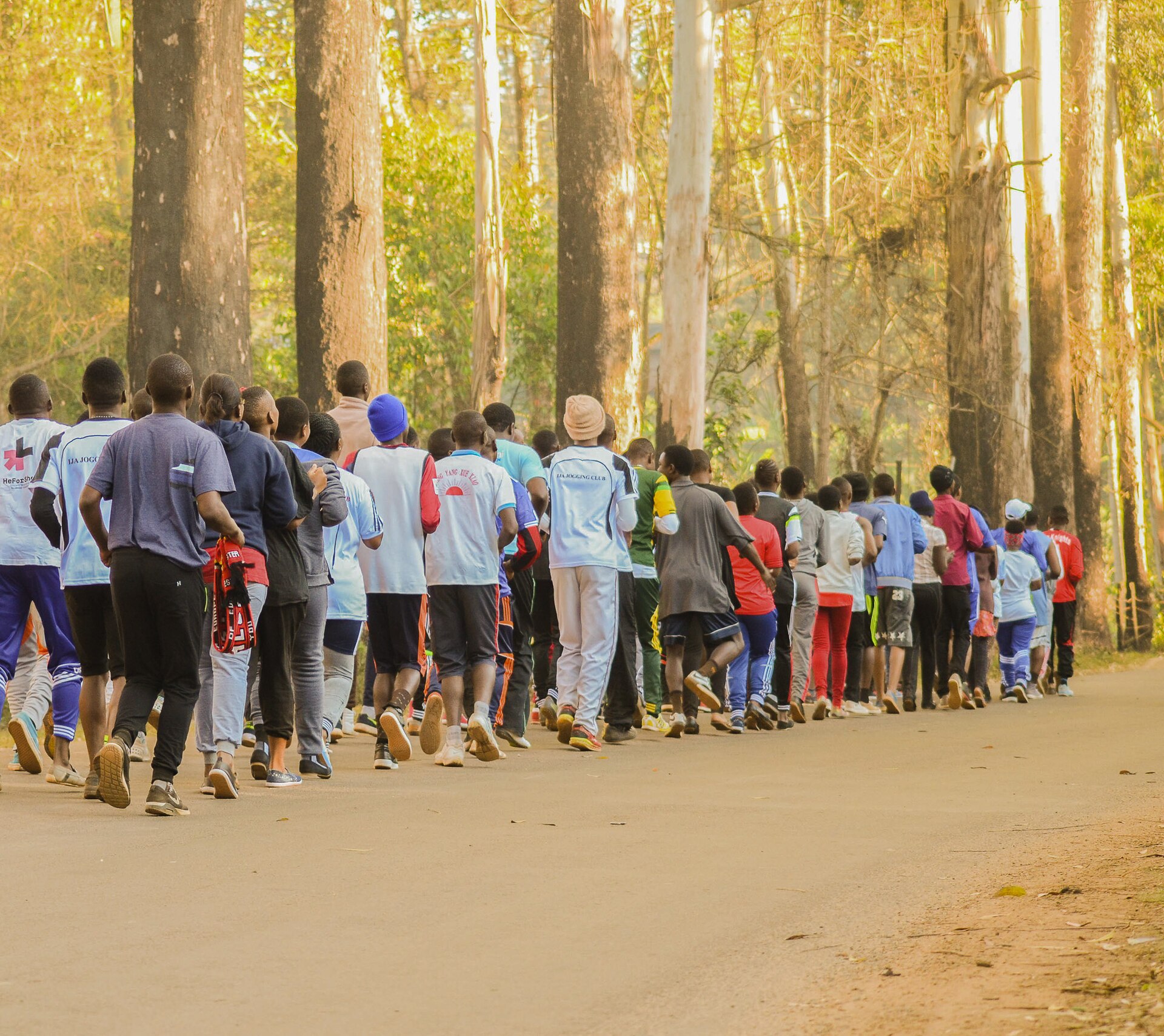
[Members of a local jogging club in Lushoto.] Photograph: the subject
Image Credits: Wikimedia Commons
Warming down means continuing to move gently for a few minutes after hard exercise instead of stopping dead. A slow jog after a run, an easy spin after a hard ride, or a few minutes of gentle stretching all count as a warm-down.
This article explains what a warm-down actually does inside the body, which of its famous benefits hold up in research, and which do not. This article is for general information only and is not medical advice; talk to a clinician about any symptoms.
What happens when you stop suddenly
During hard exercise, the heart pumps fast and blood vessels in the working muscles widen to deliver oxygen. The leg muscles also act as a second pump, squeezing veins with every stride and pushing blood back toward the heart.
When movement stops abruptly, that muscle pump stops too. Blood can pool in the legs, venous return falls, and blood pressure can dip briefly, which is one reason some people feel dizzy after a hard session.
A warm-down keeps the muscle pump running at low intensity while the cardiovascular system settles. The American College of Sports Medicine recommends a cool-down of at least 5 to 10 minutes of light to moderate aerobic and muscular endurance exercise after vigorous exercise.
That recommendation has two stated aims: a gradual recovery of heart rate and blood pressure, and help clearing metabolites such as hydrogen ions and blood lactate. Both aims are about a safe landing, not about magic recovery.
The clearest proven effect: faster lactate clearance
The strongest evidence for a warm-down concerns lactate, the byproduct of hard muscular effort. Research going back to Newman and colleagues in 1937 found that light activity after moderate to vigorous exercise returns blood lactate to resting levels faster than immediate rest.
Later work sharpened the dose. A study by Dodd and colleagues in 1984 found that light exercise at about 35 percent of maximal oxygen uptake improved blood lactate removal by up to 25 percent compared with no exercise.
A 2018 narrative review of the cool-down literature reached the same conclusion: an active cool-down generally leads to faster removal of lactate from the blood. The review added an honest caveat, noting that blood lactate is not necessarily cleared faster from muscle tissue itself.
That distinction matters for the next claim, because blood lactate and muscle soreness are not the same thing. Faster blood clearance feels good, but it does not automatically mean the muscles themselves have recovered.
What a warm-down does to heart rate
An active cool-down also changes how heart rate recovers. Research by Takahashi and Miyamoto in 1998 found that active recovery returned heart rate toward resting levels sooner than immediate rest, while maintaining venous return better.
The proposed mechanism is increased cardiac vagal tone, meaning the calming branch of the nervous system regains control sooner. In plain terms, gentle movement helps the body switch out of fight-or-flight mode in an orderly way.
That orderly switch is the safety case for warming down. The British Association for Cardiac Rehabilitation has recommended observing patients for up to 30 minutes after exercise, partly because the post-exercise window can bring postural drops in blood pressure.
For healthy exercisers, the practical version of that advice is simple: do not go from a sprint to standing still in a hot shower. Walk, pedal gently, and let heart rate fall in steps.
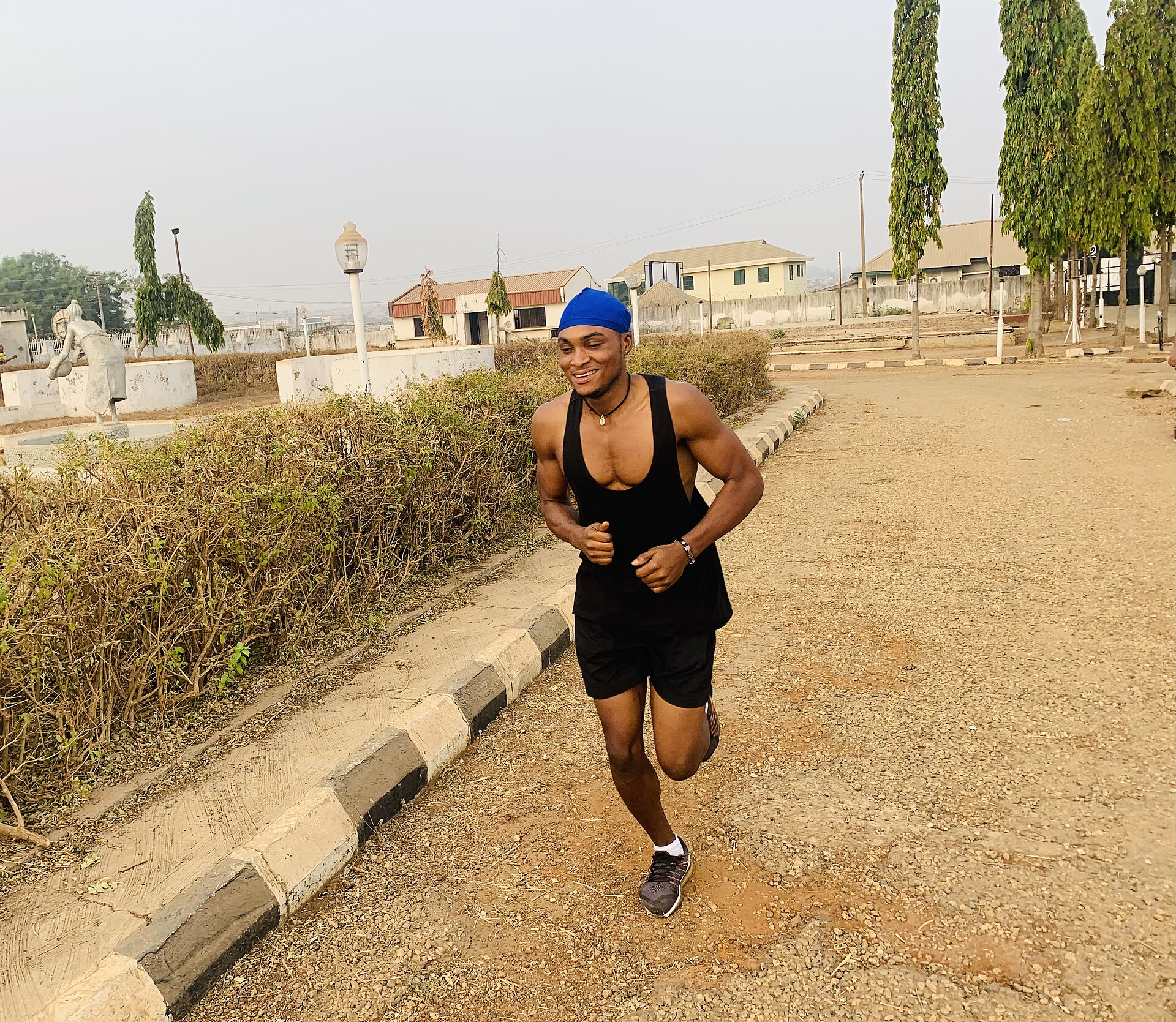
[A person jogging.] Photograph: the subject
Image Credits: Wikimedia Commons
What it does not do: the soreness myth
The most common reason people warm down is to avoid soreness the next day. The evidence does not support that reason.
The 2018 narrative review found that an active cool-down generally does not significantly reduce delayed-onset muscle soreness. It also found no significant improvement in indirect markers of muscle damage, neuromuscular recovery, range of motion, or tendon stiffness.
Delayed-onset soreness peaks 24 to 72 hours after unfamiliar or intense exercise and comes from microscopic muscle damage and the repair process. Light movement after the session does not undo that damage, however pleasant it feels at the time.
The review also found that a warm-down may interfere with glycogen resynthesis, the refuelling of muscle energy stores. Athletes training twice in one day may therefore prefer passive rest and food over a long active cool-down.
None of this makes warming down useless. It makes it specific: a warm-down is a landing procedure for the heart and circulation, not a repair procedure for muscle fibres.
What a good warm-down looks like
A useful warm-down lasts 5 to 10 minutes and stays easy enough to hold a conversation. For runners, that means a slow jog or walk; for lifters, a few minutes of light cycling or walking plus gentle mobility work.
Intensity matters more than the exact activity. Work around one third of maximal effort clears lactate well, while pushing hard again just extends the workout under another name.
Stretching belongs in the warm-down if it feels good, but stretching does not drive the main benefits. The circulation effects come from rhythmic muscle movement, not from holding a stretch.
One more benefit is psychological, and the 2018 review notes it plainly: most people perceive an active cool-down as more beneficial than a passive one. Feeling settled and unhurried after a session is a real outcome, even when it is not a physiological repair.
People with heart conditions should treat the warm-down as non-negotiable and discuss its length with their clinician. Anyone who faints, has chest pain, or feels palpitations after exercise should seek medical attention rather than stretching through it.
Frequently asked questions
How long should a warm-down last?
Five to 10 minutes of easy movement covers the standard recommendation. Longer gentle movement is fine if it feels good, but it adds little extra benefit.
Does warming down prevent injury?
There is no strong evidence that a warm-down prevents injury or soreness. Its proven role is a gradual cardiovascular recovery and faster blood lactate clearance.
Is stretching the same as warming down?
No, though the two often happen together. Warming down means light rhythmic movement; stretching means lengthening muscles, and it is an optional addition rather than the core of the cool-down.
Should I warm down after every workout?
After vigorous sessions, yes, especially after running, cycling, or interval training. After a gentle walk or easy yoga session, the body is already close to resting state, so a formal warm-down adds little.
The bottom line
Warming down does three things well: it keeps blood moving back to the heart, it clears blood lactate faster than standing still, and it lets heart rate fall gradually instead of crashing. What it does not do is erase next-day soreness or repair muscle damage.
Treat it as a landing, not a cure. Five to 10 easy minutes after a hard session is enough, and the payoff is a steadier recovery in the minutes that matter most.
Tags: cool down, recovery, exercise science
The Rive News research desk writes plain-language explainers from published research and public guidance, with sources listed for every article.
Related
- How to cool down properly after a run
- Why does your heart rate stay elevated after exercise?
- Why does stretching feel different before versus after a workout?
Subscribe to the Rive News newsletter for one research-backed explainer each week.
Rive News publishes general information explainers; claims are attributed to their sources, and corrections are published when an error is found.
Related stories
How long does it really take to build noticeable muscle?
Strength gains start in week one, but visible muscle takes 8-12 weeks for most beginners. What the Oklahoma CT-scan study measured,
Why you feel dizzy after a workout: the 5 common causes
Post-workout dizziness usually comes from a blood pressure dip, dehydration, or low blood sugar. The numbers behind each cause, and when
Why Do Knees Hurt When Squatting but Not Running?
Knees hurt when squatting but not running because deep bends multiply force on the kneecap. Learn the mechanics, common causes, fixes,