
Blooming cocoa powder in hot liquid: what it actually does
By Rive News / Research desk | Rive News / Published October 26, 2026 at 9:00 AM PKT
Key takeaways
- Blooming means mixing cocoa powder with hot liquid before it joins the rest of a recipe.
- The hot liquid hydrates the cocoa particles and releases flavour compounds trapped inside them.
- The result is deeper chocolate flavour, smoother texture, and darker colour in the finished bake.
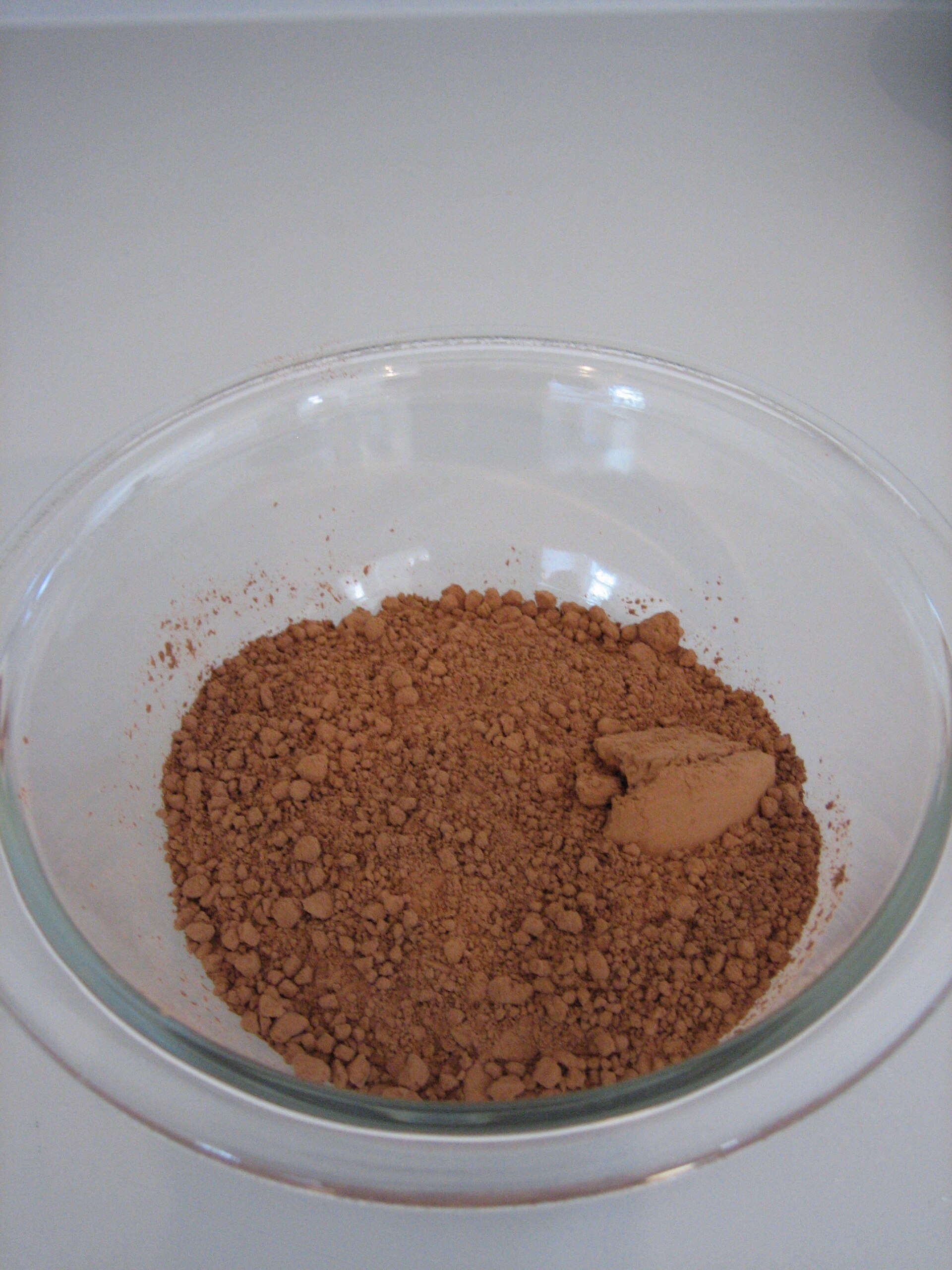
[A bowl of cocoa powder, whose flavour compounds stay partly locked away until hot liquid releases them. Photograph: Wikimedia Commons contributor]
Image Credits: Wikimedia Commons
Blooming cocoa powder means stirring it into a hot liquid, such as water, coffee, milk, or melted butter, before adding it to the rest of a recipe. The cocoa dissolves, the mixture thickens, and the finished bake tastes more intensely of chocolate than the same recipe made with dry cocoa.
Recipes that call for boiling water or hot coffee in a chocolate cake are usually asking you to bloom, whether they use the word or not. This article explains what blooming actually does inside the cocoa, which liquids work best, how to do it without ruining a recipe, and when to skip it.
What cocoa powder actually is
Cocoa powder starts as cocoa beans that are dried, roasted, and ground into a paste called cocoa liquor. That liquor is pressed to separate cocoa butter from cocoa solids, and the solids are ground into the fine powder sold as cocoa powder.
The powder is mostly tiny particles of cocoa solids carrying fat and flavour compounds. Added dry to flour, those particles never fully open up, so some of their flavour stays locked inside the particle instead of spreading through the batter.
Cocoa powder also differs by type, and the type changes how blooming behaves. Natural cocoa is acidic with a bright flavour and a lighter colour, while Dutch-process cocoa has been alkalized for a smoother, mellower flavour and a darker colour.
What hot liquid does to cocoa
The first thing hot liquid does is hydrate the cocoa particles. Dry cocoa resists wetting and clumps easily, but hot liquid penetrates the particles, dissolves the soluble parts, and turns the mixture into a smooth paste.
The Kitchn's guide to blooming, updated in May 2019, describes exactly this: the cocoa powder dissolves, the liquid thickens, and flavour particles within the powder are released. That release is the core of the technique.
Heat also frees volatile aromatic compounds trapped in the cocoa fat. These are the compounds you smell when you lift the bowl, and smell is a large part of what we experience as flavour, so freeing them changes the taste even before baking begins.
A third effect is on texture. Hydrated cocoa disperses evenly through a batter instead of sitting in dry pockets, which removes the gritty or dusty mouthfeel that dry cocoa can leave in a cake or brownie.
A fourth effect is colour. Fully hydrated cocoa darkens as it disperses, so a bloomed batter looks richer and more chocolatey than the same batter mixed with dry cocoa, which is part of why bloomed cakes photograph so well.
BakeClub's Anneka Manning, writing in October 2025, lists five benefits that match this picture: intensified flavour, reduced bitterness, a moister crumb, more even dispersion, and deeper colour. Bitterness softens because the flavour compounds are released in balance rather than arriving as harsh, dry notes.
The basic method
Blooming is simple, but it has one rule that many bakers miss. The liquid used for blooming must be counted as part of the recipe's total liquid, or the batter ends up too wet.
Wassembakes gives a clean ratio: 1 part cocoa to 2 parts hot liquid, whisked into a smooth paste. If you bloom 2 tablespoons of cocoa with a quarter cup of water and the recipe calls for 1 cup of water, you then add only three quarters of a cup later.
Heat the liquid until it is hot but not boiling. BakeClub warns that boiling liquid can scorch the cocoa, while Oetker's guide puts the useful range around 50 to 65 degrees Celsius for a gentle bloom.
Whisk the cocoa into the hot liquid until no lumps remain, then let the mixture sit for a minute or two. The Kitchn notes that this short rest is when the cocoa dissolves and thickens, so skipping it loses part of the benefit.
Let the bloomed mixture cool before it meets eggs or butter. The University of Wyoming Extension guide, written by nutrition and food safety educator Vicki Hayman, stresses this step: cooling is essential so the hot cocoa does not precook the other ingredients.
Once cooled, add the bloomed cocoa with the wet ingredients and proceed as normal. The rest of the recipe does not change, which is what makes blooming such a cheap improvement.
Which liquid to use
Hot water is the neutral choice. It releases the cocoa's own flavour without adding any of its own, so it is the safest option when you want the chocolate to speak for itself.
Hot coffee is the most popular upgrade. Coffee deepens chocolate flavour through taste masking, where one flavour component suppresses the perception of another, and the result reads as more chocolate rather than as coffee.
The coffee flavour itself stays in the background at normal recipe amounts. A cake bloomed with coffee does not taste like a coffee cake; it tastes like a more intense chocolate cake, which is why so many chocolate cake recipes call for hot coffee.
Hot milk or cream adds richness and body. Milk brings its own sugars and proteins, which round out the chocolate flavour, and it suits brownies, puddings, and frostings where richness is welcome.
Melted butter or warm oil works when the recipe is fat-based. The Kitchn notes that its pantry cocoa brownies bloom the cocoa in oil, and the fat carries the flavour compounds into the batter in a different way from water.
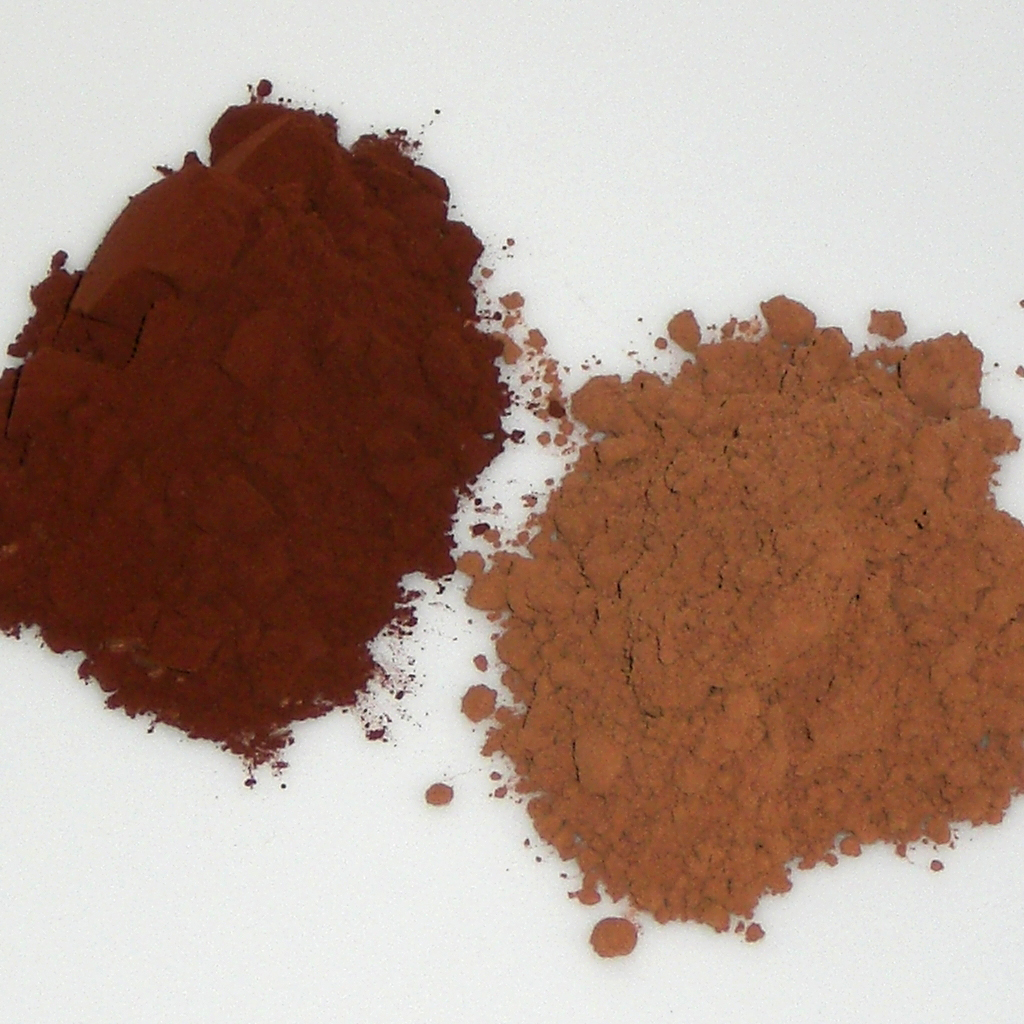
[Natural and Dutch-process cocoa side by side, with the darker Dutch-process on one side and the lighter natural cocoa on the other. Photograph: Wikimedia Commons contributor]
Image Credits: Wikimedia Commons
Natural versus Dutch-process cocoa
The type of cocoa changes how much blooming matters and which leavener the recipe needs. Natural cocoa is acidic, so it reacts with baking soda and produces lift in a batter.
Blooming makes the biggest difference with natural cocoa, according to Wassembakes. Its bright, sharp flavour benefits most from the rounding and deepening that hot liquid provides.
Dutch-process cocoa has been treated with an alkali to neutralize its acidity. It tastes smoother and darker, and because its acid is gone, it needs baking powder, which carries its own acid, to lift a batter.
Blooming still helps Dutch-process cocoa, but the gain is smaller because the flavour is already mellow. The texture and colour benefits remain, which is why many brownie recipes bloom Dutch-process cocoa anyway.
When blooming helps most
Chocolate cakes are the classic case, especially devil's food and other cakes where chocolate is the star. The extra intensity from blooming is immediately obvious in a plain chocolate cake with no competing flavours.
Brownies benefit nearly as much. A brownie's dense, fudgy crumb shows off the smoother texture and deeper colour that blooming produces, and the fat in the recipe carries the released flavour well.
Chocolate puddings and mousses gain from the even dispersion. Dry cocoa can leave a gritty texture in a delicate pudding, while bloomed cocoa disappears into the base completely.
When to skip blooming
Blooming is not always an improvement, and the University of Wyoming Extension guide is clear about the exceptions. Some recipes do not include enough liquid to dissolve the cocoa, and in those cases adding extra liquid just to bloom will throw off the recipe.
Recipes that call explicitly for cold or soft butter are another exception. Melting that butter to bloom the cocoa changes the texture of the finished product, since creamed butter traps air in a way melted butter cannot.
Dry rubs and dustings should never be bloomed. A cocoa rub for steak or a dusting on a finished dessert needs the cocoa dry, and wetting it would defeat the purpose entirely.
Raw cacao powder needs gentler treatment. Wassembakes notes that it prefers liquid around 160 degrees Fahrenheit rather than boiling, since its delicate, fruity compounds are more easily damaged by high heat.
Common mistakes
The most common mistake is forgetting to subtract the blooming liquid from the recipe total. The batter then comes out too wet, and the baker blames the technique instead of the arithmetic.
The third mistake is adding hot bloomed cocoa straight into eggs. The heat can begin to cook the eggs, producing a grainy batter and a cake with an uneven crumb, which is why cooling matters.
The fourth mistake is not whisking enough. Cocoa clumps stubbornly, and a half-whisked paste leaves lumps that survive into the finished bake, undoing the texture benefit entirely.
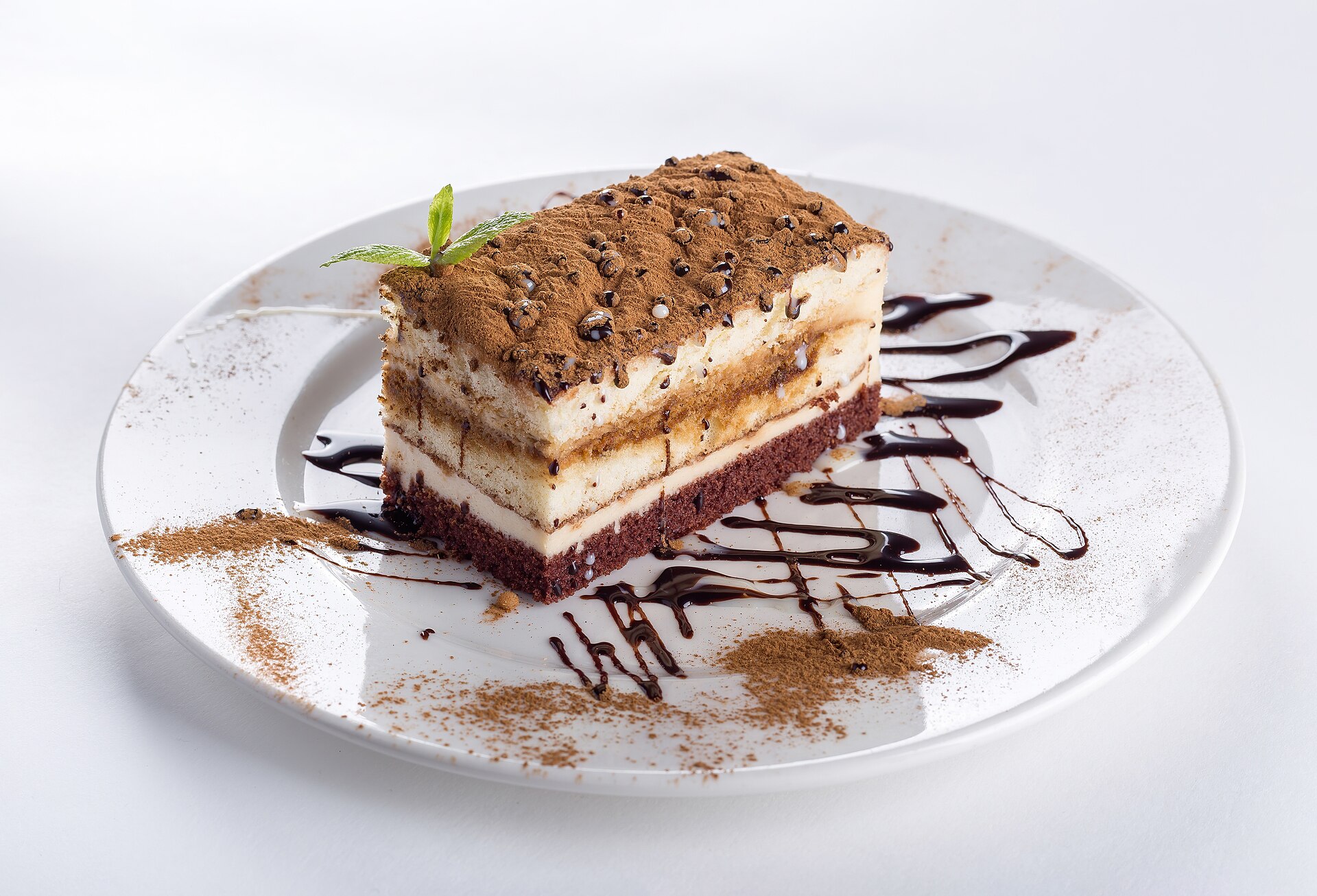
[A slice of chocolate cake on a white plate, where bloomed cocoa gives a darker crumb and a more intense chocolate taste. Photograph: Wikimedia Commons contributor]
Image Credits: Wikimedia Commons
Frequently asked questions
What is the ratio for blooming cocoa powder?
Use 1 part cocoa to 2 parts hot liquid, whisked into a smooth paste. Remember to subtract that liquid from the recipe's total, or the batter will end up too wet.
Should I bloom with water or coffee?
Water gives the purest chocolate flavour, while hot coffee deepens it further through taste masking. Coffee does not make the cake taste like coffee; it makes it taste more intensely like chocolate.
Can I bloom cocoa in melted butter?
Yes, when the recipe is fat-based, as in brownies. Do not melt butter just to bloom it in a recipe that calls for cold or creamed butter, since that changes the texture of the finished bake.
The bottom line
Blooming cocoa powder in hot liquid does four things at once: it hydrates the particles, releases trapped flavour compounds, smooths the texture, and deepens the colour. Together those effects turn a flat chocolate bake into one that tastes like it used far more cocoa than it did.
The method is simple: whisk 1 part cocoa with 2 parts hot, not boiling, liquid, let it sit briefly, cool it, and subtract that liquid from the recipe total. Coffee adds intensity, milk adds richness, and water keeps the chocolate pure.
Skip it when the recipe lacks liquid, calls for cold butter, or already adds its liquid hot. Otherwise, it is one of the cheapest upgrades in baking: no new ingredients, two extra minutes, and a noticeably better cake.
Related reading includes baking soda and baking powder, and what sets them apart, why chocolate seizes when water touches it, and what the Maillard reaction is in simple terms.
Tags: blooming cocoa powder, chocolate baking, cocoa powder, baking technique
Rive News is a research desk that explains everyday topics from public sources, with no single author behind the byline.
Related
- Baking soda and baking powder: what's the difference
- Why chocolate seizes when water touches it
- What is the Maillard reaction in simple terms
- Why cake sinks in the middle after baking: 6 fixes that work
Subscribe to the Rive News newsletter for one plain-English explainer each morning.
Rive News publishes explainers from verifiable public sources; claims are attributed in the text, and corrections are noted when a source changes.
Related stories
Why Does Bread Go Stale Faster in the Refrigerator?
Bread goes stale faster in the fridge because starch recrystallizes fastest near 4°C. Here is the retrogradation science and the right way

Baking soda and baking powder: what's the difference?
Baking soda is pure sodium bicarbonate; baking powder adds two dry acids for double-acting lift. Learn when to use each, plus exact

What Is the Maillard Reaction in Simple Terms?
The Maillard reaction is the browning chemistry between amino acids and sugars above 140 C that creates the crust, color, and rich flavor