
Why Does Cast Iron Need Seasoning? The Science of Polymerized Oil
Key takeaways
- Seasoning is polymerized oil: heated past its smoke point, oil hardens into a plastic-like layer bonded to the iron.
- Bare cast iron rusts fast because iron plus water plus oxygen equals rust, and the metal surface is porous.
- Cooking builds seasoning layer by layer, which is why an old, well-used pan outperforms a new one.
Cast iron pans are passed down through generations, while coated pans get replaced every few years. The difference is seasoning, a black, glossy layer that looks like magic but is really chemistry.
It is not a coat of grease. It is a hard polymer, created by heat, bonded to the metal at a molecular level. This article explains why cast iron needs seasoning, including what polymerization does, why the surface of the iron demands it, and how to build seasoning that lasts.
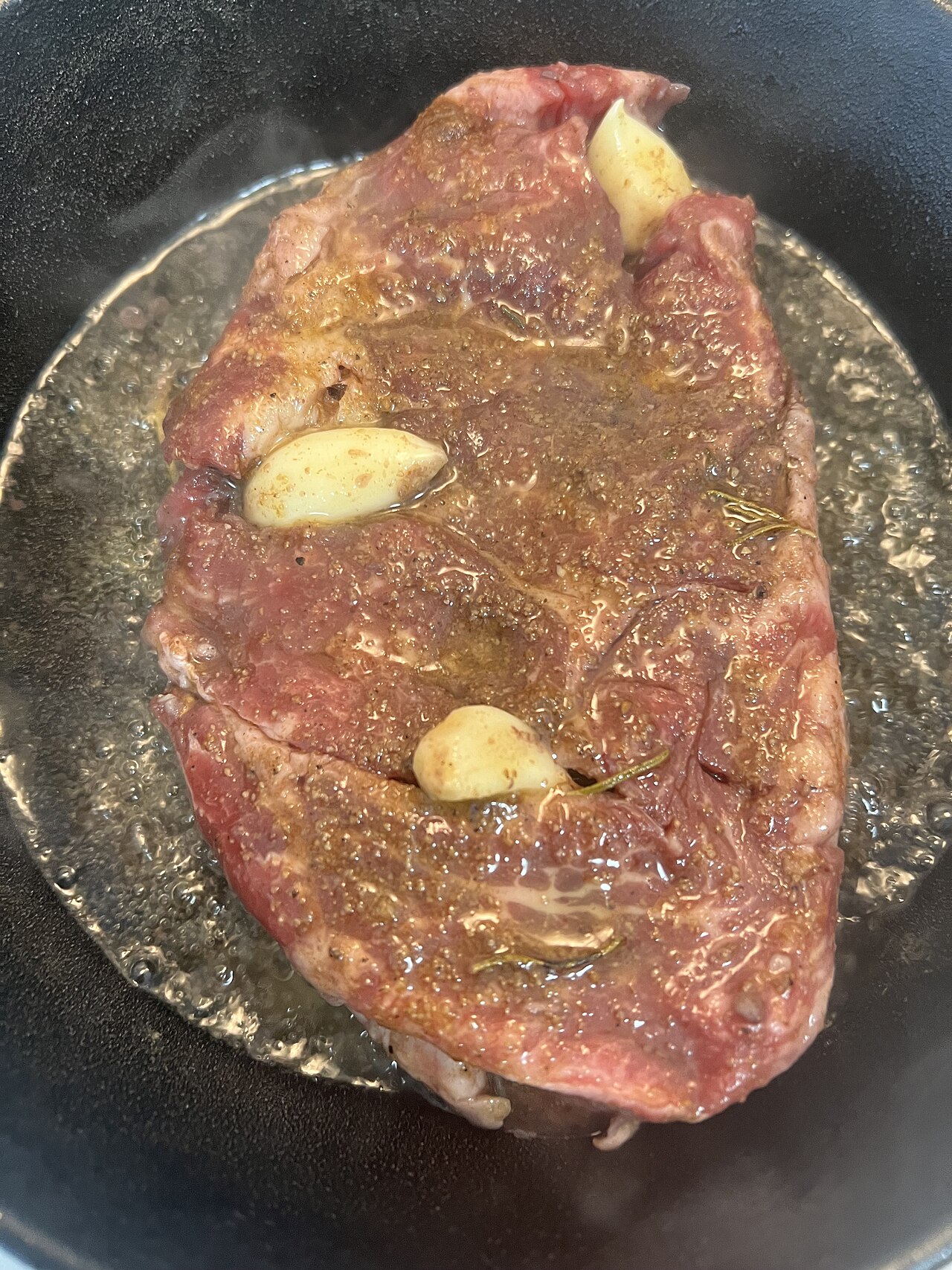
Image Credits: Wikimedia Commons / HaJunkiyada
Seasoning is chemistry, not ritual
Seasoning means heating a very thin film of oil on cast iron past the oil's smoke point. What happens next is the whole story. The long chains of fatty acids in the oil break apart under heat, react with oxygen, and link together into a rigid cross-linked network, a process called polymerization.
The result is closer to varnish than to grease. As Salt Notes explains, a properly seasoned pan is dry to the touch and faintly glossy, not oily. The polymer does not sit on top of the iron like paint; it chemically bonds to it, filling in the microscopic texture of the metal.
That is why the surface improves with use instead of wearing out.
Every time fat is heated in the pan, another microscopic layer of polymer is deposited. Searing a steak does more for seasoning than any oven ritual, because the fat renders at high temperature across the whole cooking surface under pressure from the meat itself.
The pan improves by being used, which is the opposite of nearly every other kitchen tool.
Why bare iron cannot survive alone
Cast iron needs this protection for two reasons, and both are physical.
First, iron rusts.
Bare iron meeting water and oxygen forms rust, the orange-brown corrosion that pits and weakens cookware. Seasoning seals the iron away from both, filling the surface so moisture cannot reach the metal.
A scratch in the seasoning exposes iron, which is why damaged spots rust first and why cooks touch them up with oil and heat.
Second, the metal itself is porous at a microscopic level.
Lodge Cookware describes cast iron as having a rough, jagged, uneven surface under magnification. That roughness is actually useful: it gives the polymer far more surface area to grip, which is why seasoning bonds to cast iron so well.
But it also means that unseasoned iron is a landscape of tiny pits where food proteins latch on and stick.
Without seasoning, the worst case is corrosion from oxygen and moisture in the air, and the best case is a pan that grabs everything you cook. The natural nonstick surface is not a luxury; it is the functional completion of the cookware.
Why the oil choice matters
Not all oils polymerize equally well. The key detail is the smoke point: the temperature where the oil breaks down. Since breaking down is the entire point of seasoning, you want to heat the pan above the oil's smoke point, but not so far above that the film burns to soot.
This is where many cooks go wrong with flaxseed oil.
Unrefined flaxseed oil smokes at about 225°F (107°C), and because it is high in polyunsaturated fats, it polymerizes into a very hard film. That hardness sounds good, but it is brittle.
Cooks widely report that flaxseed seasoning flakes off in sheets within months. Refined canola oil, at about 400°F (204°C), and grapeseed oil at about 420°F (216°C), polymerize into films that are slightly less hard but far more flexible and durable. The smoke point figures are consistent across published oil charts.
The practical answer is a neutral high-smoke-point oil, plain vegetable oil, or even the shortening you would cook with anyway. The fashion for exotic oils is unnecessary; what matters is heating past the smoke point and applying the oil thinly.
That thinness is the most common mistake.
Too much oil pools and bakes into a sticky, gummy mess instead of a hard film. The correct amount is what remains after you wipe the pan with an oiled cloth and then wipe it again with a dry one until it looks almost dry.
That near-invisible film is enough, and one layer contributes almost nothing on its own. The surface you want is built from many such layers over months of ordinary cooking.
How to build seasoning that lasts
The modern soap myth deserves a quick correction.
Historic soap was made with lye, which would attack the polymer. Modern dish detergent is a surfactant that lifts loose grease, and grease is not what the seasoning is made of.
A normal wash with soap will not dissolve the bonded polymer layer.
What actually removes seasoning is abrasion: steel wool, harsh scouring pads, and hard metal scraping. Long simmers of acidic food like tomato sauce in a thinly seasoned pan can also eat into the layer and pick up a metallic taste, so delay the acids until the surface is dark and smooth.
To build the surface deliberately, coat the pan with a near-invisible film of high-smoke-point oil, heat the oven above that oil's smoke point, and bake the pan for about an hour.
Let it cool, repeat if you like, and then simply cook. The same high-heat cooking that makes cast iron famous is what maintains it; every sear is a seasoning session.
If you want to understand the browning that cast iron does so well, read about the Maillard reaction in simple terms, and remember that resting meat after cooking matters as much as the sear.
Does cast iron really need seasoning, or is it just tradition?
It is a real functional requirement. Without the polymerized oil layer, cast iron rusts when exposed to water and oxygen, and its porous, jagged surface grabs food. The seasoning is the rust barrier and the cooking surface in one.
What is seasoning, exactly?
Polymerized oil. Heated past its smoke point, a thin film of oil breaks down and cross-links into a hard, plastic-like layer that bonds to the iron. It is not a coating that can peel; it is created in place by heat and time.
Why is flaxseed oil a bad choice for seasoning?
Flaxseed oil polymerizes fast and hard, but the resulting film is brittle. Many cooks report it flaking off within months. Flexible oils like refined canola, grapeseed, or plain vegetable oil build films that survive real cooking.
Can I use soap on a seasoned cast iron pan?
Yes, with modern dish soap. It is a surfactant that lifts loose grease; it does not dissolve the polymerized seasoning. Avoid steel wool and harsh abrasives, which physically strip the layer.
How long does it take to build good seasoning?
Months of regular cooking, not one oven session. A single oven bake adds one thin layer. The dark, glossy, easy-release surface comes from dozens of cooking sessions, which is why inherited pans outperform new ones.
The bottom line
Cast iron needs seasoning because bare iron is a rust waiting to happen and a surface food cannot release from. Heat turns a whisper-thin film of oil into a hard polymer that seals the pores, blocks moisture, and smooths the jagged metal. Cook with it often, keep it dry, and the pan gets better every year.
Latest in Food & Cooking
- The Maillard reaction in simple terms
- Why you should rest meat after cooking
- Why onions make you cry, and how to stop it
- How salt preserves food: the science
One practical cooking science explainer each week. Subscribe to the Rive News newsletter.
Related stories
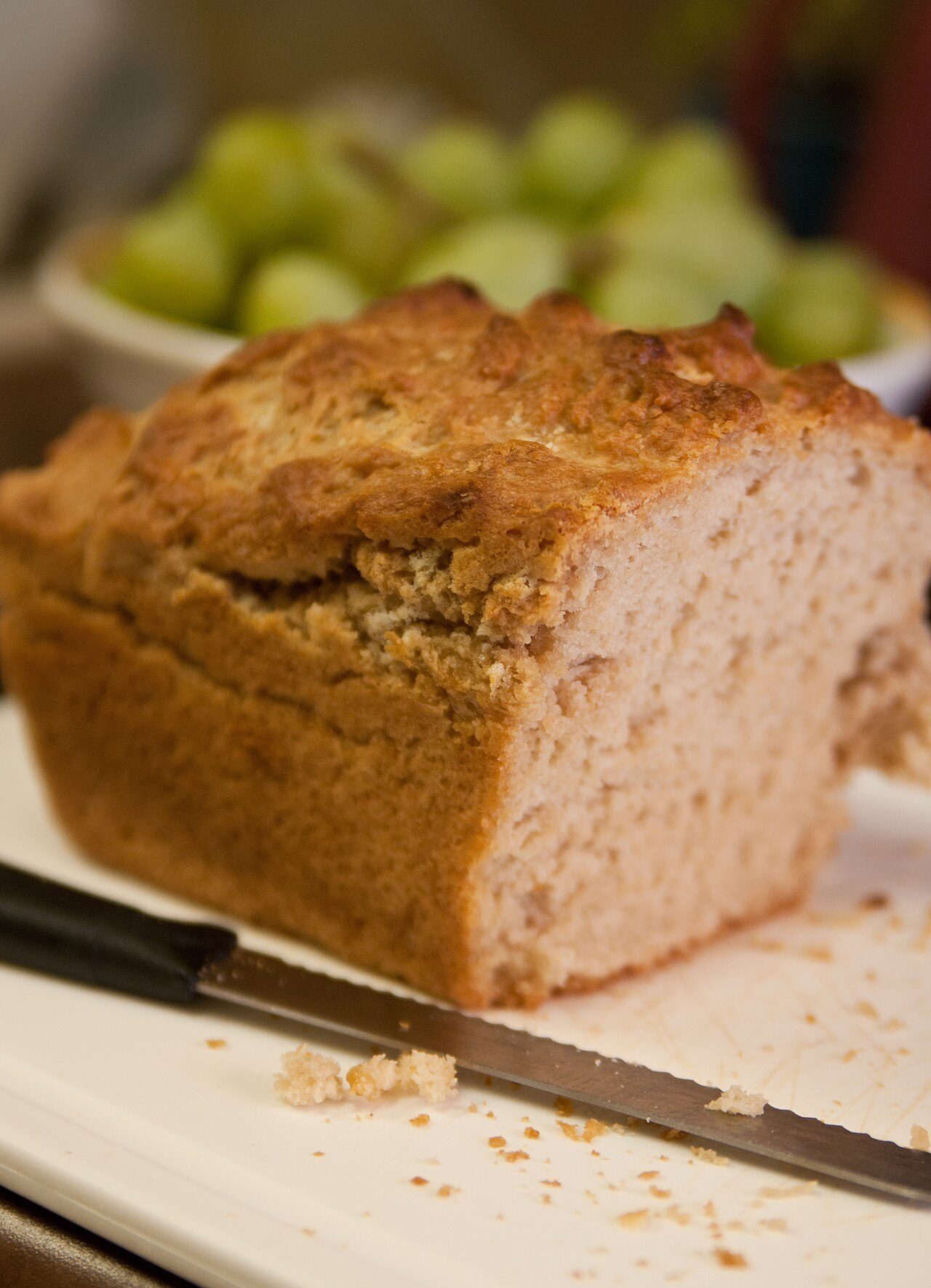
Why Does Bread Go Stale Faster in the Refrigerator?
Bread goes stale faster in the fridge because starch recrystallizes fastest near 4°C. Here is the retrogradation science and the right way
Baking soda and baking powder: what's the difference?
Baking soda is pure sodium bicarbonate; baking powder adds two dry acids for double-acting lift. Learn when to use each, plus exact
What Is the Maillard Reaction in Simple Terms?
The Maillard reaction is the browning chemistry between amino acids and sugars above 140 C that creates the crust, color, and rich flavor