
Why Does Coffee Taste Stale Days After Grinding? The Science
Key takeaways
- Grinding multiplies coffee's surface area by roughly 10,000 times, letting oxygen attack the volatile aromatic compounds that carry flavor.
- Roasting traps CO2 inside beans; as it degasses over days, the protective outward gas flow stops and oxidation accelerates.
- Blind sensory tests show most tasters detect staling in ground coffee after about three days, while whole beans stay vibrant for weeks.
Grind coffee on Monday and brew it on Friday, and the cup tastes flat, papery, and dull. The coffee is not spoiled. It has not gone bad in any food-safety sense.
What happened is a one-two chemical process: grinding exposes an enormous new surface to oxygen, and the protective carbon dioxide trapped during roasting escapes within hours. Once those two defenses fall, the hundreds of volatile compounds that make coffee taste like coffee unravel.
This article explains why coffee tastes stale days after grinding, including how degassing works, why surface area matters so much, and what actually slows the process down.
Degassing: the invisible clock
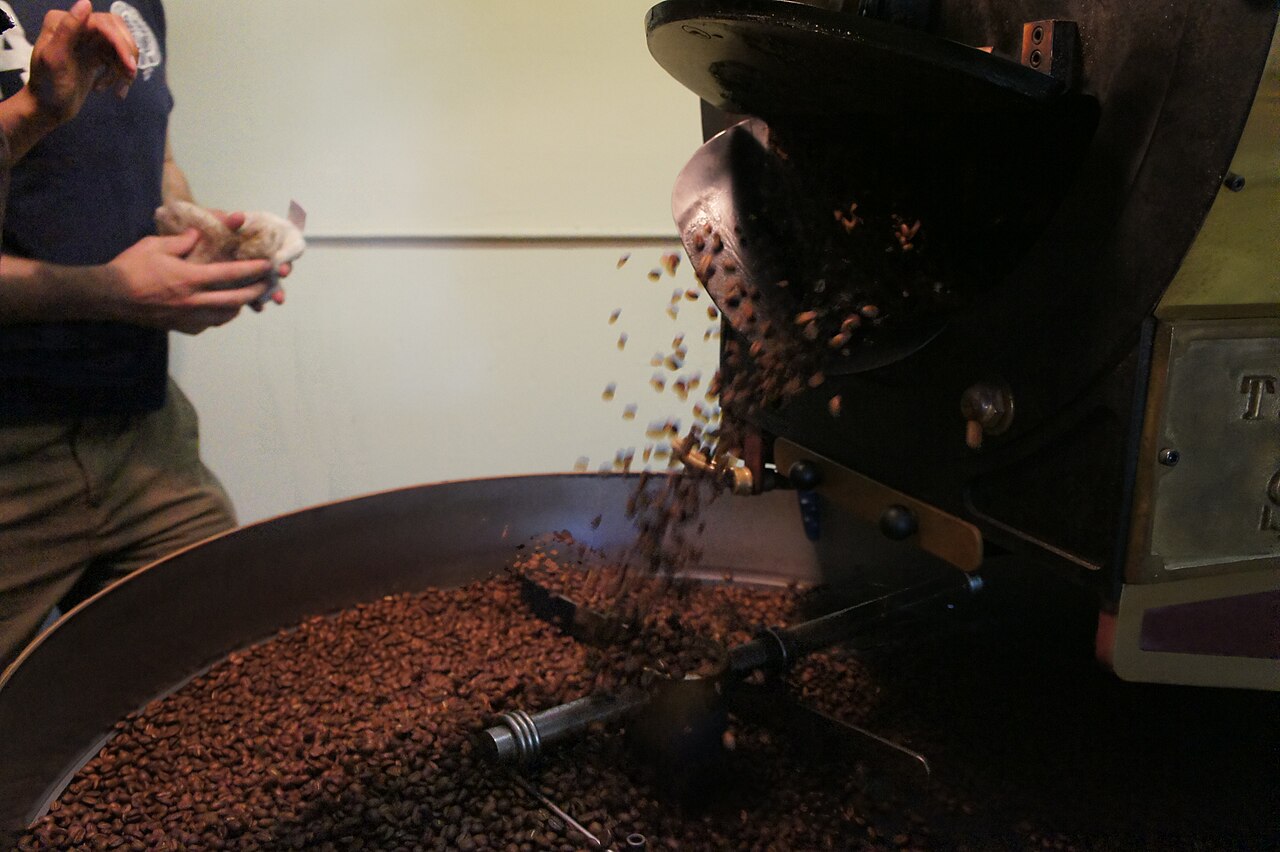
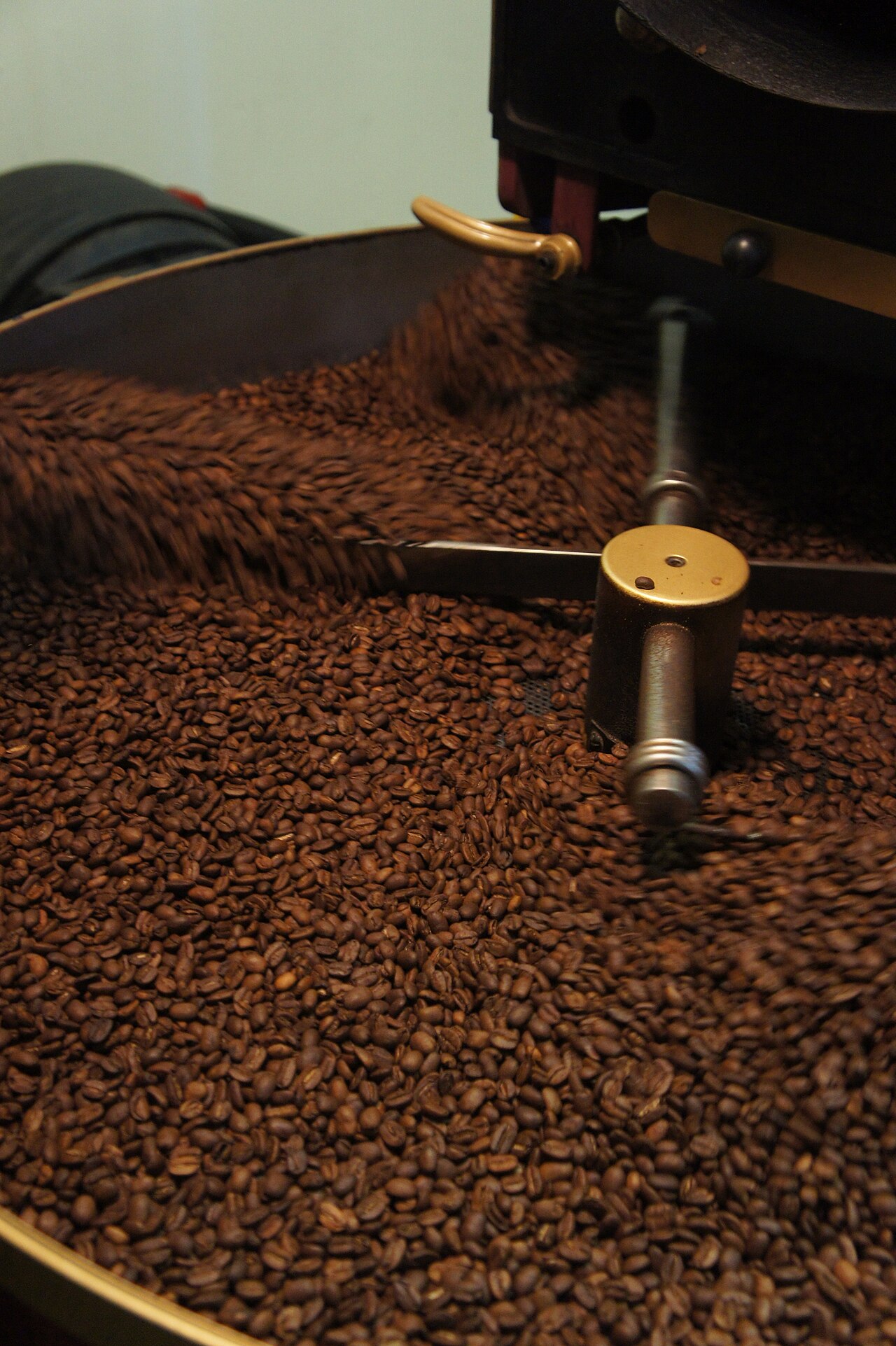
During roasting, heat-driven chemical reactions, including the Maillard reaction and caramelization, generate large quantities of carbon dioxide that get locked inside the bean's porous cellular structure. According to Moustache Coffee Club, CO2 accounts for about 1 to 2 percent of the bean's mass after roasting and makes up more than 80 percent of the volatile fraction. Roughly 40 percent of that CO2 escapes within the first 24 hours.
This slow release, called degassing, is not purely a problem. In the first days after roasting, the outward flow of CO2 physically blocks oxygen from penetrating the bean, because the escaping gas pushes inward oxygen away.
Specialty roasters put one-way valve bags on coffee for exactly this reason: the valve lets CO2 out while keeping oxygen out. The classic Maillard reaction that browns the beans is also what builds the CO2 load in the first place.
Degassing follows a curve. In the first 24 to 48 hours after roasting, CO2 off-gasses rapidly. Over the following 1 to 3 weeks, the release slows but continues.
Coffee Studies notes that roasting generates this trapped gas and that it must partially dissipate before brewing, which is why specialty roasters recommend a rest period of 4 to 14 days after the roast date before the beans brew at their best.
Why grinding changes everything
A whole bean protects its aromatics with two shields: minimal surface area and the outward CO2 flow. Grinding destroys both at once. Coffee Studies reports that grinding increases the surface area exposed to oxygen by roughly four orders of magnitude, about 10,000 times the intact bean's surface.
Oxidation of volatile aromatic compounds scales with that exposed area, so ground coffee goes stale in hours to days while whole beans take weeks to months.
Moustache Coffee Club notes that pre-ground coffee releases most of its CO2 within 15 to 30 minutes of grinding. The gas that took days to seep out of a whole bean vents almost immediately from grounds. With the CO2 barrier gone, oxygen moves in freely, and the fragile compounds behind coffee's flavor, aldehydes, ketones, furans, and pyrazines, begin to oxidize.
Headcount Coffee describes staleness as exactly this loss: faded aromatics, papery aftertastes, hollow body, and muted acidity.
The timeline is brutally short. Diving Moose Coffee reports that pre-ground coffee can go noticeably flat within 20 to 30 minutes of grinding. In blind sensory tests cited by Headcount Coffee, most tasters can detect staling in ground coffee after about three days, whereas whole beans remain vibrant for two to four weeks depending on roast and storage.
Grinding immediately before brewing is the single highest-impact habit for better coffee at home. Staleness strikes other foods too, though the mechanism differs in bread, where moisture migration does the damage.
What actually slows staleness
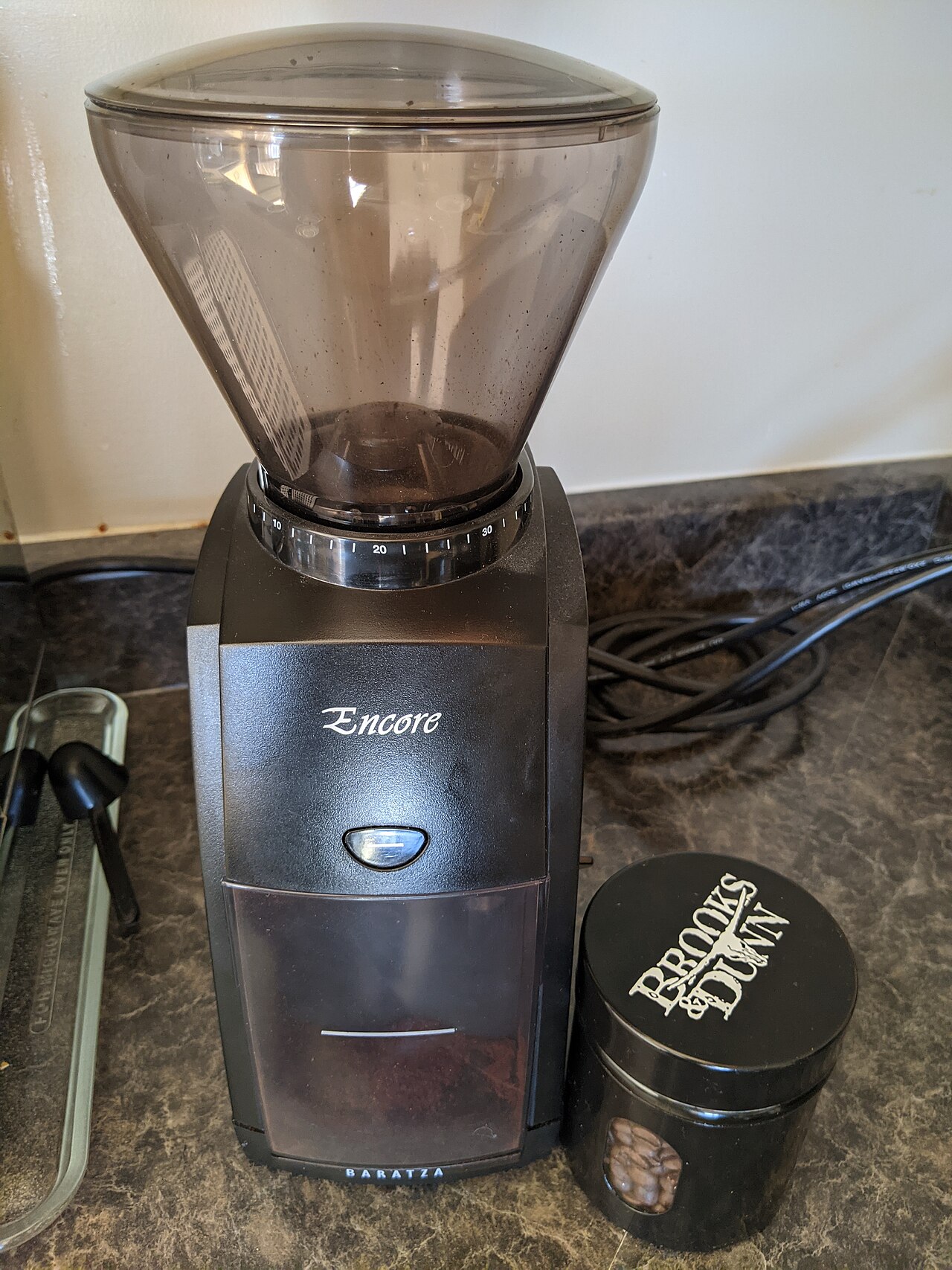
Once you understand the mechanism, the storage advice writes itself. Oxygen is the main enemy, so the goal is to limit exposure while letting CO2 keep escaping. Whole beans in a one-way valve bag, used within 2 to 3 weeks of the roast date, are the gold standard.
After grinding, brew immediately if you can.
Four factors accelerate the process: oxygen, moisture, heat, and light. Moisture makes beans absorb ambient odors and speeds chemical breakdown. Heat speeds oxidation.
Light, especially direct sunlight, degrades chlorogenic acids and other flavor compounds. Store beans in a cool, dark, dry place in an airtight container. Diving Moose Coffee's freshness guide lists these four factors as the ones worth controlling, and the refrigerator is a poor choice because of moisture and odor pickup, the same reason bread stales faster in the refrigerator.
Freezing is the one long-term option with evidence behind it, provided you freeze whole beans in a sealed bag and grind them straight from frozen without repeated thawing. Every thaw introduces moisture. For daily use, the simplest system beats the cleverest gadget: buy whole beans in amounts you will finish in two to three weeks, grind only what you brew, and keep the bag sealed between uses.
Is stale coffee unsafe to drink?
No. Coffee does not rot or become dangerous with age. Roasting drives internal bean temperature above 400 degrees Fahrenheit, destroying bacteria and molds, and roasted beans sit at around 2 to 3 percent moisture, which blocks microbial growth.
Stale coffee tastes bad but is not a food-safety risk.
Why do roasters tell me to wait before brewing fresh beans?
Because degassing is still in its rapid phase. Brewing within 24 hours of roasting produces uneven extraction, since escaping CO2 physically pushes water away from the grounds, creating sour or underdeveloped cups. Most coffees peak between 5 and 14 days off roast, depending on roast level.
Does dark roast go stale faster than light roast?
Yes. Darker roasts degas more quickly because higher roasting temperatures fracture cell walls more aggressively, creating an open, brittle structure that lets gas escape easily. Dark roasts often peak within a week of roasting and then deteriorate faster than light roasts.
Why does my pre-ground coffee taste flat even when sealed?
Because grinding starts the clock regardless of packaging. Once ground, the CO2 vents within minutes and oxidation begins. Sealed bags slow it but cannot stop it, which is why pre-ground coffee fades in days while whole beans last weeks.
The bottom line
Coffee tastes stale days after grinding because grinding multiplies the surface area oxygen can attack by roughly 10,000 times and vents the protective CO2 that shielded the whole bean. The volatile aromatics that carry flavor oxidize within hours to days. The fix is simple and backed by every source: buy whole beans, grind right before brewing, and keep everything sealed, cool, and dry.
Latest in Food & Cooking
- The Maillard Reaction in Simple Terms
- Why Bread Goes Stale Faster in the Refrigerator
- Why Honey Crystallizes and Why It Is Still Good
Subscribe to the Rive News newsletter for one practical explainer like this every week.
Related stories
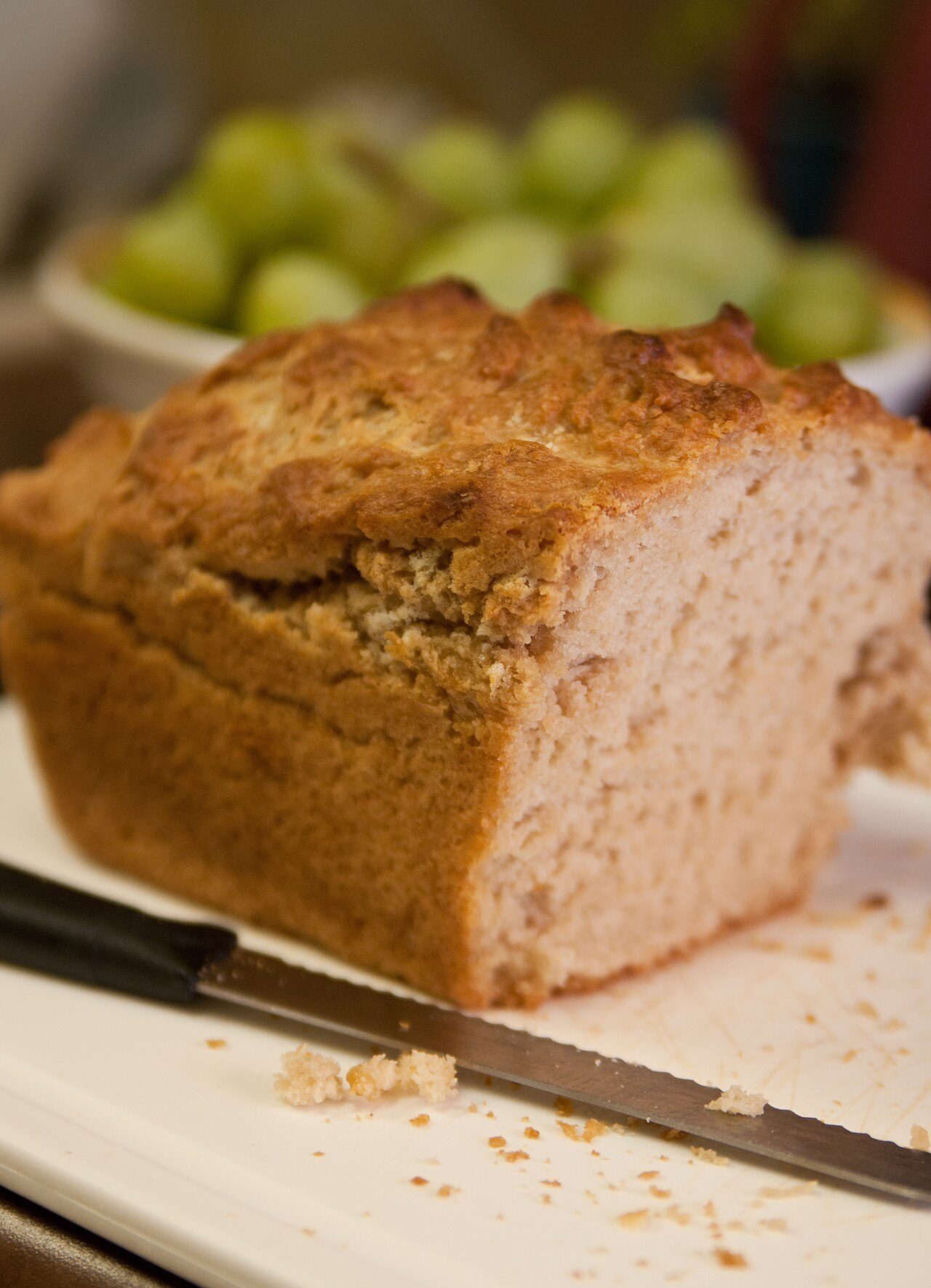
Why Does Bread Go Stale Faster in the Refrigerator?
Bread goes stale faster in the fridge because starch recrystallizes fastest near 4°C. Here is the retrogradation science and the right way
Baking soda and baking powder: what's the difference?
Baking soda is pure sodium bicarbonate; baking powder adds two dry acids for double-acting lift. Learn when to use each, plus exact
What Is the Maillard Reaction in Simple Terms?
The Maillard reaction is the browning chemistry between amino acids and sugars above 140 C that creates the crust, color, and rich flavor