
White vs brown eggs: what the shell color really means
Key takeaways
- Shell color comes from the hen's breed, not from nutrition: white-feathered hens lay white eggs, red-feathered hens lay brown ones.
- Brown and white eggs are nutritionally the same. A large egg holds about 70 calories and 6 grams of protein either way.
- Brown eggs cost more because brown-laying hens are bigger birds that eat more feed, not because the eggs are better.
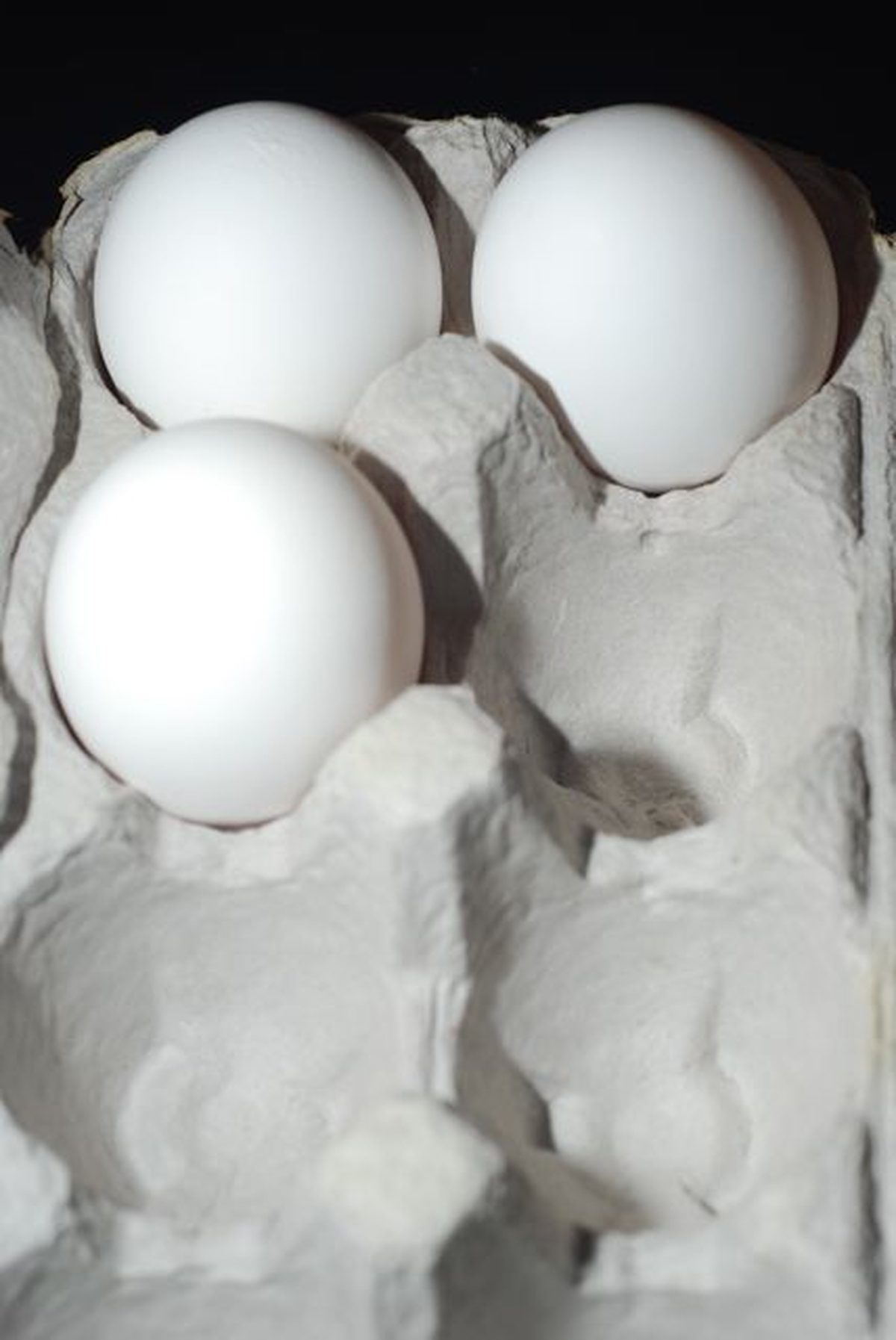
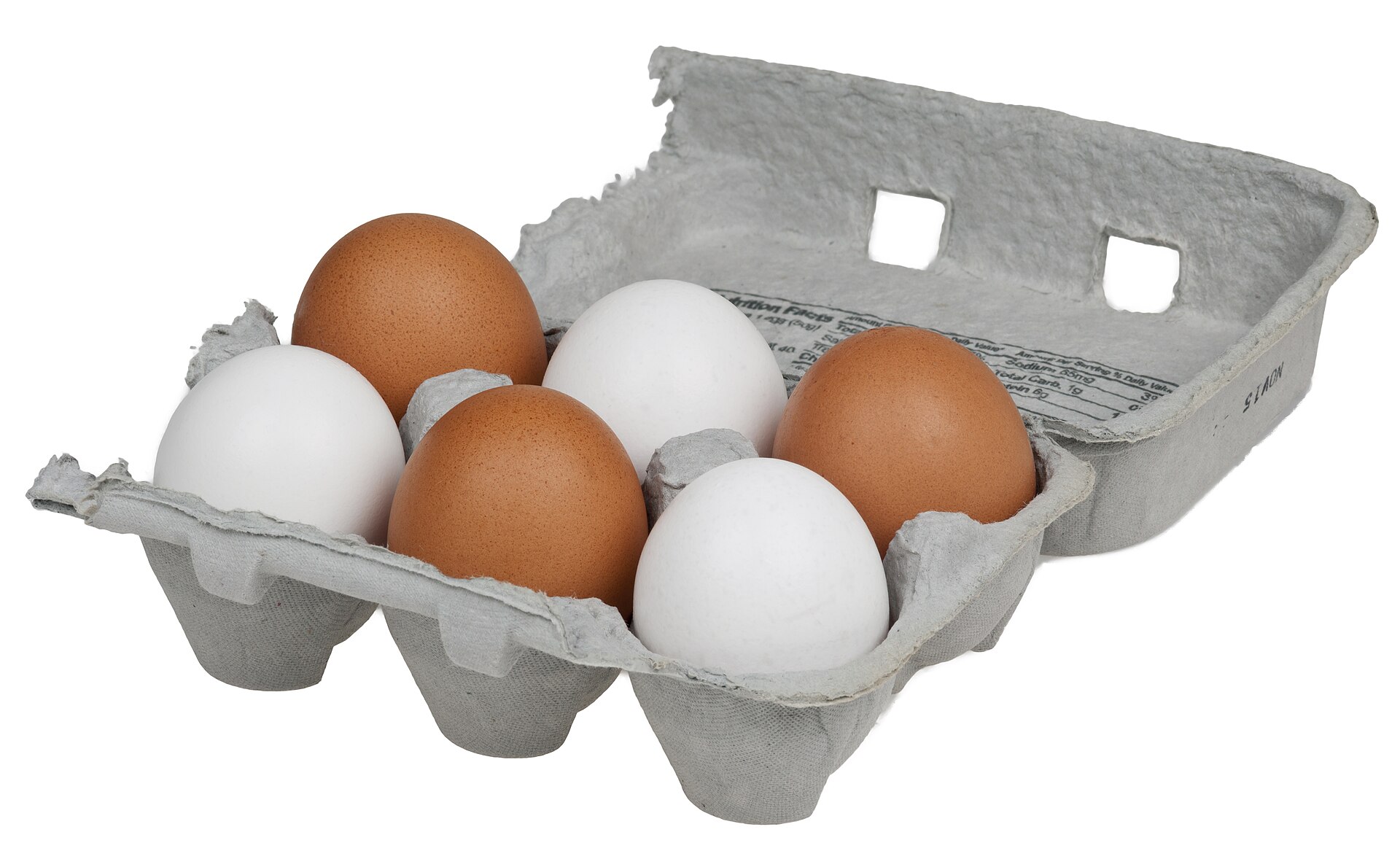
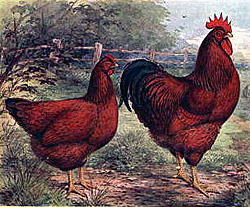
The color of an eggshell tells you one thing: what kind of hen laid it. Hens with white feathers and white earlobes, such as the White Leghorn, lay white eggs. Hens with reddish-brown feathers and red earlobes, such as Rhode Island Reds, lay brown ones. That is the whole story on color. It has no bearing on what is inside the shell.
This article explains why eggshells differ in color, whether brown eggs are actually healthier, why brown eggs usually cost more, and what really changes an egg's nutrition.
The color comes from genetics, not quality
Eggshell color is a genetic trait of the hen. The United States Department of Agriculture notes that shell color depends on the breed of hen: Leghorn, White Rock, and Cornish hens lay white eggs, while Rhode Island Red, New Hampshire, and Plymouth Rock hens lay brown eggs. Araucana hens from South America lay blue or green eggs.
The chemistry is simple. Brown shells get their tint from a pigment called protoporphyrin IX, a compound derived from blood haem that is deposited on the shell as the egg moves through the hen's oviduct. White shells skip that pigment layer. According to Healthline, studies comparing brown and white eggs have found that shell color does not significantly affect egg quality or composition: the only real difference is the pigment in the shell.
Environment can shift the shade slightly. A 2015 review found that pigment levels in brown eggs can vary with a hen's age, strain, housing conditions, certain diseases, and stress, according to the Dhaka Tribune. But these factors make the shade lighter or darker; they do not turn a white egg brown or a brown egg white.
Brown eggs are not more nutritious
This is the central myth, and it does not survive testing. Registered dietitian Vicki Koenig told The Standard that eggshell color is a genetic trait that does not affect internal nutrition, and that brown and white eggs are nutritionally identical. Each egg provides complete protein, vitamins A, D, E, and K, choline, and antioxidants like lutein.
The USDA agrees: nutrient levels are not significantly different between white and brown shell eggs. Health reports the same figures for both colors: a large egg contains about 70 calories, 6 grams of protein, and nutrients including vitamin B12, choline, and selenium.
A 2024 study by Hendrix Genetics put this to a controlled test. Researchers analyzed 58 eggs across eight matched flocks in Europe, with hens of the same age, diet, and housing. Per 100 grams, white eggs held 12.2 grams of protein versus 12.8 grams for brown, and 9.1 versus 9.3 grams of fat. The study concluded these tiny gaps fall within natural breed-to-breed variation: shell color does not determine what is inside.
Taste follows the same pattern. Differences in taste between brown and white eggs are minimal, according to Health. When an egg tastes richer, the cause is usually the hen's diet or freshness, not the shell color.
Why brown eggs cost more
If brown eggs are no healthier, why do they cost more? The answer is farm economics. Nutrition consultant Emer Delaney explained to The Standard that the price gap reflects rearing costs. Hens that lay brown eggs are typically larger birds, often over 7 pounds, so they need more feed and more space. That raises production costs, and the price follows.
White-egg layers like the White Leghorn are smaller, eat less, and lay slightly more eggs per year, which keeps white eggs cheaper to produce. The brown-egg premium is a cost markup passed down the supply chain, plus a dash of marketing: many shoppers assume brown means more natural, and retailers price accordingly.
What actually changes an egg's nutrition
Two things matter far more than shell color: what the hen eats and how she lives. Hens with access to sunlight and open-air movement may produce eggs with higher vitamin D content than cage-raised hens, according to the Dhaka Tribune. Healthline reports that eggs from hens allowed to roam in sunshine can contain 3 to 4 times the vitamin D found in eggs from conventionally raised hens.
Feed is the other lever. Hens fed a diet rich in omega-3 fatty acids lay eggs with much higher omega-3 levels than normal. The same effect works for vitamin D when the feed is vitamin-D enriched. This is how "omega-3 eggs" are made: it is the feed, not the breed, doing the work.
Even egg size matters more than color. The USDA's egg facts note that jumbo eggs contain about 90 calories and 8 grams of protein, compared with 60 calories and 6 grams of protein in medium eggs. That size gap dwarfs any shell-color difference.
FAQ
Are brown eggs healthier than white eggs?
No. Multiple studies and the USDA confirm that shell color has no significant effect on nutrition. What matters is the hen's diet and environment, plus the egg's size.
Why are brown eggs more expensive?
Brown-laying breeds are larger birds that eat more feed and lay slightly fewer eggs per year. Production costs run higher, so the price follows. Marketing also plays a role: many shoppers will pay extra for brown eggs.
Do brown eggs taste different from white eggs?
Not in a way blind tests can trace to shell color. Richer-tasting eggs usually come from hens with better diets or from fresher eggs. Buy for freshness and farming method, not color.
What about blue or green eggs?
Araucana hens lay blue or green eggs, and claims that these contain less cholesterol have not been proven by research, according to the USDA. They are the same food in a different shell.
The bottom line
Shell color is a paint job: genetics decide whether a hen applies protoporphyrin IX to her eggs, and that pigment changes nothing inside. Brown and white eggs match each other nutrient for nutrient, gram for gram. If you want better eggs, look past the shell. Check the size, the date, and how the hens were raised. That is where the real differences live.
Rive News's research desk covers food science and grocery literacy.
Latest in food
- Difference between baking soda and baking powder
- Why bread goes stale faster in the refrigerator
- Why honey crystallizes and whether it is still good
- Why frozen meat must thaw in the fridge, not on the counter
Subscribe for one practical food explainer every week.
Related stories

Why Does Bread Go Stale Faster in the Refrigerator?
Bread goes stale faster in the fridge because starch recrystallizes fastest near 4°C. Here is the retrogradation science and the right way

Baking soda and baking powder: what's the difference?
Baking soda is pure sodium bicarbonate; baking powder adds two dry acids for double-acting lift. Learn when to use each, plus exact

What Is the Maillard Reaction in Simple Terms?
The Maillard reaction is the browning chemistry between amino acids and sugars above 140 C that creates the crust, color, and rich flavor