
What Is the Difference Between Simmering and Boiling
Key takeaways
- Boiling happens at 212 F at sea level, with large bubbles that churn the whole surface of the pot.
- Simmering sits below the boil, roughly 180 to 205 F, with small bubbles that rise slowly and break gently.
- Use a boil for speed and a simmer for control: simmering keeps delicate foods intact and stocks clear.
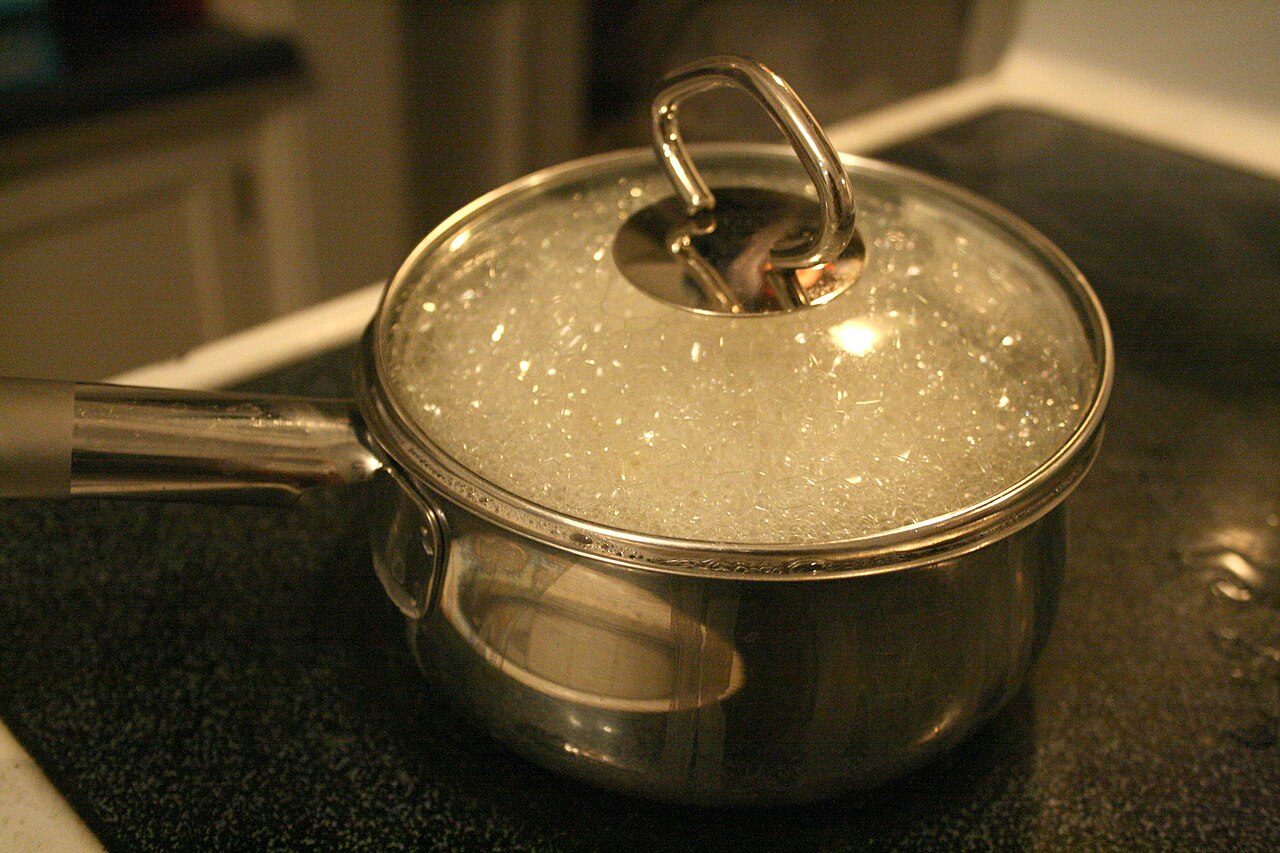
Simmering and boiling are both ways of cooking food in hot liquid. The difference is temperature and agitation. Boiling is the full, rolling churn you see when water hits 212 degrees Fahrenheit at sea level.
Simmering is the gentler state just below the boil, where small bubbles rise slowly and break the surface only now and then. This article explains the difference between simmering and boiling, including the temperatures, what each method does to food, when to use each one, how to hold a steady simmer, and the mistakes that ruin stocks, sauces, and delicate ingredients.
Recipes often say to bring a pot to a boil, then reduce it to a simmer. That instruction is not filler. It tells you to heat the liquid fast, then drop the heat so the food cooks gently.
Knowing what each stage looks like, and why it matters, turns a confusing instruction into a simple judgment call.
What boiling looks like
Boiling happens when a liquid reaches 212 degrees Fahrenheit, or 100 degrees Celsius, at sea level. Large bubbles rise vigorously from the bottom of the pot and break the surface continuously. The whole surface churns.
You cannot stir a rolling boil down, because the bubbles keep coming as long as the heat stays high.
America's Test Kitchen puts it plainly: at a boil, liquid reaches 212 degrees, with large bubbles rising vigorously from the bottom of the pot and continually breaking the surface. The agitation is the point. Boiling moves food around, transfers heat fast, and cooks through quickly.
Boiling suits foods that can take rough handling. Pasta is the classic case. The churning water keeps the pieces from sticking to each other, and the high heat cooks the pasta evenly.
Blanching vegetables is another. A short dip in boiling water takes the raw edge off vegetables while keeping their flavor and bright color. Boiling also speeds up grains such as brown rice or wheat berries, because surrounding the grains with boiling water transfers heat more quickly than the absorption method.
Boiling has limits. Delicate foods break apart in a rolling boil. Fish flakes into pieces.
Poached eggs scatter. Dumplings can burst. Tough meat goes the other way: a hard boil squeezes moisture out and leaves it chewy.
Boiling also drives off liquid fast through evaporation, which matters when you need a pot to stay full.
What simmering looks like
Simmering sits just below the boiling point. KitchenAid places a simmer between 185 and 205 degrees Fahrenheit. America's Test Kitchen uses a slightly narrower range of 180 to 190 degrees.
The small gap between sources reflects real kitchens: stoves, pots, and thermometers vary, and a simmer is a range, not a single number.
Visually, a simmer shows small bubbles rising slowly from the bottom of the pot and occasionally breaking the surface. The liquid moves gently. Ingredients bob slowly instead of being tossed around.
You may hear a soft whispering sound rather than a loud bubbling roar. Some cooks describe a "lazy" simmer, where bubbles appear only around the edges of the pot, and a "brisk" simmer, where bubbles break across more of the surface. Both count as simmering as long as the surface stays calm.
Simmering suits foods that need time and gentle heat. Stocks, stews, sauces, braises, beans, and delicate proteins all do their best work at a simmer. The lower heat lets flavors develop slowly without breaking the food apart.
Less agitation means delicate foods will not break apart, and fats and soluble proteins in stock will not coagulate and turn the liquid cloudy, according to America's Test Kitchen. Lower burner temperatures also allow time for heat to transfer evenly from the bottom of a pan to the top, so there is less risk of scorching.
What each method does to food
The real difference between simmering and boiling shows up in the pot. Temperature decides texture, clarity, and flavor, and each method pulls in a different direction.
Texture comes first. A long, low simmer melts collagen in tough cuts of meat into gelatin. That is what makes a stew silky and a braise tender.
A hard boil does the opposite. It seizes proteins and squeezes moisture out of meat, fish, and eggs, leaving them tough and dry. For a pot roast, the rule is simple: simmer it and it turns tender and moist, boil it and it turns tough and chewy.
Clarity comes second. A stock that simmers stays clear. A stock that boils turns cloudy, because the rapid bubbling emulsifies fat and breaks up proteins into the liquid.
If you want a bright, clean broth, keep the pot at a simmer and skim the surface now and then. If the stock goes cloudy, it still tastes fine, but it will never look as clean.
Flavor comes third. Simmering gives flavors time to meld. Spices, aromatics, and the juices from meat and vegetables blend over an hour or more.
Boiling cooks faster but gives flavors less time to develop, and it can drive off delicate aromatics with the steam. That is why a sauce simmered for 40 minutes tastes deeper than the same sauce boiled for 10.
When to boil and when to simmer
Use a boil when speed matters and the food can handle the churn. Pasta, potatoes, hard-boiled eggs, and blanched vegetables all belong here. Boiling is also the right move when you need to reduce a liquid fast.
A wide pot at a rolling boil drives off water quickly and concentrates a sauce.
Use a simmer when control matters more than speed. Stocks, soups, stews, braises, sauces, beans, poached eggs, and poached fish all belong here. Simmering is also the right choice for milk-based dishes and delicate sauces, which can break or scorch at a hard boil.
A gentle simmer keeps emulsions stable and prevents the bottom from catching.
Many recipes use both. You boil to get the liquid hot fast, then reduce to a simmer so the food cooks gently. For pasta, you bring the water to a rolling boil first, then you may reduce to a gentle boil once the noodles go in, to prevent overflow while keeping the right cooking temperature.
For risotto, you keep the stock at a steady simmer in a separate pot, because adding cold stock would shock the rice and ruin the creamy texture.
Altitude changes the numbers. At higher elevations, water boils at a lower temperature, so your simmer happens at a lower range too. Cooking times get longer because the maximum temperature is lower.
If you live well above sea level, expect to simmer longer and to keep the lid on more often to hold the heat.
How to hold a steady simmer
Start with the right pot. A heavy-bottomed pot spreads heat evenly. Thin pots create hot spots that boil in one corner while the rest of the pot stays too cool.
A Dutch oven is a good choice for most simmering, because its weight holds heat steady.
Bring the liquid to a boil first, then reduce the heat. Sudden temperature changes shock ingredients, and dropping from a boil gives you a clear starting point. Adjust the burner in small steps.
Most home stoves need medium-low or lower to hold a proper simmer. Electric stoves need extra care, because the burner stays hot after you turn it down. Turn it down slightly before you reach your target, and let the residual heat carry the pot to the simmer.
Decide on the lid. A lid traps heat and moisture, which speeds cooking but can make textures mushy. A partially covered pot is the usual compromise.
It holds the temperature while letting some steam escape. For thickening a sauce or reducing a liquid, simmer uncovered. For keeping a soup at volume, keep the lid on most of the way.
Watch the surface, not the dial. The dial tells you the heat setting. The surface tells you the truth.
If you see constant rolling bubbles or hear a loud bubbling sound, the pot is boiling, not simmering. Turn the heat down and wait a minute. If no bubbles appear at all, the pot is too cool and the food is sitting in warm water instead of cooking.
Nudge the heat up until small bubbles rise steadily.
For stocks, stir rarely and skim the surface instead, lifting off the foam and fat that gather at the top.
Common mistakes
The most common mistake is letting a simmer drift into a boil. It usually happens because the heat setting is too high or the pot has thin walls that create hot spots. Fix it by reducing the heat right after the liquid reaches the simmering point, using a heavy-bottomed pot, or placing a heat diffuser under the pot.
The third mistake is boiling delicate proteins. Fish, poached eggs, and dumplings need gentle water. If the pot churns, they fall apart.
Drop the heat before the food goes in, not after.
FAQ
What temperature is a simmer in Fahrenheit?
Most guides place a simmer between 180 and 205 degrees Fahrenheit. America's Test Kitchen uses 180 to 190 degrees, while KitchenAid uses 185 to 205 degrees. The exact number matters less than the visual cue: small bubbles rising slowly.
Can you simmer with the lid on?
Yes. A lid traps heat and moisture. Use a partially covered pot for most simmering, a full lid when you want to keep the liquid level up, and no lid when you want a sauce to thicken.
Why does my simmer keep turning into a boil?
The heat is too high, or the pot is thin and creates hot spots. Turn the heat down right after the liquid reaches a simmer, use a heavy-bottomed pot, or add a heat diffuser under the pot.
Is simmering better than boiling for vegetables?
Simmering is gentler and preserves more water-soluble vitamins, but boiling is better for a quick blanch that keeps color and bite. Match the method to the result you want rather than treating one as always better.
The bottom line
Boiling is fast, vigorous, and hot: 212 degrees Fahrenheit with a rolling churn. Simmering is slow, gentle, and controlled: roughly 180 to 205 degrees with small, lazy bubbles. Boil when you need speed and the food can take the rough water.
Simmer when you need tenderness, clarity, and depth of flavor. Watch the surface of the pot, not just the dial, and you will know which one you have.
Tags: simmering, boiling, cooking techniques, kitchen basics
Latest in Food
- How to store opened spices so they keep their flavour
- How to substitute butter in baking without ruining the recipe
- Why does garlic turn blue or green when cooked
Subscribe for one practical cooking guide in your inbox each week.
Related stories

Why Does Bread Go Stale Faster in the Refrigerator?
Bread goes stale faster in the fridge because starch recrystallizes fastest near 4°C. Here is the retrogradation science and the right way

Baking soda and baking powder: what's the difference?
Baking soda is pure sodium bicarbonate; baking powder adds two dry acids for double-acting lift. Learn when to use each, plus exact

What Is the Maillard Reaction in Simple Terms?
The Maillard reaction is the browning chemistry between amino acids and sugars above 140 C that creates the crust, color, and rich flavor