
Why Garlic Turns Blue or Green When Cooked
Key takeaways
- Blue or green garlic is usually safe to eat, because the color comes from a natural chemical reaction, not spoilage.
- The color forms when sulfur compounds in garlic meet acid, trace metals, or cold storage.
- Fresh garlic, less acid, and blanching reduce the odds, but the change is mostly cosmetic.
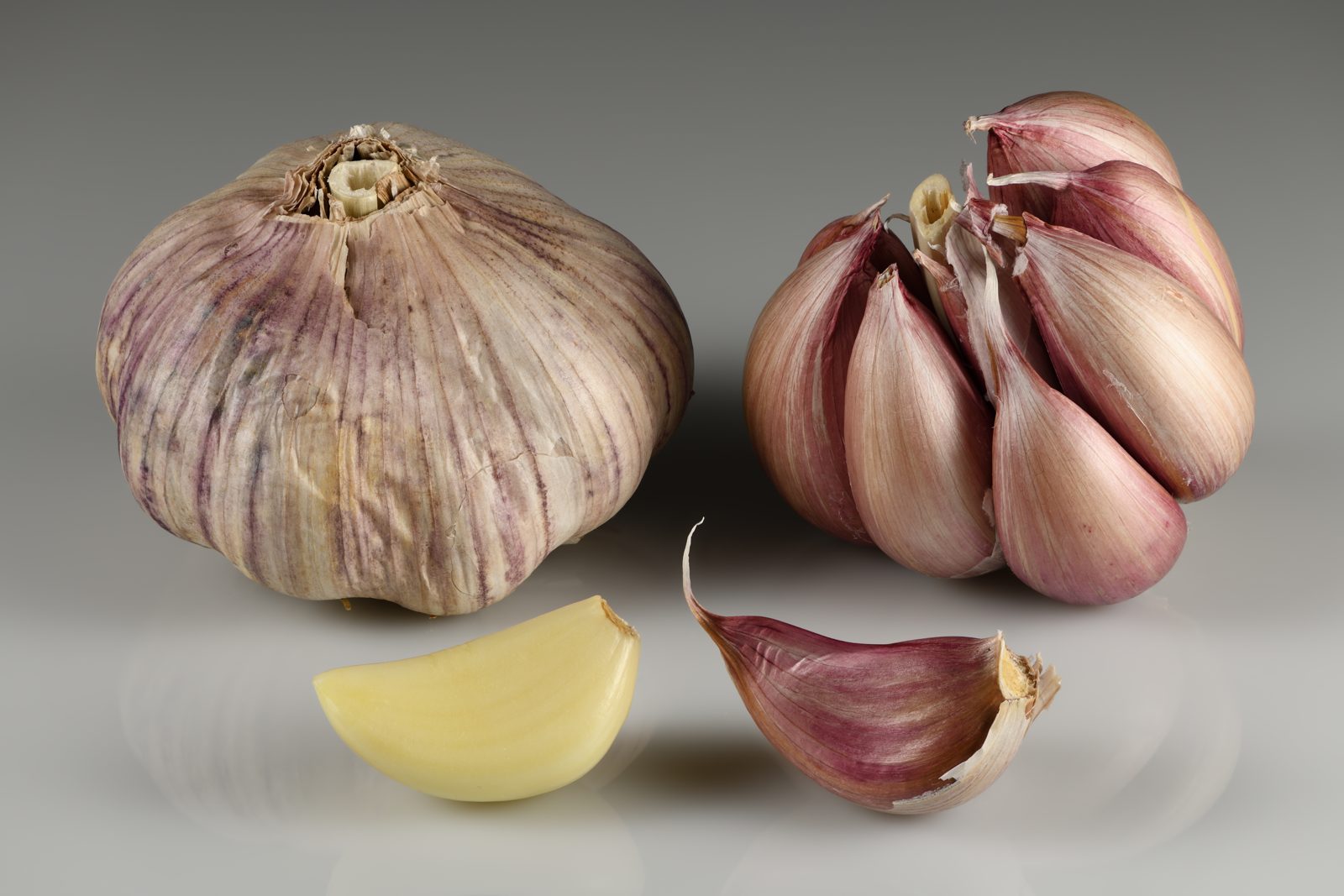
You slice into a head of garlic, drop it into a pan or a pickling jar, and come back to find it has turned an eerie shade of blue or green. The color looks wrong. It looks like something has gone off, or like the garlic has picked up dye from the pan.
In most cases, nothing has gone wrong at all. The color is the result of a natural chemical reaction inside the garlic itself. It changes how the cloves look, but it does not make them unsafe to eat.
This article explains why garlic turns blue or green when cooked, including the sulfur chemistry behind the color, the conditions that make it more likely, how to tell it apart from mold, and what to do if you would rather keep your garlic white.
The short answer
Garlic contains sulfur compounds. When you cut or crush a clove, an enzyme called alliinase starts breaking those compounds down. Some of the breakdown products can join with amino acids to form pigments that look blue or green.
Acid, trace metals such as copper, and cold storage all push the reaction along.
The change is most visible in pickles, vinaigrettes, and acidic sauces, because the acid speeds the pigment-forming step. It also shows up in roasts and slow cookers, where garlic sits in contact with acidic ingredients for hours.
The result is safe to eat in the ordinary case. Food safety specialist Angela M. Fraser has confirmed that blue or green garlic is completely safe to eat, as reported by Mashed.
The pigment is a normal product of garlic chemistry, not a toxin.
The chemistry, step by step
The chain starts the moment you damage a clove. Whole, undisturbed garlic keeps its chemistry locked away in separate compartments inside the cells. Cutting, crushing, or mincing breaks those walls and lets the ingredients meet.
First, the enzyme alliinase meets a sulfur-containing compound called alliin. Alliinase converts alliin into allicin, the compound behind garlic's sharp smell and pungent flavor. Allicin is unstable, and it quickly breaks down into a family of other sulfur compounds.
Next, some of those sulfur compounds react with amino acids, the building blocks of proteins, to form ring-shaped molecules called pyrroles. Flavor scientist Arielle Johnson, author of Flavorama, has explained the step in an interview with Bon Appétit: "Alliinase can react with sulfur-containing molecules [like] free amino acids, which create vivid blue and green pigments." When pyrroles cluster together, they absorb light in a way that the eye reads as blue or green.
Trace metals can join the reaction too. Copper, zinc, and iron from tap water, cookware, or other ingredients can bind with the sulfur compounds and deepen the color. Only a tiny amount of metal is needed.
A copper pan, a water supply with trace copper, or even minerals in another ingredient can be enough.
The final color depends on how far the reaction goes. A faint tint means a small amount of pigment formed. A deep turquoise means the conditions were ideal: plenty of acid, enough metal, and garlic that had been stored long enough for the chemistry to be primed.
Why acid matters so much
Acid is the strongest single trigger for blue garlic. The pigment-forming reactions run faster and further in an acidic environment, which is why the color shows up most often in pickling.
Vinegar is the classic case. Garlic left in a vinegar brine has hours or days to react, and the acid keeps the reaction moving. Lemon juice, wine, and tomato sauce do the same thing on a smaller scale.
A garlic clove simmered in a tomato sauce for two hours has far more time to change color than one tossed into a hot pan for a minute.
This is also why garlic sometimes turns blue in the fridge rather than on the stove.
Why cold storage and older garlic react more
Garlic that has been stored in the cold is more likely to turn blue. Johnson has noted that garlic kept at cold temperatures, such as in a refrigerator, changes color more readily than garlic kept at room temperature. The longer the cold storage, the more likely the change.
Age matters too. Older cloves tend to have more of the compounds available for the reaction. Garlic stored for months, toward the end of its shelf life, is more prone to turning blue than freshly harvested garlic.
That is one reason the color appears more often in winter, when cooks are working through bulbs harvested the previous summer.
Variety and growing conditions play a role as well. Some garlic varieties carry higher levels of alliin and the enzymes that act on it, which makes them more likely to change color. Two heads of garlic from different varieties can behave differently in the same recipe.
Greening has a second, separate cause worth knowing. Young garlic exposed to light can develop chlorophyll, the green pigment in plants. That change is also harmless.
It looks similar to the sulfur reaction, but it comes from a different process.
Blue garlic is not mold
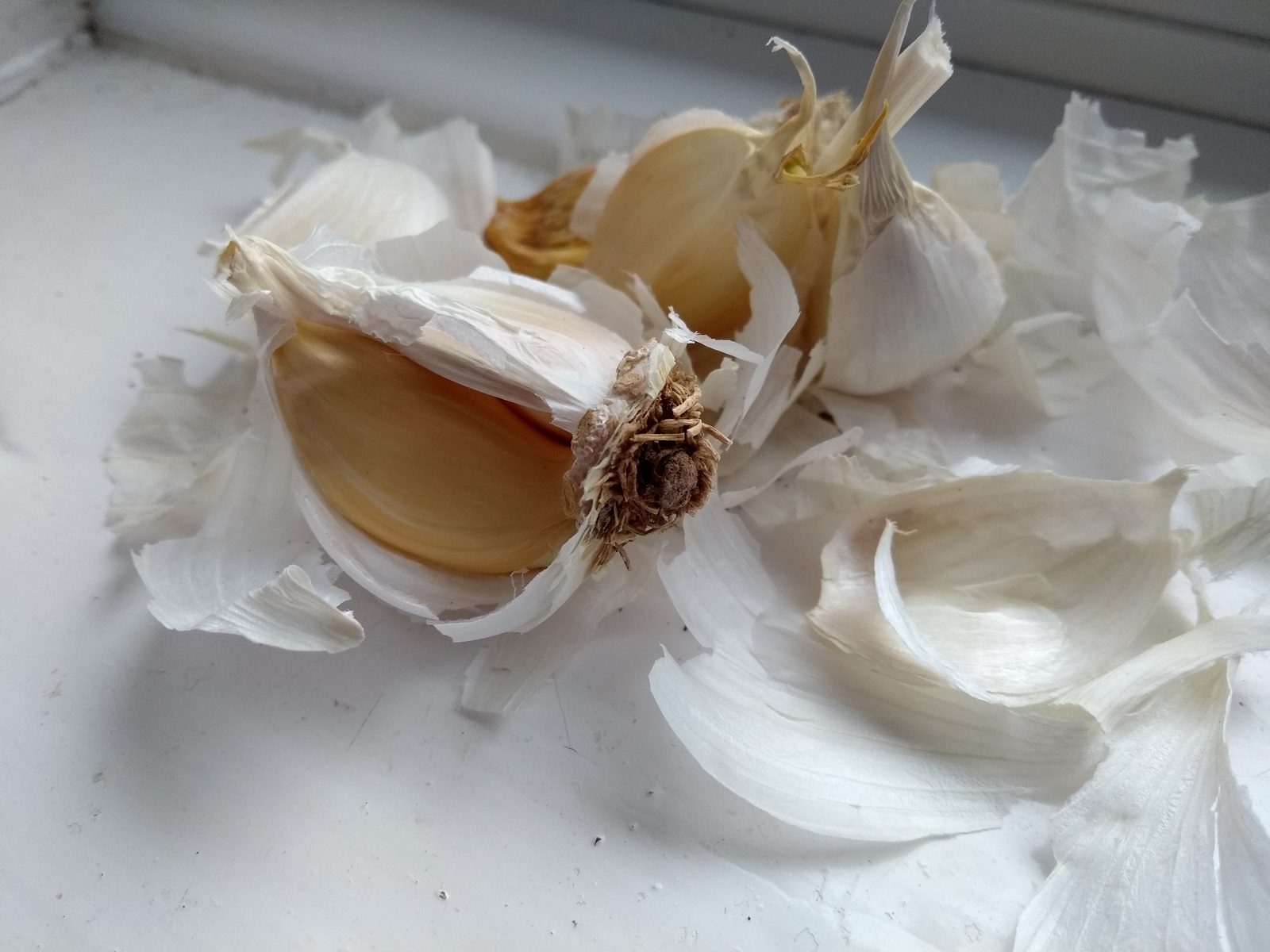
The main worry with blue garlic is whether the color means mold. The two look different once you know what to check, and the distinction matters.
Pigment from the chemical reaction tints the whole clove, or large parts of it, evenly. The clove stays firm and smooth, and it smells like garlic. The color appears after the garlic has met acid, heat, or a long soak.
Mold behaves differently. It usually appears on one small patch of the clove, and it creates a rough or fuzzy texture. Mold can look blue-green too, which is where the confusion starts, but it stays local and textured rather than spreading evenly through the flesh.
A simple rule covers most cases. If whole cloves sitting unused on the counter turn blue or green, suspect mold. If garlic changes color in the middle of a recipe, after contact with vinegar, lemon, or tomato, the chemical reaction is the likely cause.
When in doubt, use the rest of your senses. Garlic with mold, sliminess, or an off smell should go in the bin. Garlic that is firm, smooth, and normal-smelling, but blue, is fine to eat.
The pickled garlic that is meant to be blue
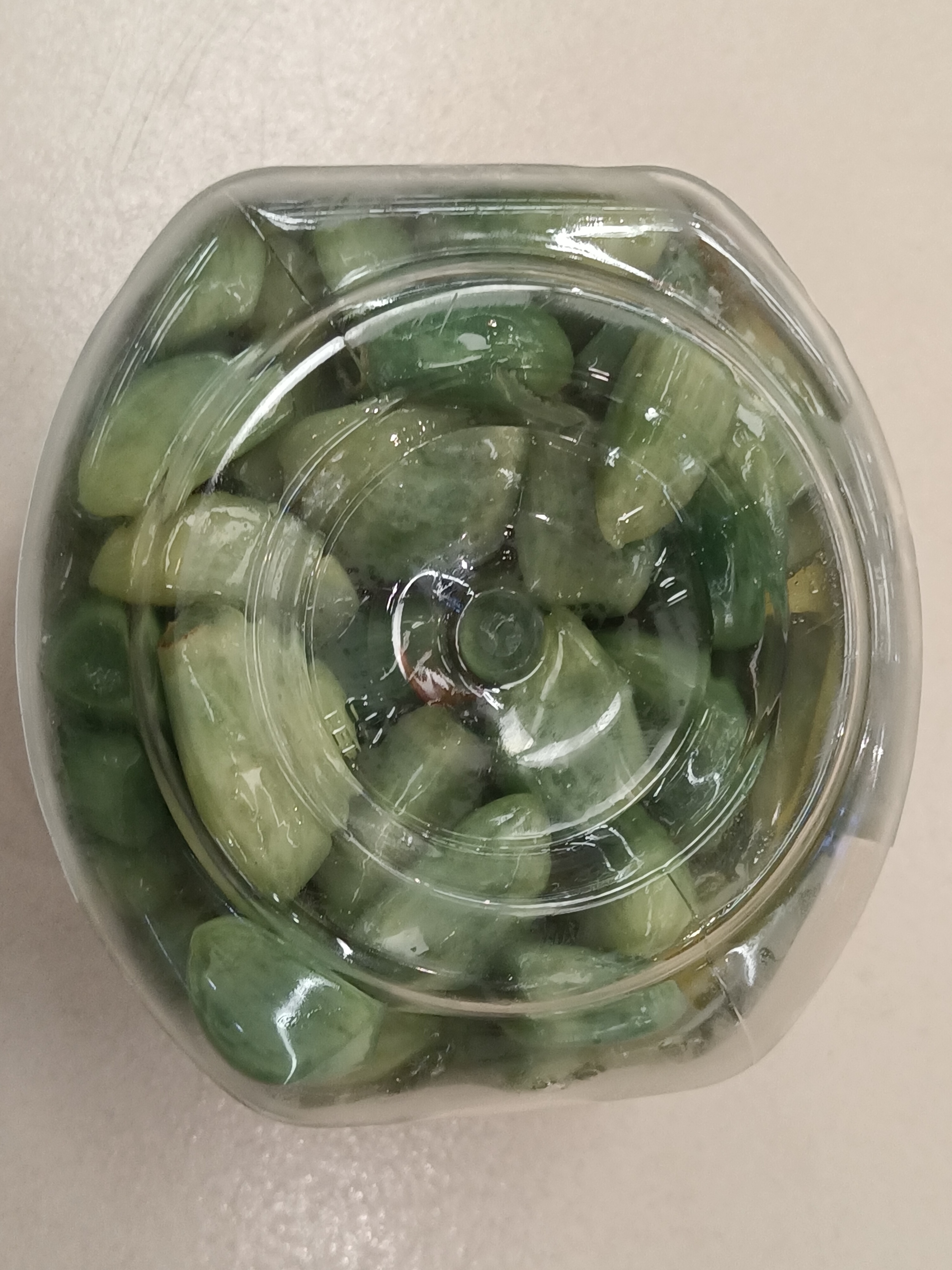
In China, blue garlic is not an accident. It is the goal. Laba garlic, a Chinese pickled garlic, is prized for its vivid jade-green color.
Cooks prepare it by steeping peeled cloves in vinegar, and the bright color is taken as a sign that the batch turned out well.
Laba garlic also shows how deliberate the process can be. Cooks often use garlic that has been aged for months before pickling, because older garlic colors more strongly. The same conditions that surprise a home cook, acid plus aged cloves, are the ones that produce the best laba garlic.
The tradition is a useful reminder that the color is not a defect. It is a property of garlic chemistry that shows up in kitchens all over the world, sometimes by accident and sometimes on purpose.
How to keep garlic from turning blue
If the color bothers you, a few habits reduce the odds. None of them is guaranteed, because the reaction depends on several variables at once, but each one tips the balance.
Use fresh garlic. Freshly harvested cloves are less likely to change color than bulbs that have sat for months. Buy smaller amounts more often, and store garlic at cool room temperature rather than in the refrigerator.
Add garlic late in acidic dishes. If a recipe calls for vinegar, lemon juice, or tomatoes, let the acid cook down first, then add the garlic toward the end. Shorter contact means less pigment.
Blanch the garlic first. A brief dip in boiling water denatures the alliinase enzyme, which stops the reaction before it starts. The garlic loses a little of its raw bite, but in a cooked dish the difference is small.
Avoid reactive cookware for acidic garlic dishes. Copper pans and unlined cast iron can supply the trace metals that deepen the color. Stainless steel or enameled pans are safer choices for a long-simmered tomato sauce.
Cook the garlic through. Thorough cooking deactivates the enzymes behind the reaction, which is why garlic that is well browned rarely turns blue afterward. The color change mostly happens when raw or lightly cooked garlic meets acid.
Choose a different variety if the problem keeps recurring. If one type of garlic from your shop always turns blue, try another. Varieties differ in their alliin levels, and a switch can be enough.
What about taste
The taste difference between blue garlic and white garlic is usually minimal. Some people report a faint metallic note in strongly colored garlic, but most tasters notice nothing at all. In a finished dish with other ingredients, the difference is smaller still.
FAQ
Is blue garlic safe to eat?
Yes, in the ordinary case. The blue color comes from natural sulfur chemistry, not from spoilage. Food safety specialist Angela M.
Fraser has confirmed that blue or green garlic is completely safe to eat. Throw it out only if it also shows signs of spoilage, such as mold, sliminess, or a bad smell.
Why did my garlic turn blue in the slow cooker?
Slow cookers hold garlic in contact with acidic ingredients for hours, which gives the pigment reaction plenty of time. A pot roast with tomatoes, vinegar, or mustard is a classic setup. The long, gentle cooking does not stop the chemistry.
The bottom line
Blue or green garlic looks like a problem, but it is usually just chemistry doing its normal work. Sulfur compounds in the clove react with amino acids, helped along by acid, trace metals, and cold storage, to form blue and green pigments. The garlic stays safe to eat, and in some traditions the color is the whole point.
If you would rather keep your garlic white, use fresh cloves, add garlic late to acidic dishes, blanch it first, and skip copper pans for long simmers. If it turns blue anyway, you can serve it with confidence. The color is strange, but the garlic is fine.
Tags: garlic, food science, cooking, chemistry
Latest in Food
- How to Store Opened Spices So They Keep Their Flavour
- What to Substitute for Butter in Baking Without Ruining the Recipe
- What Is the Difference Between Simmering and Boiling?
- Do You Need to Preheat the Oven for Baking?
Subscribe for one clear explainer a day, with sources you can check.
Related stories

Why Does Bread Go Stale Faster in the Refrigerator?
Bread goes stale faster in the fridge because starch recrystallizes fastest near 4°C. Here is the retrogradation science and the right way

Baking soda and baking powder: what's the difference?
Baking soda is pure sodium bicarbonate; baking powder adds two dry acids for double-acting lift. Learn when to use each, plus exact

What Is the Maillard Reaction in Simple Terms?
The Maillard reaction is the browning chemistry between amino acids and sugars above 140 C that creates the crust, color, and rich flavor