
How to Store Opened Spices So They Keep Their Flavour
Key takeaways
- Keep opened spices in airtight containers in a cool, dark cupboard away from heat, light, and moisture.
- Whole spices outlast ground ones by years, so buy whole and grind small amounts when you can.
- Test freshness by crushing a pinch in your palm. A weak scent means the flavour is gone.
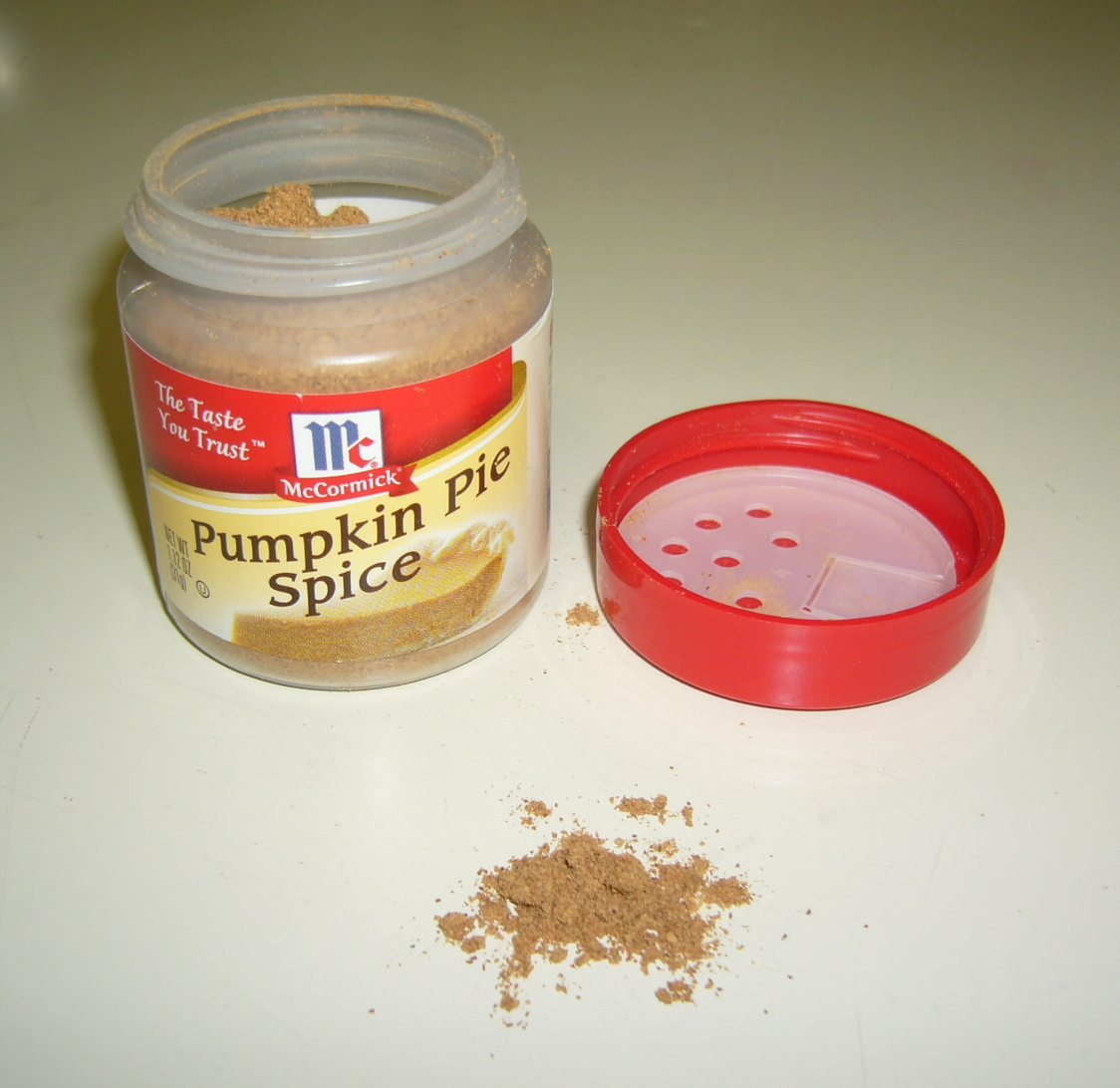
Opened spices do not go bad the way milk does. They fade. The oils that carry aroma and flavour escape a little at a time, and the jar that once smelled rich ends up smelling like dust.
The good news is that four enemies cause most of the damage, and all four are easy to control.
This article explains how to store opened spices so they keep their flavour, including the best containers, the worst spots in the kitchen, how long ground and whole spices last, and a simple test for freshness.
Why opened spices lose flavour
Spices carry their flavour in volatile oils. The Spice Trader explains that heat can vaporize these oils, light can change colour and weaken flavour, and moisture can cause clumping and mould. Air adds a fourth problem, since oxygen slowly oxidizes the same compounds.
Every time you open a jar, you let in fresh air and a little humidity.
Ground spices suffer fastest. Grinding exposes far more surface area, so the oils escape sooner. Whole spices keep their oils locked inside until you crush or grind them.
That single difference explains most of the shelf-life gap between a jar of ground cumin and a jar of cumin seeds.
Stale spices are rarely unsafe. The Spice Trader notes that faded spices may still be good to eat, but their flavour will sit at a minimum. In practice, that means a curry made with flat spices tastes flat, even when the recipe is right.
How long opened spices last
Published ranges disagree, so treat any single number with care. McCormick gives approximate shelf lives for products stored properly: ground spices 2 to 4 years, whole spices 4 years, leafy herbs 1 to 3 years, and gourmet blends 1 to 2 years. The Spice Trader gives shorter ranges, with whole spices lasting 3 to 4 years and ground spices about 1 to 2 years.
The gap is not a mistake. Shelf life depends on the spice, the grind, and the storage. A jar of ground paprika kept above the stove will fade far sooner than a jar of whole peppercorns kept in a cool cupboard.
One guide cited by the spice shelf-life review puts paprika colour loss at 40 percent within 18 months of light exposure, based on Eurofins Food Testing data. Light does real damage.
Blends fade fastest of all. A homemade mix like garam masala combines ingredients that age at different rates, and the same review puts homemade blends at roughly 6 to 8 months. Buy blends in small amounts, and use them while they still smell strong.
Pick airtight containers that block light
The container matters more than the label on it. The Spice Trader recommends airtight glass or food-grade plastic containers with tight-fitting lids, and warns against paper bags or flimsy plastic packaging that let air and moisture through. McCormick gives the same core advice: store herbs and spices in a tightly capped container.
Glass wins for most kitchens. It does not absorb odours, it seals well, and you can see what is inside. The trade-off is light.
Clear glass lets light in, so keep clear jars inside a dark cupboard rather than on an open shelf. Amber or opaque jars block more light, and they suit spices that sit near a window or under a bright kitchen light.
Transfer spices out of torn packets and thin bags as soon as you open them. A bag that will not reseal is a slow leak of aroma. If you buy in bulk, split the bag into a small working jar and a sealed reserve jar.
Choose a cool, dark, dry spot
Location is the part most cooks get wrong. McCormick advises keeping spices away from heat, moisture, and direct sunlight, and specifically warns against storing them over the stove, dishwasher, sink, or near a window. The Spice Trader agrees, and points to a pantry or cupboard away from stoves, ovens, and windows, with a stable temperature.
The classic mistake is the spice rack beside the stove. It looks handy, and it cooks your spices every time you turn on a burner. Heat speeds up oil loss, and steam from pots adds moisture.
A cupboard two steps away keeps the same spices in far better shape.
Avoid the top of the fridge too. Warm air rises, and the surface above a fridge runs warmer than the rest of the kitchen. A cool pantry shelf, a drawer, or a cupboard on an inside wall all work.
The test is simple: if the spot feels warm when you cook, move the spices.
Keep moisture and stray smells out
Moisture is the quiet enemy. The Spice Trader warns that one drop from a wet spoon can ruin a whole container, and advises keeping scooping utensils dry. Never shake spices straight from the jar over a steaming pot, since steam drifts up into the jar.
Spoon the spice into your hand or a small bowl first, then add it to the pot.
Strong smells travel too. The Spice Trader notes that spices can pick up odours from nearby coffee, tea, or cleaning supplies. Keep spice jars sealed and stored away from those items.
A sealed jar protects flavour in both directions, since strong spices like cumin can scent neighbouring jars if the lids are loose.
Clumping is the visible sign of moisture. A little clumping in salt or garlic powder may be harmless, but hard lumps or a musty smell mean the contents have taken on water. Discard anything with visible mould or an off smell.
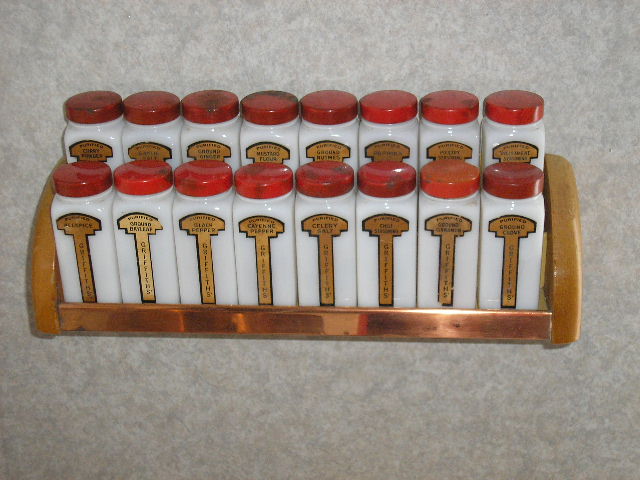
Should spices go in the fridge or freezer?
For most dried spices, the answer is no. McCormick states that it does not recommend freezing, since freezing does not extend the shelf life of dried herbs and spices. Repeatedly taking bottles out of the freezer can cause condensation to form, which speeds up flavour and aroma loss.
The fridge brings a similar condensation risk.
McCormick makes one exception. Members of the red pepper family, including paprika and chili powder, can go in the refrigerator to retain colour and freshness. If you keep paprika in the fridge, leave the jar sealed until it reaches room temperature before you open it, so condensation does not form inside.
Fresh herbs follow different rules, and freezing works well for them. The Spice Trader describes freezing chopped herbs in ice cube trays with water, broth, or olive oil, then moving the cubes to a freezer bag. That method suits fresh basil, thyme, and oregano.
Dried spices stay in the pantry.
Buy whole, grind small, and label every jar
Buy whole spices is the simplest upgrade for flavour. Whole peppercorns, cumin seeds, cinnamon sticks, and nutmeg keep their oils far longer than ground versions. Grind only what you need for a week or two.
A small spice grinder or a mortar and pestle handles most jobs, and the difference in aroma is easy to smell. The same fresh-beats-stale logic applies to aromatics, since fresh ginger, peeled quickly with a spoon, brings more flavour than jarred paste.
Label each jar with the spice name and the date you opened it. The Spice Trader recommends marking the date on every container, so you use the oldest stock first and stop guessing. A strip of masking tape and a pen works.
Add the purchase date too if you buy in bulk.
Buy in amounts you will actually use. A large bag of ground spice looks like a bargain until half of it fades in the cupboard. Small jars, bought more often, beat big jars that sit for years.
For blends you use rarely, the smallest jar on the shelf is the right choice.
Test freshness before you cook
Dates help, but your nose decides. The crush test is the method cooks use. Put a quarter teaspoon of the spice in your palm, rub your hands together for a few seconds, and smell right away.
A strong, clear aroma means the spice still has life. A faint or dusty smell means it is time to replace it.
Colour gives a second clue. Paprika should look vivid, not brick-brown. Dried herbs should still show green, not grey.
Colour alone does not prove a spice is unsafe, but fading colour and fading scent usually arrive together. Colour shifts can mislead elsewhere in cooking too, such as when garlic turns blue or green when cooked, which looks alarming but is harmless.
When a spice fails the test, replace it before an important dish. Adding more of a stale spice does not fix the problem. The flavour compounds are gone, and extra spoonfuls add dust, not depth.
For everyday cooking, a faded spice can still season a soup, but a curry or a bake that depends on one spice deserves a fresh jar.
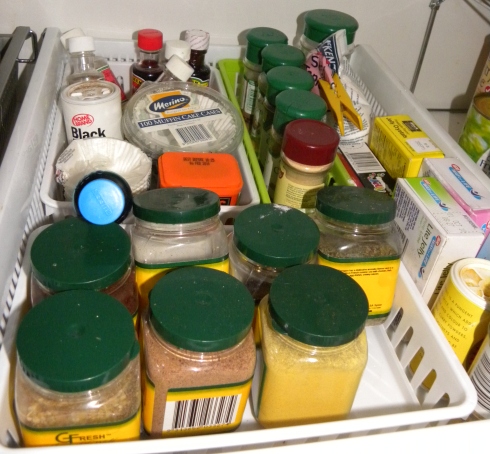
FAQ
Do opened spices expire?
Opened spices do not spoil like fresh food, but they lose flavour over time. McCormick lists approximate shelf lives for properly stored products, with ground spices at 2 to 4 years and whole spices at 4 years. Use the crush test to judge a jar rather than trusting the date alone.
Where is the worst place to store spices?
Above or beside the stove is the worst common spot. Heat and steam reach the jars every time you cook. McCormick advises against storing spices over the stove, dishwasher, sink, or near a window.
A cool, dark cupboard works better.
Can I store spices in the freezer?
McCormick does not recommend freezing dried herbs and spices, since freezing does not extend their shelf life and condensation can speed flavour loss. Keep dried spices in the pantry. Freezing suits fresh herbs, not dried ones.
How do I know if a spice is still good?
Crush a pinch in your palm and smell it. A strong aroma means the spice is still useful. A weak or flat scent means the flavour has faded.
Faded colour, clumping, or a musty smell are further signs to replace the jar.
The bottom line
Store opened spices in airtight jars in a cool, dark, dry cupboard, away from the stove and sink. Buy whole when you can, grind small amounts, label each jar with its opening date, and test freshness with a crush and a sniff. Those habits keep flavour where it belongs, in the food.
Tags: spices, food storage, pantry, cooking
Latest in Food
- How to substitute butter in baking without ruining the recipe
- Why garlic turns blue or green when cooked
- How to peel ginger quickly with a spoon
- Do you need to preheat the oven for baking?
Subscribe for one practical cooking guide in your inbox each week.
Related stories

Why Does Bread Go Stale Faster in the Refrigerator?
Bread goes stale faster in the fridge because starch recrystallizes fastest near 4°C. Here is the retrogradation science and the right way

Baking soda and baking powder: what's the difference?
Baking soda is pure sodium bicarbonate; baking powder adds two dry acids for double-acting lift. Learn when to use each, plus exact

What Is the Maillard Reaction in Simple Terms?
The Maillard reaction is the browning chemistry between amino acids and sugars above 140 C that creates the crust, color, and rich flavor