
How to peel ginger quickly with a spoon
Key takeaways
- A metal teaspoon scrapes off ginger skin while leaving the flesh behind.
- Break the root into segments first so the spoon can reach every knob and crevice.
- Peel only what you need, right before cooking, since peeled ginger loses flavor fast.
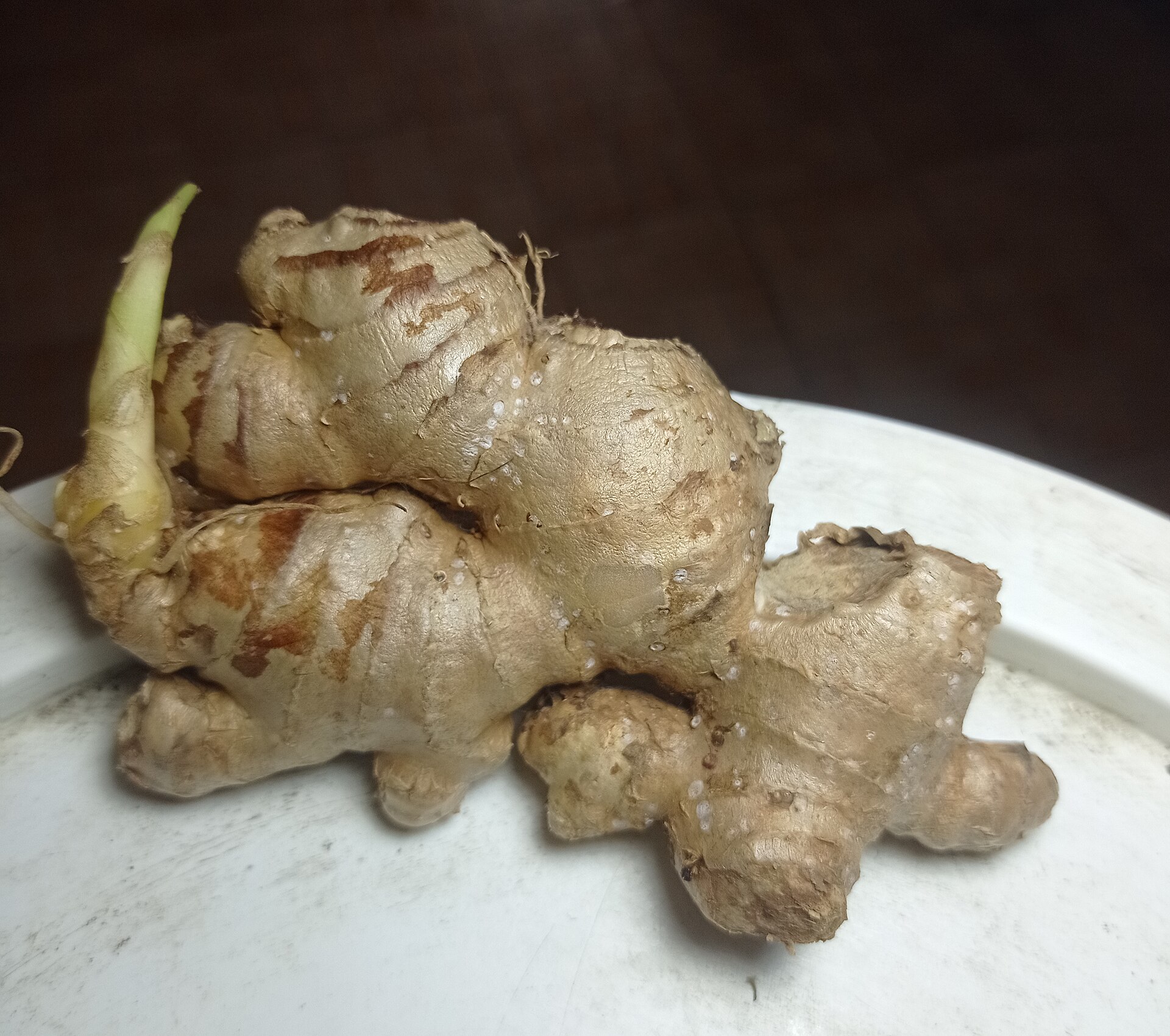
Ginger is a knobby, uneven root with thin, papery skin. A vegetable peeler skips over its bumps. A knife cuts too deep and wastes good flesh.
A spoon fits the shape. Its curved edge slides into hollows and around knobs, lifting the skin without gouging the flesh beneath.
The method takes seconds once you try it. Hold the ginger in one hand. Scrape the edge of a metal teaspoon along the skin with short, firm strokes.
Rotate the root as you go. The skin curls away in thin strips. What remains is pale yellow flesh, ready to slice, grate, or mince.
This article explains how to peel ginger quickly with a spoon, why the tool works, when to skip peeling, and how to store ginger after peeling.
Why a spoon beats a peeler and a knife
Ginger is not a carrot. Its surface twists, branches, and dips. Chef's Resource puts it plainly.
Standard peelers are designed for the flat surfaces of carrots or potatoes, not the complex, multi-directional shape of a ginger root. A knife, while precise, tends to dig too deep and wastes the spicy, aromatic flesh you are trying to preserve.
A spoon solves the shape problem. The bowl of a teaspoon is curved, rigid, and blunt. It follows the root's contours instead of fighting them.
It applies pressure across a small area and peels only the skin. A peeler has a straight blade that catches on knobs and shaves off flesh with the skin. A knife has a sharp edge that invites slips on a wet, uneven root.
Safety matters too. A spoon has no sharp edge. Your fingers stay far from any blade.
That matters when you work fast or when the root is small and hard to grip. The spoon method is the rare kitchen trick that is faster, cheaper, and safer than the tool most people reach for first.
What kind of ginger are you peeling
Ginger sold in most stores is mature ginger. It has thick, tan skin and firm flesh. Baby ginger, sometimes called young ginger, has thin, pale, almost translucent skin.
The two types need different handling.
Mature ginger almost always needs peeling when you grate it or use large pieces. Chef's Resource notes that older ginger skin turns into a dry, paper-like layer that feels unpleasant in a finished dish. The spoon method suits mature ginger best, since the skin is thick enough to catch and peel away in strips.
Young ginger may not need peeling at all. Its skin is tender enough to eat without noticing it in a finished dish. If the root looks pale and smooth, scrub it clean and use it skin and all.
That saves time and keeps the flavor intact. The spoon still works on young ginger, but use a light touch so you do not scrape away soft flesh.
Check the root before you start. Fresh ginger feels firm and smells sharp when you scratch the skin. Discard any piece that feels spongy, shows mold, or has dark, sunken spots.
The spoon method, step by step
You need one tool: a metal teaspoon. A tablespoon works on a large root, but a teaspoon gives better control around knobs. Grab a cutting board and a small bowl for the peelings.
- Wash the ginger under cold running water. Scrub the crevices with a brush or your fingers to remove dirt.
- Break the root into segments at the joints. Snapping off small knobs gives you manageable pieces with fewer hidden nooks.
- Hold one segment firmly in your non-dominant hand, keeping your fingers behind the part you are scraping.
- Place the edge of the spoon bowl against the skin. Scrape downward in short, firm strokes, working from the center outward.
- Rotate the piece and repeat until the surface looks pale yellow and smooth.
- Use the tip of the spoon to clear skin from tight joints and small eyes.
- Rinse the peeled piece briefly, then pat it dry.
Work with light to medium pressure. You are lifting skin, not carving flesh. If you see deep yellow flesh tearing, ease off.
If a patch of skin resists, scrape it twice from different angles instead of pressing harder.
Break the root first for a reason. Chef's Resource explains that snapping ginger into segments creates pieces with fewer hidden nooks where skin can gather. It also stops you from over-peeling easy sections while ignoring crevices that hold dirt.
Peel only the segment you need for the recipe. The rest of the root keeps longer with its skin on.
When to skip peeling entirely
Peeling is not always required. The skin of ginger is edible. The question is texture.
Chef's Resource says you do not need to peel ginger if the skin is thin and smooth and you plan to grate it finely. In that case, the skin blends in and you will not notice it.
Skip peeling when the ginger will be strained out. For a long-simmered tea or a soup where you fish out the pieces later, scrub the root clean and slice it with the skin on. The skin adds flavor and you remove it with the slices.
The same logic applies to infusions and broths.
Peel when texture matters. Sauces, dressings, stir-fries, and baked goods show every bit of tough skin. A smooth sauce turns gritty when papery bits float in it.
A fine mince with skin feels woody on the tongue. When in doubt, peel. It takes seconds, and it keeps the dish clean.
One more case deserves a note. If you use organic ginger, the skin is free from synthetic pesticide residues, according to Chef's Resource. Wash all ginger well either way, since soil and grit hide in the joints.
What to do after peeling
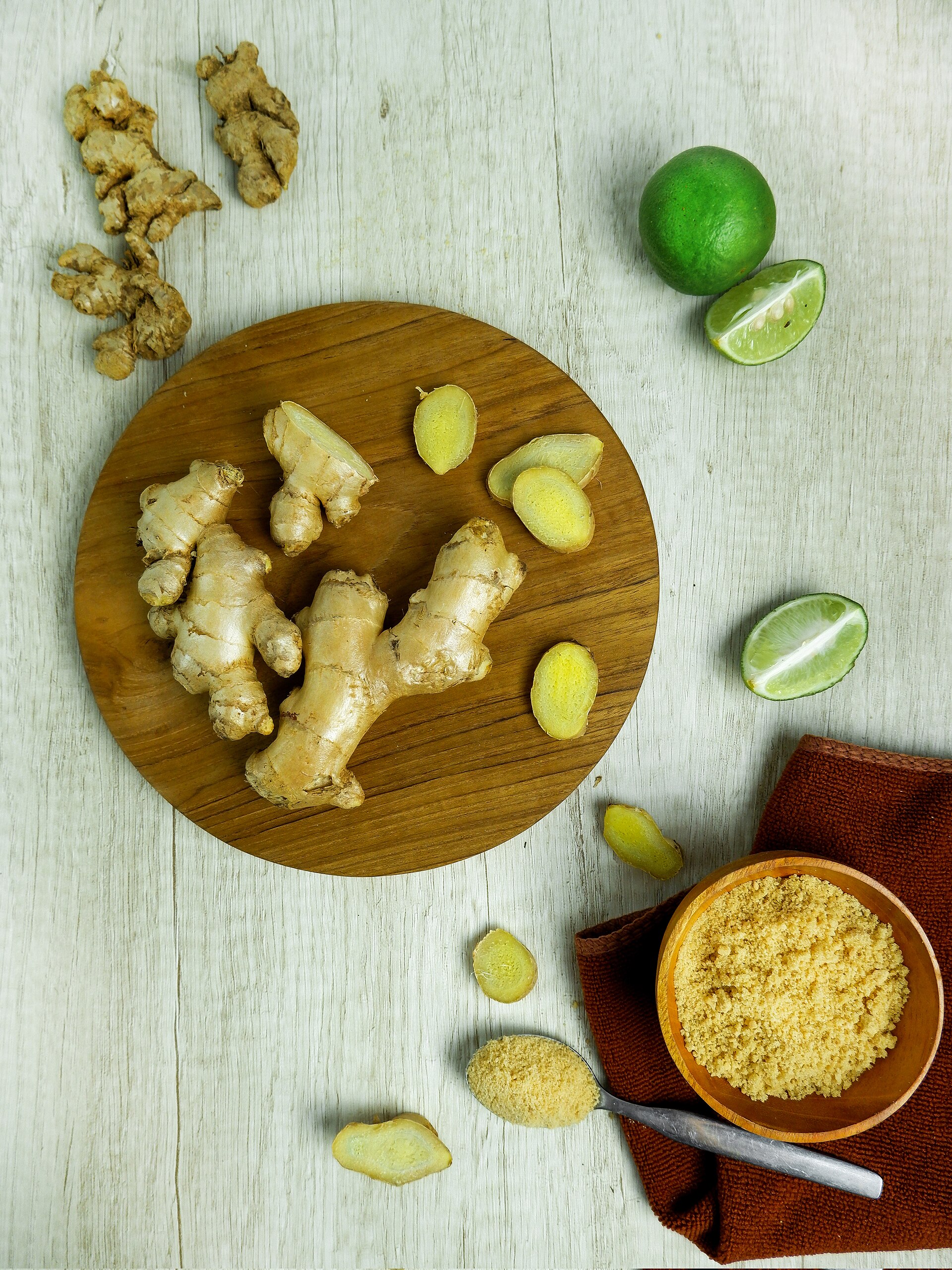
Peel right before cooking. Chef's Resource warns that peeled ginger oxidizes fast once the protective skin is gone. The oils that give ginger its sharp flavor fade with air exposure.
A root peeled in the morning tastes duller by dinner. Peel the piece you need, then cook.
Cut the peeled ginger to match the dish. Thin coins suit tea, poaching, and stir-fries. A fine mince suits dressings, marinades, and sauces.
A microplane grate suits baking and drinks, where the ginger must vanish into the mix. The Kitchn notes that fresh ginger can be minced or grated as a base for sauces, added to wet rubs for meat, or sliced into soups and broth. Its heat comes from gingerol, a compound related to capsaicin, the chemical that gives hot peppers their spice, but much milder.
Ginger is not a root in the botanical sense. The Kitchn explains that it is the stem of a tropical plant native to China. That stem stores flavor and water in dense, fibrous flesh.
The freezer trick for grating
Grating fresh ginger clogs a microplane. Fibers wrap around the teeth and trap pulp. A chef in a widely shared video offered a fix that The Takeout covered in October 2026. Freeze the ginger first.
The chef explained that freezing turns the water inside the ginger into ice particles that swell and weaken the fibers, so the flesh snaps off cleanly when grated.
The numbers back up the idea. The Takeout reports that ginger is about 79 percent water by weight. When that water freezes, ice crystals expand and make the fibrous strands brittle.
The result grates smoothly instead of stringing. The chef froze the piece for six hours before grating it in the video.
Peel before you freeze. The Takeout notes the order clearly. Remove the skin first by scraping it away with the edge of a metal spoon.
Once the ginger is peeled and frozen solid, you can grate it straight from the freezer into the dish. The frozen root is also easier to hold, since it will not slip and bend under the grater.
This trick also solves storage. A frozen peeled root keeps far longer than a fresh one. Wrap it tightly and freeze it whole or in segments.
Grate what you need and return the rest to the freezer. Chef's Resource agrees that freezing makes ginger easier to grate later, since the fibers become brittle and yield to a microplane.
Storing ginger before and after peeling
Whole, unpeeled ginger keeps best in the fridge. Put it in a sealed bag in the crisper drawer. It stays firm for weeks.
Cut pieces keep less well, since the exposed end dries out. Wrap a cut end in plastic wrap and return the root to the bag.
Peeled ginger needs a plan. If you will use it within a day, wrap it tightly in plastic wrap and refrigerate it. For longer storage, freeze it.
Do not leave peeled ginger sitting in the fridge for days. It dries out, darkens, and loses flavor.
Common mistakes
Three mistakes waste ginger. The first is pressing too hard. A spoon needs light pressure, since heavy pressure gouges flesh and makes a mess.
The second is peeling the whole root at once. Peel only what the recipe needs, since the skin protects the rest.
The third is peeling with a dull or bent spoon. A bent spoon edge tears instead of scraping. Grab a basic metal teaspoon with a smooth, even edge.
Plastic spoons flex too much and slip. A cheap metal teaspoon is the right tool, and most kitchens already own several.
The bottom line
Peeling ginger with a spoon is fast because the tool matches the root. Break the root into segments, scrape with a metal teaspoon in short strokes, and rotate as you go. Peel only what you need, right before cooking.
Skip peeling when the skin is thin or the pieces will be strained out. Freeze the peeled root if you plan to grate it, since frozen fibers snap cleanly instead of tangling. The whole job takes under a minute, and it wastes almost nothing.
Tags: food, ginger, kitchen tips, cooking
Latest in Food
- How to store opened spices so they keep their flavour
- How to substitute butter in baking without ruining the recipe
- Why garlic turns blue or green when cooked
- What is the difference between simmering and boiling
Subscribe for one practical cooking tip each week, no spam.
Related stories

Why Does Bread Go Stale Faster in the Refrigerator?
Bread goes stale faster in the fridge because starch recrystallizes fastest near 4°C. Here is the retrogradation science and the right way

Baking soda and baking powder: what's the difference?
Baking soda is pure sodium bicarbonate; baking powder adds two dry acids for double-acting lift. Learn when to use each, plus exact

What Is the Maillard Reaction in Simple Terms?
The Maillard reaction is the browning chemistry between amino acids and sugars above 140 C that creates the crust, color, and rich flavor