
How a Slow Cooker Keeps Food Safe Cooking All Day Long
Key takeaways
- Slow cookers stay safe by holding food above 140°F, keeping it out of the bacterial danger zone.
- The low setting runs at 170 to 200°F, well above the 140°F minimum safe holding temperature.
- Thaw meat before cooking and limit keep-warm holding to 4 hours for full safety.
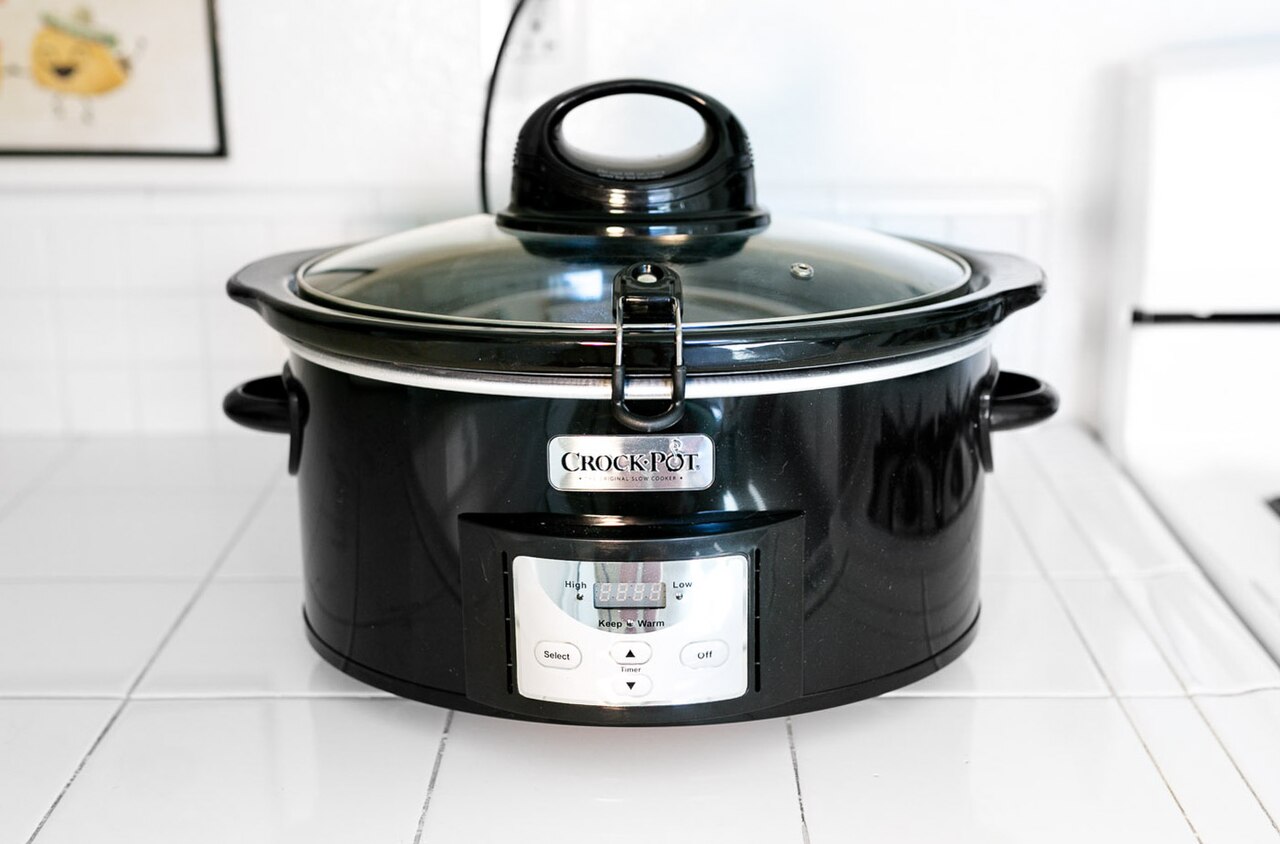
Leaving an appliance running all day while nobody is home sounds like it should be risky, yet slow cookers do exactly that in millions of kitchens without incident. The safety is not an accident. It comes from a simple thermal strategy: get the food hot enough, keep it there, and never let it linger in the temperature range where bacteria thrive.
That danger range has a name and a number. The USDA defines the temperature danger zone as 40°F to 140°F (4°C to 60°C), the band where bacteria multiply fastest. A slow cooker keeps food safe all day by spending as little time as possible in that band on the way up, then holding well above it for the rest of the cook.
This article explains how a slow cooker keeps food safe all day, including what the low and high settings actually do, why thawing matters, how the keep-warm setting works, and the limits even a good slow cooker cannot cross.
The danger zone, and why 140°F is the magic number
Bacteria are the reason slow cooker safety has rules at all. In the danger zone between 40°F and 140°F, common foodborne pathogens multiply rapidly. Meredith Carothers, a food safety specialist with the USDA's Food Safety and Inspection Service, told Better Homes & Gardens that if warm food drops below 140°F, bacteria can double every 20 minutes, growing to levels that may cause vomiting, diarrhea, stomach cramps, and dehydration.
Two time limits govern the zone Perishable food left at room temperature in the danger zone for more than 2 hours is considered unsafe, according to USDA guidance cited by A Grateful Kitchen
For the slow climb of a slow cooker, the practical standard is that food should pass through the danger zone within about 2 hours on the way up, and in any case must reach 140°F within 4 hours Everything about slow cooker design serves that deadline.
The sealed lid is part of the strategy A tight lid traps steam and heat, which is why recipes warn against lifting it
Each peek can drop the internal temperature by 15 to 20 degrees, and repeated peeking stretches the time food spends climbing through the danger zone The cooker is engineered as a closed system; opening it breaks the design.
What the low, high, and warm settings actually do
The dial on a slow cooker controls the heating element, not the food directly, and the numbers surprise most cooks On the low setting, most modern slow cookers hold food between 170°F and 200°F (77°C to 93°C)
On high, the element runs hotter, roughly 280 to 300°F, bringing food to a simmer in the 190 to 200°F range faster Both settings sit comfortably above the 140°F safety floor.
That margin is the whole safety case. The low setting is not barely safe; it holds food 30 to 60 degrees above the danger zone ceiling for the entire cook. Research published in the Journal of Food Protection, cited in slow cooker safety coverage, found that properly operated slow cookers maintain temperatures well above the danger zone throughout the cooking process.
The keep-warm setting is a different animal It typically holds food between 145°F and 165°F, just above the 140°F line
That is warm enough to be safe but only barely, which is why food safety specialists put a time limit on it Better Homes & Gardens reports that USDA specialists consider up to 4 hours on keep-warm acceptable, while A Grateful Kitchen advises 1 to 4 hours and notes that the setting is designed for holding, not cooking Overnight on keep-warm exceeds the safe window.
The practical rule for all-day cooking is therefore straightforward. Cook on low for 7 to 10 hours, or on high for 3 to 4 hours, and serve or refrigerate within a couple of hours of the cook finishing. Keep-warm bridges the gap between done and dinner, not between dinner and breakfast.
Why thawing first is non-negotiable
Frozen meat is the classic way to defeat an otherwise safe slow cooker. A frozen roast or chicken takes hours just to thaw inside the cooker, and during those hours the outer layer sits squarely in the danger zone, warm enough for bacteria but not hot enough to kill them.
USDA guidance is unambiguous: always thaw meat and poultry before slow cooking, so the food passes through unsafe temperatures quickly. Starting from a thawed state lets the cooker push the whole batch through the danger zone within the safe window. Starting from frozen can leave the exterior in the zone for 3 hours or more while the center is still ice.
Two more habits protect the climb Fill the cooker one-half to two-thirds full; an underfilled cooker heats unevenly, and an overfilled one heats too slowly
Cut meat into uniform pieces so everything reaches safe temperature at roughly the same time And keep the lid on for at least the first few hours, when the race through the danger zone is happening.
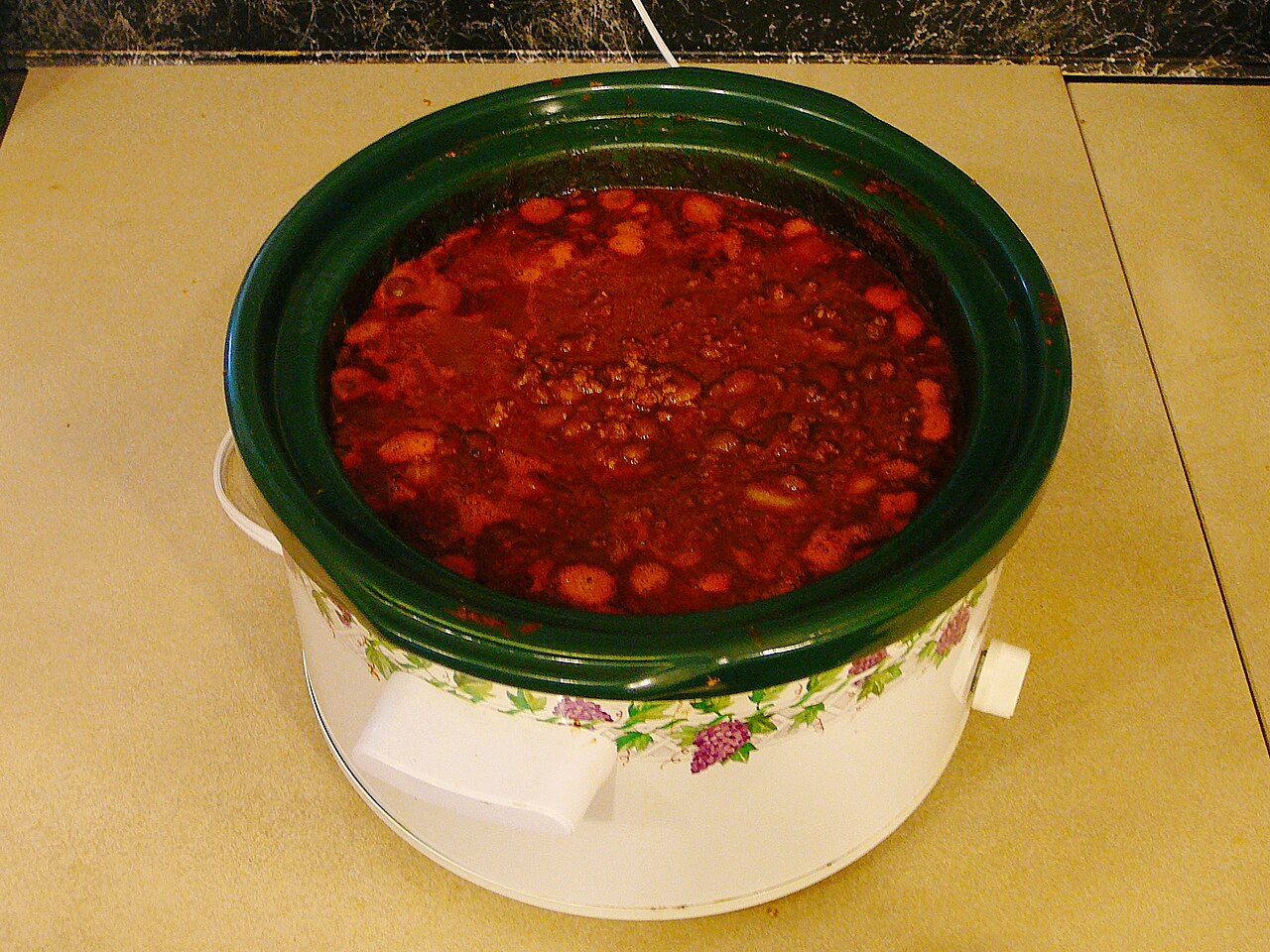
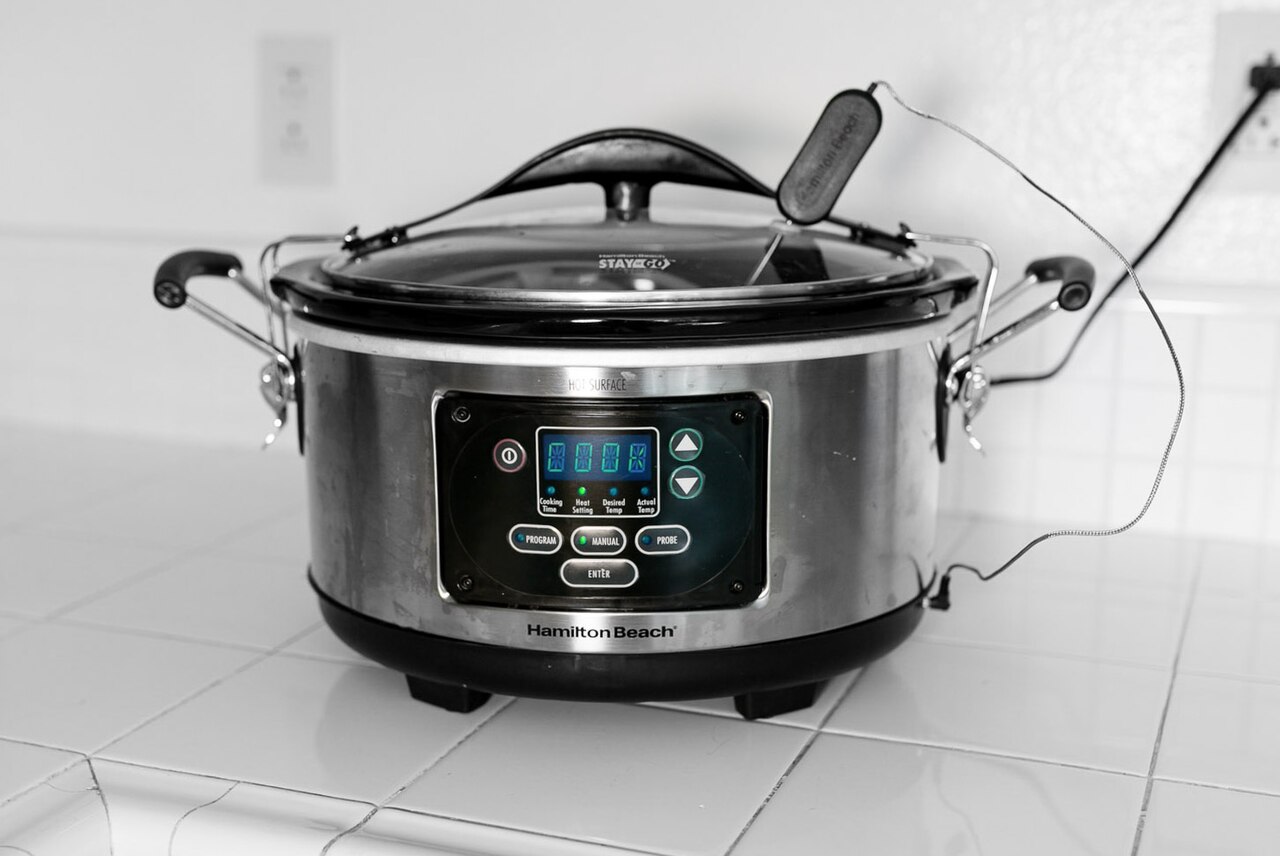
Can I leave a slow cooker unattended all day?
Yes, that is what it is designed for, within limits. A functioning cooker on low holds food at 170 to 200°F for 7 to 10 hours, which is safe. The cautions are real but narrow: do not exceed about 10 hours total, start with thawed ingredients, keep the lid on, and refrigerate leftovers within 2 hours of the cook ending.
What if the power flickers while I am out?
This is the scenario the rules are built around. If the power was out long enough for the food to drop below 140°F for more than 2 hours, the food is no longer safe, even if it looks and smells fine. When in doubt, throw it out; reheating cannot undo the bacterial toxins some pathogens leave behind.
Is the keep-warm setting safe overnight?
No Keep-warm holds food just above 140°F and is rated for 1 to 4 hours of holding, not all-night service
Overnight holding risks the temperature drifting into the danger zone as the food cools unevenly Refrigerate leftovers within 2 hours and reheat to 165°F when you are ready to eat.
Do older slow cookers run cooler than new ones?
Some do. Older models can run cooler than modern ones, and a cooker that cannot reliably hold above 140°F is not safe for all-day cooking. If yours is old or secondhand, check it once with a food thermometer during a cook; the reading after several hours on low should sit well above 140°F.
The bottom line
A slow cooker keeps food safe all day with unglamorous thermal discipline: it pushes food through the 40 to 140°F danger zone quickly, then parks it at 170 to 200°F on low, far above the bacterial comfort zone The safety holds only when the cook respects the system's assumptions
Thaw first, fill the cooker properly, keep the lid closed, cap keep-warm at 4 hours, and refrigerate promptly Do that, and the all-day cook is one of the safest ways to make dinner.
Latest in Food & Cooking
- Why Does Grilled Food Taste Smoky Even on a Gas Grill?
- Can a New Fridge Smell Like Plastic and Still Be Safe?
- Why Do You Get Goosebumps From Music?
Get one practical kitchen science explainer in your inbox every morning. Subscribe to the Rive News newsletter.
Related stories
Why Does Bread Go Stale Faster in the Refrigerator?
Bread goes stale faster in the fridge because starch recrystallizes fastest near 4°C. Here is the retrogradation science and the right way
Baking soda and baking powder: what's the difference?
Baking soda is pure sodium bicarbonate; baking powder adds two dry acids for double-acting lift. Learn when to use each, plus exact
What Is the Maillard Reaction in Simple Terms?
The Maillard reaction is the browning chemistry between amino acids and sugars above 140 C that creates the crust, color, and rich flavor