
Why you need to preheat the oven fully before baking
Key takeaways
- A full preheat takes about 10 to 15 minutes and heats the oven's walls and racks, not just the air. That stored heat keeps the temperature steady when the door opens.
- Leavening agents release their rising gas only when hot. A cold start lets the gas escape early, leaving dense cakes and flat bread.
- Preheating also matters for food safety: meats and poultry need to reach safe internal temperatures quickly, and chicken must hit 165 F.
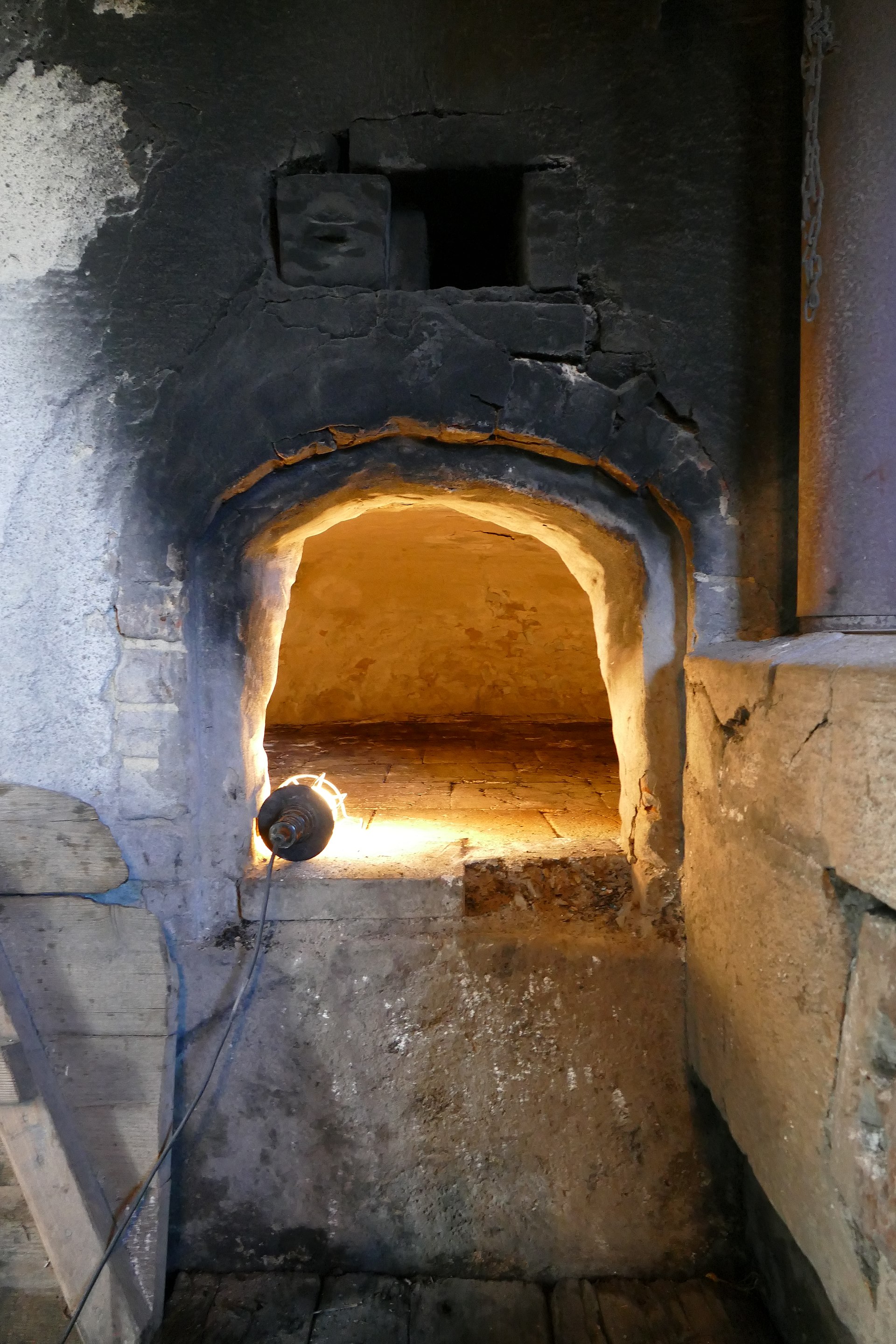
Preheating means heating the oven to the recipe's target temperature before the food goes in. Most ovens need about 10 to 15 minutes to get there. It feels like dead time, and skipping it is tempting. The trouble is that baking is a timed chemical reaction, and the clock starts the moment batter meets heat. A cold oven starts that clock at the wrong temperature.
This article explains what preheating actually heats, why leavening needs an immediate blast of heat, how the oven's walls help, and what goes wrong when you skip the step.
Preheating heats the walls, not just the air
The air inside an oven heats fast, but air holds almost no heat. What matters is thermal mass: the oven walls, the racks, and any baking stone or steel you use. Samira's Recipe notes that a full preheat heats the walls along with the air. That stored heat is what matters when you open the door.
Every time the door opens, most of the hot air escapes. An oven with cold walls takes minutes to recover its temperature. An oven with fully heated walls bounces back almost immediately, because the walls radiate their stored heat back into the chamber. This is why recipes say to preheat fully, not just until the indicator light turns on. The light often signals air temperature, while the walls are still catching up. Give it the full 10 to 15 minutes most ovens need.
Leavening needs heat on arrival
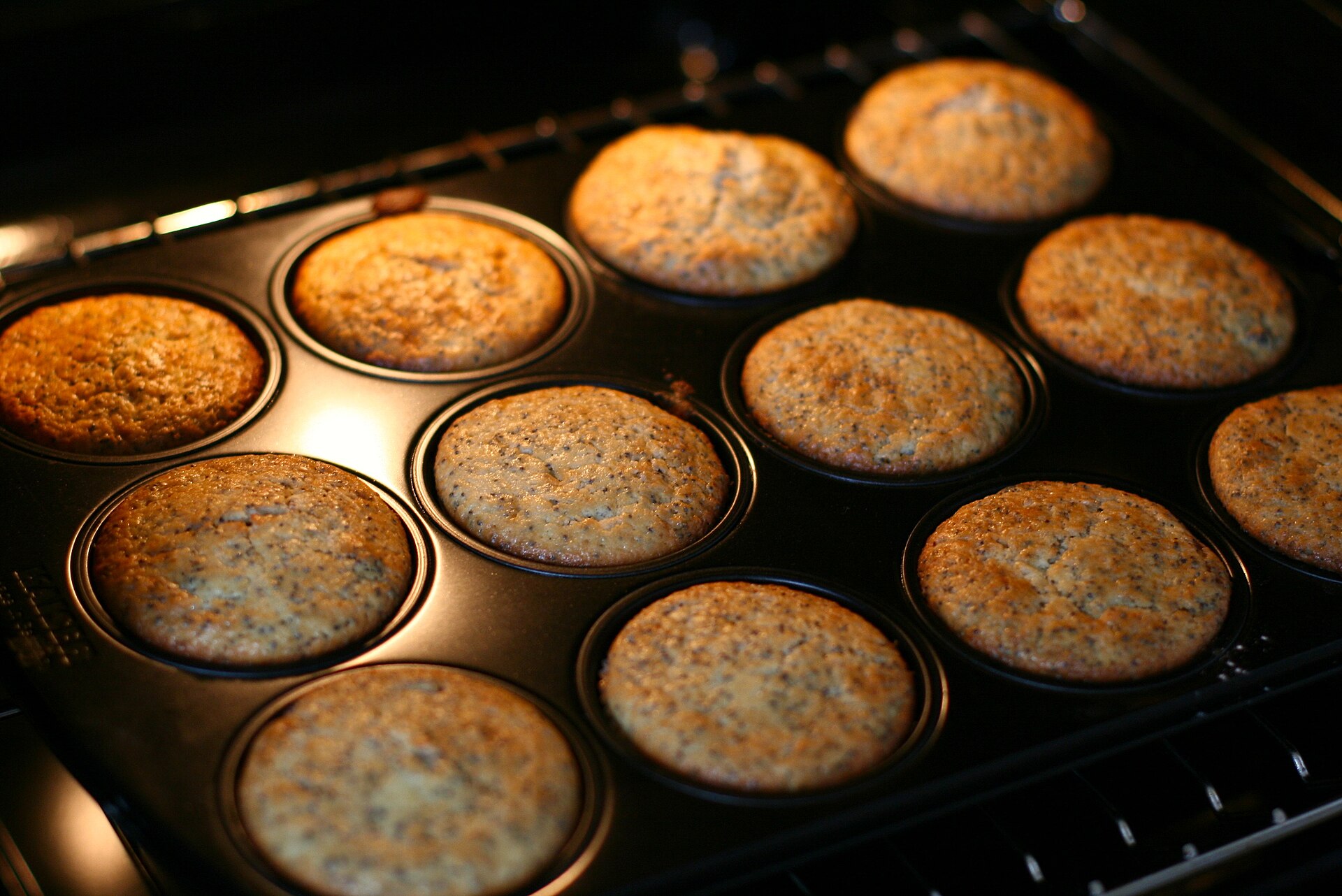
Baking powder, baking soda, and yeast are leavening agents: substances that make dough rise by releasing carbon dioxide gas. That release is heat-triggered, and timing is everything. According to the Oven Cook Guy, if the oven is not preheated, these gases may escape before they have a chance to create lift, resulting in denser baked goods.
Think of yeast proofing, which bakers know well. Yeast activates in warm water. In cold water it stays dormant, and no amount of later warmth fully fixes the start. Samira's Recipe uses exactly this comparison: batter placed in a cold oven misses its initial push of heat, and the result is heavy, undercooked, hard, or rubbery bread and cake.
There is a narrow window called oven spring: the quick rise that happens when dough first meets high heat, as trapped gases expand rapidly. Miss that window and the structure sets before the rise happens. One practical rule follows from this: once batter is mixed, it should go into a hot oven promptly. Walking away while the oven heats can cost a cake its rise, because baking powder begins reacting as soon as it gets wet.
Heat timing shapes texture and color
Baking relies on precise temperatures for reactions like Maillard browning and gluten development, according to Cookdom. The Maillard reaction, the browning that gives bread its crust and chicken its roasted flavor, needs high heat from the start. A cold start produces pale pastry instead of golden, and cookies turn out hard and dry rather than crisp-edged and chewy.
The same timing logic applies to structure. A preheated oven cooks food all the way to its center before the outside burns, Samira's Recipe explains. Without preheating, the outside finishes while the center stays cold and uncooked. For tart shells, this shows up as a beautifully golden edge with a raw center: the crust needs immediate heat to set quickly and lock out moisture from the filling.
It is also a food safety step
Preheating matters beyond baking. Meats and poultry need immediate exposure to high heat to kill bacteria quickly. The U.S. Department of Agriculture states that chicken should be cooked to an internal temperature of 165 F to ensure food safety. Starting chicken in a cold oven extends the time the meat spends in the lukewarm danger zone where bacteria multiply, and it makes the target temperature harder to reach evenly.
Heat distribution plays in here too. A fully preheated oven spreads even heat from the start, so a roast cooks uniformly. A cold oven forces the meat to heat up along with the oven, which can dry out the outside before the inside is safe.
When skipping it is actually fine
Preheating is not a universal law. Casseroles, braises, and slow roasts are forgiving: they cook for an hour or more, so the warm-up time blends into the total. Some dense breads even prefer a cold start. But for anything with leavening, eggs, or a crust that must set fast (cakes, cookies, puff pastry, pizza), the full preheat is doing real chemical work.
If you own an oven thermometer, use it once. Many home ovens run 25 to 50 degrees off their display, and an oven that claims 350 F may be delivering 310 F. The thermometer tells you the truth, and it also tells you when the walls have caught up, which is the moment the food should go in.
FAQ
How long does it take to preheat an oven?
About 10 to 15 minutes for most home ovens to reach typical baking temperatures. The walls need that full time: the indicator light often fires early, when only the air is hot.
What happens if you do not preheat the oven?
Leavening gas escapes before it can lift the batter, so cakes and bread turn out dense. Crusts brown unevenly, pastry stays pale, and the center can be undercooked while the outside looks done.
Does preheating matter for roasting meat?
Yes. Immediate high heat sears the surface for flavor and moves the meat through the bacterial danger zone faster. The USDA sets 165 F as the safe internal temperature for chicken.
Can I put food in while the oven preheats to save time?
Only for forgiving dishes like casseroles and braises. For cakes, cookies, bread, and pastry, the cold start ruins the rise and the texture. The minutes saved are not worth the flat cake.
The bottom line
Preheating is not about patience. It is about starting the chemistry at the right temperature. Ten to fifteen minutes of heating loads the oven's walls with stored heat, so the door-opening dip recovers instantly and the food meets full heat on arrival. That arrival heat triggers leavening, sets structure, starts browning, and keeps food safe. Skip it, and the clock starts wrong: the gas escapes, the crust never sets, and the center lags behind. Turn the oven on first, then prep.
Rive News's research desk covers food science and grocery literacy.
Latest in food
- Difference between baking soda and baking powder
- Why coffee tastes bitter and how to fix it at home
- Why bread goes stale faster in the refrigerator
- Why honey crystallizes and whether it is still good
Subscribe for one practical food explainer every week.
Related stories

Why Does Bread Go Stale Faster in the Refrigerator?
Bread goes stale faster in the fridge because starch recrystallizes fastest near 4°C. Here is the retrogradation science and the right way

Baking soda and baking powder: what's the difference?
Baking soda is pure sodium bicarbonate; baking powder adds two dry acids for double-acting lift. Learn when to use each, plus exact

What Is the Maillard Reaction in Simple Terms?
The Maillard reaction is the browning chemistry between amino acids and sugars above 140 C that creates the crust, color, and rich flavor