
Salmonella oyster recall: 27 sick in 12 states from Virginia raw oysters
Web StoryWatch this story in 15 seconds →Key takeaways
- Raw oysters from Virginia's Little Wicomico River are linked to a rare Salmonella outbreak.
- The CDC reports 27 illnesses in 12 states. Five people were hospitalized. No deaths are reported.
- Recalled oysters were harvested between September 18 and October 8, 2026. Do not eat them.
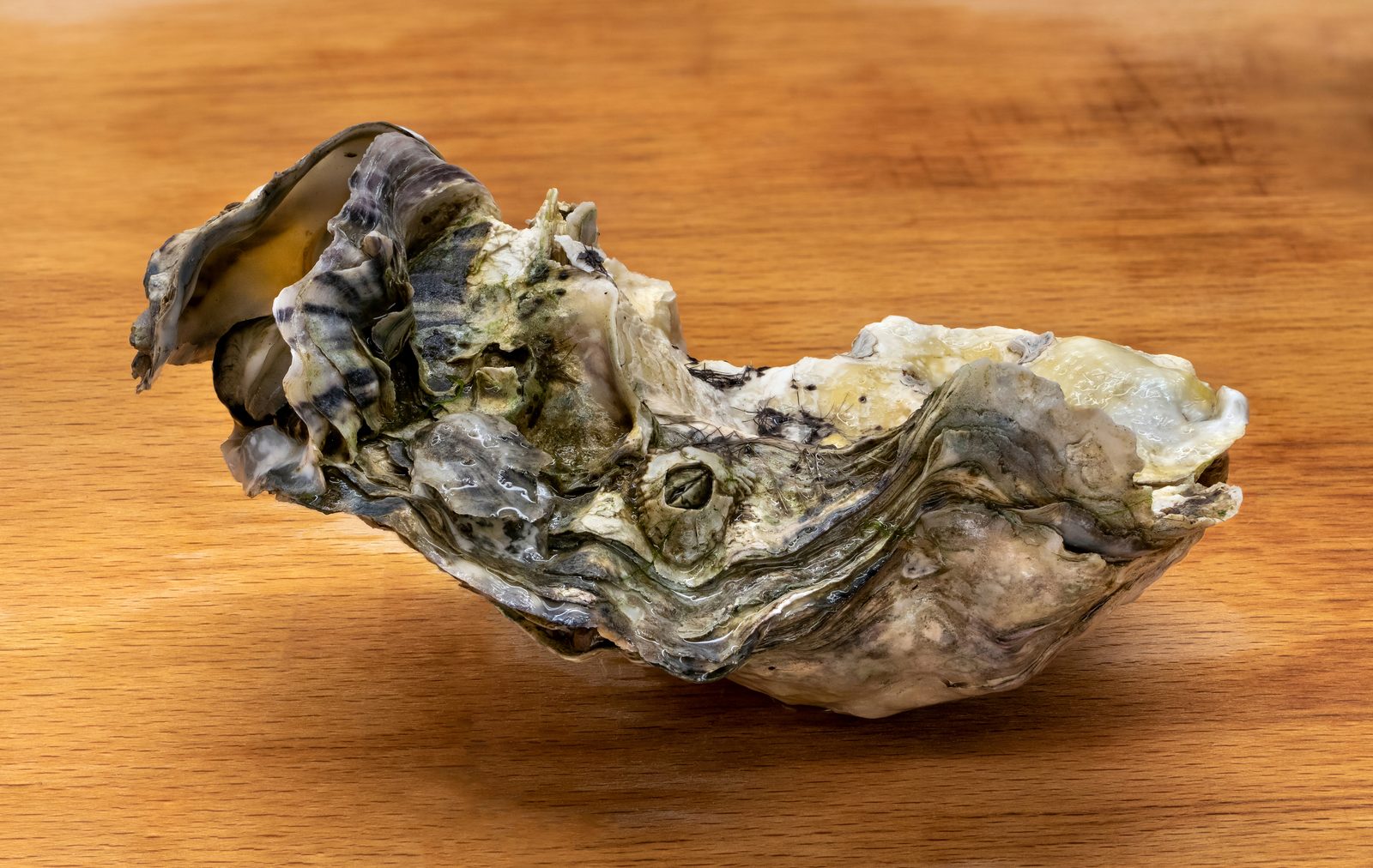
A Salmonella outbreak tied to raw oysters from Virginia has made 27 people sick in 12 states, federal health officials say. Five people went to the hospital. No one has died.
The oysters came from the Little Wicomico River, and the company that harvested them has recalled the products.
What happened
The Centers for Disease Control and Prevention issued a food safety alert on October 19 about the outbreak. The bacteria involved is Salmonella Telelkebir, a rare type of Salmonella. People in the outbreak range in age from 1 to 86. The median age is 41, and 59 percent are male, according to reporting by Food Poison Journal.
The 27 illnesses in the CDC's main group began between May 29 and September 14, 2026. They were spread across 12 states. Pennsylvania had the most cases with 8, followed by New York with 4, Virginia with 3, Colorado with 2, Indiana with 2, and Maryland with 2. Connecticut, Florida, Illinois, Iowa, Kentucky, and New Jersey each had 1 case.
Virginia health officials track a wider group of Telelkebir cases. That count reached 55 people in 19 states as of October 21. Those extra cases are still being checked for a link to the oysters.
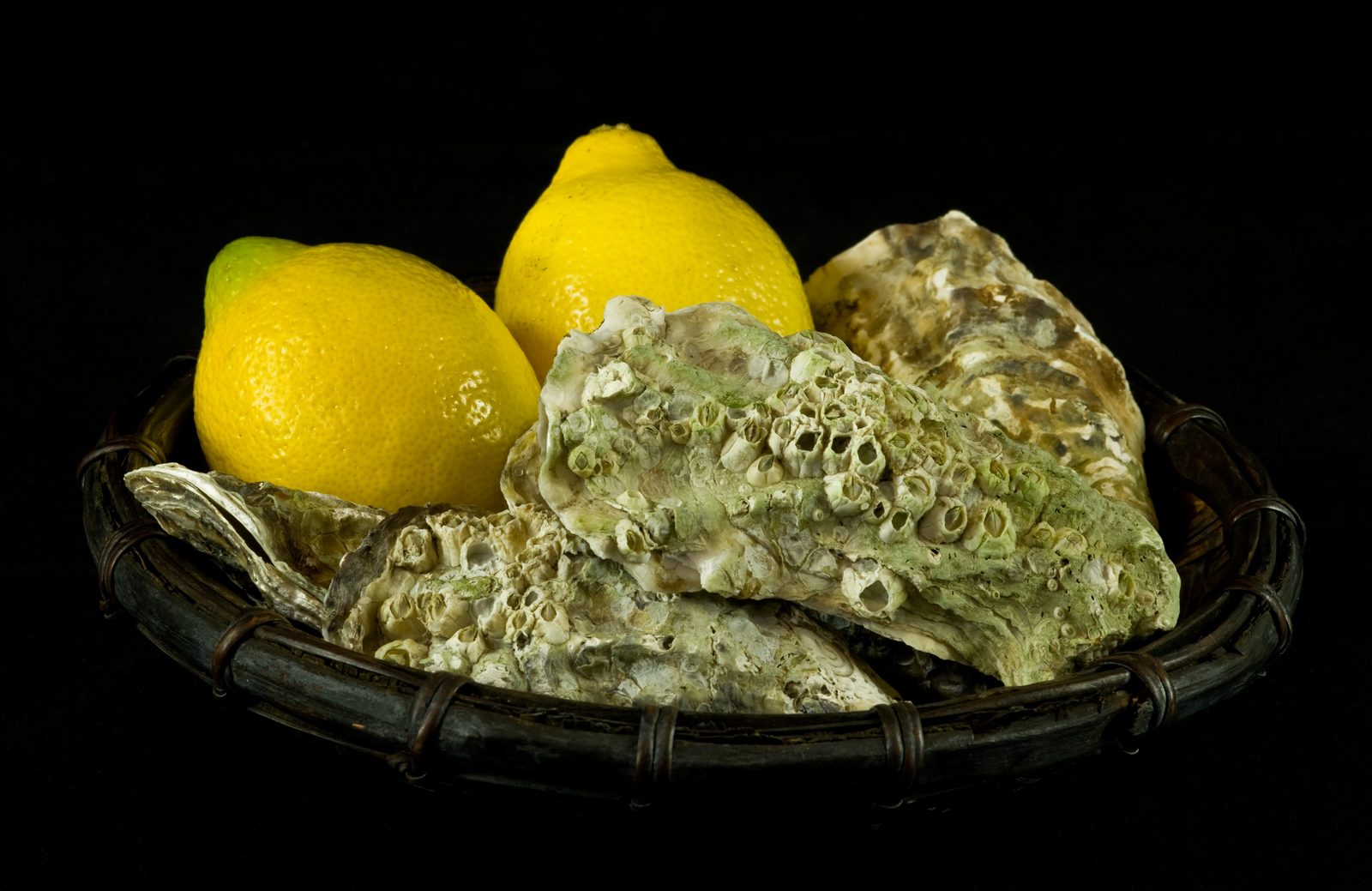
The Little Wicomico Oyster Company, based in Heathsville, Virginia, recalled the oysters on October 9. The recall covers whole, in-shell oysters harvested from September 18 through October 8, 2026. The harvest sites were the Little Wicomico River and the Little Wicomico River Lower growing areas. On shellfish tags, the dealer is listed as VA-1421-SP.
The oysters went to restaurants and retailers in 15 states plus Washington, DC. The list is California, Colorado, Connecticut, Florida, Georgia, Illinois, Maryland, Missouri, Nevada, New Jersey, New York, North Carolina, Pennsylvania, Texas, and Virginia.
They may have been shipped further, the FDA says. In Georgia, the supermarket chain Publix sold them labeled as "James River Oysters" until October 14.
The Virginia Department of Health closed the river area to oyster and clam harvesting on October 9. The emergency closure runs 30 days. On October 13, officials collected 400 oysters from company cages and tested eight meat samples.
All eight came back positive for Salmonella. Lab results that match the oyster bacteria to the patient strain are still pending. A second round of samples was collected on October 21, and fecal-contamination testing was done on October 22.
Why it matters
Investigators in Pennsylvania found the link. Of 13 ill people interviewed, 10 said they had eaten raw oysters. That is 77 percent.
In a normal year, only about 1.6 percent of people report eating raw oysters, the CDC says. Shellfish tag records were available for seven of the ten. Those seven had eaten oysters from several places.
The only oysters all seven had in common came from the Little Wicomico River.
The CDC warns that 27 reported cases is likely an undercount. Many people recover without seeing a doctor or getting tested. It also takes three to four weeks to link a new case to an outbreak, so recent illnesses may not be counted yet.
This is not the first time this rare bacteria has shown up in raw oysters. In December 2025, the CDC reported a separate Salmonella Telelkebir outbreak linked to raw oysters.
That one sickened 64 people in 22 states. The source of those oysters was never publicly identified.
The FDA adds a warning: food contaminated with Salmonella can look, smell, and taste normal. You cannot spot it. Just like you should check if eggs are still fresh before cracking them, checking food safety before you eat matters.
The usual symptoms are diarrhea, fever, and stomach cramps. They start six hours to six days after eating the contaminated food. Most people recover in four to seven days.
Young children, adults 65 and older, and people with weak immune systems face a higher risk of severe illness.
See a doctor right away for diarrhea with a fever over 102 F. Also call for diarrhea lasting more than two days, bloody diarrhea, vomiting so bad you cannot keep liquids down, or signs of dehydration like dry mouth and dizziness when standing.
Heat kills Salmonella. Full cooking makes oysters safe. But hot sauce, lemon juice, and alcohol do not kill the bacteria.
Eating raw oysters always carries some foodborne illness risk, even outside an outbreak. It is the same reason our guide says meat should thaw in the fridge, not on the counter: cold and raw food needs careful handling.
What happens next
Health officials are still testing. The key next step is the DNA match between the Salmonella in the river oysters and the strain in patients. That will confirm the source beyond the current evidence.
The river cannot reopen until three rounds of testing come back clean in a row. The first round, collected October 13, was 8-for-8 positive. Results from the second round are pending.
The Little Wicomico Oyster Company has stopped harvesting from the affected area. The company says it is cooperating with investigators. Virginia officials note the firm remains a certified shellfish dealer.
They add that routine inspections have not linked the company's operations to the illnesses. Oysters from Virginia's other growing areas are not part of the recall or the closure.
Consumers who bought oysters that might be in the recall should not eat them. Throw them away or return them. Wash any items and surfaces they touched with hot, soapy water.
Restaurants and retailers should check their shellfish tags for the harvest area and date. If the tags show the Little Wicomico River areas between September 18 and October 8, the product must be thrown out or destroyed. If you ate raw oysters out at a restaurant, the place should be able to tell you where they came from, since it must keep those tags.
Anyone who ate raw oysters this summer or fall and felt sick should tell a doctor and ask about a stool test. That test is the only way to confirm a Salmonella infection. It is also how health officials link new cases to the outbreak, which helps them map how far it spread.
This article is for information only and is not medical advice.
Related stories
Why Does Bread Go Stale Faster in the Refrigerator?
Bread goes stale faster in the fridge because starch recrystallizes fastest near 4°C. Here is the retrogradation science and the right way
Baking soda and baking powder: what's the difference?
Baking soda is pure sodium bicarbonate; baking powder adds two dry acids for double-acting lift. Learn when to use each, plus exact
What Is the Maillard Reaction in Simple Terms?
The Maillard reaction is the browning chemistry between amino acids and sugars above 140 C that creates the crust, color, and rich flavor