
Why Butter Goes Rancid While Cooking Oil Lasts Much Longer
Key takeaways
- Butter holds about 16 percent water, which feeds the microbes and enzymes that drive rancidity.
- Cooking oil is nearly water-free, so it faces only slow oxidation instead of butter's double attack.
- Refrigeration, airtight wrapping, and salt all slow butter spoilage; freezing stops it almost entirely.
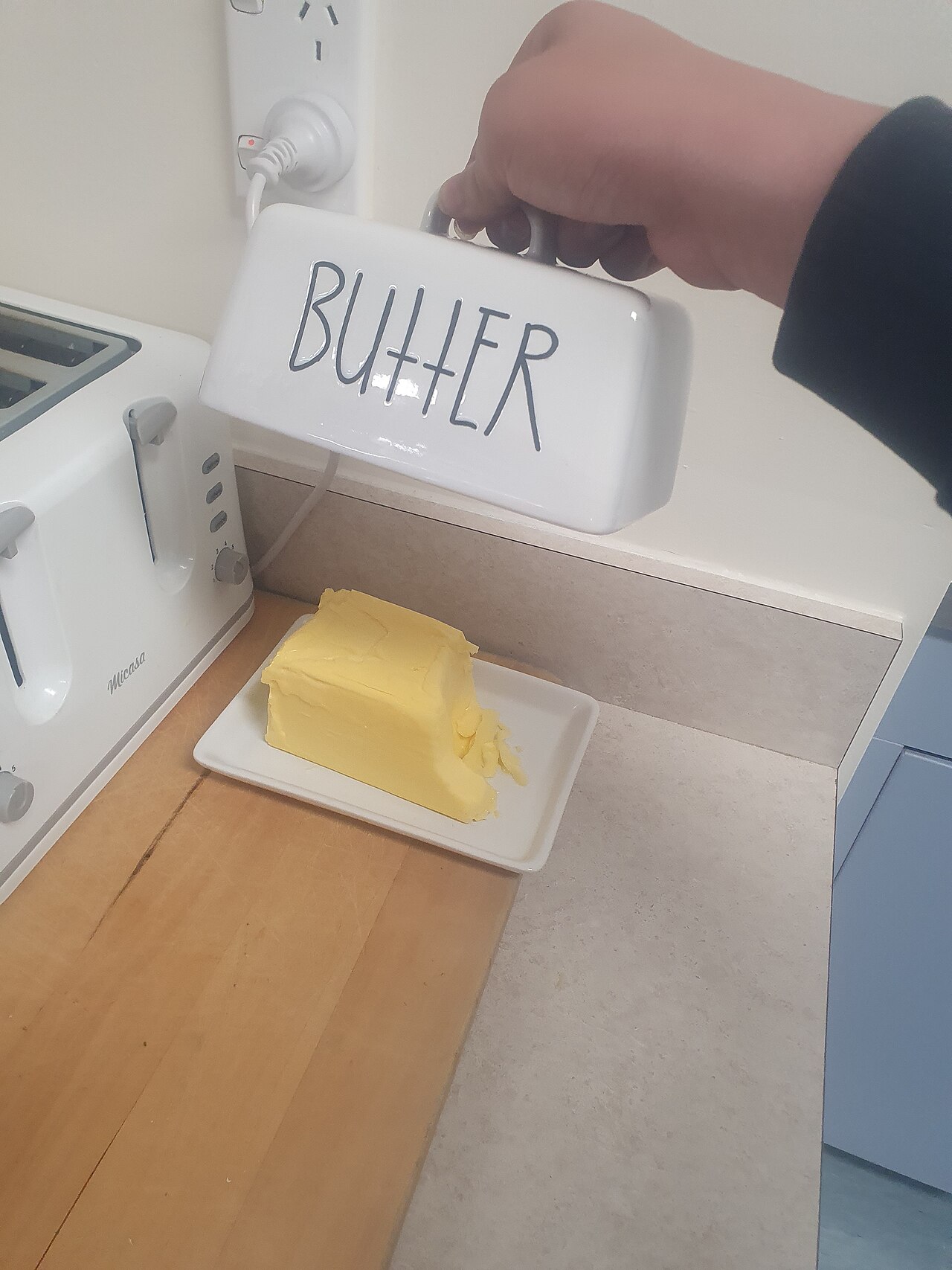
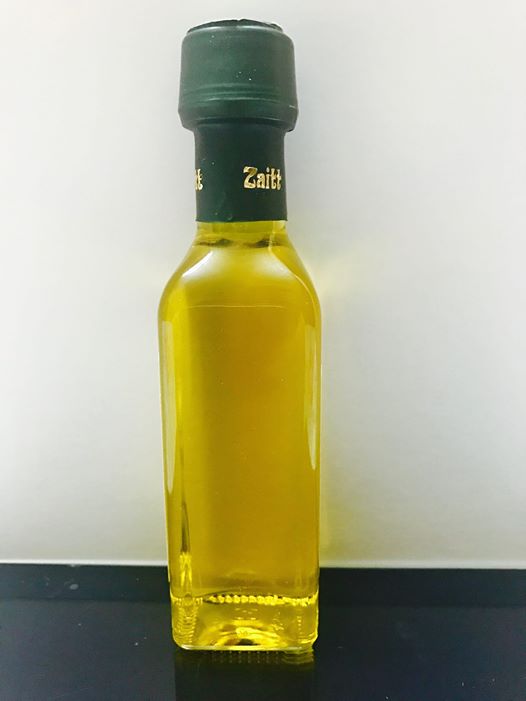
A bottle of cooking oil can sit in the pantry for a year and taste fine, while a stick of butter left on the counter turns sour and unpleasant within weeks. Both are fats, so the difference is worth explaining. The answer comes down to water: butter carries a meaningful amount of it, and oil carries almost none.
That water changes everything about how the two fats age Butter is attacked on two fronts at once, by microbes and enzymes that need moisture and by oxygen in the air
Oil faces only the oxygen, and at a much slower pace Once you see the double attack, the shelf-life gap stops being mysterious.
This article explains why butter goes rancid while cooking oil lasts much longer, including the two kinds of rancidity, the role of butter's water content, why salt and cold help, and how to store each fat for maximum life.
The two kinds of rancidity
Food scientists divide rancidity into two distinct processes, and butter is vulnerable to both. Understanding the pair is the key to the whole comparison.
Oxidative rancidity is the reaction of oxygen with unsaturated fatty acids It runs as a chain reaction in three phases: initiation, propagation, and termination
Free radicals form under the influence of light, heat, or metal catalysts, react with oxygen to make peroxides, and break down into aldehydes, ketones, and short-chain fatty acids The Food Safety Institute notes that these breakdown compounds can be detected at extremely low concentrations, sometimes in parts per billion, which is why a slightly oxidized fat can smell strongly off while looking unchanged.
Hydrolytic rancidity is the second kind, and it needs water Triglycerides split apart into free fatty acids and glycerol when they meet water, often with lipase enzymes acting as the catalyst
The Food Safety Institute points out that short-chain fatty acids, particularly butyric acid, produce especially unpleasant odors, and that this type of rancidity is commonly observed in butter and other dairy products where moisture and enzyme activity accelerate the breakdown That soapy, sour, baby-vomit note of spoiled butter is hydrolytic rancidity at work.
Cooking oil, by contrast, is essentially water-free. Without meaningful moisture, the hydrolytic pathway barely runs. Oil still oxidizes, because oxygen is everywhere, but it faces only one enemy instead of two, and that alone roughly doubles its staying power.
Why butter's water content dooms it
Butter is a water-in-oil emulsion: tiny water droplets suspended in milkfat. By standard composition, butter contains roughly 80 percent milkfat, 14 to 16 percent water, and small amounts of milk solids and salt. WebExhibits, in its dairy science exhibit, notes that the water droplets are less than 6 micrometers across, and that this high water content leaves butter subject to rapid microbiological spoilage at normal temperatures.
That moisture does two kinds of damage First, it hosts microbes
Bacteria and molds need free water to grow, and butter's droplets give them exactly that, along with milk proteins and sugars for food Texas Real Food explains the general principle: foods high in fat spoil through chemical oxidation rather than mold only when they are dry; where moisture is present, microbial spoilage joins in Butter sits on the moist side of that line, and oil sits far on the dry side.
Second, water enables the enzymes The enzyme lipase breaks milkfat down into glycerol and free fatty acids, and it needs an aqueous environment to do its work
WebExhibits identifies rancidity as the breakdown of milkfat by lipase into those components, producing the sour-bitter, soapy flavor that marks spoiled butter Every day at room temperature, the water droplets inside butter serve as tiny reaction chambers where lipase keeps working.
The milk solids matter too Butter is not pure fat; it carries proteins and lactose that microbes happily consume and that brown and sour as they degrade
Refined cooking oil is nearly pure triglyceride with nothing for microbes to eat Even the comparison with ghee is instructive: when butter is simmered into ghee, the water boils off and the milk solids are removed, and the result keeps for months at room temperature because both the microbial habitat and the enzyme medium are gone.
Why salt, cold, and airtight wrapping help
Every traditional butter-preservation trick targets one of the two rancidity pathways, which is why they stack so well together.
Salt was developed partly to prevent spoilage, according to WebExhibits. Salt draws water out of the droplets and raises the osmotic pressure inside them, making the butter's interior hostile to microbes. It also masks the taste of early rancidity, which is why salted butter keeps noticeably longer than unsalted at the same temperature.
Cold slows both pathways Refrigeration suppresses microbial growth and dramatically slows the chemical oxidation chain reaction
Butter that turns in two weeks on the counter can last two to three months refrigerated Freezing is better still: at freezer temperatures, microbial activity stops and oxidation crawls, so butter keeps for six to nine months frozen with little flavor loss.
Keeping air away from the surface slows oxidative rancidity specifically. That is the entire logic of the butter crock, which seals the butter under water to block air contact, and of tight foil or wrap versus a loose dish. Light matters as well, since light initiates the free-radical chain reaction; an opaque container in a dark cupboard beats a clear dish on a sunny counter.
For oil, the same principles apply but the stakes are lower. A cool, dark cupboard and a capped bottle are usually enough, because oxidation is the only enemy and it moves slowly. The practical rule from the Food Safety Institute is simple: store oils away from heat and light, and use clean utensils so you never introduce moisture, enzymes, or metal ions into the bottle.
How can you tell butter has gone rancid?
Trust your nose first Rancid butter smells sour, soapy, or faintly like blue cheese, and the flavor turns harsh and bitter
The color may deepen from pale yellow toward a darker yellow-brown If it smells off, it is off; rancidity is a quality failure, and heavily rancid fat should be discarded rather than cooked with.
Does clarified butter or ghee really last that long?
Yes, and the reason confirms the whole theory. Clarifying drives off the water and strains out the milk solids, removing both the microbial habitat and much of the enzyme activity. Sealed ghee keeps for months at room temperature, which is exactly what you would expect once the moisture is gone.
Which oils resist rancidity best?
Saturated fats oxidize more slowly than polyunsaturated ones, because oxidation attacks the double bonds in unsaturated fatty acids. That is why coconut oil, high in saturated fat, keeps longer than safflower or sunflower oil at room temperature. Antioxidants such as vitamin E also slow the chain reaction, which is one reason some oils carry natural protection.
Should butter live in the fridge or on the counter?
It depends on how fast you use it A small amount for daily spreading can sit covered at cool room temperature for a week or so
The main supply belongs in the refrigerator, and any butter you will not use within a month belongs in the freezer When in doubt, refrigerate; cold is the cheapest insurance against both kinds of rancidity.
The bottom line
Butter goes rancid faster than oil because it carries about 16 percent water, and that water invites a second spoilage pathway that oil never faces Microbes colonize the droplets, lipase enzymes split the fat into sour free fatty acids, and oxygen attacks from the air, all at once
Oil, nearly water-free and nearly pure fat, endures only slow oxidation The fix mirrors the cause: keep butter cold, keep air away from it, choose salted for the counter, and freeze what you will not use soon.
Latest in Food & Cooking
- Why Does Grilled Food Taste Smoky Even on a Gas Grill?
- Can a New Fridge Smell Like Plastic and Still Be Safe?
- Why Do You Get Goosebumps From Music?
Get one practical kitchen science explainer in your inbox every morning. Subscribe to the Rive News newsletter.
Related stories
Why Does Bread Go Stale Faster in the Refrigerator?
Bread goes stale faster in the fridge because starch recrystallizes fastest near 4°C. Here is the retrogradation science and the right way
Baking soda and baking powder: what's the difference?
Baking soda is pure sodium bicarbonate; baking powder adds two dry acids for double-acting lift. Learn when to use each, plus exact
What Is the Maillard Reaction in Simple Terms?
The Maillard reaction is the browning chemistry between amino acids and sugars above 140 C that creates the crust, color, and rich flavor