
Why Rice Sticks to the Bottom of the Pot
Key takeaways
- Rice sticks when the bottom layer runs out of water and starch gelatinizes directly against hot metal.
- Amylopectin, which makes up 70 to 80 percent of rice starch, is the main glue behind the sticking.
- Rinsing off surface starch and keeping the heat low and steady prevents the crust from forming.
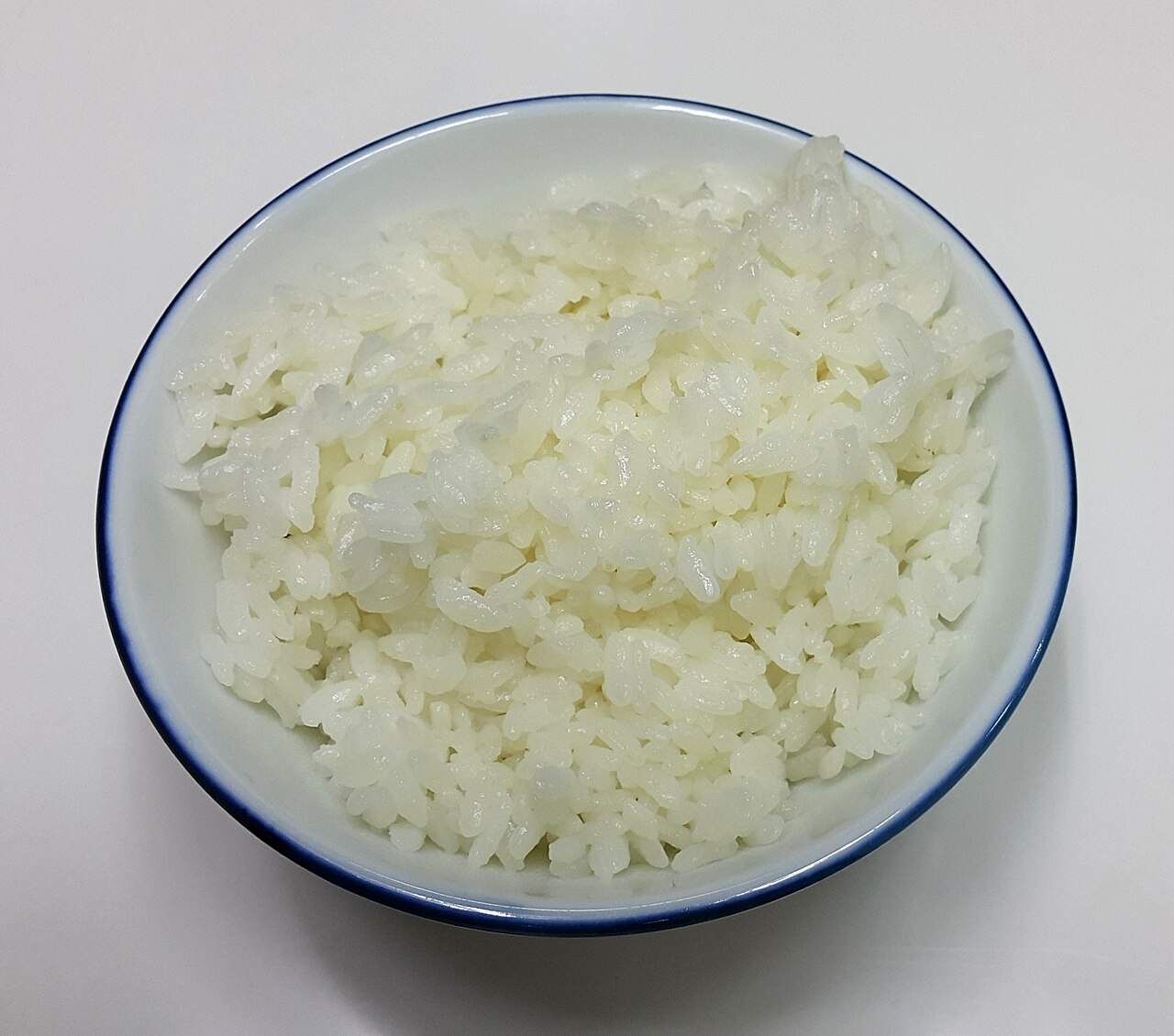
Rice sticking to the bottom of the pot is not bad luck. It is chemistry. Rice grains are mostly starch, and when heat, water, and metal meet in the wrong order, that starch turns into an adhesive that welds the bottom layer of grains to the pan.
The short version is that water protects rice from the heat As long as liquid surrounds the grains, the temperature stays near the boiling point and the rice cooks gently
Once the bottom layer dries out, the temperature climbs fast, the starch dries and browns, and the grains bond to the metal That is the whole story in one paragraph, and every fix follows from it.
This article takes a closer look at why rice sticks to the bottom of the pot, including how starch gelatinization works, which rice varieties stick most, what goes wrong with heat and water ratios, and the practical steps that keep the bottom of the pot clean.
Why starch is the main culprit
Rice is roughly 80 percent starch by dry weight, and starch comes in two forms: amylose and amylopectin Amylose is a long, straight molecule that keeps cooked grains firm and separate
Amylopectin is a branched molecule that breaks apart more easily in hot water and turns into a sticky gel According to The Proper Kitchen, amylopectin makes up about 70 to 80 percent of the starch in rice, which is why stickiness is the default rather than the exception.
When rice heats in water, the starch granules absorb moisture, swell, and eventually burst Food scientists call this process gelatinization
The burst granules release a viscous mixture of starch and water that coats every grain A little of it is fine; it gives cooked rice its familiar tender bite Too much of it, and the coating acts like paste.
Surface starch makes everything worse Milling strips away the bran layer and leaves the starchy endosperm exposed, and handling during shipping and storage knocks fine starch dust loose onto the grain surfaces
If that dust is not rinsed off, it dissolves straight into the cooking water and thickens into the exact gel that glues grains together and to the pot Rinsing under cold water until the runoff turns clear removes most of it, and it is the single highest-value step in rice cooking.
What happens when the water runs out
Water does three jobs in the pot: it hydrates the grains, it carries heat evenly, and it caps the temperature. As long as liquid water is present, the rice cannot get much hotter than 212°F (100°C), the boiling point. That ceiling is what keeps the bottom layer from scorching while the top finishes steaming.
The trouble starts the moment the bottom layer goes dry. Consillar explains the sequence plainly: once moisture disappears from the bottom, the temperature rises rapidly, starches and sugars begin to brown, and the rice bonds directly to the hot metal. There is no buffer left between the grains and the burner, so a layer that was cooking at a gentle 212°F can climb far higher within a minute or two.
Three common mistakes accelerate the drying Too little water means the bottom dries before the top is done
Too much heat boils the water off faster than the grains can absorb it Lifting the lid lets steam escape, which both cools the top and steals the moisture the rice needs to finish Stretch Recipes notes that trapped steam is what drives proper gelatinization; every peek at the pot disrupts the balance.
Stirring deserves a special warning. It feels like the right move, but it breaks grains open and releases internal starch into the water, thickening the gel and sending more of it down to the hot bottom. For plain steamed rice, the rule is simple: rinse, measure, bring to a boil, cover, drop the heat, and do not touch it again until the rest time is over.
Which rice varieties stick most, and which stick least
Not all rice is equally sticky, and the difference comes down to the amylose-to-amylopectin ratio Long-grain varieties such as basmati carry more amylose, so their grains stay separate and fluffy when cooked
Short- and medium-grain rices such as sushi rice and Arborio carry more amylopectin, so they are adhesive by design That stickiness is a feature in sushi and risotto, and a flaw in a pilaf.
Cookware matters too Thin pots with uneven bottoms create hot spots where the water boils away first, and those spots become the first places rice welds itself down
A heavy-bottomed pot spreads heat evenly and buys the cook a wider margin of error Nonstick coatings help, but they are a crutch; the same water and heat discipline works in stainless steel and enameled cast iron.
Age and storage play a quieter role. Grains knock against each other in transit and shed surface starch, and humidity swings in storage change how that starch behaves. Older rice sometimes needs slightly more water than fresh rice, and rice stored in humid conditions can carry extra surface starch that rinsing should remove anyway.
How to keep rice from sticking, step by step
The fixes follow directly from the mechanism. Each one either removes starch, protects the temperature ceiling, or evens out the heat.
- Rinse the rice. Swirl white rice in cold water, drain, and repeat until the water runs mostly clear. This removes the loose surface starch that becomes glue.
- Measure the water. A common ratio is about 1 part rice to 1.5 or 1.75 parts water for long-grain white rice, adjusted for the variety. Too little water is the fastest route to a stuck bottom.
- Use a heavy pot with a tight lid. Even heat and trapped steam do most of the work.
- Bring to a boil, then drop to the lowest steady simmer. High heat boils the bottom dry while the top is still raw.
- Do not stir and do not lift the lid. Let the pot sit covered for the full cooking time, then rest it off the heat for 5 to 10 minutes so moisture evens out.
- Fluff with a fork, not a spoon. A fork separates grains without smashing them and releasing more starch.
One more technique helps when a crust forms anyway: the coveted kind In Spanish paella, the caramelized bottom layer is called socarrat and is deliberately cultivated
If a thin golden crust is what you want, it is a feature If scorched black bitterness is what you got, it is a sign the heat was too high or the water too low.
Does adding oil or butter to the water help?
A teaspoon of oil or butter in the cooking water coats the grains lightly and can reduce sticking at the margins. It is not a substitute for rinsing or correct water levels, though. Fat cannot protect grains that have already gone dry against a hot burner, so treat it as a small bonus rather than the main fix.
Why does my rice cooker never stick but my pot does?
Rice cookers solve the problem with a sensor. They hold the temperature at a simmer and switch to a warm setting the moment the water is absorbed, so the bottom layer never sits dry over active heat. A pot on a burner has no such cutoff, which is why heat discipline matters more on the stove.
Can I save rice that has already stuck?
Yes, within limits Move the pot off the heat and let it stand covered for 10 minutes; steam loosens the crust
Scoop out the loose grains and leave the stuck layer behind Soak the pot in hot water afterward, and avoid scraping aggressively at nonstick surfaces The stuck layer itself is usually bitter and best discarded.
Is the browned bottom layer ever safe to eat?
A light golden crust, like socarrat, is safe and prized in several cuisines. A blackened, acrid-smelling layer contains bitter carbonized starch and should not be eaten. When in doubt, taste a tiny bit; bitterness is the signal to throw it out.
The bottom line
Rice sticks to the bottom of the pot because starch, the grain's main component, gelatinizes and then dries directly against hot metal once the protective water is gone Amylopectin, which dominates rice starch, is the glue
The prevention is unglamorous but reliable: rinse the grains, measure the water, keep the heat low, keep the lid on, and do not stir Master those five habits and the bottom of the pot stays as clean as the top of the rice.
Latest in Food & Cooking
- Why Does Grilled Food Taste Smoky Even on a Gas Grill?
- Can a New Fridge Smell Like Plastic and Still Be Safe?
- Why Do You Get Goosebumps From Music?
Get one practical kitchen science explainer in your inbox every morning. Subscribe to the Rive News newsletter.
Related stories
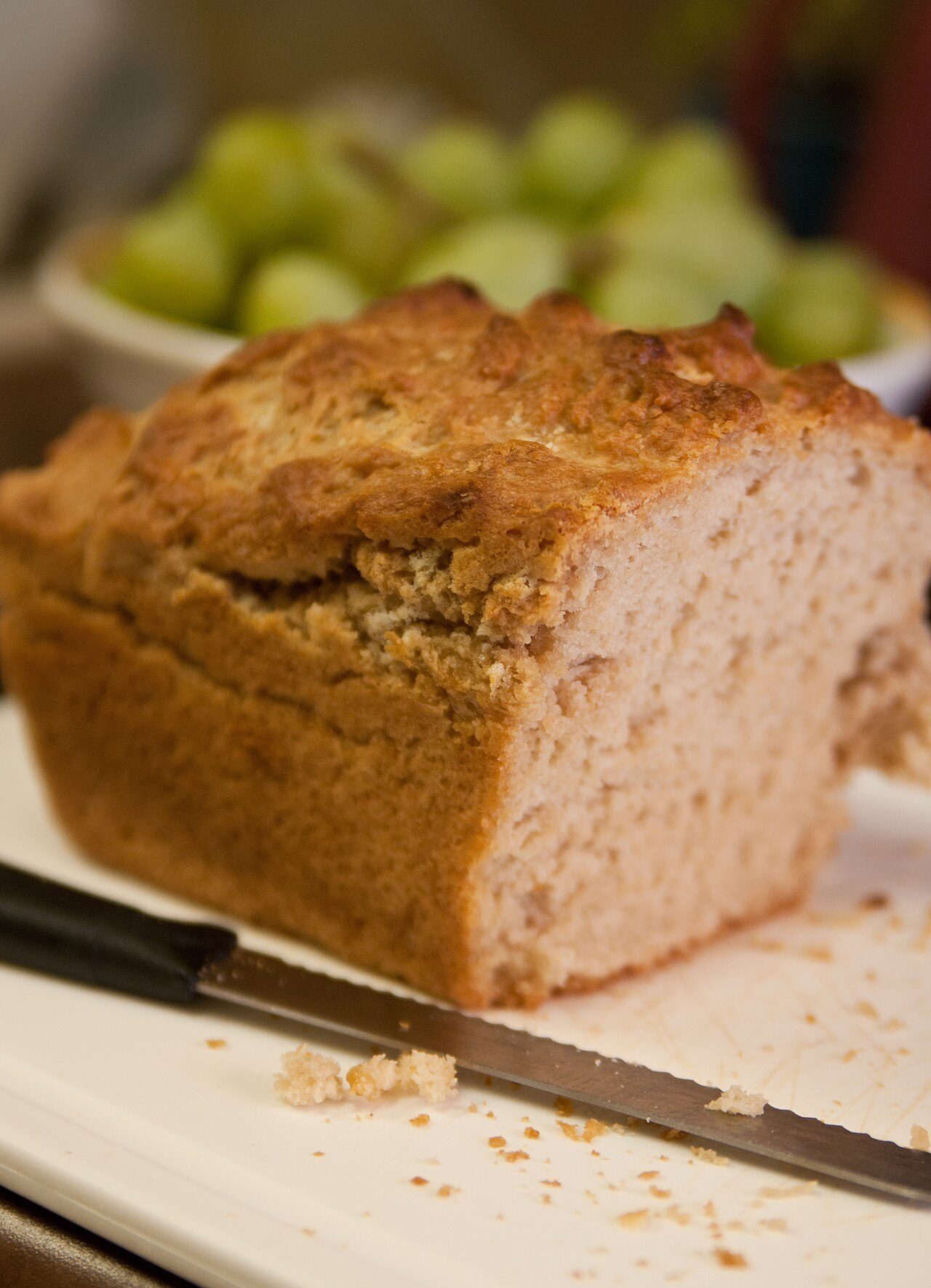
Why Does Bread Go Stale Faster in the Refrigerator?
Bread goes stale faster in the fridge because starch recrystallizes fastest near 4°C. Here is the retrogradation science and the right way
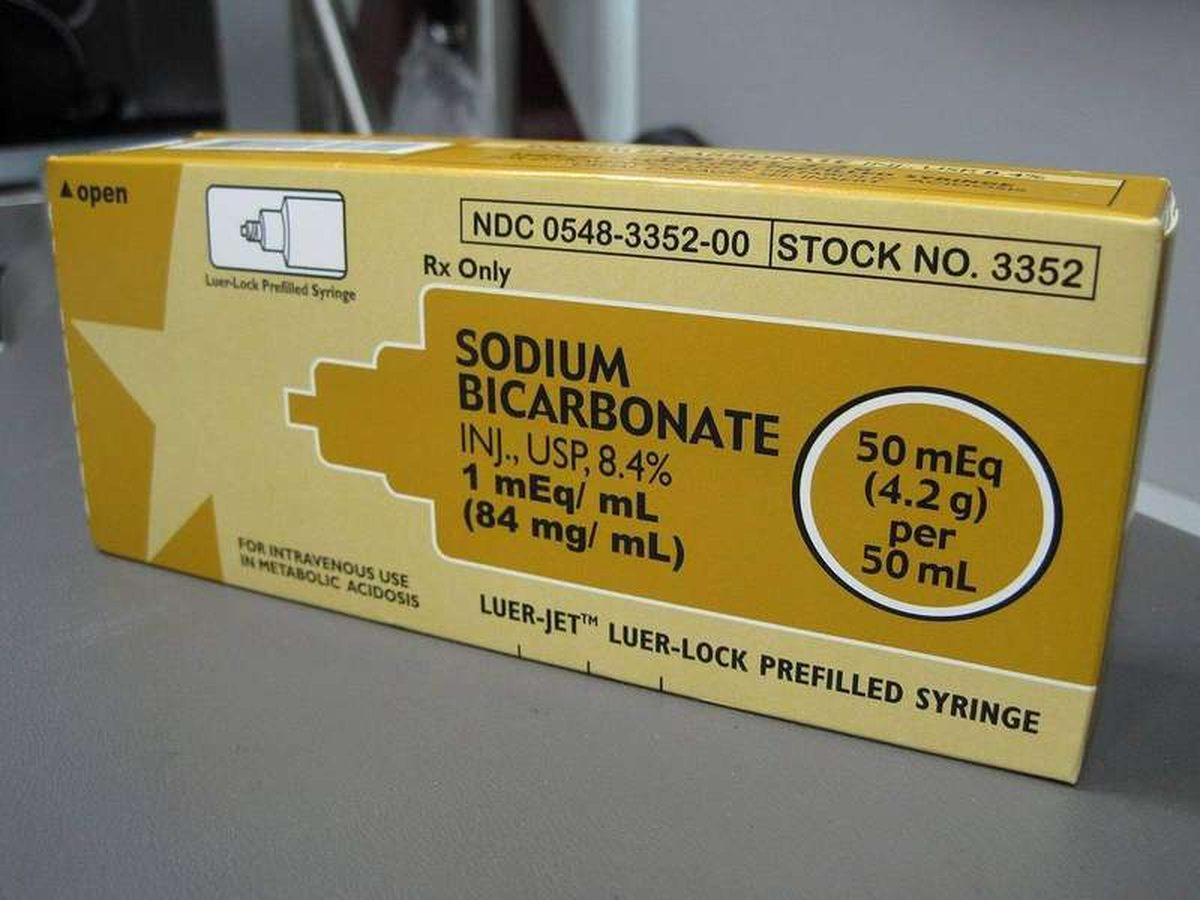
Baking soda and baking powder: what's the difference?
Baking soda is pure sodium bicarbonate; baking powder adds two dry acids for double-acting lift. Learn when to use each, plus exact
What Is the Maillard Reaction in Simple Terms?
The Maillard reaction is the browning chemistry between amino acids and sugars above 140 C that creates the crust, color, and rich flavor