
Why Does Basil Turn Black in the Fridge? Cold Damage Explained
Key takeaways
- Basil turns black in the fridge because of chilling injury, a form of cold damage that affects tropical plants at temperatures well above freezing.
- The danger zone starts around 50 to 54°F (10 to 12°C), far warmer than a typical refrigerator, and spots can appear within days.
- Storing basil on the counter in a jar of water keeps it fresh for up to two weeks, according to storage tests.
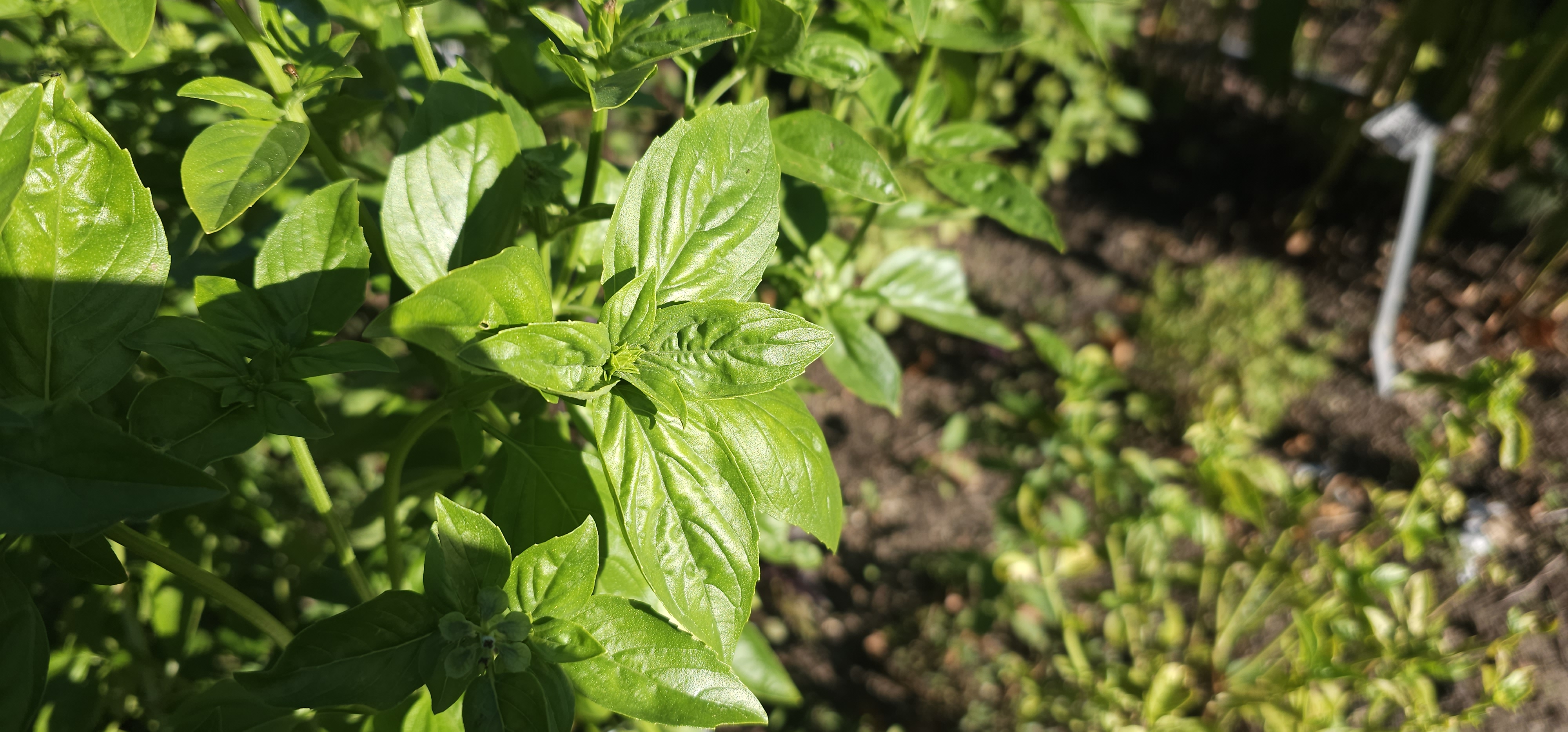
Basil is a warm-weather culinary herb, Ocimum basilicum, that originated in tropical and subtropical regions. It thrives in heat, and unlike most herbs in the produce drawer, it treats cold as an injury rather than a preservative.
Why does basil turn black in the fridge? The short answer is that refrigerator cold damages the leaf cells, and that damage sets off a browning reaction that turns patches of the leaf brown or black within a day or two.
This article explains why basil turns black in the fridge, including what the black spots are, why cold damages basil leaves, the temperature threshold to know, the right way to store fresh basil, and what to do with leaves that have already blackened.
What the black spots actually are
The black patches on refrigerated basil are not mold or a disease that spread overnight. They are symptoms of chilling injury, a cold-temperature disorder that damages tropical plants at temperatures above freezing.
UMass Extension describes chilling injury as distinct from freezing injury, with both producing "tissue browning, blackening, wilting, or curling of leaves and stems." In a March 19, 2021 greenhouse update, extension specialist Geoffrey Njue listed basil among tropical and subtropical crops that are most sensitive, noting that such crops may not survive exposure to chilling temperatures below 42°F.
On basil, the damage shows up as brown discoloration between the leaf veins, sometimes with browning of the stems. Roberto G. Lopez, writing on the e-GRO platform about preventing chilling injury in basil, describes this pattern: interveinal brown spots followed by wilting, a loss of glossy appearance, and fading aroma.
Cold-damaged leaves may also drop off a few days after the basil returns to warmer air, because chilling triggers ethylene production in the tissue.
That is why the spots look different from ordinary wilting. They are dead, oxidized tissue inside the leaf, not just leaves that have dried out. Allrecipes puts it plainly: cold air is actually basil's worst enemy.
If your potted herb struggles indoors the same way basil struggles in the cold, the underlying theme is the same: tropical plants react badly to conditions they never evolved to face.
Why cold damages basil leaves (the mechanism)
Chilling injury starts at the level of the cell membrane. In cold-sensitive plants like basil, low temperatures make membranes leaky and unstable, even when nothing freezes.
Once cells rupture, their contents mix with oxygen in the air. Allrecipes explains this second stage as enzymatic browning: oxygen reacts with the damaged cells and produces the herb's familiar brown-to-black discoloration. It is the same family of reaction that browns a cut apple, but here cold rather than a knife breaks the cells open.
Basil is especially prone because it is native to tropical regions. Lopez notes that most other fresh-cut herbs sold in grocery stores can be stored between 32 and 36°F (0 to 2°C) without any injury, which makes basil an outlier.
Parsley, cilantro, and dill tolerate fridge cold because their biology is built for it. Basil simply is not.
Chilling injury also does not require a long stay. UMass Extension warns that damage begins when cold-sensitive plants sit in the 32 to 55°F range, and the first signs usually appear at leaf edges before spreading. That means even a short, cold grocery trip or an overnight stay in the crisper can start the clock.
The temperature threshold to know
The practical number matters more than the theory. According to Allrecipes, basil cannot tolerate temperatures below 50°F (10°C), and a home refrigerator runs well under that line. Anything at or below that point puts the leaves in the injury zone.
Lopez sets the threshold slightly higher. He writes that basil is susceptible to chilling injury at temperatures below 54°F (12°C), and that 54°F is generally the recommended temperature for storing and shipping most basil cultivars. Grocery stores that hold potted basil at 50°F have been documented with visible chilling damage, which shows how narrow the safe band is.
Research has measured the damage precisely. USDA-ARS researcher Jennifer Boldt photographed potted basil after three days at 43°F followed by three days at 72°F, and the bottom leaves showed clear yellowing and brown discoloration. Cold that feels mild to a shopper is enough to mark the leaves permanently.
There are also clues about reducing the damage. A 2010 study by Aharoni and colleagues found that exposing morning-harvested basil to humidified warm air, 96 to 98 percent humidity at 100 to 104°F for four hours, cut chilling injury severity by up to 42 percent before the basil went into 48°F storage.
Earlier work at Michigan State University by Lange and Cameron found that basil harvested in the afternoon carried roughly ten times the starch of morning-harvested plants and resisted chilling injury better. They also suggested conditioning basil for one day at 50°F before colder shipment.
Home cooks cannot run conditioning treatments, but the lesson is simple: there is no safe fridge temperature for basil. Keep it above 54°F and it stays green.
The right way to store fresh basil
Treat basil like a bouquet of flowers, not like lettuce. Trim the ends of the stems, place the bunch in a jar of water, and leave it on the counter at room temperature. Change the water every couple of days.
Allrecipes reports that this method can keep basil thriving for up to 14 days. Keep the jar away from direct sun and heat sources like the stove, which wilt the leaves for a different reason. A cool spot on the counter with indirect light is the goal.
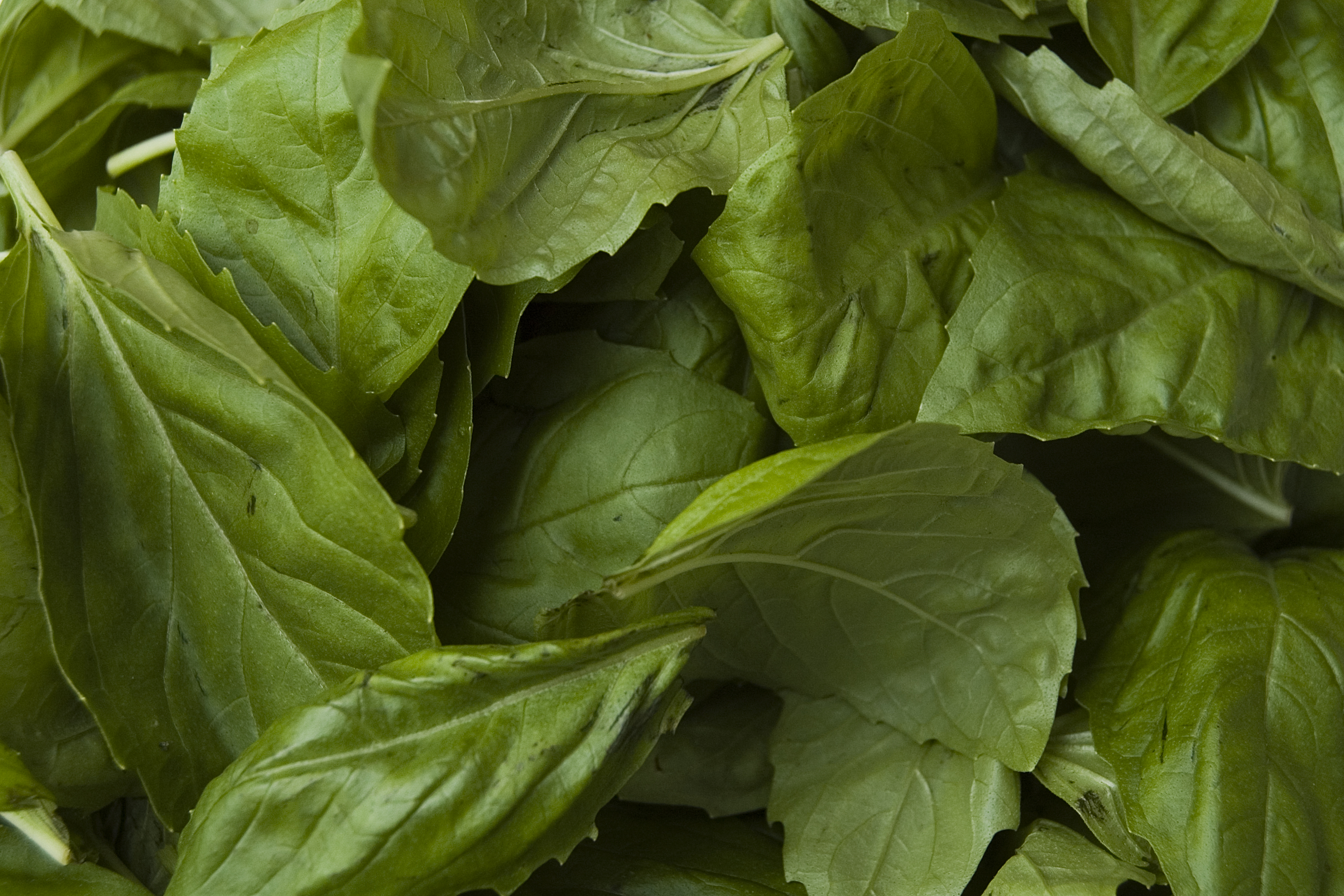
For longer storage, freezing beats refrigeration. Frozen basil will not look fresh and glossy, but it skips the chilling injury problem entirely and works well in cooked dishes, sauces, and pesto.
If you grow your own basil, planning ahead helps too. It is worth checking whether last season's seed packets are still viable before you sow, so the plant that replaces your blackened bunch starts strong. And if your garden harvests look odd for other reasons, remember that visible stress shows up in many ways, from leaves that darken in the cold to carrots that fork into strange shapes when soil conditions fight them.
What to do with basil that has already blackened
Blackened basil is not automatically ruined. Allrecipes notes that as long as the leaves are not slimy, moldy, or bad-smelling, bruised basil is still completely edible. The texture and fresh aroma decline after a few days in the fridge, but it is safe to eat.
Taste it before deciding. Cold damages the volatile compounds that give basil its smell, so chilled leaves often taste flat even when they look only mildly spotted. Heavily blackened leaves are best diverted to cooked dishes, where heat and other flavors mask the decline.
Pesto, tomato sauce, soups, and curries are natural destinations. In those dishes the color barely matters and the gentle cooking hides any bitterness the chilling injury introduced. For the best batch, combine the salvageable leaves with fresh basil bought after you switch to the water-jar method.
If the leaves are slimy or smell off, compost or discard them. That is decay, not chilling injury, and it is a different problem.
FAQ
Can you still eat basil that has turned black in the fridge?
Yes, if the leaves are firm and smell normal. Blackening from chilling injury is cell damage, not spoilage. Discard any leaves that are slimy, moldy, or foul-smelling, since those signal decay rather than cold damage.
How long does basil last on the counter versus in the fridge?
On the counter in a jar of water, basil can last up to 14 days, according to Allrecipes. In the fridge, browning can start within a day or two because temperatures fall far below the 50°F (10°C) the herb can tolerate.
Can I freeze basil instead of refrigerating it?
Freezing is a better choice than the fridge for long-term storage. The texture changes and the leaves darken, but cold damage from chilling injury is not the issue at freezer temperatures, and frozen basil works well in cooked dishes and pesto.
Why do my other herbs survive the fridge but basil does not?
Most fresh-cut herbs tolerate 32 to 36°F (0 to 2°C) without injury, according to Lopez. Basil is native to tropical regions and starts taking damage below about 54°F (12°C), so fridge cold that preserves parsley and dill injures basil instead.
The bottom line
Basil turns black in the fridge because cold below about 50°F (10°C) injures its tropical leaf cells and triggers enzymatic browning. The spots are chilling injury, not rot, and the herb is usually still edible. Keep your next bunch on the counter in a jar of water and change the water every couple of days.
Tags: basil, herb storage, chilling injury, gardening
Latest in Gardening
- Why do herbs die on windowsills but thrive outside?
- How to test if old seeds are still viable before planting
- Why do carrots fork and grow weird shapes?
Subscribe to the Rive News newsletter for weekly plant-care guides.
Related stories

What Is Companion Planting and Does It Work?
Marigolds work as a nematode cover crop, but the basil flavor claim failed repeated tests. An honest evidence review of what companion

Determinate vs. indeterminate tomatoes: growth, pruning, and harvest differences
Determinate tomatoes grow to a set size and ripen all at once, while indeterminate types vine all season. That one difference shapes

How to improve clay soil for gardening
Gypsum will not fix ordinary clay soil, say extension experts. What actually works: 2 to 3 inches of compost, mulch, better drainage,