
Why Do Herbs Die on Windowsills Yet Thrive Outside?
Key takeaways
- Most culinary herbs need at least 6 hours of direct sun daily, which a typical windowsill cannot provide.
- Low indoor light produces thin, spindly growth with weaker flavor, according to university extension guides.
- A south-facing window plus 12 to 16 hours of supplemental grow light can close the gap.
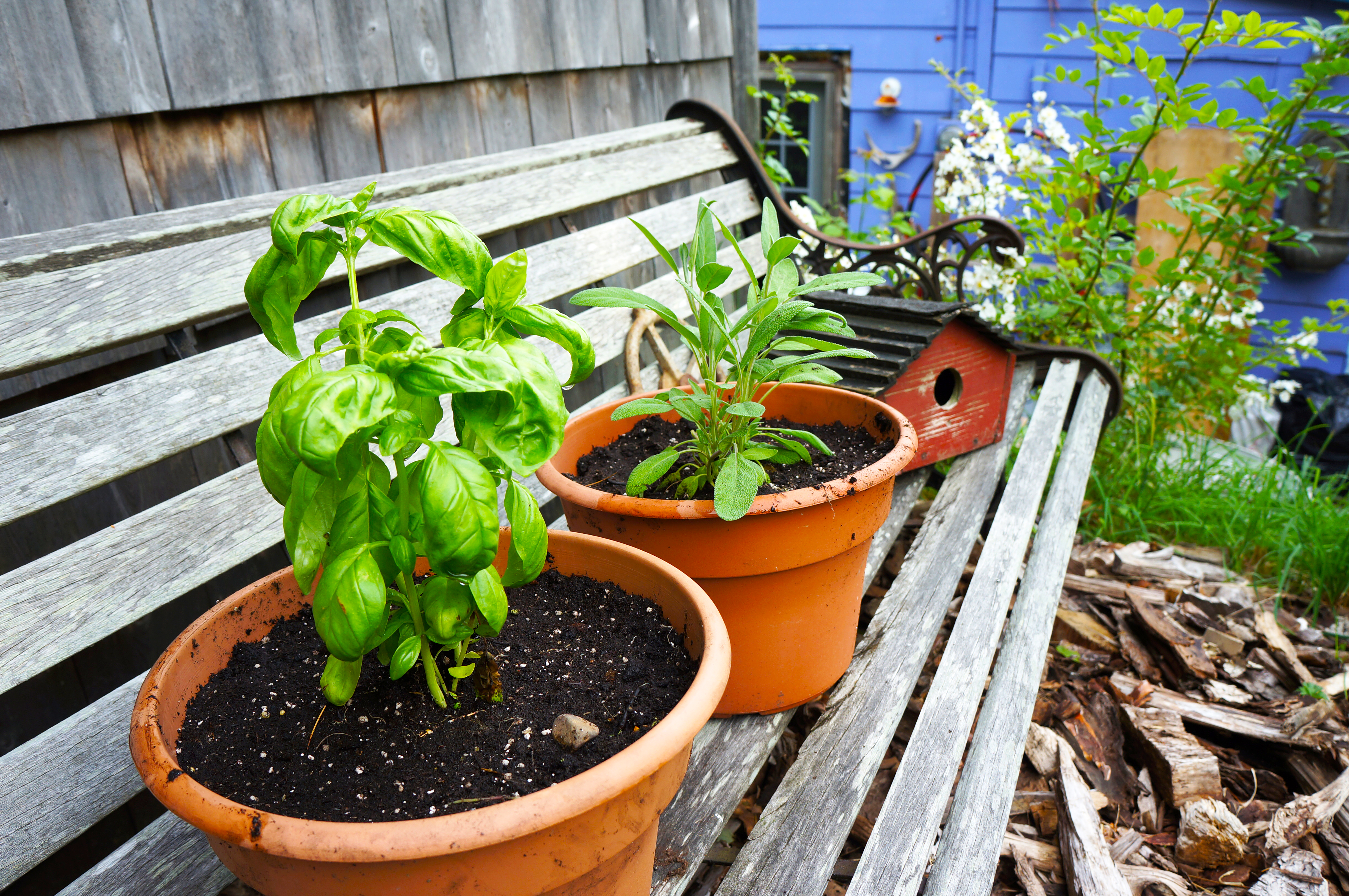
A windowsill herb usually dies for one plain reason: it is getting a fraction of the sun it evolved for. Outdoors, a basil or thyme plant soaks up hours of direct, high-intensity light every day. Indoors, glass, walls, and short winter days cut that light down to a shadow of what it was.
Most culinary herbs are Mediterranean and tropical plants built for bright, open conditions. The University of Minnesota Extension says most herbs need at least 6 hours of direct sunlight daily to grow well, and that full sun produces the best growth. On a windowsill, even a bright one, they rarely get close to that.
This article takes a closer look at why do herbs die on windowsills but thrive outside, covering what herbs get outdoors that they miss indoors, the light numbers that matter, air, humidity, and temperature swings, the usual windowsill mistakes, and practical steps to make windowsill herbs survive.
What herbs get outdoors that they miss indoors
Outside, a herb plant lives in a three-dimensional world of light. Direct sun strikes it from above and from the sides for most of the day, and the brightness is far stronger than anything inside a house. A horticultural reference used in Missouri greenhouse teaching puts full sun on a clear day at roughly 10,000 foot-candles, a unit that measures how much light reaches a surface.
Step back from the window by even a few feet and the numbers fall off fast. Popular Science, citing University of Maryland Extension Services, reports that low indoor light measures just 50 to 250 foot-candles, typically found several feet from a window or in north-facing rooms. Even bright, indirect light near a south or west window only reaches 1,000 to 2,000 foot-candles.
That gap matters because light is fuel. Herbs turn light into energy through photosynthesis, and the University of Maryland Extension Services, as reported by Popular Science, calls the right amount of light the most important factor in keeping indoor plants healthy and growing well.
Outdoors, plants also get moving air around every leaf. Wind keeps foliage dry, discourages fungal problems, and strengthens stems. Indoors, the air around a windowsill plant often sits still, especially in winter when windows stay shut.
Temperature swings help too. Many herbs do better with a noticeable drop between day and night temperatures. Penn State Extension recommends keeping indoor herbs at 65 to 70°F during the day and 55 to 60°F at night, which mimics the natural cooling a plant gets outdoors.
Light: the numbers that matter
Here is the gap in plain numbers. Most herbs need at least 6 hours of direct sunlight daily, according to both the University of Minnesota Extension and Penn State Extension.
A north-facing window delivers zero direct sun. An east or west window may manage two to four hours on a good day.
The intensity drops too, not just the hours. Popular Science notes that direct sun indoors, where sunbeams actually hit the leaves near a south or west window, measures 2,000 or more foot-candles. That is a fifth of the roughly 10,000 foot-candles of outdoor full sun.
Glass makes the deficit worse. Windows filter some of the light, screens filter more, and curtains or blinds cut intensity further. Each layer between the sun and the leaf trims the energy the plant can capture.
You can measure this yourself with a free smartphone light meter app, a method Popular Science recommends as good enough to compare light levels around a room. A quick check usually confirms what the wilted plant already told you.
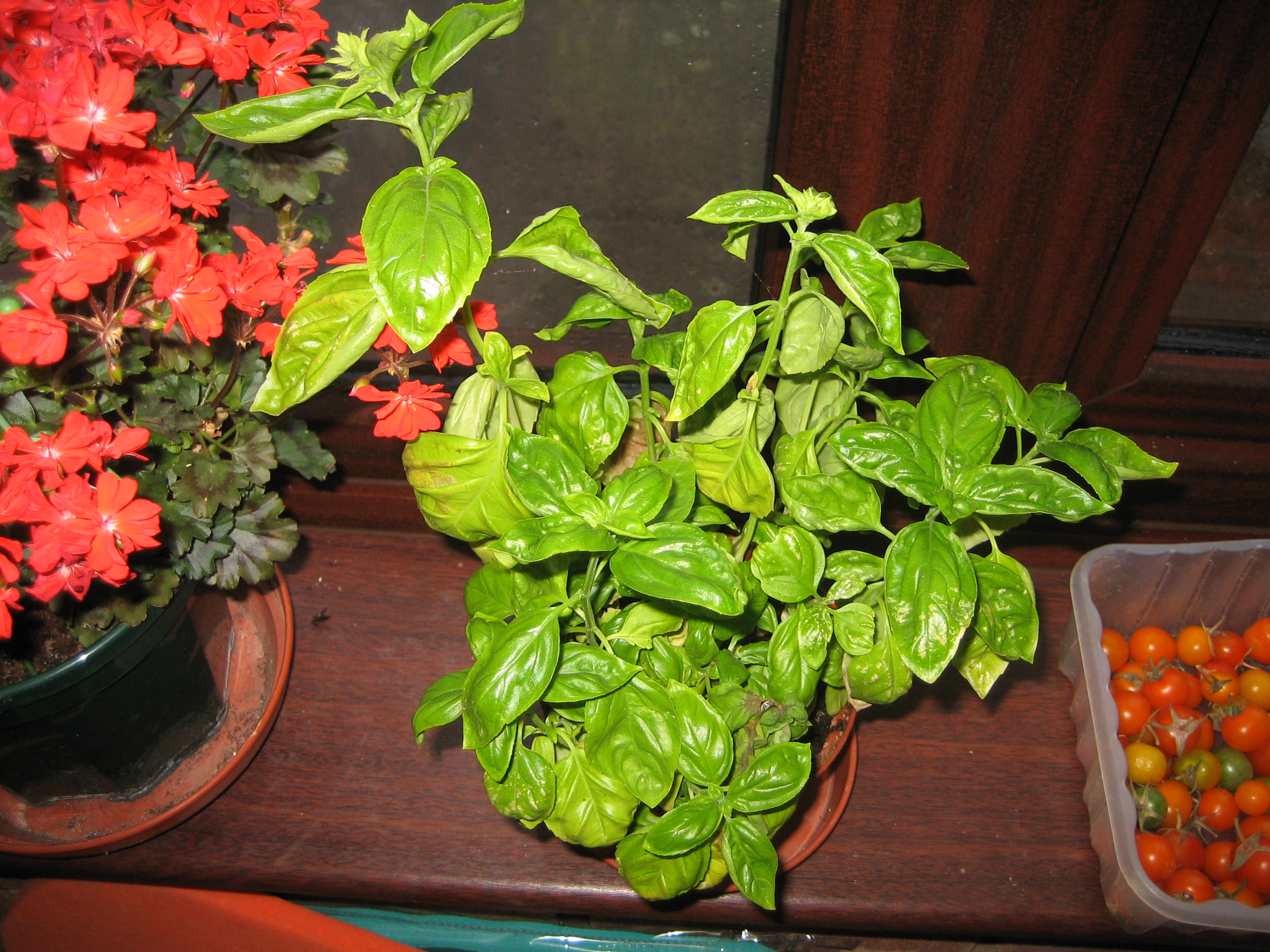
When light runs short, herbs send clear signals. Penn State Extension says herbs denied their preferred light become thin and spindly, produce smaller leaves, and develop a reduced aroma. The University of Minnesota Extension agrees that inadequate light results in thin, spindly growth.
Air, humidity, and temperature swings
Light is the headline killer, but air and water habits finish many windowsill herbs off. Indoors, especially with central heating, the air can be extremely dry. Penn State Extension notes that low humidity causes leaves to dry out at the edges, while overly damp conditions invite root rot and fungal trouble.
The fix, according to the same extension guide, is balance: group containers to raise local humidity, set pots on trays of moist pebbles, or run a small fan when air stagnates. Stagnant, damp air around leaves is exactly what encourages the fungal problems herbs escape outdoors.
Cold glass is a quiet killer in winter. Penn State Extension warns that basil cannot survive temperatures below 50°F and says it should not be kept on windowsills during winter months. Leaves touching a cold pane can chill overnight, even in a warm room.
Watering is the other trap. The University of Minnesota Extension says indoor herbs should be watered when the soil feels dry a half inch below the surface, and warns that constant moisture encourages root rot, especially indoors. Pots without drainage holes make this problem almost certain.
The usual windowsill mistakes
The most common mistake is picking the wrong herb for the conditions. Tender, light-hungry herbs like basil and lemon verbena suffer indoors first.
If your basil collapses every time, the problem may be the plant, not your care. Shady-window-tolerant options like chives, mint, and lemon balm survive with far less sun.
Overwatering comes next. A herb sitting in soggy potting mix develops root rot, which the University of Minnesota Extension calls the most common problem of herbs grown indoors. Small pots with no drainage are the usual setup, and they make everything worse.
People also skip the transition when moving herbs between indoors and out. Penn State Extension advises acclimating plants slowly to the higher light and wind intensities of the outdoors, starting in partial shade. A windowsill herb shoved straight into July sun burns, and an outdoor herb brought straight inside drops leaves from shock.
Forgetting to rotate is a smaller but real issue. Penn State Extension recommends rotating pots often so each side gets enough light for uniform growth. Without rotation, the plant leans hard toward the glass and grows lopsided.
Crowding herbs into tiny nursery pots is the final classic error. As roots fill the pot, watering swings get wilder and growth stalls. If roots are circling the drainage holes, it may be time to learn how often you should really repot a houseplant and give the herb more room.
How to make windowsill herbs survive
Start by choosing the sunniest window you have. A south-facing window (north-facing in the Southern Hemisphere) gives the most hours of direct light.
Keep the glass clean and the sill free of curtains, because even a dirty pane blocks a surprising amount of light. Dusty leaves block light too, so wipe them gently now and then; if you are unsure whether it matters, read why plant leaves get dusty and whether it matters.
Add supplemental light for the months when daylight runs short. Penn State Extension suggests placing herbs 6 to 12 inches from two 40-watt, cool-white fluorescent bulbs for 14 to 16 hours a day.
Modern LED grow lights work just as well and run cooler, and a timer keeps the schedule consistent. The University of Minnesota Extension puts it more simply: indoor herbs need about 12 hours of artificial light daily.
Water with discipline. Check the soil with a finger before watering, and empty the saucer after every watering so roots never sit in water.
Penn State Extension is blunt about the stakes: herbs need conditions "just right for optimum growth," because without them "their health will rapidly decline."
Keep leaves off cold glass in winter, and move the most cold-sensitive herbs, especially basil, a foot or two into the room on frosty nights. Cold-stressed basil often turns dark and mushy, which is the same story behind why basil turns black in the fridge.
Feed lightly. The University of Minnesota Extension recommends fertilizing container herbs with half-strength liquid fertilizer every six weeks indoors, and notes that rich soil actually reduces the essential oils that give herbs their flavor. Less food, more light.
Finally, match the herb to the window you actually have. Chives, mint, parsley, and lemon balm tolerate lower light. Save the sun-hog basil, rosemary, and thyme for your brightest spot or a grow light, and you will stop losing the same fight.
FAQ
Can herbs survive on a north-facing windowsill?
Most cannot survive for long. A north-facing window provides no direct sun, and most herbs need at least 6 hours of it daily, according to university extension guides. If that is your only window, grow only shade-tolerant herbs like mint and add a grow light.
Do grow lights really work for herbs?
Yes, when they are close enough and on long enough. Penn State Extension recommends 14 to 16 hours of fluorescent light placed 6 to 12 inches from the plants. Position the light near the leaves and keep it on a timer for consistent results.
Why does my windowsill basil always die first?
Basil is one of the most light-hungry and cold-sensitive common herbs. Penn State Extension says basil cannot survive temperatures below 50°F and advises keeping it off windowsills in winter. Pair a bright, warm spot with careful watering and it stands a real chance.
How often should I water windowsill herbs?
Water when the soil feels dry a half inch below the surface, as the University of Minnesota Extension advises. That usually means every few days rather than daily. Always empty the saucer afterward, because roots sitting in water lead to root rot.
Should I move my herbs outside for the summer?
Yes, but transition them gradually. Penn State Extension advises acclimating indoor herbs to outdoor light and wind slowly, starting in partial shade and increasing exposure over several days. Moving them out abruptly can scorch leaves used to dimmer indoor light.
The bottom line
Windowsill herbs die because they get a small fraction of the 6 hours of direct sun they need, plus still air, dry heating, and cold glass. Put your herbs in the sunniest window, add a grow light for 12 to 16 hours daily, and water only when the soil is dry. Your first practical step today: check your sunniest window with a light meter app and move the most light-hungry herbs there.
Tags: indoor herbs, windowsill gardening, herb light requirements, houseplant care
Latest in Gardening
- Why does basil turn black in the fridge?
- How often should you really repot a houseplant?
- Why do plant leaves get dusty and does it matter?
- Why do carrots fork and grow weird shapes?
Subscribe to the Rive News newsletter for weekly plant-care guides.
Related stories

What Is Companion Planting and Does It Work?
Marigolds work as a nematode cover crop, but the basil flavor claim failed repeated tests. An honest evidence review of what companion

Determinate vs. indeterminate tomatoes: growth, pruning, and harvest differences
Determinate tomatoes grow to a set size and ripen all at once, while indeterminate types vine all season. That one difference shapes

How to improve clay soil for gardening
Gypsum will not fix ordinary clay soil, say extension experts. What actually works: 2 to 3 inches of compost, mulch, better drainage,