
Why do plant leaves get dusty and does it matter? Full answer
Key takeaways
- Indoor dust settles on leaves from the air, and heavy buildup blocks the light leaves need for photosynthesis while partially clogging stomata.
- Trials on bean and cucumber found dust cuts photosynthesis in direct proportion to the light it blocks, and black dust can raise leaf temperature by 3°C.
- Wipe leaves with a soft, damp cloth or rinse small plants in the sink; avoid leaf-shine products and skip wet wipes on fuzzy leaves.
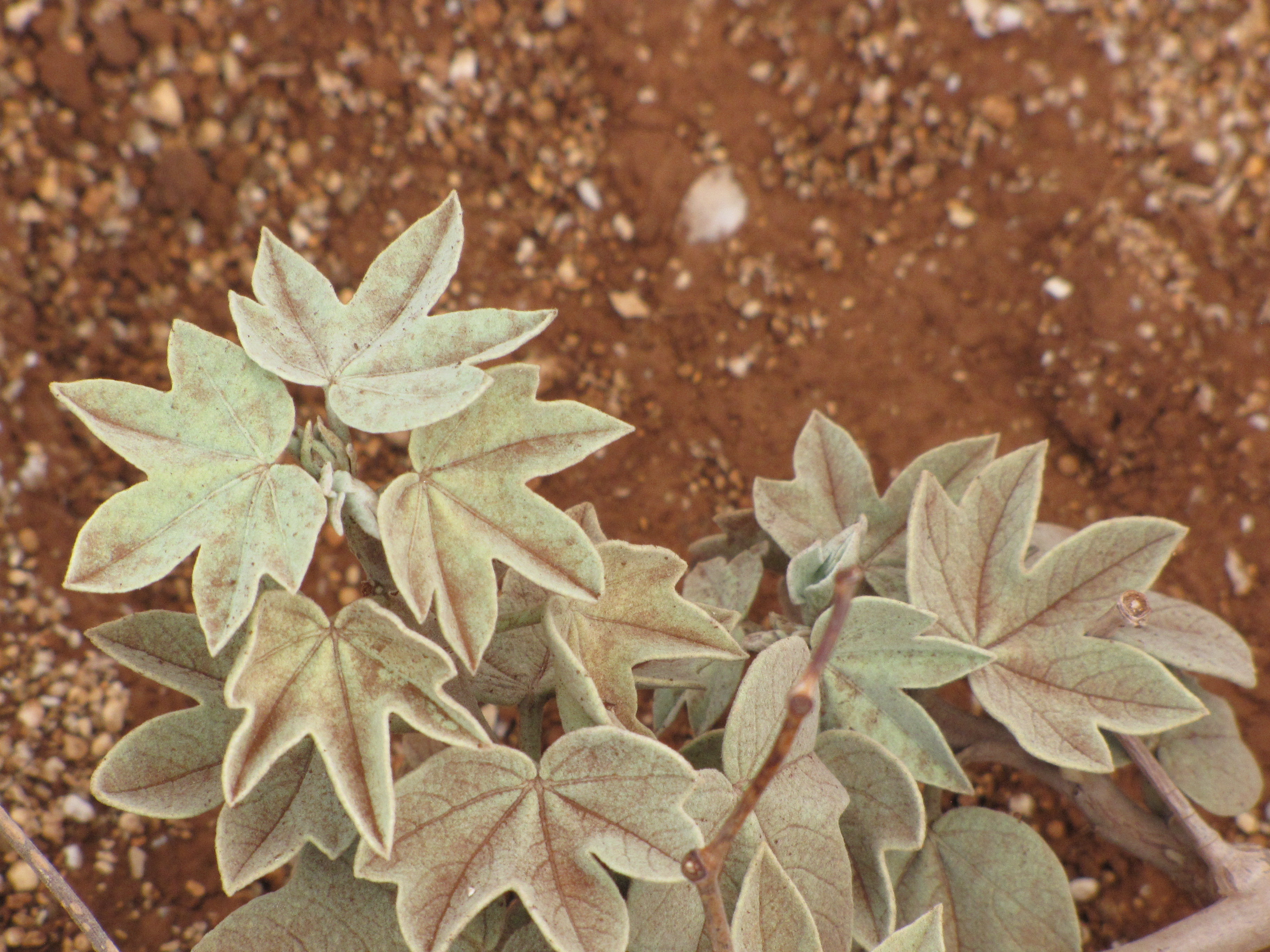
The dull film on your houseplant's leaves is settled household dust, the same mix that coats your shelves and windowsills. Indoors, air moves slowly, so fine particles drift down and stay put on leaf surfaces for weeks at a time.
Some of it comes from outside too. Soil tracked in on shoes, pollen through open windows, and cooking aerosols all add to the film, and plants sitting still for months give every particle a place to land.
This article explains why plant leaves get dusty and whether it matters, including where the dust comes from, how dust affects photosynthesis and stomata, when dusty leaves really matter, how to clean leaves safely, and how to keep dust from coming back.
Where the dust comes from
Indoor dust is a mix of fabric fibers, skin flakes, outdoor soil, and cooking aerosols, and it settles out of still air onto anything horizontal. Leaves are ideal landing pads because they sit in one place for months, collecting a little more every day.
Plants near open windows and doors pick up extra soil and pollen from outside. A layer of dust can quietly build up over time, especially on indoor plants kept near windows, according to a report in The Economic Times on houseplant care, and the window spot brings its own tradeoffs, as explained in why herbs die on windowsills but thrive outside.
Sticky leaves collect even more dust than clean ones. Aphids, mealybugs, and scale insects excrete honeydew, a shiny, sticky substance found on the upper surface of leaves, according to the University of Minnesota Extension, and airborne dust sticks to that film readily.
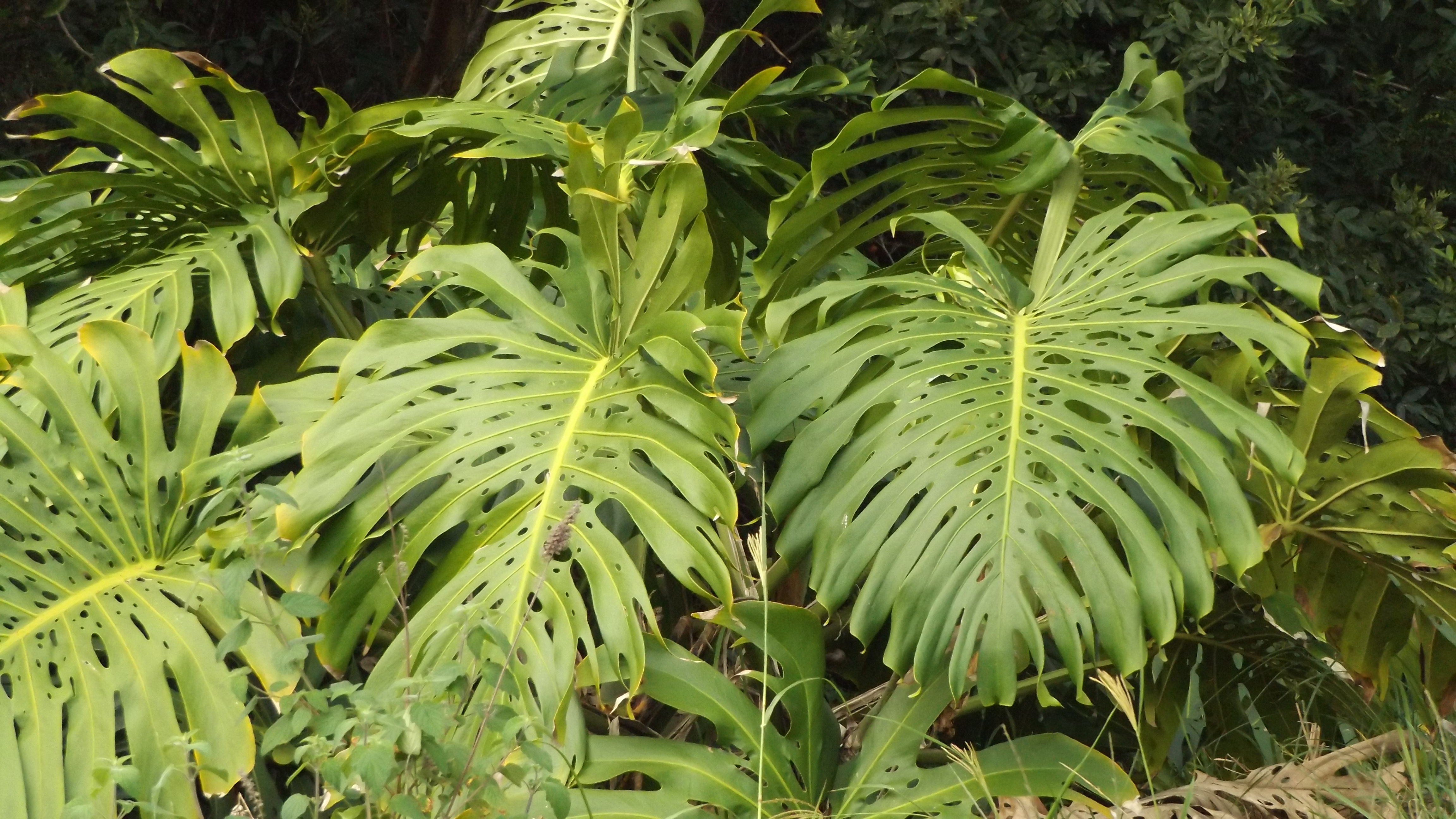
Broad, horizontal leaves catch the most, while upright or narrow leaves shed dust more easily. That is why a monstera or rubber plant looks dusty long before the snake plant next to it does.
How dust affects photosynthesis and stomata
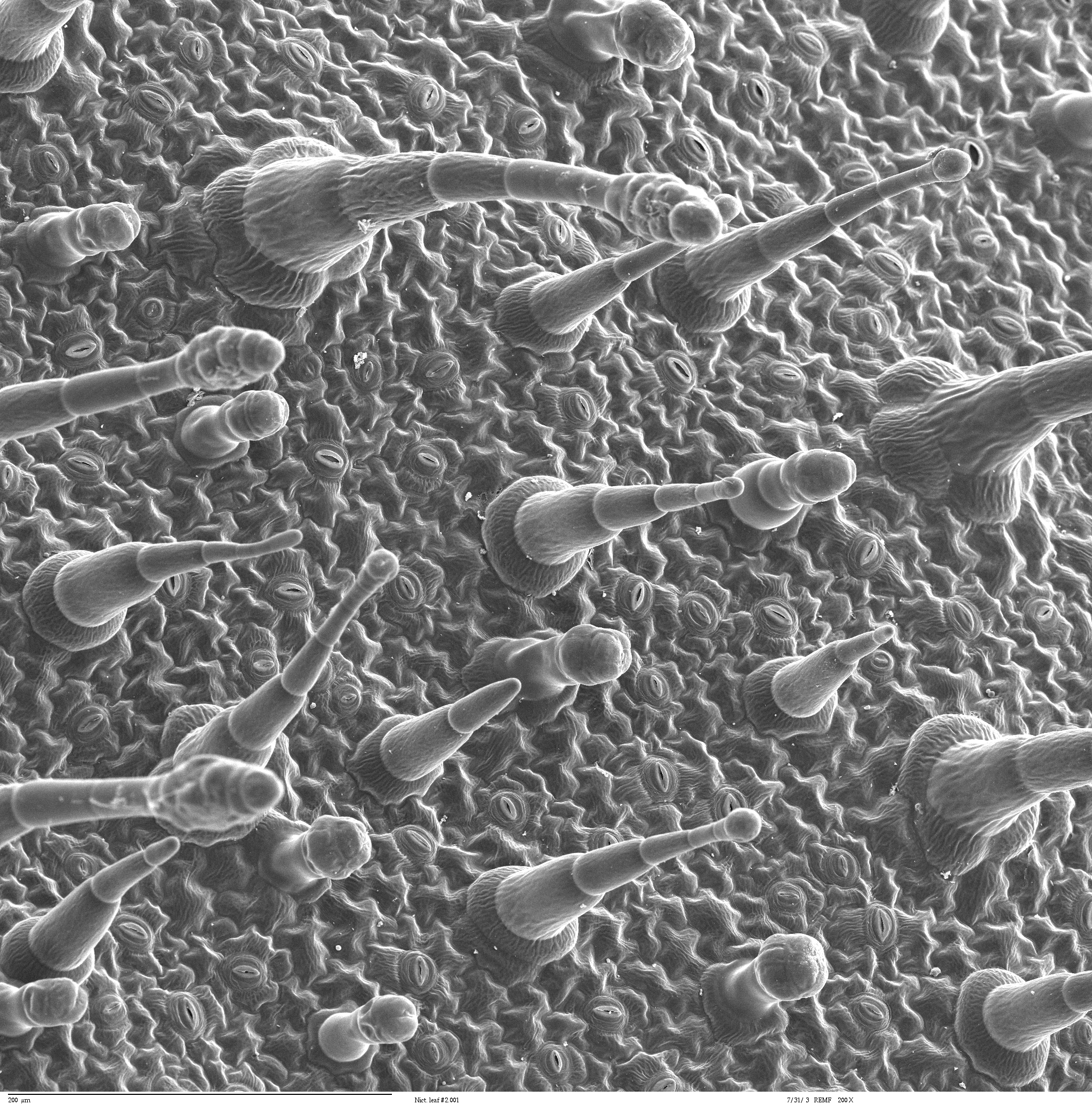
Leaves breathe through stomata, tiny pores that let carbon dioxide in and water vapor out, while light passes through the leaf surface to the chloroplasts where photosynthesis happens. Dust interferes with both sides of that trade.
In a trial published in the Journal of Agricultural Meteorology, researchers dusted kidney bean and cucumber leaves at several densities and measured net photosynthesis against clean leaves. The photosynthetic rate fell as dust density rose, and the drop was nearly equal to the drop in usable light reaching the leaf, which led the researchers to conclude that shading the leaf surface was the most important of dust's injurious physical effects.
Heat plays a smaller but real role. Dark, carbon-black dust raised leaf temperature by as much as 3°C in those trials, according to the researchers, while lighter mineral dusts caused no temperature rise at all.
A second experiment, this time on the common houseplant Ficus benjamina, ran for four months in a greenhouse in Peshawar, Pakistan, in 2017. Researchers sprinkled road dust twice a week at rates from 0 to 5 grams per plant, and chlorophyll and related pigments fell significantly (P<0.05) in the dusted plants, according to the team at the University of Agriculture, Peshawar.
That paper also reports that settled dust can physically plug stomata, cutting the carbon dioxide supply leaves need. Research it cites found dusted leaves ran 2 to 3°C hotter than clean ones because they absorb more infrared radiation, which adds stress on top of the shading.
When dusty leaves really matter
A faint film on a healthy plant in good light is mostly cosmetic. The plant keeps growing, sheds old leaves, and makes new ones, and a little dust is part of normal indoor life.
Heavy buildup matters most where light is already scarce. The University of Minnesota Extension notes that dust can build up on leaves and block light, potentially affecting photosynthesis and growth, while the Royal Horticultural Society says wiping dust from leaves allows more sunlight to reach the surface, both cited in The Economic Times report.
That makes winter the peak season for dust trouble, when days are short and every bit of light counts. Plants far from windows, in north-facing rooms, or crowded behind furniture feel the loss first.
Seedlings started indoors are another group where a thin film costs more, since their small light budget is already tight. If you raise plants from seed inside, start from strong stock, as described in how to test if old seeds are still viable before planting.
Dust also hides problems that matter more than the dust itself. The Royal Botanic Gardens, Kew advises cleaning foliage because dust interferes with leaf pores, and both Kew and the RHS recommend inspecting leaf undersides for pests such as mealybugs, scale insects, and spider mites while you wipe.
One more honest limit: if a plant is yellowing, wilting, or dropping leaves, dust is rarely the main cause. Check light, watering, roots, and pests first, because cleaning alone will not fix those. And true deformities are a different issue from dust; twisted or forked growth usually traces to the growing environment, much like why carrots fork and grow weird shapes in stony soil.
How to clean leaves safely (methods compared)
The safest tool is the simplest. Iowa State University Extension recommends a soft, damp cloth or sponge to wipe away dust, and says clear water is usually enough, carrying less risk to the leaf's waxy cuticle than household detergents, according to The Economic Times report.
Wipe each leaf individually and do the undersides as well as the tops. Pests cluster underneath, and the University of Minnesota Extension advises inspecting both tops and undersides of leaves for insects, webbing, and eggs whenever you handle them.
For small or sturdy plants, skip the cloth and rinse instead. University of Minnesota Extension advises spraying small plants in a sink and large plants in a shower, and wiping leaves with a damp paper towel, changing towels often to avoid spreading pests from plant to plant.
Fuzzy leaves need a different touch. Iowa State University Extension says plants like African violets should be cleaned with a soft cloth or soft-bristled brush rather than sprayed with water, since wetting their hairs invites rot.
Skip leaf-shine products entirely. "Wash plant leaves with a damp cloth as dust and grime can reduce plant health," the University of Minnesota Extension states, adding: "Never use leaf shine products or milk." The RHS warns that cleaning products and aerosols landing on leaves can cause pale spots, so plain water and a gentle cloth are the safer choice for everyday dust.
A plant that puts on fresh growth after a good wipe may be telling you something else about its needs. If new leaves arrive faster than the old pot seems to allow, check how often you should really repot a houseplant before blaming the dust.
How to keep dust from coming back
You cannot dust-proof a home, but you can slow the buildup. Less airborne dust means less settled dust, so vacuuming near your plants and keeping up with general dusting makes a visible difference over a month.
Avoid parking plants in the dustiest spots. Right next to heating or cooling vents, beside frequently used doors, and above kitchen counters where cooking grease drifts, leaves film over fastest.
A quick check every few weeks is enough for most homes. If you can see a visible layer when you look closely, it is time for a gentle clean, a rhythm recommended in The Economic Times report, and plants near windows or vents will need it more often than the rest.
FAQ
Does dust on leaves really reduce photosynthesis?
Yes, mainly by blocking light. In controlled trials, the drop in photosynthesis matched the drop in light reaching dusty leaves almost exactly, with extra effects from partially clogged pores and, with dark dust, a few degrees of added leaf heat.
Can I use milk or leaf-shine spray to make leaves glossy?
No. The University of Minnesota Extension says never to use leaf-shine products or milk, since they can coat the leaf and reduce plant health. The RHS adds that aerosols and cleaning products can leave pale spots, so plain water and a soft cloth are safer.
How often should I clean my houseplant leaves?
There is no fixed schedule that fits every plant. Check the foliage every few weeks and clean when a visible layer appears, and expect plants near windows, doors, or vents to need it more often.
What about fuzzy or very delicate leaves?
Keep them dry. Iowa State University Extension recommends a soft cloth or soft-bristled brush for fuzzy leaves such as African violets, rather than water or sprays, which can damage their hairs and invite rot.
The bottom line
Dust on leaves is a real, measurable drag on photosynthesis, mostly because it shades the leaf and can clog its pores. A soft, damp cloth every few weeks removes the problem without chemicals, and the wipe doubles as a pest check. Pick your dustiest plant today and give its leaves a once-over; the difference is visible in the shine alone.
Tags: houseplants, leaf care, photosynthesis, indoor gardening
Latest in Gardening
- How often should you really repot a houseplant
- Why do herbs die on windowsills but thrive outside
- How to test if old seeds are still viable before planting
- Why do carrots fork and grow weird shapes
Subscribe to the Rive News newsletter for weekly plant-care guides.
Related stories

What Is Companion Planting and Does It Work?
Marigolds work as a nematode cover crop, but the basil flavor claim failed repeated tests. An honest evidence review of what companion

Determinate vs. indeterminate tomatoes: growth, pruning, and harvest differences
Determinate tomatoes grow to a set size and ripen all at once, while indeterminate types vine all season. That one difference shapes

How to improve clay soil for gardening
Gypsum will not fix ordinary clay soil, say extension experts. What actually works: 2 to 3 inches of compost, mulch, better drainage,