
How Often Should You Really Repot a Houseplant? Signs and Timing
Key takeaways
- Most houseplants need repotting every 1 to 3 years, with fast growers at the short end and slow growers at the long end.
- Five reliable signs of a rootbound plant include roots escaping drainage holes, fast-drying soil, and stalled growth.
- Move up only one to two pot sizes with drainage holes, because an oversized pot stays wet and risks root rot.
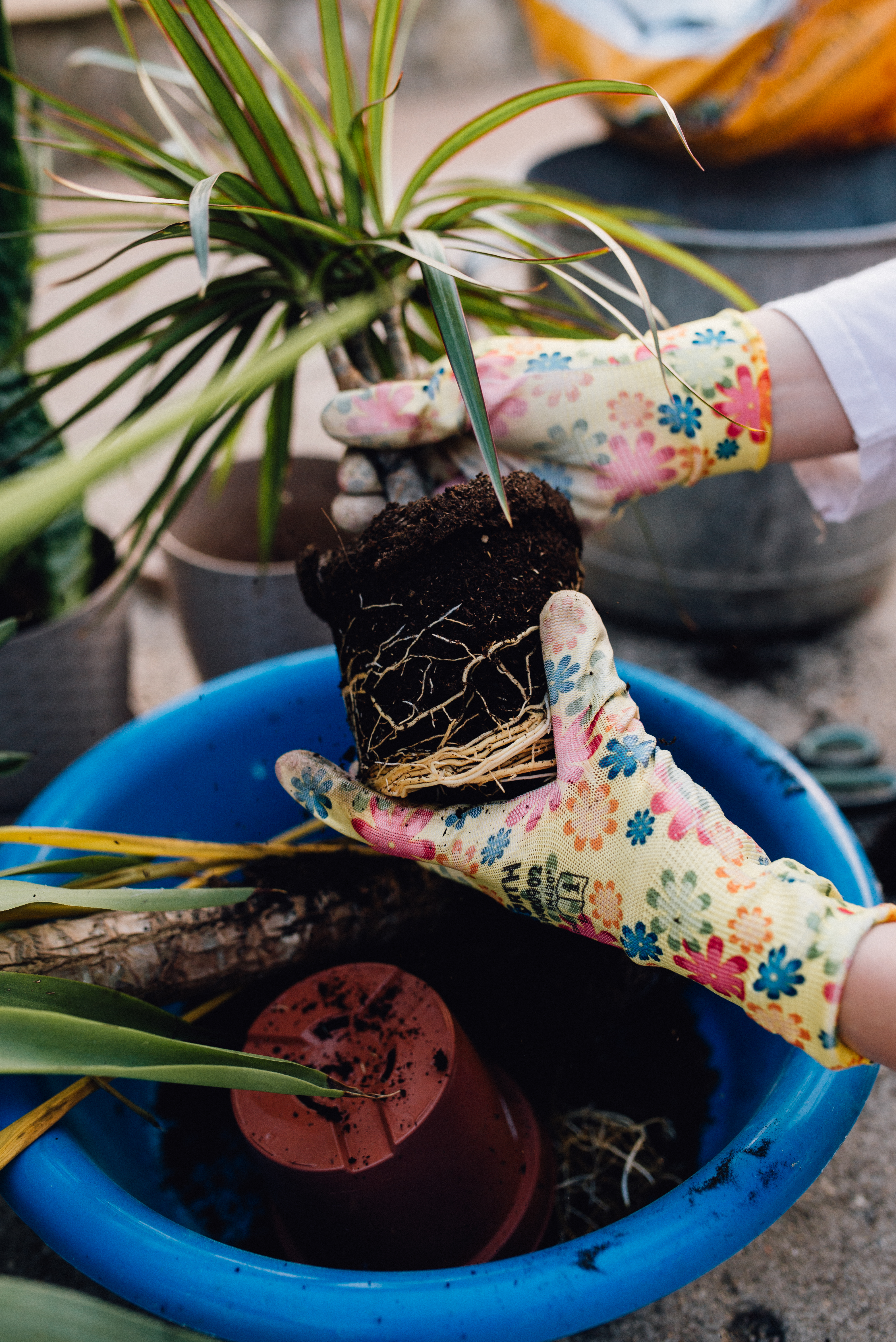
Repotting means moving a houseplant into a larger container with fresh potting mix. Sometimes it means keeping the same pot and simply refreshing the mix, when more space is not what the plant needs.
Either way, the point is the same: roots need room to spread, air to breathe, and nutrients that old compost has already run out of. So how often should you really repot a houseplant? The honest answer is that the calendar matters less than the plant, and the symptoms matter more than the schedule.
This article takes a closer look at what repotting actually does for a plant, how fast different plants outgrow their pots, five signs it is time to act, a simple repotting schedule, and the right pot and soil to use when you do.
What repotting actually does
Repotting does two jobs: it gives roots more room, and it replaces tired compost with a fresh mix of nutrients and air pockets.
The Royal Horticultural Society notes that compost degrades and compacts over time, reducing the air reaching the roots, which can promote disease. Algae on the compost surface, the RHS adds, can indicate the compost has become sour and needs repotting.
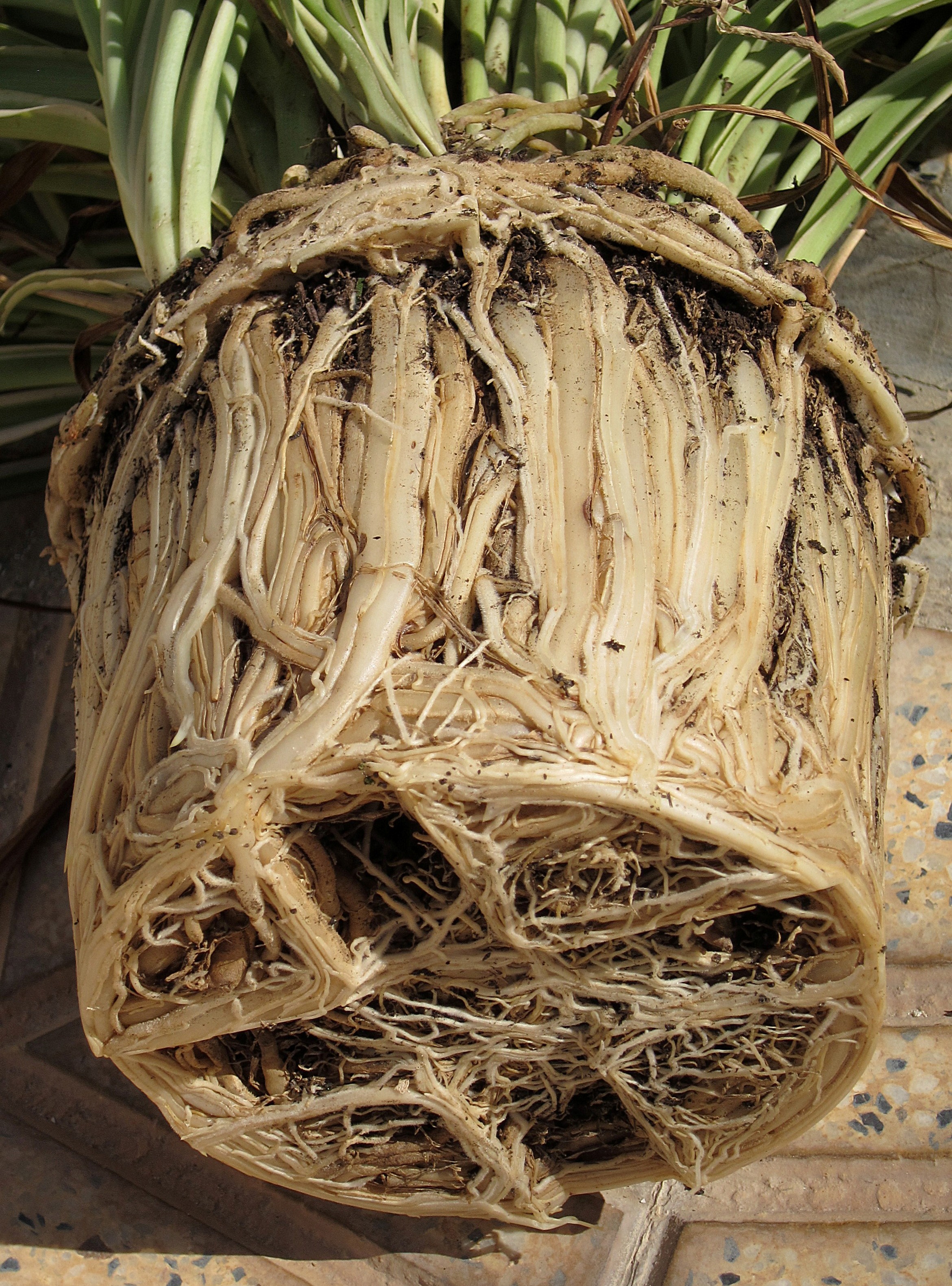
The room problem has a technical name: rootbound. In the University of Georgia Cooperative Extension's Circular 1240 on repotting basics, reviewed by Extension Horticulture Specialist Bodie Pennisi, rootbound is described as the condition where roots outgrow the container's volume, overlap each other, circle around the bottom of the container, and turn to grow back up against the container wall. The circular warns this leads to stunted growth and poor plant health.
One more thing: repotting is surgery, not a spa day. Even a gentle repot damages fine roots that the plant must then spend energy recovering. Timing and restraint both matter, and more frequent is not always better.
How fast different plants outgrow their pots
Different plants fill their pots at different speeds, so one number cannot cover every plant. Grower guidance falls into rough bands.
- Fast growers (pothos, monstera, spider plant, philodendron): every 12 to 18 months, the typical range for common foliage houseplants according to Gardeningetc.
- Average growers (most foliage houseplants): every 2 to 3 years, which is the RHS's recommended potting-on cadence.
- Slow growers (succulents, cacti, snake plants): up to 3 years or more. Plant doctor Kelly Dyer, horticultural lead at Patch Plants, told Ideal Home it is good practice to repot every three years minimum, a sensible outer limit even for plants that barely move.
A few extra factors shift a plant between bands. A plant in a small pot exhausts its soil faster than the same plant in a generous one.
Warm, bright conditions push faster growth, and so do regular feeds. Some plants also tolerate a snug pot longer than others, so treat these bands as starting points and check the signs below before you commit.
5 signs it is time
Forget the calendar for a moment. These are the symptoms that mean a plant genuinely needs attention.
1. Roots are escaping through the drainage holes. Roots pushing out of the bottom of the pot are the most common first clue: the roots have run out of places to go.
2. Roots are pushing the plant up and out of the pot. When the root ball gets too dense for the container, it can lift the whole plant. Dyer lists this among the signs she teaches owners to watch for.
3. Growth has stalled or new leaves are smaller. A plant that has not been repotted for years and has stopped putting on new growth has probably used up the nutrients originally available in its soil, according to Dyer. Yellow leaves alone do not prove a pot problem, though: dusty leaves can cut the light a plant receives, which mimics the same slowdown.
4. The soil dries out within a day or has gone rock hard. If you water far more often than you used to, or the compost has shrunk and pulled away from the pot edge, barely any soil is left to hold water. The RHS lists a plant drying out quickly and making little growth as a sign it may be pot bound.
5. Water runs straight through the pot. You pour water in and it pours straight out of the drainage holes, leaving the plant thirsty minutes later. Chris Bonnett, founder of GardeningExpress, told Ideal Home this means the root ball is too compact, with no room left for water retention.
The two-minute test: rootbound or just thirsty?
Fast-drying soil does not always mean the plant needs a bigger pot. A herb baking on a hot windowsill dries out quickly because of heat and a small pot, not because its roots have filled the container. Here is how to tell the difference.
Tip the plant out of its pot and look at the root ball. If the roots are spiralling tightly around the outside and you can barely see any soil, it is rootbound and time to act. The UGA extension circular recommends inspecting for crowded, overlapped, and tangled roots at this stage.
If the roots are sparse and the soil still crumbles loosely, the pot is not the problem; check light, heat, and watering instead. One practical rule: a thirsty plant with room to spare perks up after watering and stays fine for days, while a rootbound plant dries out again within a day or two.
How often to repot: a simple schedule
Do a spring review, not a spring repot. The RHS advises potting plants on in spring so they establish during the growing season that follows. Tom Cook, houseplant buyer at British Garden Centres, recommends March to May, telling Ideal Home this gives plants time to recover and develop new roots. Make spring your annual inspection: check the roots of anything sluggish, and repot only the ones showing signs.
Respect the annual ceiling. Even if a fast grower fills its pot quickly, do not repot more than once a year. Timothy Sherratt, founder of plant pot retailer Anther + Moss, told Gardeningetc that repotting causes root damage the plant must recover from: limit it to once a year at the most.
Break the rules for emergencies. If a plant is severely rootbound, toppling over, or clearly failing, repot it now regardless of the season. Cook makes the same exception for struggling plants.
Check new plants early. Shop-bought plants often arrive in tight nursery pots with roots already circling. If a new plant shows any of the five signs above, repot it even if you bought it last week. Potting up your own seedlings? Test old seeds for viability before giving them a fresh pot.
The right pot and soil when you do
Getting the size right matters as much as getting the timing right.
Go up modestly. The RHS recommends a pot 5 to 10 cm (2 to 4 in) larger in diameter than the current pot, or enough space for two to three years of growth.
Sherratt gives the same advice in plainer terms: go up a pot size or two. UGA's general rule of choosing a pot 3 to 4 inches larger applies to bigger outdoor perennials; houseplants do better with the smaller step.
Never jump to a giant pot to "save time." If a small plant sits in far too much soil, it cannot drink all the water, and the soil stays damp for too long, Sherratt warns. The result is root rot, the most common way an enthusiastic repot kills a healthy plant.
The RHS states that containers should always have a drainage hole, since roots need air and waterlogged soil drowns them. If your decorative pot has no holes, keep the plant in a plastic nursery pot inside it.
Use fresh, quality potting mix matched to the plant. The RHS suggests peat-free, loam-based compost for top-heavy plants, since its weight gives more stability, and adding grit for plants that need extra drainage. The UGA circular advises keeping the root crown (where the first lateral roots start) at or slightly above soil level, then watering gently to settle the mix.
Sherratt advises keeping a freshly repotted plant in a shady spot for a week: damaged roots cannot absorb water properly, and the shade limits how much moisture the leaves lose while roots recover. That single calm week does more for recovery than any tonic.
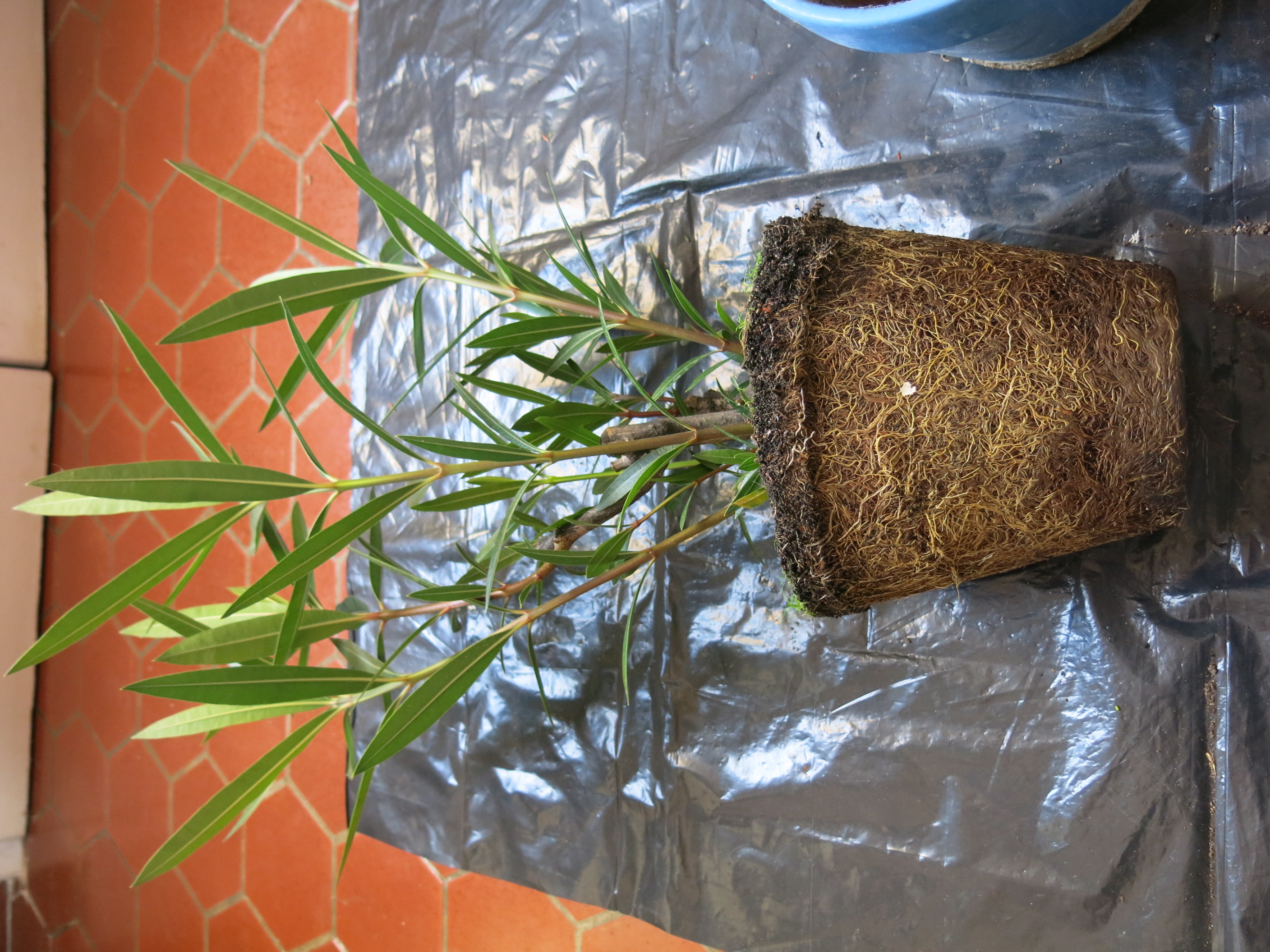
Roots in compacted, exhausted compost struggle the way carrots do in hard, stony ground: they cannot push through cleanly, so they circle, tangle, and stall. Fresh mix resets that whole system.
FAQ
Can I repot a houseplant in winter?
Spring is the best window because the plant is entering active growth and can recover quickly, according to both the RHS and Tom Cook of British Garden Centres. If a plant is severely rootbound or failing in winter, repot it anyway; just handle the roots gently and water carefully.
Do succulents and cacti need repotting too?
Yes, but rarely: slow growth and modest root systems put them at the long end of the range, often two to three years or more. Check them for the same five signs rather than assuming a thriving cactus needs a bigger pot.
Should I loosen or trim the roots when I repot?
If the plant is strongly rootbound, yes: the UGA extension circular advises slicing off the outer half inch of the root mat and trimming circling roots, while saving as much living root mass as possible. If the roots only lightly fill the pot, leave them alone.
What if I do not want a bigger pot?
You can keep the same pot and refresh the soil instead. Since degraded, compacted compost is itself a reason to repot, the RHS notes, replacing the old mix around a lightly root-pruned plant buys another year or two.
The bottom line
Most houseplants do best with fresh soil and more room every 1 to 3 years, with the timing set by the five signs rather than the calendar. Spring is the kindest window, and a pot 5 to 10 cm wider than the last one is the right step up.
This week, tip one sluggish plant out of its pot and look at its roots. What you see there is a better schedule than any date on the calendar.
Tags: houseplants, repotting, indoor plants, plant care
Latest in Gardening
- Why do plant leaves get dusty and does it matter?
- Why do herbs die on windowsills but thrive outside?
- How to test if old seeds are still viable before planting
- Why do carrots fork and grow weird shapes?
Subscribe to the Rive News newsletter for weekly plant-care guides.
Related stories

What Is Companion Planting and Does It Work?
Marigolds work as a nematode cover crop, but the basil flavor claim failed repeated tests. An honest evidence review of what companion

Determinate vs. indeterminate tomatoes: growth, pruning, and harvest differences
Determinate tomatoes grow to a set size and ripen all at once, while indeterminate types vine all season. That one difference shapes

How to improve clay soil for gardening
Gypsum will not fix ordinary clay soil, say extension experts. What actually works: 2 to 3 inches of compost, mulch, better drainage,