
How to test if old seeds are still viable before planting
Key takeaways
- Ten seeds on a damp paper towel, sealed in a plastic bag, tell you within 7 to 10 days whether an old packet is worth planting.
- Tomato seed stays viable 3 to 7 years while onion seed lasts only 1 to 2, according to Johnny's Selected Seeds storage charts.
- If fewer than 7 of 10 seeds sprout, buy fresh seed; if 7 to 9 sprout, sow more thickly, per University of Illinois Extension guidance.
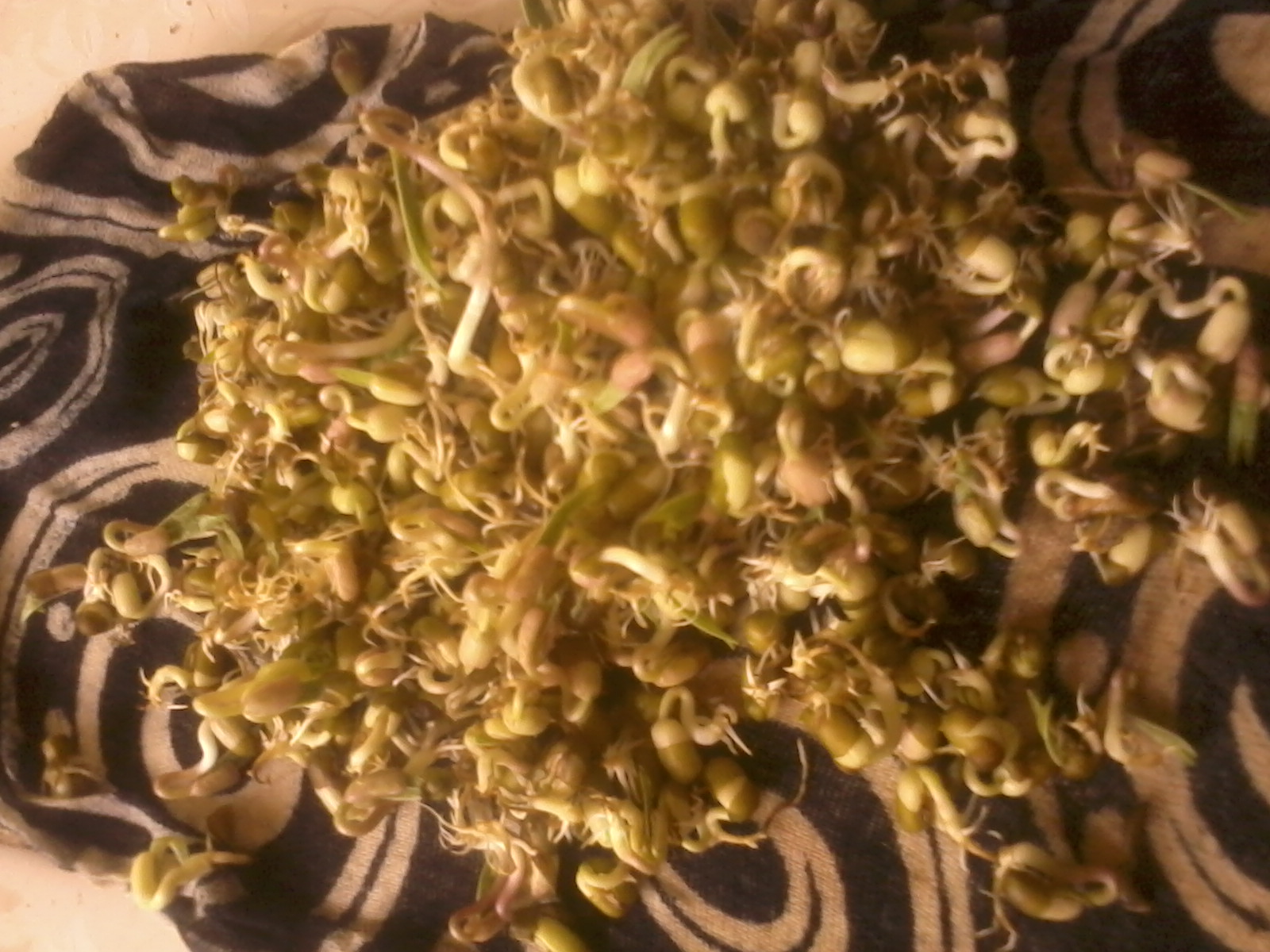
A seed is viable as long as it can germinate and grow under the right conditions. Viability is not permanent: each seed is living tissue with a finite energy reserve that slowly runs down.
The standard method is a home germination test using a damp paper towel, and it gives you a real percentage you can plan around.
This article explains what seed viability means and why it fades, how long common seeds actually last, how to run the paper-towel germination test step by step, how to read your results, and how to store seeds so they last longer.
Why seeds lose viability
Heat and moisture are the two forces that age seeds fastest. They break down the structures a seed needs to sprout, while cool, dry conditions slow the process, according to University of Illinois Extension horticulture educator Brittnay Haag.
A 2019 experiment in the Journal of Integrative Agriculture tested this directly. Peas, lentils, and chickpeas were stored at different temperatures and moisture levels for seven years. Low temperature and low moisture preserved longevity, while warm, damp storage made germination fall rapidly.
Viability and germination rate are not quite the same thing. According to Johnny's Selected Seeds, viability means a seed's ability to produce a vigorous seedling, and it usually declines first. Old seed can still sprout yet grow into weak seedlings.
Most seed packets are stamped with the year they were packed. As a rule of thumb, Illinois Extension advises using seeds within three years of that pack date.
How long common seeds actually last
Johnny's Selected Seeds publishes seed-life charts for vegetables, herbs, fruit, and flowers based on the company's experience and expert sources. The company stresses these are average ranges for raw seed, and that pelleted seed of any variety should be used within one year because pelleting shortens seed life.
The numbers vary widely by crop. Here is a condensed version of the company's vegetable and herb data, in years of average storage life under good conditions:
| Seed | Storage life |
|---|---|
| Tomato | 3 to 7 years |
| Cucumber | 3 to 6 years |
| Melon | 3 to 6 years |
| Squash and gourds | 3 to 6 years |
| Lettuce | 1 to 6 years |
| Peppers | 2 to 5 years |
| Carrots | 3 to 4 years |
| Radish | 4 to 5 years |
| Beans | 2 to 4 years |
| Basil | 3 to 5 years |
| Sweet corn | 1 to 3 years |
| Parsnips | 1 to 3 years |
| Parsley | 1 to 4 years |
| Sage | 1 to 3 years |
| Onions | 1 to 2 years |
Carrots, whose roots demand careful handling even when the seed is fresh (see why carrots fork and grow weird shapes), hold viable seed for 3 to 4 years per Johnny's charts.
Onions sit at the other end of the scale at 1 to 2 years, and seed companies treat them as one of the shortest-lived crops you can buy.
Other sources agree on which seeds fade first. Ohio State University Extension says sweet corn, parsnips, and spinach generally stay viable for about a year, while beans, carrots, cole crops, squashes, tomatoes, and turnips are good for at least three years when properly stored.
Hudson Valley Seed is blunt about the short-lived families. The company says alliums such as onions, scallions, chives, and leeks are among the shortest-lived seeds and should be replaced every year or at most every two. Umbels such as carrots, parsley, parsnips, dill, and celery get the same advice.
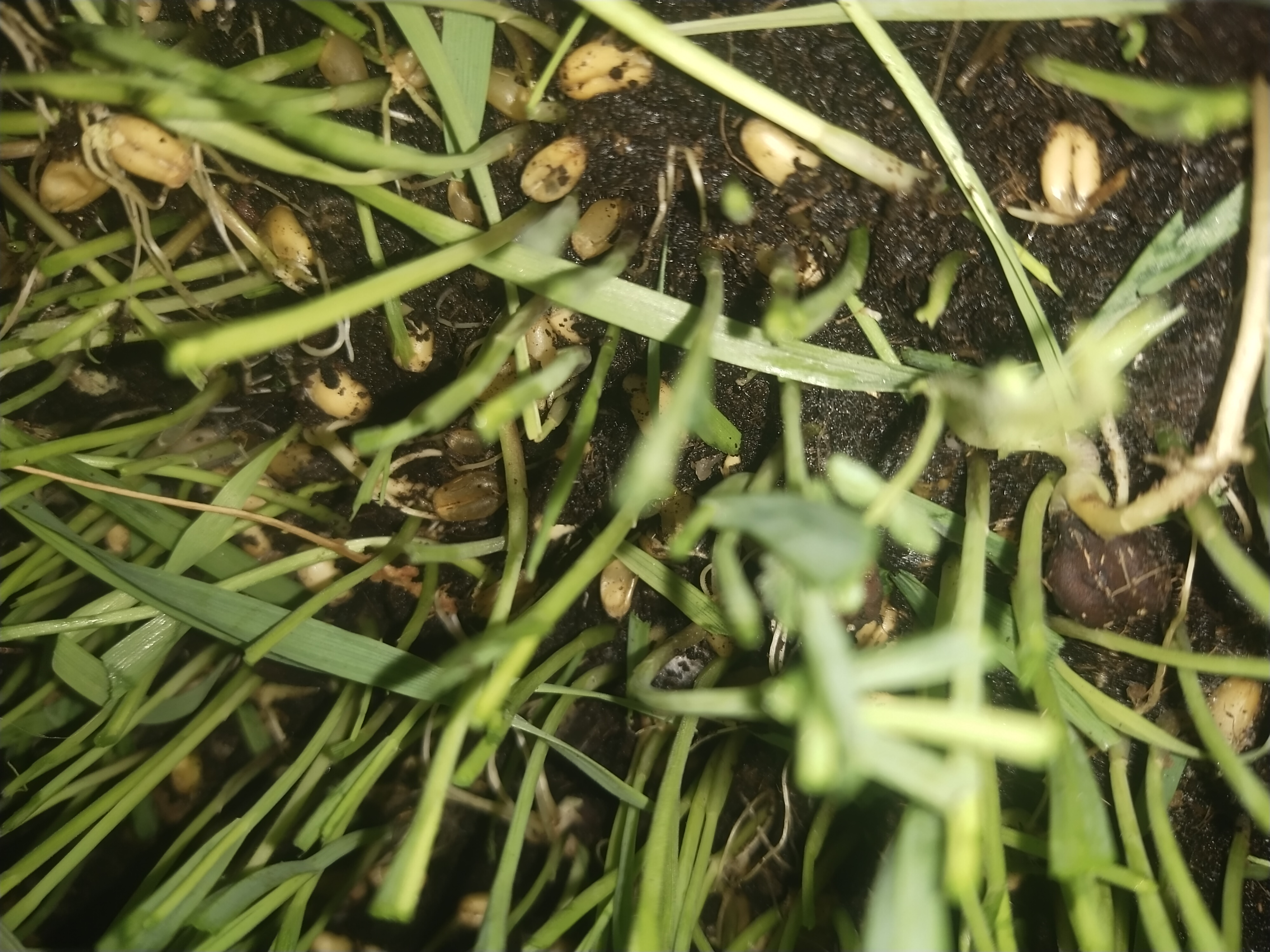
The paper-towel germination test
The classic method, sometimes called a rag doll test, is used by extension offices and home gardeners alike. North Carolina State Extension publishes the procedure as a one-page guide with a short materials list: 10 seeds of each type you want to test, paper towels, water, a sealable plastic bag, and a marker.
Follow these steps:
- Count out 10 seeds from the packet you want to test. Official laboratory germ tests call for 400 seeds, but at home 10 give you useful information, according to Hudson Valley Seed.
- Moisten a sheet of paper towel until it is uniformly damp but not dripping. If your paper towel falls apart when wet, use two sheets, one on top of the other.
- Place the 10 seeds in a row along the damp towel, then roll or fold the towel around them.
- Place the rolled towel into the plastic bag and seal it. Write the date, the seed type, and the variety on the bag with the marker.
- Put the bag somewhere warm, around 70 degrees Fahrenheit or a little above. University of Illinois Extension suggests on top of the refrigerator or on a sunny windowsill.
- Check the bag every day or two to make sure the towel has not dried out. Mist it lightly with a spray bottle if it feels dry.
- After the variety's usual germination time (generally 7 to 10 days, or 2 to 5 for fast crops per Ohio State Extension), unroll the towel and count the sprouts.
Check your seed packet for the variety's average germination time, since slow germinators and most flowers and herbs need longer.
How to read your results
Each sprouted seed out of 10 equals 10 percent germination. If 9 of 10 germinated, you have a 90 percent rate, which predicts roughly how the rest of the packet will perform, according to Ohio State University Extension.
If all 10 germinated, treat the packet as brand new. Washington State University's guide gives exactly this reading: a perfect score means the seeds will perform like fresh ones.
If 7 to 9 sprouted, most of the batch should do well, but compensate by sowing extra. Washington State University advises putting extra seeds in each planting hole, and Illinois Extension's Brittnay Haag recommends sowing more than the packet suggests.
If 6 or fewer sprouted, start over with fresh seed. North Carolina State Extension says that below 70 percent germination you are better off buying new seed, and Haag sets the cutoff at 7 out of 10.
For large seeds like beans, peas, and corn, Haag offers a quicker screen before the towel test. "Seeds that sink are still viable, while seeds that float are essentially spent," she said, describing a simple bowl-of-water check.
Storing seeds so they last longer
The storage rules are simple: cool, dry, and dark, in an airtight container. Johnny's Selected Seeds recommends keeping seeds in a sealed glass jar in the refrigerator, labeled with the crop and the date it went into storage, with a desiccant packet inside.
The company cites an ideal storage temperature of 42 degrees Fahrenheit (5.6 degrees Celsius) with low humidity, and offers a rule of thumb: the sum of the temperature in Fahrenheit and the percent relative humidity should be less than 100. Let the jar reach room temperature before opening it, which stops condensation from forming on the cold seeds.
Illinois Extension gives a slightly colder target, between 32 and 41 degrees Fahrenheit, which makes an ordinary refrigerator a good seed vault. Haag recommends paper envelopes or airtight glass containers, since moisture is one of the quickest ways to age a seed.
Ohio State Extension suggests storing seed through winter at 50 degrees with 50 percent humidity. Garth Ruff, an Ohio State University Extension educator, advises keeping unused packets in a sealed jar with a desiccant or powdered milk at the bottom to absorb moisture, then storing the sealed jar in a cool room, cellar, or refrigerator.
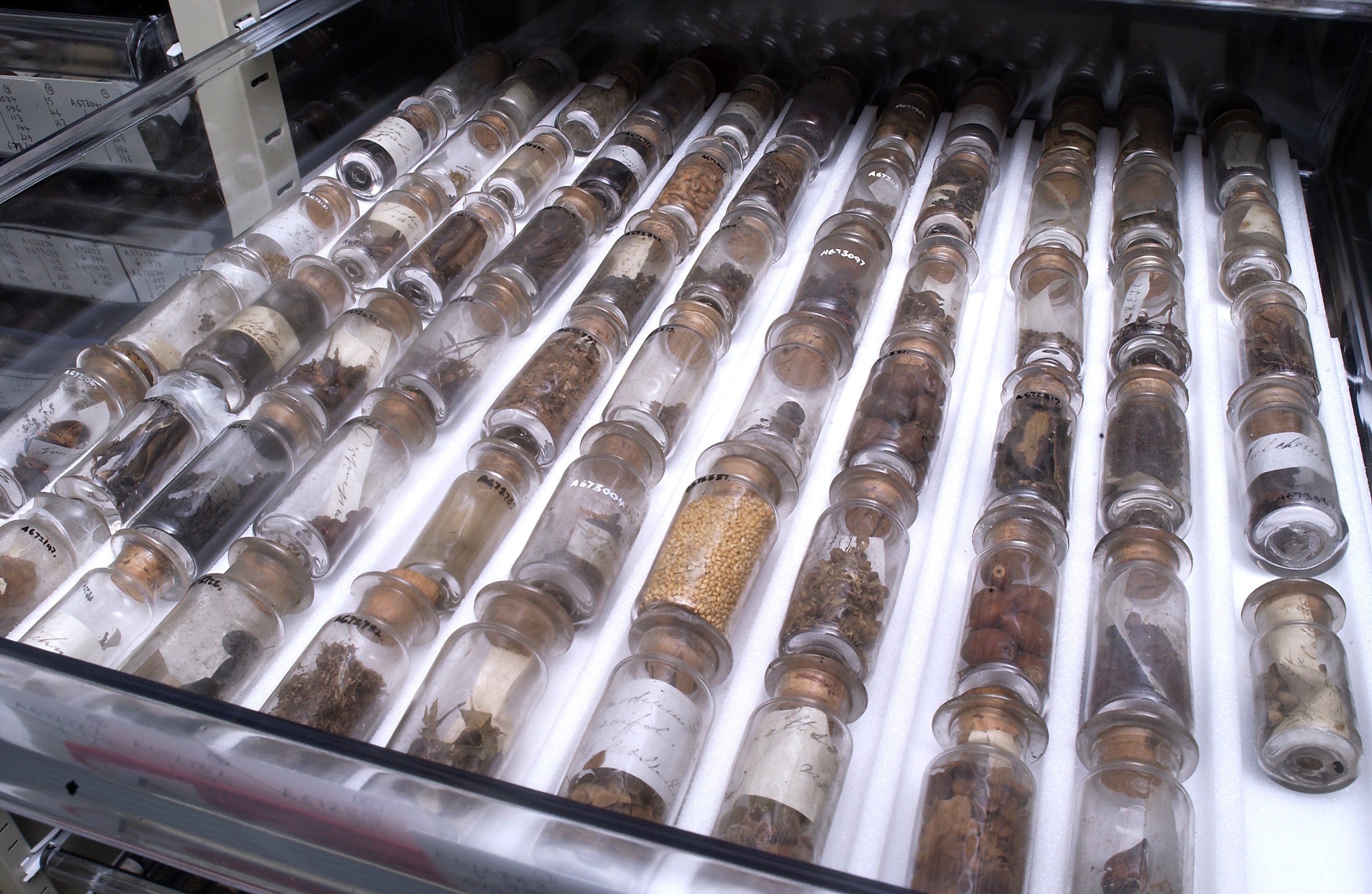
Your refrigerator doubles as a seed vault, but keep the food lessons separate: the same cold that preserves seeds turns fresh basil black within days, as explained in why basil turns black in the fridge. Seeds go in sealed jars; delicate herbs stay out of the chill.
Short-lived herb seed deserves a test before it earns shelf space, and the plants themselves are just as particular, which is why why herbs die on windowsills but thrive outside pairs well with this guide. Keep the winners labeled with the year, and share the surplus with other gardeners, since a tested packet is one you can trade with confidence.
FAQ
Do seeds expire?
Seeds do not expire on a fixed date, but germination declines with age and poor storage. Check the pack year, compare it with seed-life charts like Johnny's, and run a germination test rather than guessing.
What is the fastest way to test seed viability?
The damp paper-towel test is the standard: 10 seeds on a damp towel, sealed in a labeled bag in a warm spot. Fast crops show results in 2 to 5 days, though most seeds need 7 to 10.
Does the germination test need light?
Light does not matter for most seeds during the test. What counts is steady warmth around 70 degrees Fahrenheit plus constant moisture, according to Ohio State University Extension.
Is it better to store seeds in the fridge or the freezer?
A refrigerator is the safer choice, with extension services recommending 32 to 50 degrees Fahrenheit. Freezing only suits very dry seed, so fridge storage with a desiccant is the standard advice.
Should I test seeds I bought last year?
Rarely, if they were stored cool and dry. Washington State University notes well-stored seeds stay viable at least a year past their pack season, so testing matters most for packets two or more years old.
The bottom line
Old seeds are not automatically dead, and they are not automatically worth planting either. A 10-seed paper-towel test takes about a week and replaces the guesswork with a percentage you can act on, backed by real seed-life data from growers and universities.
Pull out your oldest packets today and start the test on the varieties you plan to sow first. If you pot up the successful sprouts before moving them outdoors, how often to repot a houseplant covers what comes next for any that stay in containers.
Tags: seed viability, germination test, seed storage, planting
Latest in Gardening
- Why herbs die on windowsills but thrive outside
- How often should you really repot a houseplant
- Why basil turns black in the fridge
- Why carrots fork and grow weird shapes
Subscribe to the Rive News newsletter for weekly plant-care guides.
Related stories

What Is Companion Planting and Does It Work?
Marigolds work as a nematode cover crop, but the basil flavor claim failed repeated tests. An honest evidence review of what companion

Determinate vs. indeterminate tomatoes: growth, pruning, and harvest differences
Determinate tomatoes grow to a set size and ripen all at once, while indeterminate types vine all season. That one difference shapes

How to improve clay soil for gardening
Gypsum will not fix ordinary clay soil, say extension experts. What actually works: 2 to 3 inches of compost, mulch, better drainage,