
How bees choose which flowers to visit first
By Rive News / Research desk | Rive News / Published October 28, 2026 at 9:00 AM PKT
Key takeaways
- Bees spot flowers first by colour and pattern, then confirm with scent before landing.
- They learn which colours pay in nectar or pollen and return to those first.
- One good find can recruit a whole colony through the waggle dance.
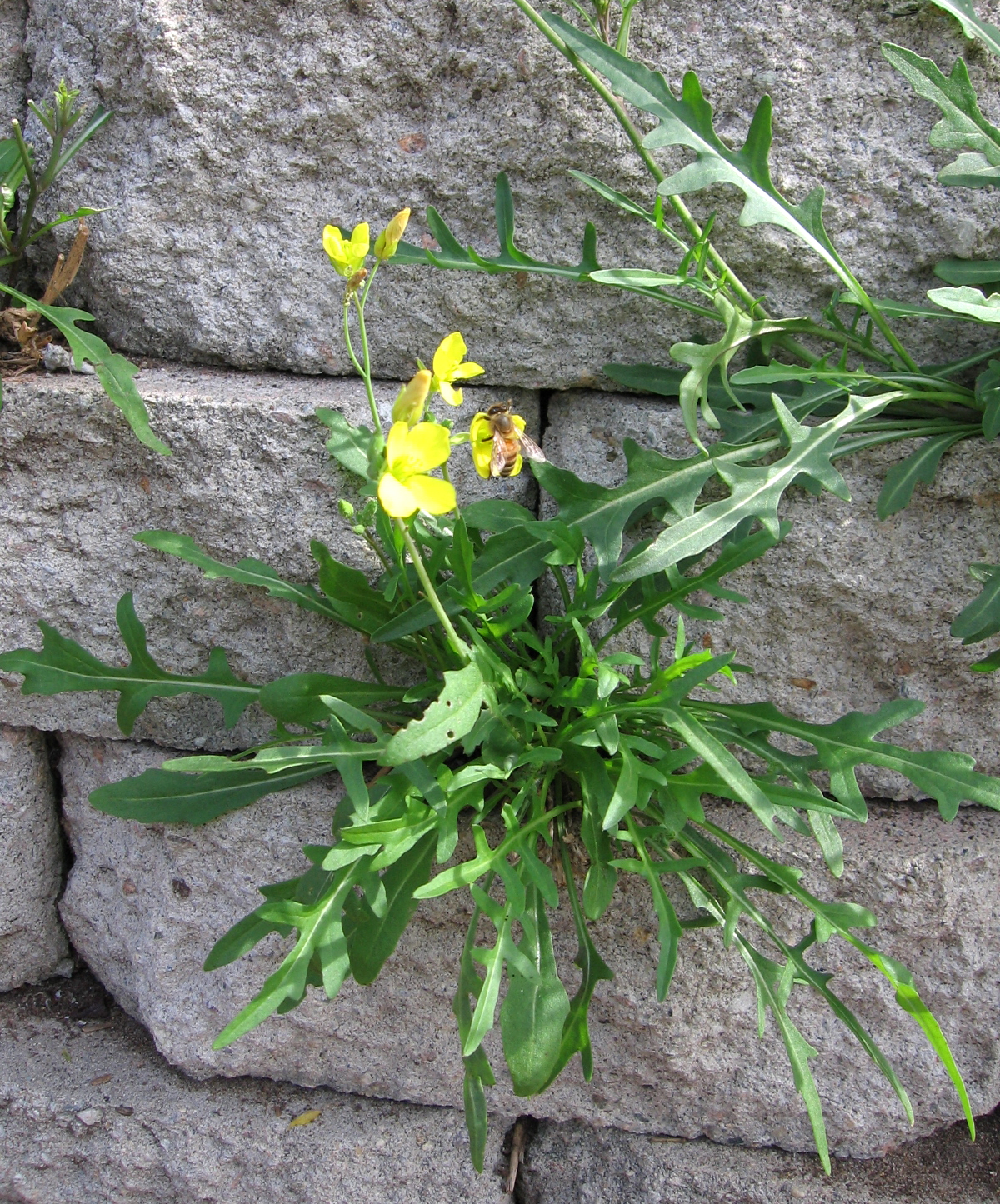
[A honeybee gathers pollen from a pale wallrocket flower in sunlight. Photograph: EricM]
Image Credits: Wikimedia Commons
A bee does not visit flowers at random. It flies fast, sees in a shifted spectrum, smells in fine detail, and remembers what paid off last time.
Each visit is a small economic decision, weighing the energy a flower offers against the energy needed to reach it and handle it. Flowers, in turn, advertise their rewards with colour, scent, and shape.
This article follows that decision chain, including fast flight vision, colour and ultraviolet patterns, scent, shape and handling, taste and learning, flower constancy, and colony recruitment.
Flying fast on a simple picture
A foraging bee flies at about 15 miles per hour, according to the World Bee Project, which is fast for an insect with a tiny brain. Its vision works about five times faster than human vision, so it can track motion and obstacles at speed without blurring the world into streaks. That speed comes with a trade-off.
At full speed, bees switch off colour vision and fly in black and white. Colour processing is expensive, and a bee that tried to see every colour while dodging obstacles would waste energy. The world in flight is a high-contrast map of bright and dark shapes, good enough to navigate by and to spot flower patches against green foliage.
Only when the bee slows near flowers does colour vision return. That is the moment of choice. The bee now sees the patch in colour, and the colours it sees differ from ours.
Bee vision is shifted toward the short end of the spectrum, so bees see ultraviolet light that humans cannot, while red looks black to them. A red poppy that blazes for a human is a dark shape for a bee, unless it carries ultraviolet markings the bee can read.
Colour, pattern, and ultraviolet guides
Bees favour blue, purple, yellow, and white flowers, which stand out against green leaves in their visual range. Marigolds are often planted among vegetables partly for the insects they attract.
That preference is not a fashion choice. Flowers that bees pollinate evolved colours that bees see well, and bees evolved vision tuned to those colours.
Patterns matter as much as colour. Many flowers carry ultraviolet patterns, sometimes called nectar guides, that point toward the centre where nectar and pollen sit.
Humans see a plain yellow petal, while a bee sees a bullseye with a dark centre and bright rim, or a set of lines leading inward. Those guides cut handling time, since the bee lands facing the reward instead of searching the petal.
Shape adds a second filter. Bees prefer flower shapes that suit insect pollination, with a landing platform and an open centre, over shapes built for birds.
A long, narrow tube built for a hummingbird's beak wastes a bee's time, and bees learn to avoid such shapes after a few unrewarding visits.
Size and density count too. A dense patch of one flower type beats scattered single blooms, because the bee spends less time travelling between rewards. Field studies have found honeybees favouring dense patches with lower nectar per flower over sparse patches with richer nectar, since the real measure is energy gained per minute of foraging, not sweetness per flower.
Scent confirms what colour promises
Colour gets the bee close, but scent closes the deal. Floral scent travels downwind and tells the bee that a flower is open, fresh, and likely rewarding, before it lands. Different flowers release different scent mixtures, and bees learn to link particular scents with particular rewards.
Some scent compounds act as honest signals. Bumblebees develop preferences for compounds such as phenylacetaldehyde, which reliably indicates nectar presence, according to research summarised in recent foraging reviews.
A flower that smells strongly but offers nothing gets visited once and then avoided, since the bee's memory updates fast. Scent without reward is a short-lived trick.
Scent also works after a visit. When a bee empties a flower, it may leave a scent mark that signals the flower is spent.
That mark wears off as the flower refills with nectar, so the next bee knows when to return. The system saves both sides energy: the flower does not waste nectar on a bee that just left, and the bee does not waste time on an empty flower.
Taste, handling, and the cost of a visit
Once a bee lands, taste and handling decide whether it stays. Nectar is the bee's fuel, a sugar solution, while pollen is its protein, needed to feed larvae.
A bee can taste both, and it prefers sweeter nectar and pollen blends that suit its needs. Bitter pollen gets rejected, even from a flower that looked right.
Handling time matters as much as taste. A flower that is easy to open, with nectar close to the surface, pays faster than a deep flower that needs wrestling.
Bees learn handling tricks for common flowers, and experienced foragers handle familiar blooms far faster than beginners. That learning is why a bee returns to a flower type it already knows how to work.
Energy bookkeeping runs through every choice. A bee measures, in effect, the sugar gained minus the energy spent flying, landing, handling, and returning to the hive.
A flower that offers rich nectar but sits far away may lose to a nearer flower with weaker nectar, if the travel cost is high enough. The colony's foraging pattern emerges from thousands of these small calculations, not from any central plan.
Learning, memory, and flower constancy
Bees learn fast. A laboratory study led by Felicity Muth at the University of Nevada, reported in 2015, trained bees to link yellow flowers with nectar and blue flowers with pollen, or the reverse. The bees then collected each nutrient from the colour they had learned, and they generalised sensibly, trying nectar from orange flowers after learning yellow, but not from green ones.
That learning produces flower constancy, the habit of visiting one flower type repeatedly during a foraging trip. A constant bee handles its chosen flower faster with each visit, and it transfers pollen between flowers of the same species, which is exactly what the plant wants. Constancy benefits both sides, and it is why a colony that locks onto one blooming crop pollinates it so effectively.
Bees also learn from each other. A study from Queen Mary University of London and the Zoological Society of London, published in Current Biology, showed bumblebees copying the flower colour choices of other bees.
Bees trained to link other foragers with sugar watched companions choose one flower colour and ignore another, then copied that choice when foraging alone. Bees that had never learned to link other bees with food did not copy.
Dr Elli Leadbeater, co-author of that study, put the finding plainly: "Learning where to find nectar by watching others seems fantastically complex for a tiny bee, but it's something that almost any animal could do, in the right circumstances." Copying saves the effort of testing every flower alone, and it spreads a good discovery through the colony quickly.
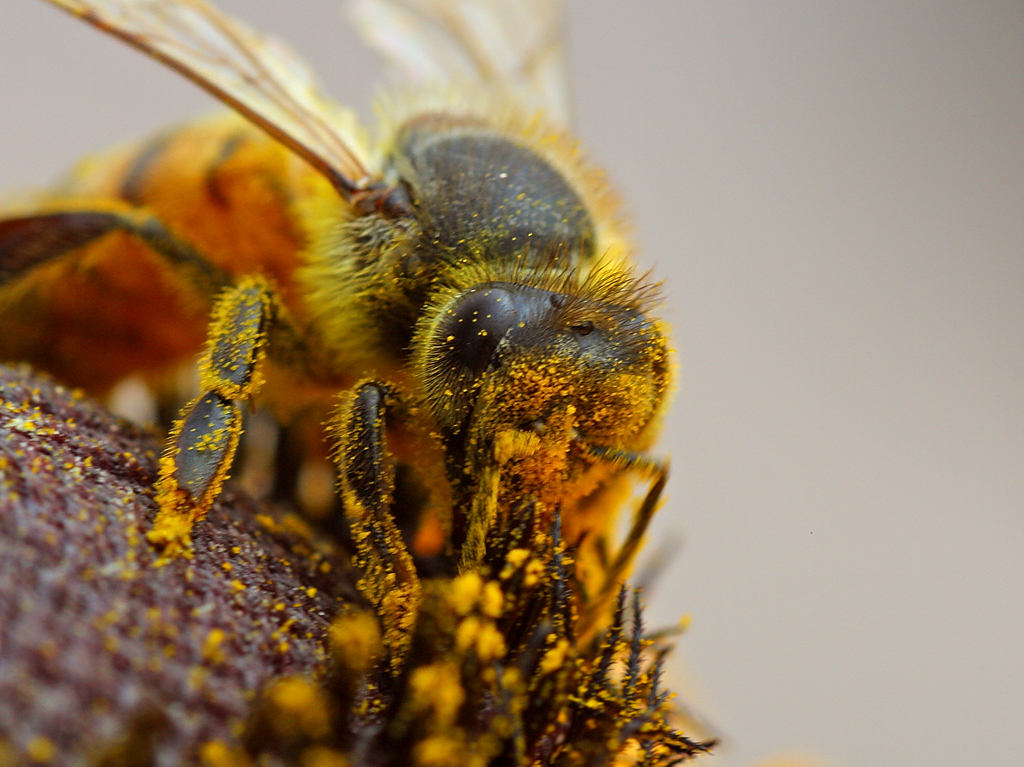
[A bee works a flower at close range, showing the narrow depth of field of such macro photographs. Photograph: Jon Sullivan]
Image Credits: Wikimedia Commons
From one bee to the whole colony
An individual bee's good find does not stay private for long. A honeybee that returns with a rich load performs the waggle dance, a movement pattern that tells nestmates the direction and distance of the source. Recruited bees fly straight to the patch, which is why a strong bloom can pull a colony's whole foraging force onto one crop almost overnight.
Recruitment also explains sudden abandonment. When a source weakens, returning bees dance less, and fewer recruits go out.
Within hours, the colony shifts to a better patch, without any bee holding a meeting about it. The colony's choice is the sum of many dances, each one a vote for a flower that paid.
That colony effect matters for gardeners. Planting a large drift of one bee-friendly flower beats scattering single plants of many types, because a drift is easier to find, easier to learn, and easier to recruit nestmates to.
A garden with drifts of lavender, clover, and borage will hold bees longer than the same number of plants spread thinly. Even herbs grown on a kitchen windowsill can add early-season flowers for bees.
Timing across the season matters too. Bees need flowers from early spring to late autumn, and a gap in bloom breaks the learning chain.
A garden that offers something in every month keeps foragers returning, while a garden that blooms only in June loses its bees to neighbours for the rest of the year. Day length also shapes when plants flower, which sets the calendar bees follow.
Frequently asked questions
Do bees see red flowers?
Bees cannot see red as a colour. Red flowers appear black to them, though a red flower with ultraviolet markings can still attract bees through its pattern.
That is why many classic bee flowers are blue, purple, yellow, or white, while red flowers often suit birds instead. For more on plants that suit pollinators, see what companion planting is and whether it works.
Why do bees visit the same flower type all day?
That habit is flower constancy. Sticking to one type lets the bee handle flowers faster and lets the plant receive its own pollen. The bee learns the colour, scent, and handling of one flower and profits from that expertise, rather than starting fresh on every bloom.
Can bees tell an empty flower from a full one?
Often, yes. Scent marks left by previous visitors signal a spent flower, and those marks fade as nectar refills.
Bees also learn which flowers refill quickly and return to them at the right interval. An empty flower still gets checked occasionally, since the bee cannot know it is empty without landing.
Do all bees choose flowers the same way?
No. Honeybees recruit nestmates and favour dense patches, bumblebees learn by copying others and handle a wider range of flowers, and solitary bees rely more on individual learning. The shared principles are colour, scent, taste, and memory, but each species weights them differently.
The bottom line
Bees choose flowers through a chain of decisions, not a single preference. Fast black-and-white flight vision finds the patch, colour and ultraviolet patterns pick the candidates, scent confirms the promise, taste and handling test the reward, and memory locks in the winners.
Flower constancy makes each bee efficient, and the waggle dance turns one bee's discovery into a colony's foraging plan. Gardeners who plant drifts of blue, purple, and yellow flowers with strong scents, and who keep something blooming all season, give bees the signals they already know how to read.
Tags: bees, pollinators, flowers, garden wildlife
The Rive News research desk covers plant science and practical gardening, summarising published research for home gardeners without claiming field trials of its own.
Related
- What is companion planting and does it work
- Why are marigolds planted with vegetables
- How to grow herbs on a kitchen windowsill
- How day length triggers plants to flower
Subscribe for one practical gardening explainer each week.
Rive News standards: facts are checked against public sources listed above; corrections are welcomed and applied promptly.
Related stories
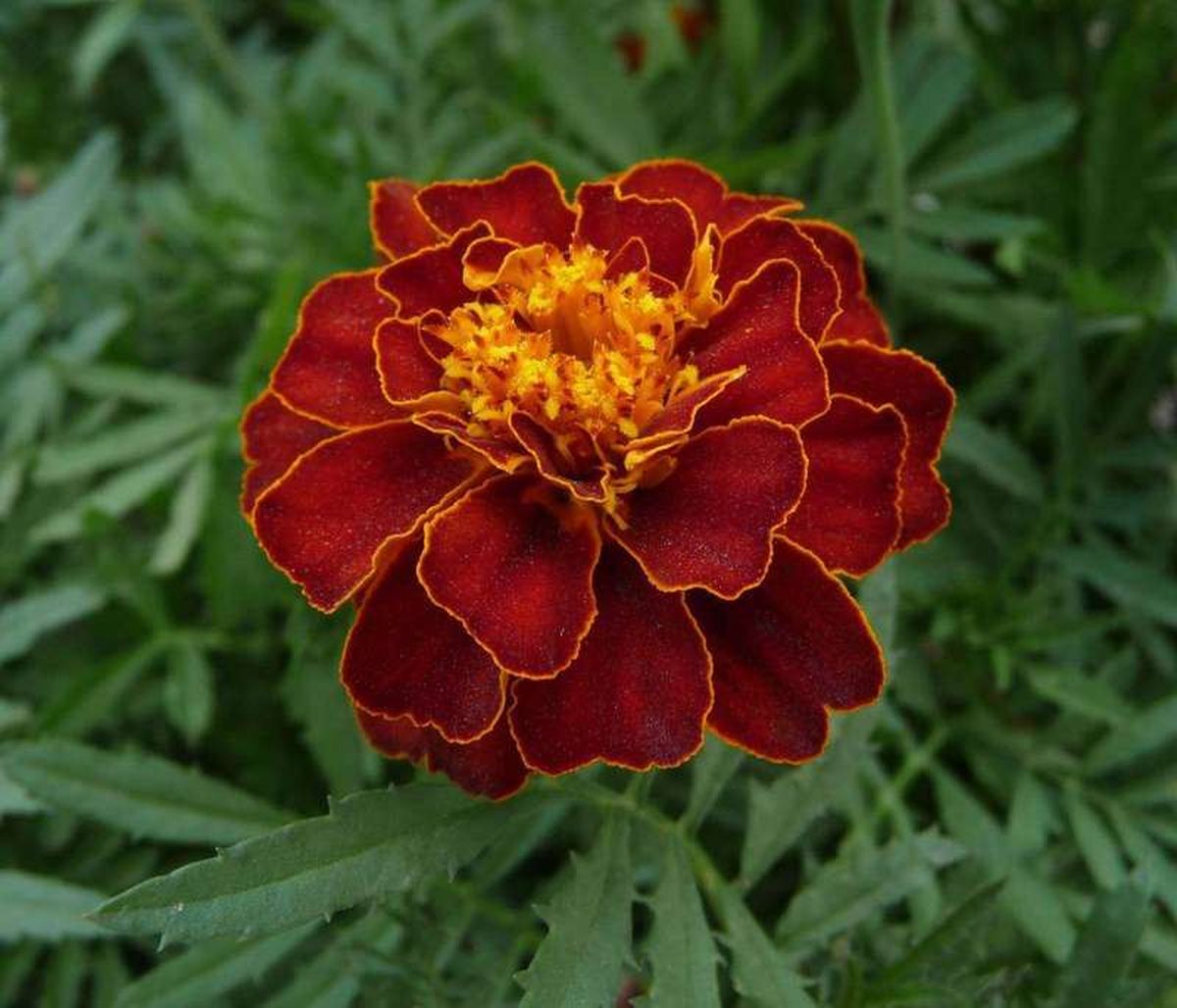
What Is Companion Planting and Does It Work?
Marigolds work as a nematode cover crop, but the basil flavor claim failed repeated tests. An honest evidence review of what companion
Determinate vs. indeterminate tomatoes: growth, pruning, and harvest differences
Determinate tomatoes grow to a set size and ripen all at once, while indeterminate types vine all season. That one difference shapes
How to improve clay soil for gardening
Gypsum will not fix ordinary clay soil, say extension experts. What actually works: 2 to 3 inches of compost, mulch, better drainage,