
How legumes put nitrogen into the soil
By Rive News / Research desk | Rive News / Published October 24, 2026 at 9:00 AM PKT
Key takeaways
- Legume roots host rhizobia bacteria in small nodules, and the bacteria convert atmospheric nitrogen into ammonia the plant can use.
- The pink-inside-nodule test proves it is working: pink or red means active fixation, green means little to none.
- A legume cover crop can add 70 to 100 pounds of nitrogen per acre to the next crop, reducing fertilizer needs.
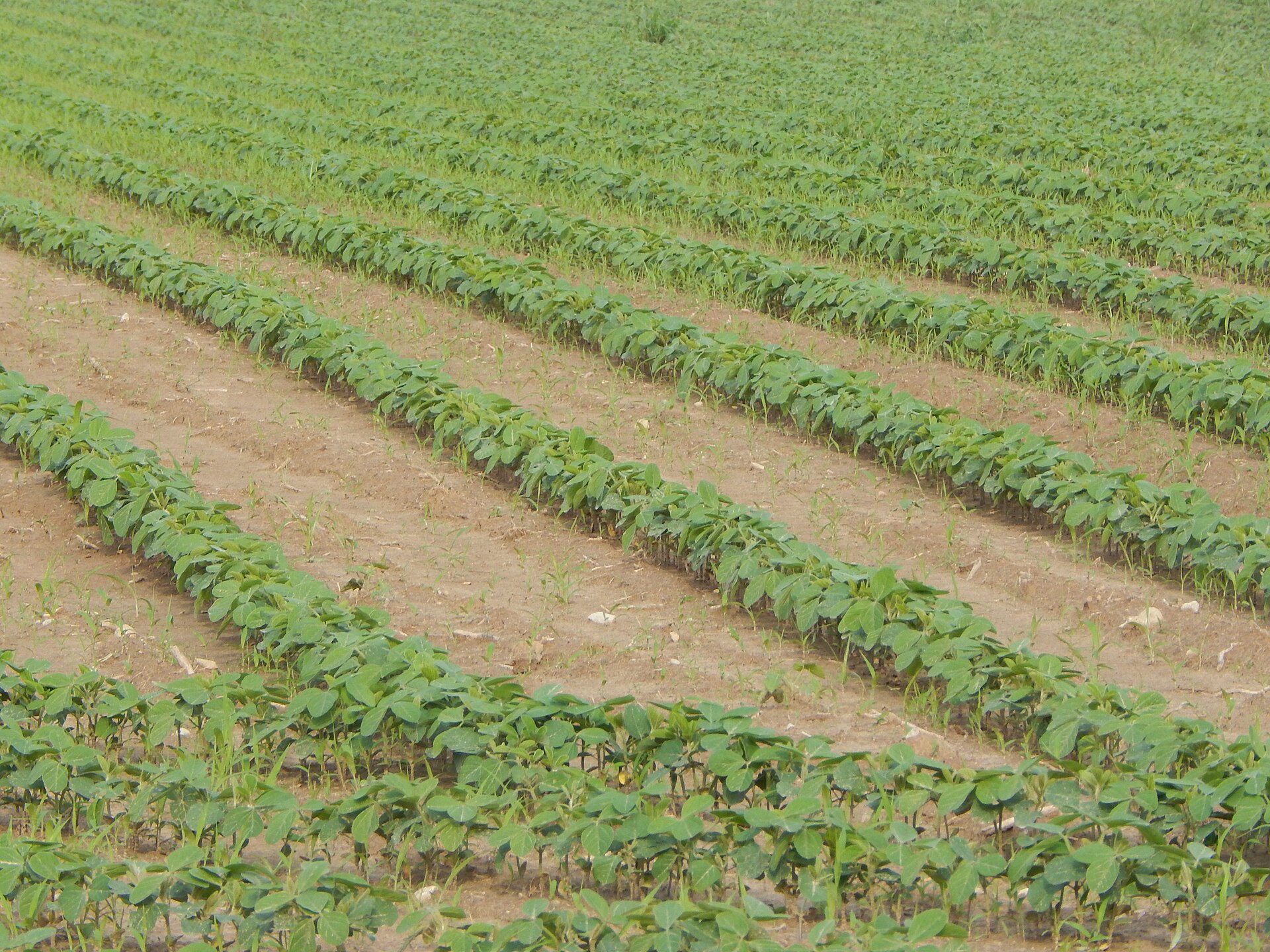
[A lush green soybean field, one of the most widely grown nitrogen-fixing legumes.] Photograph: Wikimedia Commons contributor
Image Credits: Wikimedia Commons
Legumes are the only common garden plants that manufacture their own fertilizer. Beans, peas, clover, and soybeans pull nitrogen straight out of the air and leave it in the soil for the next crop. They do it through a partnership with bacteria, not through any power of the plant alone.
The air around us is about 78 percent nitrogen gas, but plants cannot use nitrogen gas directly. It is locked in a triple-bonded molecule, N2, that plant roots cannot touch. Legumes get around this by hiring microbes that can crack it.
This article explains how legumes put nitrogen into the soil, including the rhizobia partnership, the chemistry inside root nodules, how to tell it is working, and how much nitrogen actually ends up available to other plants.
The rhizobia partnership
The story starts when a legume seedling's roots encounter rhizobia bacteria in the soil. Specific rhizobia species pair with specific legumes: R. leguminosarum works with peas and beans, while Bradyrhizobium japonicum specializes in soybeans, according to the Elm Dirt guide to rhizobium bacteria.
The bacteria infect the root, and the plant builds a small structure around them called a root nodule.
The nodule is a trade. The bacteria get food and a protected, oxygen-controlled home. The plant gets usable nitrogen.
The USDA's guide to inoculation of legumes describes it plainly: the bacteria infect legume roots, nodules form, the bacteria get food from the plant, and the nitrogen fixed in the nodule becomes available for the plant to use.
Host-specific bacteria must be present in the field for nodules to begin forming symbiosis, notes the University of Florida's IFAS extension publication on nitrogen-fixing legume nodules. If your soil has never grown legumes, the right bacteria may simply be absent, which is why garden centers sell inoculants: coatings of the correct bacterial strain applied to seed before planting.
The chemistry inside the nodule
Inside each nodule, rhizobia use an enzyme called nitrogenase to convert atmospheric nitrogen gas (N2) into ammonia (NH3), which plants can readily absorb, as the Elm Dirt guide explains. Nitrogenase breaks the stubborn triple bond of N2, one of the hardest chemical reactions in nature, and it only works in the near-absence of oxygen, which is why the nodule exists as a protected chamber.
The plant then uses that ammonia to build amino acids and proteins, including the extra protein that makes legume seeds so nutritious. Because the bacteria can keep fixing new nitrogen from the air, a healthy legume with active nodules needs little to no nitrogen fertilizer. An acre of legumes with active rhizobia can fix 100 to 300 pounds of nitrogen annually, according to the same guide.
Not all of that nitrogen feeds the legume. Some leaks into the surrounding soil during the growing season, and the rest arrives later.
When the legume dies or is cut down, its nodules, roots, and foliage decompose, and soil microbes convert that organic nitrogen into plant-available forms over several months. UF/IFAS cites research finding that a legume cover crop turned into the soil can add 70 to 100 pounds of nitrogen per acre for the next crop, reducing the need for synthetic fertilizer.
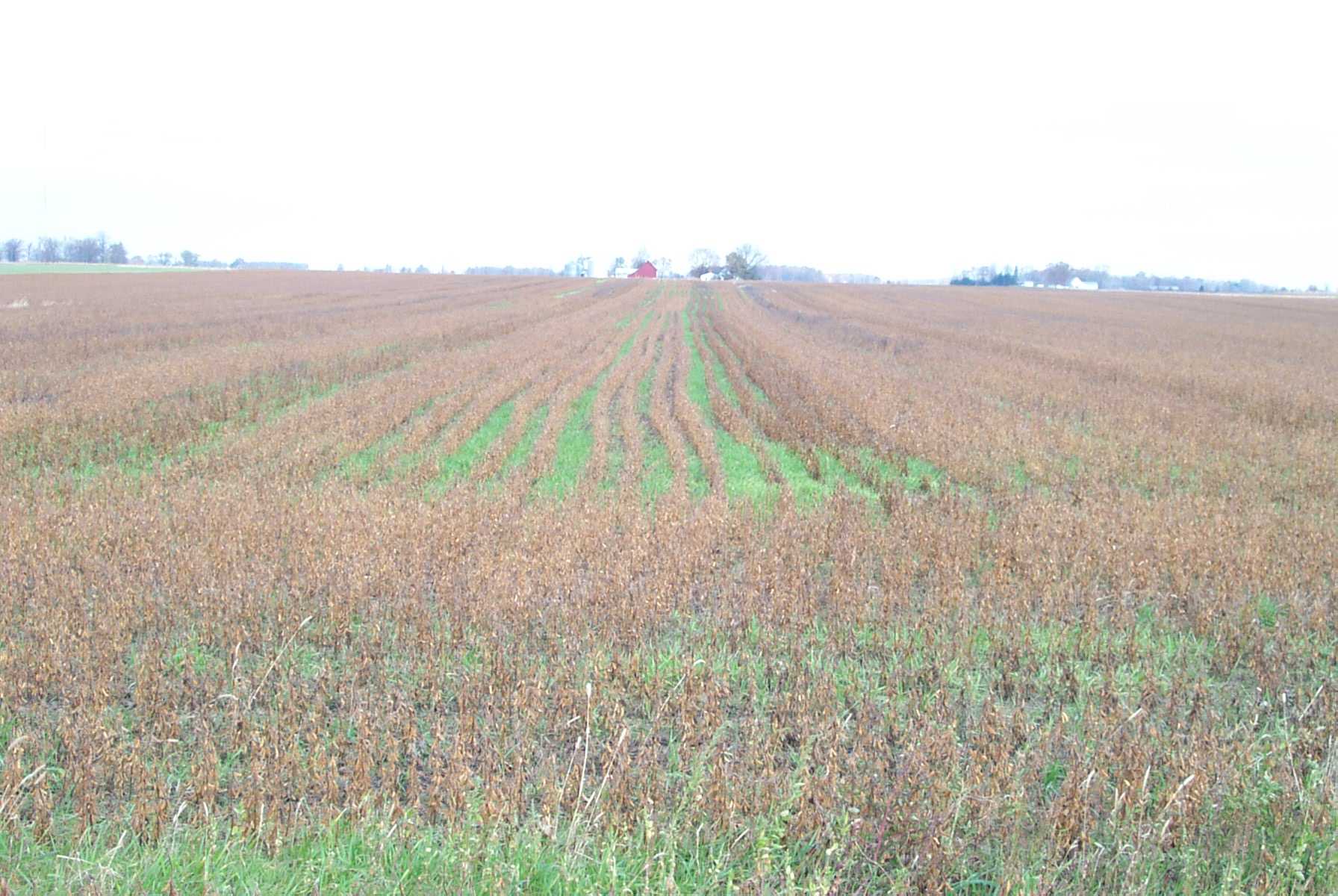
[A soybean field in Boone County, Indiana, a crop whose rhizobia partnerships reduce fertilizer needs.] Photograph: Wikimedia Commons contributor
Image Credits: Wikimedia Commons
The pink-nodule test
Gardeners can check the partnership with a pocketknife. Biological nitrogen fixation in cowpea starts after seedling roots encounter rhizobium bacteria and form a nodule, and a pink or red color inside the nodule strongly indicates successful nitrogen-fixing activity, while green indicates little to no activity, per the UF/IFAS publication. The pink comes from leghemoglobin, a pigment that manages oxygen inside the nodule.
White or green nodules mean the bacteria are present but idle. That can happen when the wrong bacterial strain colonized the roots, when soil conditions are poor, or when excess nitrogen fertilizer has suppressed the system. The USDA guide notes that fixation can be reduced by excessive nitrogen applications, generally over 20 pounds per acre, because the legume will simply use the free soil nitrogen instead of feeding its bacterial partners.
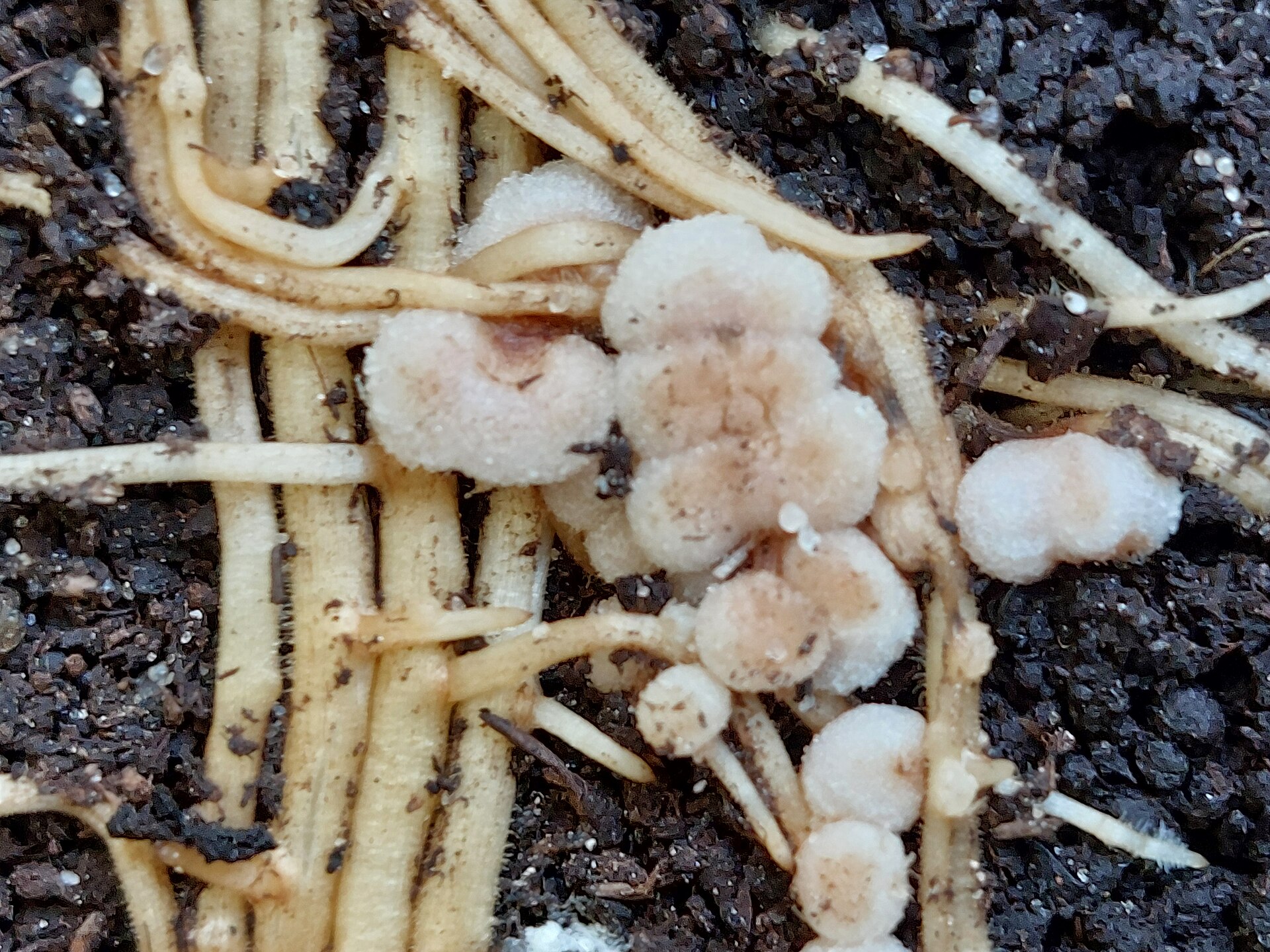
[Broad bean roots with nodules where nitrogen-fixing bacteria live.] Photograph: Josef Schlaghecken, via Wikimedia Commons
Image Credits: Wikimedia Commons
Using legumes as green manure
The practical move for gardeners is the cover crop. Sow clover, field peas, or vetch in a bed that would otherwise sit empty, let the plants grow, then cut them down and turn the foliage into the soil before planting vegetables. The decomposing biomass releases its stored nitrogen slowly, feeding the next crop over months rather than all at once.
Soil conditions matter. Fixation slows under drought, extreme heat, very low soil pH, and weed competition that shades the legumes, according to the USDA guide. And patience is required: it takes roughly a month after seedling emergence for nodules to form and begin fixing nitrogen, so a cover crop needs a real growing window to earn its keep.
Note that the nitrogen mainly benefits the next planting, not companion plants in the same season. A tomato growing beside a bean plant does not get a meaningful nitrogen drip while both are alive.
The payoff comes after the legume is chopped and its biomass breaks down. Plan rotations around that lag, the same way you would time what to plant in autumn for spring flowers around a seasonal window.
FAQ
Do all legumes fix nitrogen?
All legumes can form the symbiosis, but fixation only happens with the right rhizobia strain in the nodules and favorable conditions. Peas, beans, clover, alfalfa, soybeans, lentils, and lupins are all nitrogen fixers when nodulated.
Do I need to buy inoculant for my garden?
If your soil has never grown legumes, inoculant is a cheap insurance policy. In soils with an established rhizobia population from past legume plantings, native bacteria often suffice. A failed pink-nodule test is the sign to inoculate next time.
Will nitrogen fertilizer hurt my beans?
It will not hurt them, but excess nitrogen reduces fixation because the legume preferentially uses available soil nitrogen before fixing atmospheric nitrogen. Nodule formation is progressively inhibited as soil nitrate rises above about 35 pounds per acre, according to Agriculture Canada research summarized by garlic seed growers.
How long does the nitrogen stay in the soil?
The nitrogen in decomposing legume biomass converts to plant-available forms over several months. It is a slow-release amendment, not an instant dose, which is why cover crops are turned in ahead of the next planting.
The bottom line
Legumes put nitrogen into the soil by feeding rhizobia bacteria in their root nodules, trading plant sugars for ammonia made by the nitrogenase enzyme. Dig up a plant, split a nodule, and pink means the deal is on. Plant legumes as cover crops, turn them under, and the next crop inherits 70 to 100 pounds per acre of free nitrogen.
Tags: legumes, nitrogen fixation, soil health, gardening
The Rive News research desk writes practical gardening explainers, drawing on university extension services and horticultural guides.
Related
- What to plant in autumn for spring flowers: bulbs, depths and timing
- Why orchid flowers fall off after bringing them home
- Why Do Zucchini Plants Make Flowers but No Fruit?
Get one practical gardening explainer in your inbox each week. Subscribe to the Rive News newsletter.
Standards: Every factual claim in this article traces to a cited public source. Corrections: contact the Rive News research desk.
Related stories
What Is Companion Planting and Does It Work?
Marigolds work as a nematode cover crop, but the basil flavor claim failed repeated tests. An honest evidence review of what companion
Determinate vs. indeterminate tomatoes: growth, pruning, and harvest differences
Determinate tomatoes grow to a set size and ripen all at once, while indeterminate types vine all season. That one difference shapes
How to improve clay soil for gardening
Gypsum will not fix ordinary clay soil, say extension experts. What actually works: 2 to 3 inches of compost, mulch, better drainage,