
Why Do Zucchini Plants Make Flowers but No Fruit?
Key takeaways
- Zucchini plants grow separate male and female flowers, and fruit forms only when pollen reaches a female flower.
- The most common causes are male-only early blooms, missing pollinators, and heat above about 90°F.
- Hand-pollinating in the morning usually confirms the problem and produces fruit within days.
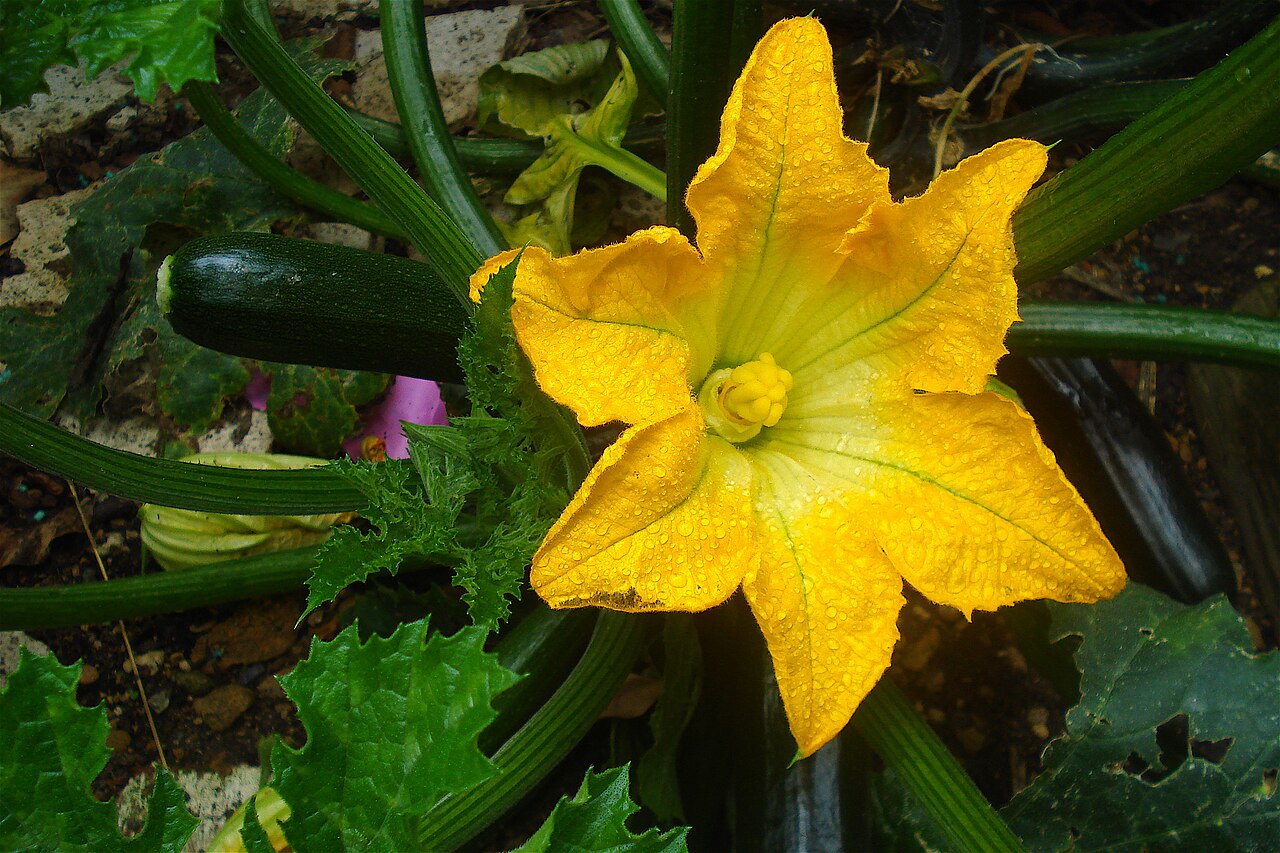
A zucchini plant covered in flowers but holding no fruit is one of the most frustrating sights in a summer garden. The plant looks healthy. The blooms are big and bright.
Yet nothing swells into a zucchini.
The explanation is usually pollination. Zucchini plants grow two kinds of flowers, and fruit forms only when pollen moves from a male flower to a female flower. When that transfer fails, the small fruit behind the female flower yellows, shrivels, and drops off.
This article explains how zucchini flowers work, including the five most common reasons fruit fails to set, how to hand-pollinate, and how to build a garden that pollinates itself.
Two kinds of flowers on one plant
Zucchini is monoecious, which means each plant carries separate male and female flowers. The two types look similar at a glance, but one detail tells them apart.
Male flowers sit on a plain, thin, straight stem with nothing behind the petals. Inside, a single stamen carries powdery yellow pollen. Touch the anther gently and yellow powder should come off on a fingertip.
Female flowers sit on a slightly thicker stem with a swollen ovary at the base. That swelling looks like a miniature zucchini, usually 1 to 2 inches long. Inside the petals sits a branched, multi-lobed stigma that must receive pollen for fruit to form.
That tiny fruit behind the female flower is unfertilized. If pollination succeeds, it swells within a few days. If pollination fails, it turns yellow, softens, and drops.
Gardeners often mistake that dropped fruit for disease or rot. In most cases, it is simply a flower that never got pollinated.
Timing adds another wrinkle. Both flower types open for only a few hours in the morning, typically from around 6 AM until roughly noon. In summer heat, they close even earlier.
A female flower that has closed by mid-morning is no longer receptive to pollen. Hand-pollinating in the afternoon does not work, because the stigma has already shut down for the day.
Reason 1: only male flowers so far
The most common early-season pattern is a plant that makes nothing but male flowers. This is normal, and patience is the fix.
Zucchini plants almost always produce male flowers first, typically one to two weeks before female flowers appear. The plant is building its pollen supply before it commits energy to fruit. Blooming Expert notes that gardeners sometimes pull up a plant in frustration because it only produces male flowers, when female flowers were just days away.
The check is simple. Look behind the petals. If every flower sits on a plain stem with no swelling, the plant has not started making female flowers yet.
Keep watering, keep the plant healthy, and wait. Female flowers usually follow within one to two weeks.
Reason 2: pollinators are not visiting
When both flower types are open and fruit still fails, missing pollinators are the usual cause. Bees do most of the work, and several things can keep them away.
Urban gardens may simply have few bees. Cool, wet weather keeps bees inactive during the short morning window when flowers are open. Insecticide sprays during bloom can kill or repel the very insects the plant needs.
A garden surrounded by lawn, with few other flowering plants, offers bees little reason to visit.
The specialist pollinator for zucchini is the squash bee, Peponapis pruinosa. Blooming Expert reports that squash bees begin foraging at sunrise, often finishing most of a morning's pollination before honey bees become active.
Reason 3: heat sterilizes the pollen
Heat can defeat pollination even when bees are busy. Once daytime temperatures climb above roughly 90°F (32°C), zucchini pollen becomes sterile. It will not germinate on the stigma even when transferred correctly, whether by bee or by hand.
Greenway Biotech puts the same threshold in plain terms: fruit set typically declines once daytime highs pass about 90°F or nighttime lows stay above about 75°F (24°C). Blooming Expert adds that high temperatures disrupt pollen tube formation, so even a well-pollinated flower can fail in a heat wave. The same heat pressure shapes other warm-season crops, including peppers that fail to ripen before frost when nights turn cold at the other end of the season.
Reason 4: watering swings and hungry soil
Uneven water causes young fruit to abort. Overwatering saturates soil, starves roots of oxygen, and invites root rot. Underwatering causes wilting, flower drop, and aborted fruit.
Greenway Biotech recommends deep, consistent watering, letting the top inch of soil dry out before watering again, and mulching to buffer swings.
Nutrition matters too, and nitrogen is the usual culprit. Excess nitrogen grows lush, leafy vines at the expense of flowering and fruit set. A plant with huge leaves and almost no flowers may be overfed.
Once plants are flowering, the balance should shift toward higher potassium and available phosphate rather than more nitrogen.
A soil test settles the question. Guessing at fertilizer often makes the problem worse, especially when the real issue is pollination or heat. Test first, then feed to the result.
If the soil is already rich in nitrogen, stop adding high-nitrogen fertilizer and let the plant shift toward fruiting.
Pests and disease also drain a plant. Squash bugs, squash vine borers, powdery mildew, and bacterial wilt all divert energy away from fruit. Scout leaf undersides and stem bases regularly, and deal with problems early using pollinator-safe controls.
A healthy, unstressed plant holds its fruit far better than a struggling one.
How to hand-pollinate zucchini
Hand-pollination is the fastest way to confirm that pollination is the problem, and it produces fruit while the gardener fixes the underlying cause. It takes about two minutes per flower and works reliably when done at the right time of day.
Work between 6 AM and 10 AM, while flowers are open and pollen is fresh. Find an open male flower and an open female flower on the same morning. The male sits on a plain stem, and the female has a small fruit at its base.
Two techniques work. With a paintbrush or cotton swab, dab the tip into the male anther until it carries visible yellow pollen, then transfer it to the female stigma, dabbing all lobes of the branched structure.
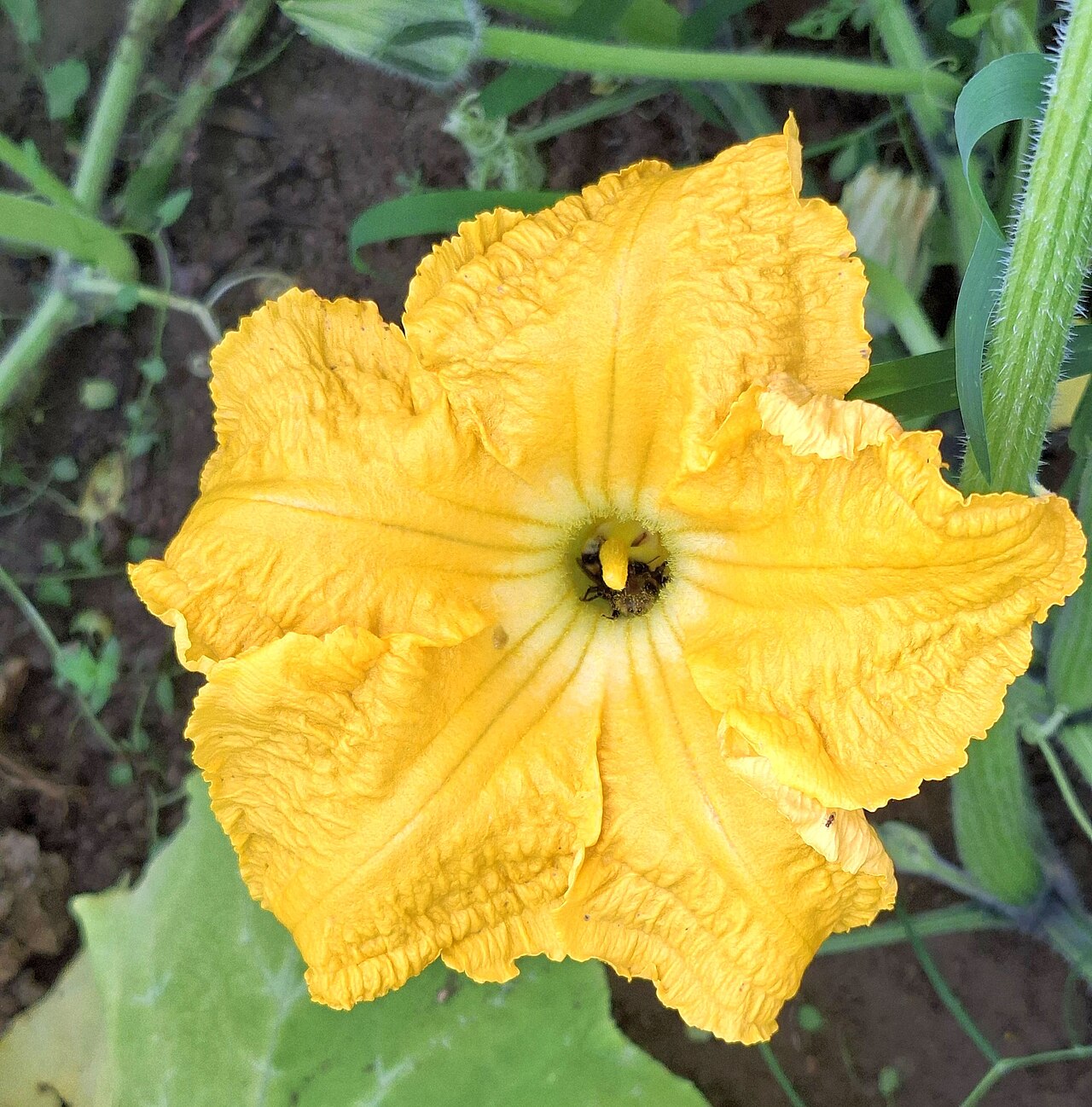
With direct transfer, snap off the male flower, peel back its petals, and press the anther against all lobes of the female stigma for five to ten seconds.
Cover every lobe. Each stigma lobe connects to a different section of the ovary. If only some lobes receive pollen, seeds develop in those sections only, and the fruit can grow lumpy or deformed.
Full coverage produces straight, uniform zucchini. One male flower can pollinate up to three female flowers in a single morning.
Check back in 48 hours. A successfully pollinated female zucchini begins visibly swelling at the base within 24 to 48 hours. If the small fruit yellows and drops in that window, try again on the next open female.
If daytime temperatures are above 90°F, pollen may be sterile, and hand-pollination will fail until the heat eases.
Building a garden that pollinates itself
Hand-pollination solves this week's problem. A garden designed for pollinators solves every week after it.
Protect the squash bees already in the soil. Avoid deep rototilling in the zucchini bed, since tilling below 6 inches destroys underground nest cells. Leave some bare soil patches at bed edges where ground-nesting bees can dig.
If insecticide is truly needed, apply it after noon, when squash flowers have closed and squash bees have stopped foraging.
Grow flowers near the vegetables. A bed of zinnias or borage beside the zucchini gives bees a reason to visit daily. Flowering herbs allowed to bolt add more forage.
The goal is a garden where bees arrive for the flowers and stay for the zucchini.
Time planting to the weather. Aim for flowering during warm but not extreme conditions. Planting too early pushes seedlings into cold soil, while planting too late pushes flowering into mid-summer heat.
The local average last-frost date is the anchor for planning. Gardeners who track seasonal timing, the way they learn how to tell when garlic is ready to harvest by reading the leaves, get better results from the same plants.
Frequently asked questions
Why does my zucchini flower but never make fruit?
Poor pollination is the most common reason. Zucchini has separate male and female flowers, and fruit forms only when pollen reaches a female flower's stigma. Early male-only blooms, few pollinators, and heat can all prevent fruit set.
How do I tell male flowers from female flowers?
Male flowers sit on a plain, thin stem. Female flowers have a tiny zucchini-shaped swelling at the base, behind the petals. That swelling is the unfertilized fruit, which grows only if pollination succeeds.
My tiny zucchini starts growing, then rots and falls off. Why?
A tiny fruit that yellows, softens, and drops is usually an unpollinated female flower rather than a disease. Without pollination, the immature fruit cannot develop, so the plant aborts it. Hand-pollinate the next open female in the morning.
Can I hand-pollinate without a paintbrush?
Yes. Pick a male flower, peel back the petals, and touch the pollen-coated anther directly to the center of the female flower. A cotton swab or even a fingertip also works.
What temperature is too hot for zucchini to set fruit?
Fruit set typically declines above roughly 90°F (32°C) in the day or 75°F (24°C) at night. Shade cloth during heat waves and planting timed to avoid peak heat both help.
The bottom line
Zucchini plants make flowers without fruit when pollination fails, and the usual causes are male-only early blooms, missing bees, heat above 90°F, uneven water, or excess nitrogen. The diagnostic step is simple: look behind the petals, check whether female flowers are present, and hand-pollinate in the morning. Gardeners who protect squash bees, plant companion flowers, and water evenly will find the plant does most of the work itself, season after season, much as marigolds planted with vegetables support the wider garden without extra effort.
Topics: zucchini, pollination, squash, vegetable garden, flowers
Latest in Gardening
- Why Do Peppers Fail to Ripen Before Frost Hits?
- Why Do Apple Trees Fruit Heavily Only Every Other Year?
- How Do You Know When Garlic Is Ready to Harvest?
- Why Do Potatoes Need Hilling as They Grow?
Subscribe for weekly garden guides and seasonal growing tips from the Rive News research desk.
Related stories

What Is Companion Planting and Does It Work?
Marigolds work as a nematode cover crop, but the basil flavor claim failed repeated tests. An honest evidence review of what companion

Determinate vs. indeterminate tomatoes: growth, pruning, and harvest differences
Determinate tomatoes grow to a set size and ripen all at once, while indeterminate types vine all season. That one difference shapes

How to improve clay soil for gardening
Gypsum will not fix ordinary clay soil, say extension experts. What actually works: 2 to 3 inches of compost, mulch, better drainage,