
Why Do Apple Trees Fruit Heavily Only Every Other Year?
Key takeaways
- A heavy apple crop uses up the energy the tree needs to form flower buds for the next year.
- Flower buds for next year form during the current season, so thinning fruit early prevents a light year.
- Thin apples to one fruit per cluster within six weeks of full bloom, spaced 8 to 10 inches apart.
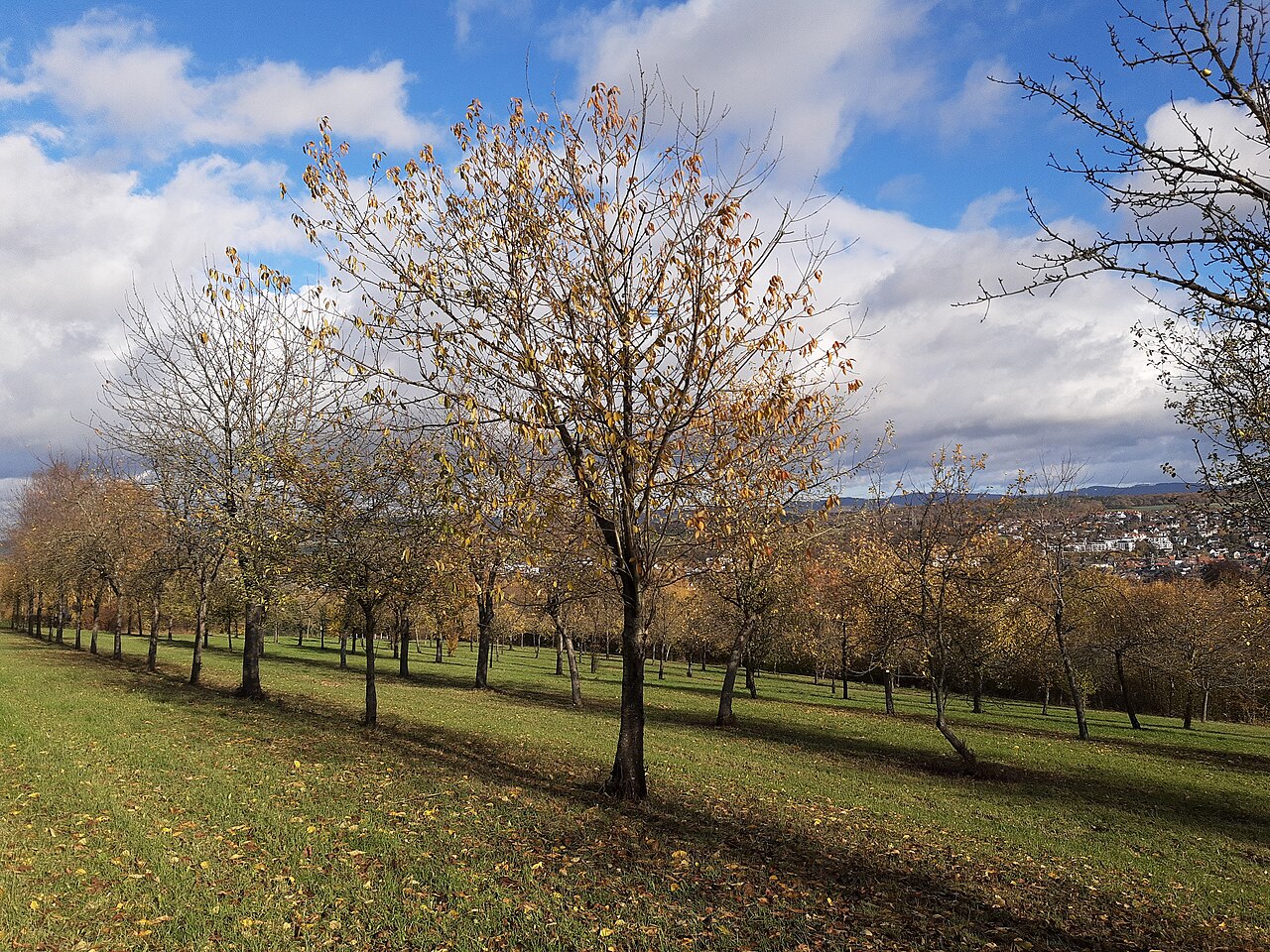
An apple tree that bursts with fruit one year and stands nearly empty the next is not broken. It is following a pattern called alternate bearing, or biennial bearing. The heavy year causes the light year, and the light year sets up the next heavy year.
The pattern frustrates home gardeners because it feels random. It is not. It follows from one fact about how apple trees work: the flower buds for next year's crop form during the current season, while this year's fruit is still on the tree.
This article explains why apple trees alternate, including the energy trade-off behind it, the triggers that make it worse, and the thinning routine that breaks the cycle.
What biennial bearing looks like
Alternate bearing means a tree produces a heavy crop one year and very little the next. The typical pattern runs in two-year cycles, though some trees have an excessive crop one year and then very little for the next two years.
The heavy year is easy to spot. Branches sag under clusters of apples. Fruit stays small because the tree is feeding too many apples at once.
Limbs can even break under the load.
The light year is quieter. The tree leafs out normally, but few flowers open in spring. A gardener may assume frost killed the bloom or pollinators failed to show up.
In truth, the tree simply made few flower buds the previous summer, while it was busy ripening a huge crop.
The cycle then feeds itself. In the light year, the tree carries almost no fruit, so it has plenty of energy left to form flower buds. The next spring brings an enormous bloom, a huge fruit set, and another heavy year.
Without intervention, the rhythm can continue for years.
Apples are among the most prone fruit trees to alternate bearing. Iowa State University Extension notes that alternate bearing occurs in almost all tree fruits, but apples show it more strongly than most. Pears, plums, and other fruit trees can alternate too, though often less severely.
Why a heavy crop steals next year's flowers
The core mechanism is a competition for energy inside the tree. Flower buds for next year are initiated during the development of the current season's crop. When a tree carries a large fruit crop, most of its energy goes into fruit development, and little remains for flower initiation.
The University of Saskatchewan's gardening program describes the trade-off plainly. If a tree blooms profusely and sets a lot of fruit one year, its energy goes into fruit production instead of forming buds for the following year. The result is a small number of flowers and fruit when the tree was preceded by a heavy crop.
Seeds add a hormonal push in the same direction. Developing seeds produce gibberellin hormones that suppress flower bud formation nearby. A cluster full of seeded fruit sends a strong chemical signal to the tree: do not make flower buds here.
Thinning fruit early removes both the energy drain and much of that hormonal signal.
Timing matters because flower bud initiation happens on a schedule. If thinning comes too late, the tree has already missed its window to form buds for next year. That is why every extension source stresses early thinning.
Removing fruit in midsummer improves fruit size that year, but it may not rescue next year's bloom.
Triggers that make alternate bearing worse
Some trees alternate because of variety. Certain apple varieties have a strong natural tendency toward biennial bearing, while others fruit evenly year after year. When planting a new tree, choosing a variety without a strong alternate-bearing habit is the simplest prevention.
Nursery catalogs and local extension lists often note which varieties alternate.
Weather can start or deepen the cycle. A severe early frost can wipe out a bloom, leaving the tree with no fruit and a huge bud set for the following year. That bumper year then triggers a light year.
A late frost in a heavy-bloom year can do the opposite, thinning the crop by accident and resetting the cycle.
Tree care also plays a role. The University of Saskatchewan lists excessive fertilizing, excessive pruning, lack of pollinating insects, and damage to the tree as factors that can trigger or worsen alternate bearing. Heavy nitrogen fertilizer pushes leafy growth at the expense of fruit bud formation.
Thinning fruit: the fix that breaks the cycle
Fruit thinning is the main tool against alternate bearing, and it works best in the heavy year. The idea is to remove enough young fruit early so the tree keeps energy in reserve for flower buds.
The University of Saskatchewan recommends thinning immature fruit to one fruit per cluster every 15 to 25 centimeters (6 to 10 inches) along the branch. Keep the largest fruit per cluster unless it is damaged. Do this within 2 to 4 weeks after blooming, because timing is critical.
Thinning later than 4 weeks after blooming may not improve next year's crop.
Iowa State University Extension gives a similar window with slightly more room: hand thinning of apples should be done within 6 weeks of full bloom. After thinning, apples should sit about 8 to 10 inches apart on the branches. The University of Delaware's extension update agrees, advising hand thinning within six weeks of full bloom, leaving the largest apple in a cluster, and spacing fruit 8 to 10 inches apart.
The practical routine is straightforward. Wait until after natural fruit drop, when the tree sheds some fruitlets on its own.
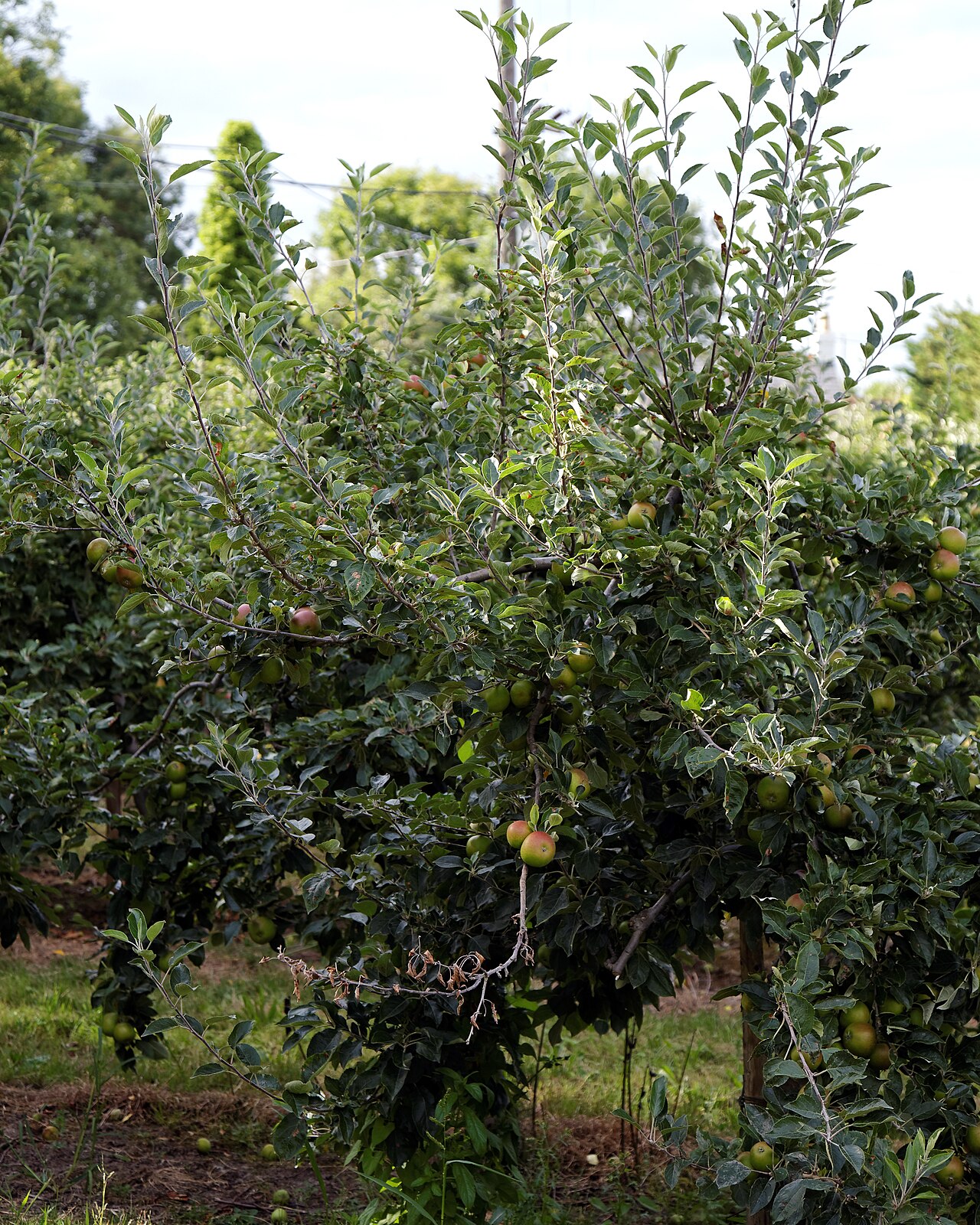
Then walk the tree with a small pair of snips or by hand. In each cluster, keep the single largest healthy fruit and remove the rest. Space the remaining fruit along the branch so they are not crowded.
Thinning feels wasteful the first time. A gardener removes hundreds of small apples that could have grown. But the payoff comes twice: the remaining apples grow larger and better quality that year, and the tree forms enough flower buds for a real crop next year.
Thinning also prevents limbs from breaking under a heavy fruit load, which the University of Saskatchewan lists as a direct benefit.
For home gardeners, hand thinning is the realistic method. Commercial orchards often use chemical thinners during bloom, followed by hand thinning if fruit loads remain too high. Home growers do not need chemicals.
Hand thinning within the six-week window does the job.
What to do in a light year
A light year calls for restraint, not rescue. The tree is not sick, and heavy feeding or hard pruning will not force fruit that was never budded. The best move is steady care: water during dry spells, keep mulch in place, and protect foliage from pests and disease.
Do not over-prune in a light year. Excessive pruning removes the wood that carries next year's fruiting spurs and can push the tree into leafy regrowth instead of fruit buds. Light corrective pruning is fine.
Renovation pruning on a neglected tree should be spread over several seasons, not done all at once.
Resist the urge to over-fertilize. A light year is not a sign the tree is starving. Excess nitrogen can make alternate bearing worse by favoring leaf growth over bud formation.
A soil test before fertilizing is wiser than a heavy dose of fertilizer on a hunch.
Use the light year to plan. Note which branches carried fruit and which did not. Check the variety's reputation for alternate bearing.
The same steady observation pays off elsewhere, such as when potatoes need hilling as they grow and the gardener must judge timing by the plant, not the calendar.
Choosing varieties and setting expectations
The longest-lasting fix is planting varieties that bear evenly. When buying a new apple tree, ask the nursery about biennial bearing tendency.
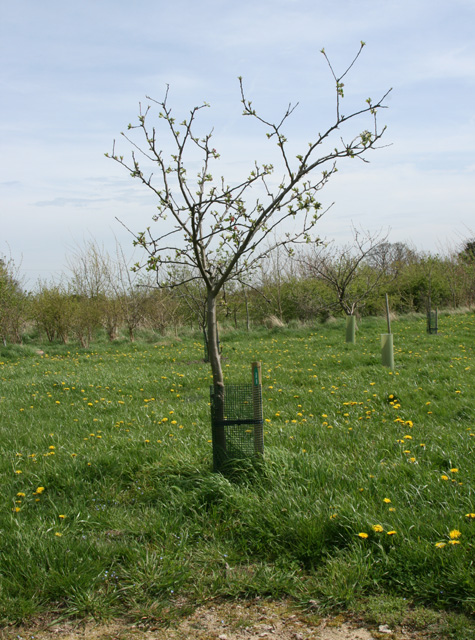
Local extension services often publish variety lists for the region, and those lists are more useful than generic catalog descriptions because they reflect local climate.
Pollination matters too. Apples need cross-pollination from a different variety blooming at the same time. A tree with poor pollination sets a light crop, then rebounds with a heavy one, which can mimic or worsen alternate bearing.
Planting two compatible varieties, or grafting a pollinator branch onto an existing tree, steadies fruit set.
Gardeners with an established alternating tree can still break the cycle. Thin hard in the next heavy year, within the six-week window. The following year should improve, and steady annual thinning keeps the tree on an even footing.
Frequently asked questions
Do apple trees produce fruit every year?
Many do, but some varieties fall into alternate bearing, producing a heavy crop one year and very little the next. Thinning fruit in heavy years and choosing even-bearing varieties help keep production steady.
When should I thin apples?
Thin within 2 to 6 weeks after blooming, and no later than 6 weeks after full bloom. Earlier is better for next year's flower buds. Keep the largest fruit per cluster unless it is damaged.
How far apart should apples be after thinning?
Space remaining apples about 8 to 10 inches apart along the branch, with one fruit per cluster. Pears, apricots, and peaches need similar spacing, while plums generally thin themselves.
Can pruning fix alternate bearing?
Pruning alone does not fix it, and excessive pruning can make it worse. Light annual pruning plus early fruit thinning is the combination that works. Spread heavy renovation pruning over several seasons.
Will fertilizer stop alternate bearing?
No. Excessive fertilizer, especially nitrogen, can worsen alternate bearing by pushing leafy growth. Feed based on a soil test, and rely on thinning rather than fertilizer to even out crops.
The bottom line
Apple trees fruit heavily only every other year because a big crop consumes the energy and hormonal signals the tree needs to form next year's flower buds. The fix is thinning: one fruit per cluster, 8 to 10 inches apart, within six weeks of full bloom. Gardeners who thin in the heavy year get larger apples that season and a real crop the next one.
The same habit of acting early, rather than waiting for the problem to fix itself, steadies other crops too, from zucchini plants that make flowers but no fruit to peppers that fail to ripen before frost.
Topics: apple trees, biennial bearing, fruit thinning, orchard, pruning
Latest in Gardening
- Why Do Peppers Fail to Ripen Before Frost Hits?
- Why Do Zucchini Plants Make Flowers but No Fruit?
- How Do You Know When Garlic Is Ready to Harvest?
- Why Do Potatoes Need Hilling as They Grow?
Subscribe for weekly garden guides and seasonal growing tips from the Rive News research desk.
Related stories

What Is Companion Planting and Does It Work?
Marigolds work as a nematode cover crop, but the basil flavor claim failed repeated tests. An honest evidence review of what companion

Determinate vs. indeterminate tomatoes: growth, pruning, and harvest differences
Determinate tomatoes grow to a set size and ripen all at once, while indeterminate types vine all season. That one difference shapes

How to improve clay soil for gardening
Gypsum will not fix ordinary clay soil, say extension experts. What actually works: 2 to 3 inches of compost, mulch, better drainage,