
Why Do Peppers Fail to Ripen Before Frost Hits?
Key takeaways
- Peppers ripen slowly because they need sustained warmth, and color change can take weeks after fruit reaches full size.
- Peppers are non-climacteric, so they do not ripen fully once picked the way tomatoes do.
- Harvest full-size peppers before frost, since cold nights below about 45°F can cause chilling injury.
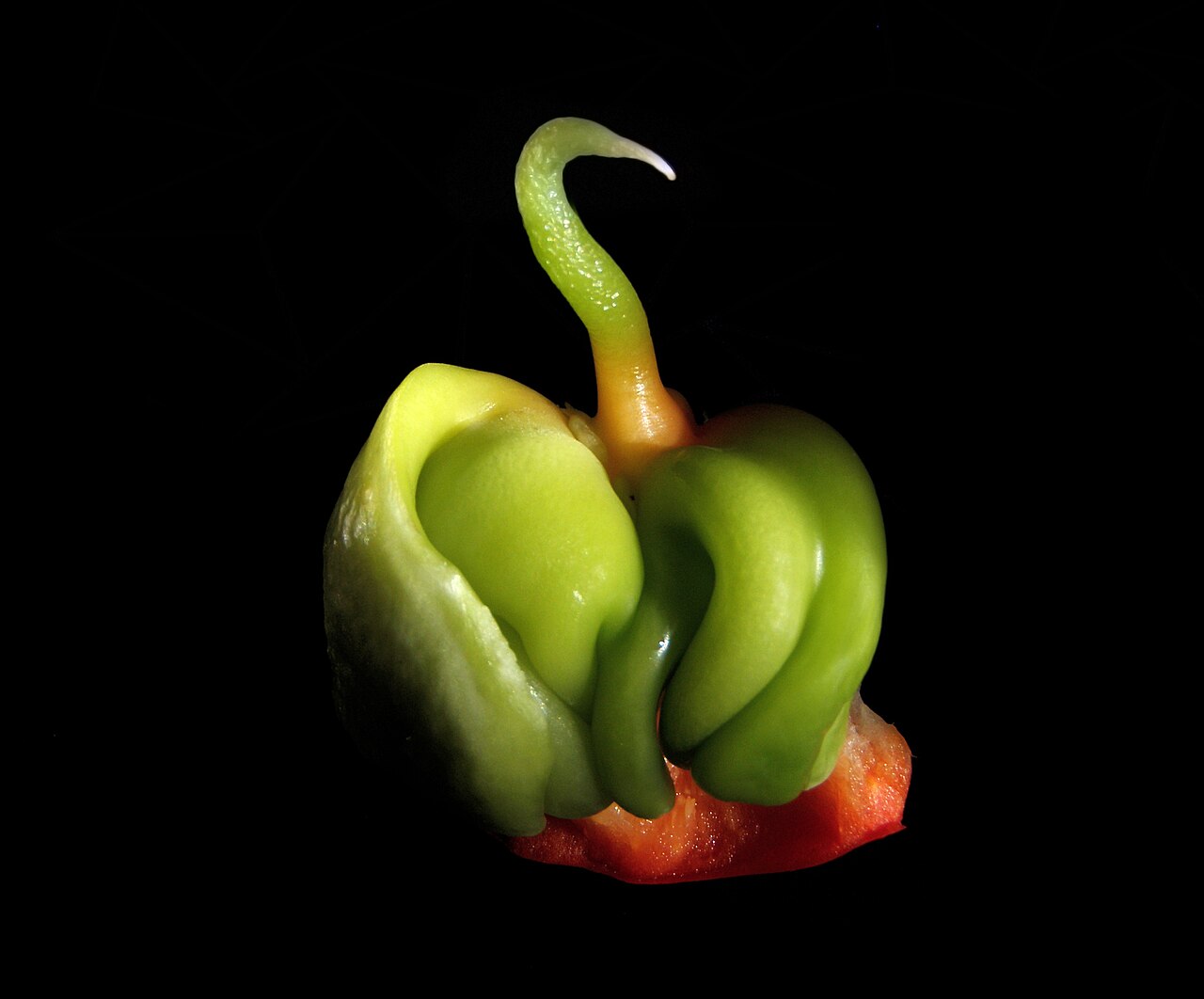
Peppers fail to ripen before frost for a simple reason. They are warm-season fruit that need steady heat to finish the job, and autumn nights cool down faster than the fruit can change color.
Every pepper starts green. A bell pepper that ends up red, yellow, or orange passes through green first, and the shift can take several weeks even after the fruit has reached full size. When fall arrives, shorter days and colder nights slow that process to a crawl.
Frost then ends the season before the color change finishes.
This article explains why peppers ripen slowly, including the cold thresholds that matter, the science that separates peppers from tomatoes, and how to save the crop before frost.
Why peppers change color slowly
Color change in peppers is a slow chemical process. Green chloroplasts in the fruit convert to colored pigments, cell walls soften, and sugars build up. All of that runs on warmth.
Gardening Know How notes that peppers need warm days and nights to ripen, and that changing color may take several weeks even after peppers reach full size. Ripening also slows as fall approaches and temperatures begin to drop. That matches what many gardeners see: a plant loaded with full-size green peppers in September that barely moves by October.
Heat helps only up to a point. The same source notes that excessive heat above 95°F (35°C) or cold below 55°F (13°C) stresses pepper plants, and warm nights above 75°F (24°C) can cause fruit to drop. Peppers want a warm middle range, not extremes in either direction.
Late-season fruit faces a second problem. Flowers that open in late summer may set fruit that never gets enough warm days to mature. Each new flower is a promise the season may not keep.
That is why experienced gardeners stop chasing new fruit as frost approaches and focus on what is already on the plant.
Cold nights and the harvest thresholds
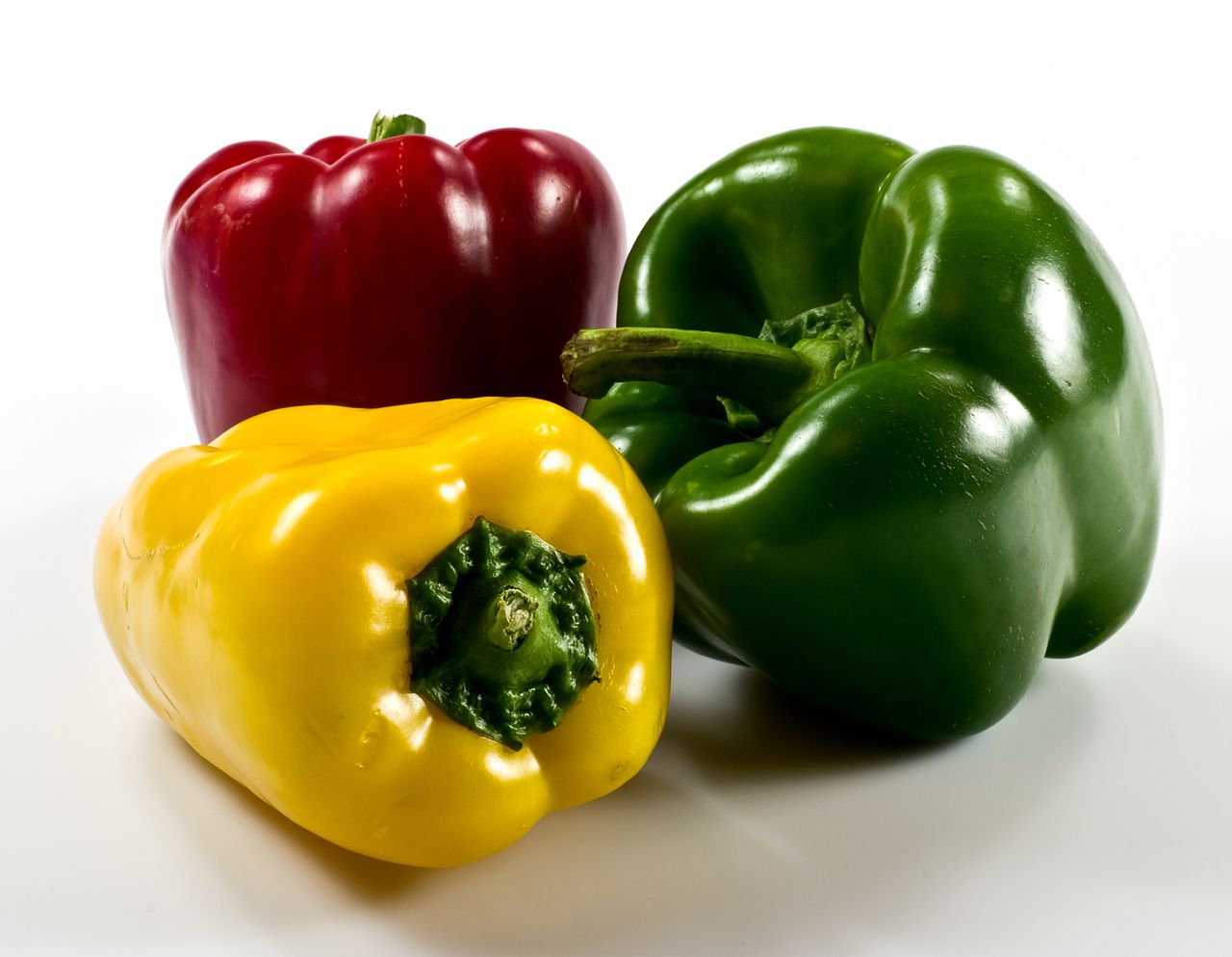
Night temperatures are the best early warning for pepper growers. Harvest to Table lays out a practical set of thresholds for warm-season crops, and peppers sit near the sensitive end of the list.
When nights are around 60°F, gardeners should start planning the final harvest. Peppers may ripen very slowly at that point, and fruit at usable size is worth picking. Green bell peppers can be eaten before they turn red, yellow, or orange, so a full-size green pepper is already a useful harvest.
When nights fall to around 50°F, the advice shifts to picking full-size peppers, especially those beginning to change color. The plant is running out of warm nights, and fruit left outside gains little from waiting.
At around 45°F nights, Harvest to Table advises finishing the harvest of fruit that is ready to eat. Peppers are susceptible to chilling injury below about 45°F during storage. Repeated cold nights can damage fruit quality even without a visible frost.
Before frost arrives, the rule is simple: harvest all usable peppers. Frost can turn pepper fruit soft and useless. A single frosty night can end the season for every pepper still on the plant.
Why peppers do not ripen like tomatoes
Many gardeners expect peppers to behave like tomatoes. They do not. Tomatoes are climacteric fruit, which means they keep ripening after harvest.
Peppers are non-climacteric, which means most of the ripening has to happen on the plant.
Researchers at the Max Planck Institute of Molecular Plant Physiology compared tomatoes with habanero chili peppers to find out why. In tomatoes, the plant hormone ethylene triggers a surge of ripening activity after harvest. In peppers, the researchers found that ethylene had no such effect on gene expression or metabolism in the fruit.
Group leader Alisdair Fernie summed it up by saying ethylene appeared to have no influence on the peppers they studied.
That finding explains a common disappointment. A green pepper picked early may change color on the counter, but that color shift is not the same as full ripening. Harvest to Table warns that peppers will not continue developing normally once picked.
Color may change after harvest, but color change is not proof that sweetness and flavor will fully develop.
This matters for fall decisions. With tomatoes, picking mature green fruit before frost is a solid rescue plan. With peppers, the rescue is weaker.
A pepper picked at full size may color up, yet it may never taste like a pepper that ripened on a warm plant.
What frost and chilling actually do
Frost damages pepper fruit directly. Ice crystals rupture cells, and thawed fruit turns soft, watery, and quick to decay. Frozen peppers are not worth saving.
Chilling injury is quieter. It happens above freezing, at temperatures that feel merely cold to a person. Harvest to Table puts the pepper chilling threshold at about 45°F during storage.
Fruit exposed to repeated cold nights can lose texture and flavor even if it looks fine at first glance.
The plant itself is also tender. By the time nights sit in the 40s, the plant is mostly holding on, not producing.
How to get more peppers ripe before frost
Gardeners cannot control the weather, but they can tilt the odds. The most useful moves happen weeks before the first frost, not the night before.
Start with variety choice. Short-season and early-ripening varieties finish faster than long-season types. Gardeners with short summers get more ripe peppers from varieties bred to mature quickly.
Seed packets usually list days to maturity, and that number is worth checking before planting.
Give plants a strong start. Peppers planted late or set out in cold soil start behind and stay behind. Warm soil, full sun, and steady water through summer build plants that set fruit early.
A plant that sets its first fruit in June has far more warm days to finish than one that starts in August.
About two weeks before the expected first frost, prune for ripening. Snip off new flowers and pinch back fresh top growth just above the peppers that are already forming. This tells the plant to put its remaining energy into ripening existing fruit instead of starting new fruit it cannot finish.
The move feels ruthless, but it is the single most useful late-season step.
Covering can buy a few extra days. Lightweight row cover or a blanket draped over plants on a cold night traps a little warmth. Covers help most against a light frost on an otherwise mild night.
They will not save peppers through a hard freeze, and they should come off during the day so plants get light and air.
Watering still matters in fall. Peppers prefer soil that dries a bit between waterings, and soggy soil in cool weather invites disease. Water at the base of the plant, keep leaves dry, and avoid soaking the bed right before a cold snap.
Similar timing pressure shows up in other crops, such as zucchini plants that make flowers but no fruit when heat or pollination fails at the wrong moment.
What to do with peppers picked green
Picking green peppers before frost is better than losing them. Full-size green peppers are edible, and many cooks use them exactly that way. Green bell peppers have a sharper, slightly bitter flavor compared with ripe red ones, and they work well in stir-fries, salads, and cooked dishes.
Some picked peppers will change color indoors. Gardening Know How suggests putting a picked pepper in a paper bag with a red apple, noting that color often develops in a couple of days. Apples release ethylene, which can nudge color change along in some fruit.
Keep expectations realistic. As Harvest to Table notes, color change after picking is not proof that sweetness and flavor fully developed. A pepper that colors up on the counter may look ripe while still tasting like a green pepper.
That is the non-climacteric trap: appearance improves faster than flavor.
Sort the harvest by ripeness. Eat or cook the peppers that are soft, damaged, or fully green first.

Let the ones showing a blush of color sit at room temperature for a few days to see if they deepen. Store peppers cool but not cold, and check them often, since a single decaying pepper can spoil its neighbors.
Gardeners who preserve the harvest have more options. Green peppers freeze well when diced, and they can be pickled, roasted, or cooked into sauces. Freezing stops the ripening question entirely and banks the harvest for winter cooking.
Timing a fall harvest well is a skill that carries across crops, much like learning how to tell when garlic is ready to harvest before its wrappers break down.
Frequently asked questions
Can peppers ripen after being picked?
Partly. A full-size pepper may change color indoors, especially near an ethylene source like an apple. But peppers are non-climacteric, so picked fruit does not fully ripen the way tomatoes do.
Sweetness and flavor may stay closer to the green stage.
How long does it take a pepper to turn red?
It can take several weeks after the fruit reaches full size. Warm days and nights speed the process, while cool fall weather slows it. Patience helps, but the calendar eventually runs out.
Will a light frost ruin peppers?
Yes, frost can ruin pepper fruit. Even one frosty night can leave peppers soft, shriveled, and useless. Harvest all usable peppers before frost is forecast rather than gambling on a mild night.
Should I pick all my peppers before the first frost?
Yes. Harvest every pepper at usable size before frost arrives. Full-size green peppers are edible, and some may color up indoors.
Fruit left outside through frost is usually lost.
Do green peppers taste different from red peppers?
Yes. Green peppers are sharper and slightly bitter. Ripe red, yellow, or orange peppers are sweeter and often have more vitamin C.
Both stages are edible, and the choice depends on the dish.
The bottom line
Peppers fail to ripen before frost because they need sustained warmth and plenty of time, and autumn supplies neither. They are non-climacteric fruit, so picking them early only partly helps. The practical answer is to choose early varieties, prune late flowers about two weeks before frost, watch night temperatures, and harvest all usable peppers before cold nights or frost arrive.
Gardeners who protect plants from cold the same way they use fallen leaves as mulch to shelter soil through winter will get more of the crop in before the season closes.
Topics: peppers, frost, ripening, vegetable garden, fall garden
Latest in Gardening
- Why Do Zucchini Plants Make Flowers but No Fruit?
- Why Do Apple Trees Fruit Heavily Only Every Other Year?
- How Do You Know When Garlic Is Ready to Harvest?
- Why Do Potatoes Need Hilling as They Grow?
Subscribe for weekly garden guides and seasonal growing tips from the Rive News research desk.
Related stories

What Is Companion Planting and Does It Work?
Marigolds work as a nematode cover crop, but the basil flavor claim failed repeated tests. An honest evidence review of what companion

Determinate vs. indeterminate tomatoes: growth, pruning, and harvest differences
Determinate tomatoes grow to a set size and ripen all at once, while indeterminate types vine all season. That one difference shapes

How to improve clay soil for gardening
Gypsum will not fix ordinary clay soil, say extension experts. What actually works: 2 to 3 inches of compost, mulch, better drainage,