
Why Do Fallen Leaves Make Good Mulch, but Not All Leaves?
Key takeaways
- Fallen leaves return nutrients to the soil, hold moisture, suppress weeds, and cost nothing.
- Black walnut leaves contain juglone, a compound toxic to tomatoes, peppers, and many other plants.
- Shred leaves before use, keep mulch off stems, and skip diseased, sprayed, or roadside leaves.
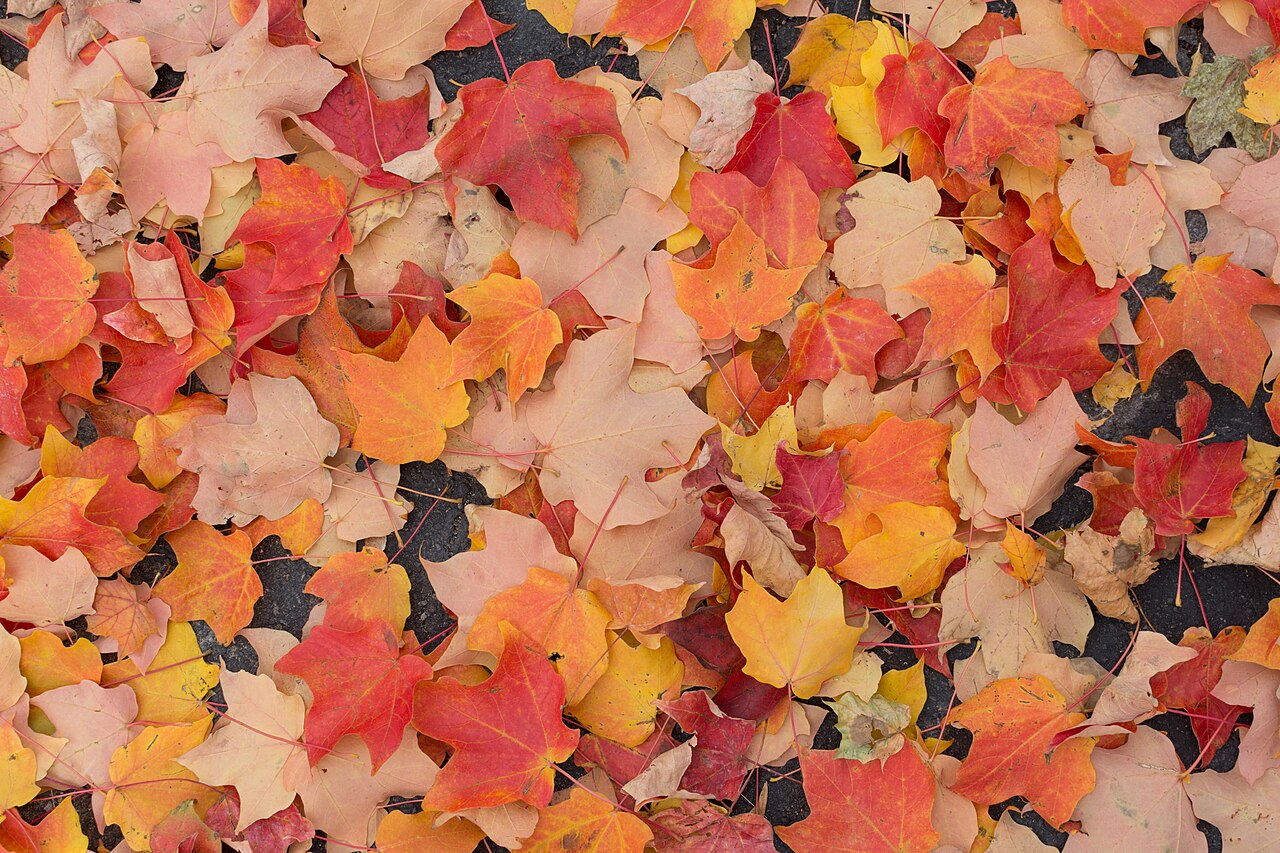
Every fall, trees drop a free soil amendment on your lawn. Fallen leaves work as mulch, the layer of material spread over soil to protect it and feed it. They keep moisture in, weeds down, and soil life active, and they break down into nutrients your plants can use.
Almost any leaf can serve as mulch, but a few types cause real problems. Black walnut leaves poison sensitive plants. Diseased leaves can carry infection into next year beds.
Leaves from roadsides may carry pollutants. Knowing which leaves to use, and how to prepare them, turns a fall chore into one of the best free inputs a garden gets.
This article explains why fallen leaves make good mulch, including which leaves work best, which leaves to avoid, how to shred and spread them, and how to turn leaves into leaf mold.
Why fallen leaves make good mulch
Leaves are the end product of a season of photosynthesis. A tree pulls nutrients from the soil all summer, builds leaves from them, and then drops those leaves back to the ground. Mulching with them returns a large share of those nutrients to the soil.
Off The Grid News reports that tree leaves absorb about 50 percent of the nutrients the tree gathers during the growing season, and using them as mulch returns those nutrients to the soil.
As leaves break down, they feed more than the plants. They encourage earthworms and microorganisms to work the soil. The result is lighter, looser soil that is easier to dig and better for roots.
Worms pull leaf fragments underground, which mixes organic matter into the top layer without any digging from you.
Leaf mulch also protects the soil surface. It slows evaporation, so beds stay moist longer between waterings. It buffers soil temperature, keeping roots cooler in heat and warmer in cold snaps.
It blocks light from weed seeds, which cuts germination. In winter, a leaf layer insulates tender perennials and young shrubs against frost and drying wind.
Leaf mulch helps soil structure in a way bagged bark mulch does not.
The best leaves for mulch
Most common deciduous leaves make good mulch. A few stand out for specific uses.
Maple leaves are the best all-purpose choice. They break down at a medium speed, with a neutral to slightly acidic pH, and suit vegetable beds and perennial gardens, according to Zoned Garden. They shred easily and form a mat that stays put without sealing the soil.
Oak leaves last longer. Their high tannin content slows decomposition, which makes them ideal long-lasting mulch for shrubs and trees. Zoned Garden gives their pH as 4.5 to 5.5, slightly acidic, which suits blueberries, rhododendrons, and azaleas.
Oak leaves are a good pick where you want mulch to persist through the season.
Beech and birch leaves are fine-textured and easy to shred. They decompose quickly and release nutrients fast, which suits vegetable gardens where a quick fertility boost matters. If you want mulch that feeds the bed this season rather than next, these are the leaves to use.
Elm and ash leaves carry a neutral pH and good nitrogen content, according to Zoned Garden. They break down in one season and improve soil structure. Hickory, sycamore, and poplar also make good mulch, while aspen leaves join the best group, according to Topsoil.
Mixed leaves beat a single species. Variety supports more diverse soil biology, because different leaves feed different microbes and fungi. If you rake a mixed pile from several trees, use it as is rather than sorting it.
The mix is a feature, not a problem.
The leaves to avoid
Black walnut is the one leaf to keep out of the garden. Black walnut leaves contain juglone, a compound toxic to tomatoes, peppers, apples, and many garden plants. Juglone persists in soil for 1 to 2 years after decomposition, according to Zoned Garden.
That persistence is what makes walnut leaves different from other problem leaves. The harm does not wash out with one rain.
Gardening Chores identifies juglone by its chemical name, 5-hydroxy-1,4-naphthoquinone, and cites Ohio State University research showing that juglone can persist in leaves, husks, and roots long after they fall, sometimes lingering in compost for a year or more. Juglone interferes with how plant roots breathe, which starves them of energy. Tomatoes, peppers, potatoes, hydrangeas, and azaleas may wilt, yellow, or collapse after exposure.
Some plants tolerate juglone, including corn, beans, onions, and most grasses, according to Zoned Garden. Even so, the safe move is to keep black walnut leaves out of vegetable beds and away from susceptible plants entirely. Bag them for municipal yard waste, or pile them far from edible beds.
Topsoil notes that composting walnut leaves separately for 2 or more years before use is an option, but skipping them is simpler and safer.
Diseased leaves belong in the trash, not the mulch pile. Leaves covered with mildew, rust, tar spot, or other fungal disease can carry the infection into next year beds, especially on edible plants. Healthy leaves only, for mulch.
Composting does not reliably kill every pathogen in a home pile.
How to turn fallen leaves into mulch
Preparation matters more than the leaf type. Whole leaves can mat into a dense layer that blocks water from reaching the soil. Shredding solves that problem and speeds decomposition, because smaller pieces give microbes more surface to work on.
Start with dry leaves when possible. Dry leaves shred more easily and are lighter to move. Tom's Guide recommends looking for maple, oak, and beech leaves, avoiding black walnut, and removing sticks and debris as you go.
The easiest shredding method is a lawn mower. Spread leaves in layers about 6 to 8 inches deep on the lawn or driveway, then run over the piles with the mower. Tom's Guide describes this as the easiest method, and it works well for most gardeners.
A leaf shredder or mulching mower attachment also works. Aim for pieces about the size of a quarter, which break down nicely into usable mulch.
Spread shredded leaves 2 to 3 inches deep over beds. That depth suppresses weeds and holds moisture without smothering the soil. For winter protection around tender perennials, a thicker layer of 4 to 6 inches works, because whole or lightly shredded leaves create more air pockets for insulation.
Do not pile mulch against stems or trunks. Mulch touching a stem traps moisture and encourages rot. Leave a gap of 2 to 3 inches around each stem.
Leaf mold: the two-year upgrade
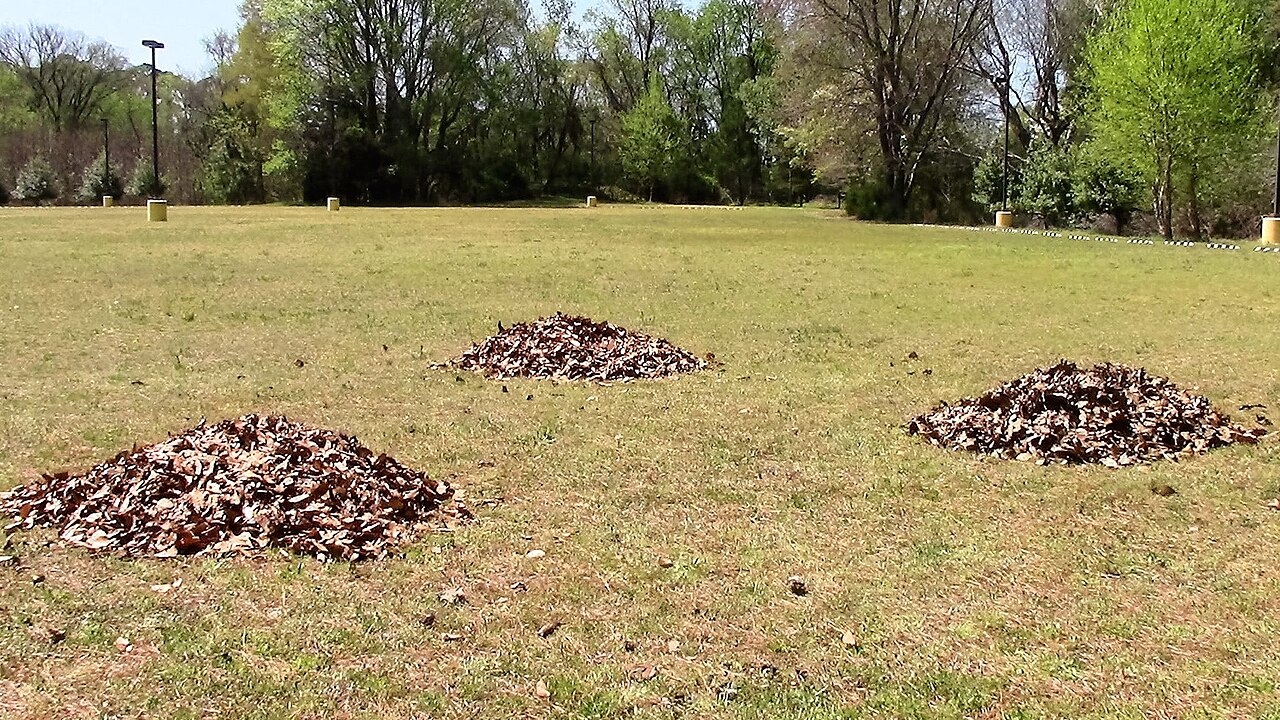
Leaf mulch is shredded leaves spread on the surface. Leaf mold is what leaves become after full decomposition, and it is one of the richest free soil amendments available. Zoned Garden calls it the richest free soil amendment available, and reports that it improves water retention in sandy soils by up to 50 percent while loosening clay soils.
Making leaf mold takes patience. Shredded or whole leaves go into a wire cage, bin, or corner pile at least 3 feet by 3 feet. Keep the pile moist but not waterlogged.
Turn it every 2 to 3 months to add oxygen. After 12 months you get rough leaf mold, usable as mulch. After 24 months you get fine, crumbly leaf mold, usable as a seed-starting mix and soil amendment.
You can speed the process. Topsoil lists the levers: shred finer, add grass clippings for nitrogen, keep the pile consistently moist, turn every 1 to 2 months, add a few shovels of garden soil to introduce microbes, and use a black plastic bin to trap heat. With these methods, usable leaf mold can arrive in 6 to 9 months instead of 12 to 24.
Use leaf mold like compost. Work 1 to 2 inches into the top 6 inches of soil, or spread it as a top dressing around plants. A bed amended with leaf mold holds water better in summer and drains better in winter, because the organic matter improves both sandy and clay soils at once.
Common mistakes to avoid
The most common mistake is using whole leaves as mulch. Whole leaves mat, block water, and smother seedlings. Shred them first.
A mower pass takes minutes and changes the result completely.
A second mistake is piling mulch against stems and trunks. The trapped moisture causes rot and invites pests. Keep mulch pulled back from stems, and check the gap after rain settles the layer.
A third mistake is mulching with diseased leaves. A leaf with tar spot or rust carries the fungus into the bed. The disease can overwinter in the mulch and infect next year plants.
Healthy leaves only.
For gardeners planning next year beds, knowing when garlic is ready to harvest and why zucchini plants flower without fruit are useful companions to fall soil work. Healthy soil built with leaf mulch makes every other garden task easier.
Frequently asked questions
Can I use fallen leaves as mulch without shredding?
You can, but shredded leaves work better. Whole leaves mat together and can block water from reaching the soil. A mower pass to quarter-sized pieces keeps the mulch permeable and speeds decomposition.
Are pine needles good mulch?
Pine needles work well as mulch for acid-loving plants such as blueberries, azaleas, and hydrangeas. They break down slowly and resist matting. They are more acidic than leaf mulch, so they are not the best choice for every bed.
How deep should leaf mulch be?
Spread shredded leaves 2 to 3 inches deep for general beds. For winter protection around tender perennials, use 4 to 6 inches of whole or lightly shredded leaves for insulation. Keep mulch away from stems and trunks.
What is the difference between leaf mulch and leaf mold?
Leaf mulch is shredded leaves spread on the soil surface. Leaf mold is leaves fully decomposed into a dark, crumbly amendment, which takes 12 to 24 months. Mulch protects the surface, while leaf mold improves soil structure throughout the bed.
The bottom line
Fallen leaves make good mulch because they return nutrients, hold moisture, suppress weeds, and feed the soil life that keeps a garden healthy. They are free, local, and renewed every fall.
The exceptions matter. Skip black walnut leaves, diseased leaves, roadside leaves, and sprayed leaves. Shred the rest, spread 2 to 3 inches, and keep mulch off stems.
If you have patience, turn some of the pile into leaf mold for an even richer amendment. One fall of raking can feed your garden for a full year.
Tags: leaf mulch, fallen leaves, mulch, soil health
Latest in Gardening
- Why Are Marigolds Planted With Vegetables? Benefits and Limits
- What Is the Difference Between Annuals, Perennials, and Biennials?
- Why Do Potatoes Need Hilling as They Grow?
- How Do You Know When Garlic Is Ready to Harvest?
Subscribe to the Rive News newsletter for one practical gardening guide each week.
Related stories

What Is Companion Planting and Does It Work?
Marigolds work as a nematode cover crop, but the basil flavor claim failed repeated tests. An honest evidence review of what companion

Determinate vs. indeterminate tomatoes: growth, pruning, and harvest differences
Determinate tomatoes grow to a set size and ripen all at once, while indeterminate types vine all season. That one difference shapes

How to improve clay soil for gardening
Gypsum will not fix ordinary clay soil, say extension experts. What actually works: 2 to 3 inches of compost, mulch, better drainage,