
What Is the Difference Between Annuals, Perennials, and Biennials?
Key takeaways
- Annuals finish their whole life cycle in one growing season, biennials take two years, and perennials live for many years.
- The same species can act as an annual in a cold climate and a perennial in a warm one.
- A garden that mixes all three types gets fast color now plus structure that returns each spring.
Seed packets and plant tags use three words that decide how a garden behaves: annual, biennial, and perennial. The words describe how long a plant lives and how it completes its life cycle, from seed to flower to seed again. Get them right, and you know which plants return next spring and which ones you must buy again.
An annual completes its whole life cycle in a single growing season. A biennial takes two years, growing leaves in year one and flowering in year two. A perennial lives for multiple years, returning from the same roots season after season.
This article explains what annuals, perennials, and biennials are, including how each life cycle works, how climate can change the category, and how to plan a garden that uses all three.
What is an annual?
An annual germinates, grows, flowers, sets seed, and dies within one growing season. The whole story fits inside a single spring-to-fall arc. The plant puts its energy into fast growth and heavy bloom, because it has only one season to make seeds for the next generation.
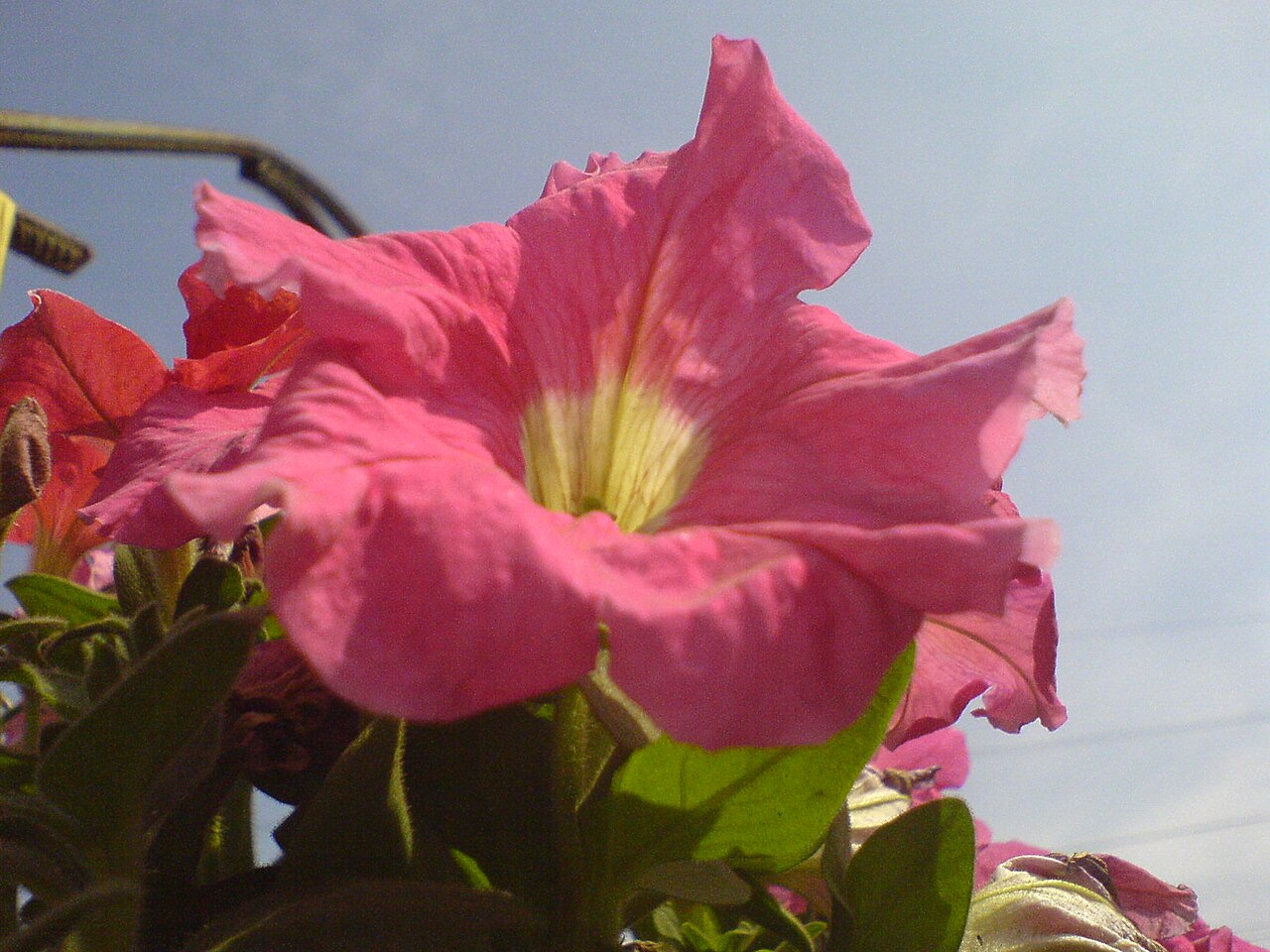
Common annual flowers include marigolds, zinnias, petunias, and cosmos, according to The Sill. Many vegetables are grown as annuals too, including tomatoes, cucumbers, and beans. Even when a vegetable could live longer in a warm climate, gardeners in most regions grow it for one season and start fresh the next year.
Annuals suit gardeners who want quick color and flexibility. A bed of annuals can look full within weeks of planting. The trade-off is the repeat cost and work.
Annual beds must be replanted every year, either from seed started indoors in late winter or from nursery plants bought in spring.
Empress of Dirt notes that the term annual covers two ideas at once: plants with a short life cycle, and plants that cannot tolerate freezing temperatures. A plant that lives for years in a frost-free climate still counts as an annual in a cold garden, because winter kills it. This climate effect matters more than most beginners expect, and it comes up again with tender perennials below.
What is a biennial?
A biennial takes two growing seasons to complete its life cycle. In the first year, it focuses on vegetative growth. It builds leaves and a root system, often forming a low rosette that hugs the ground.
In the second year, it shifts to reproduction. It sends up a flowering stem, sets seed, and then dies.
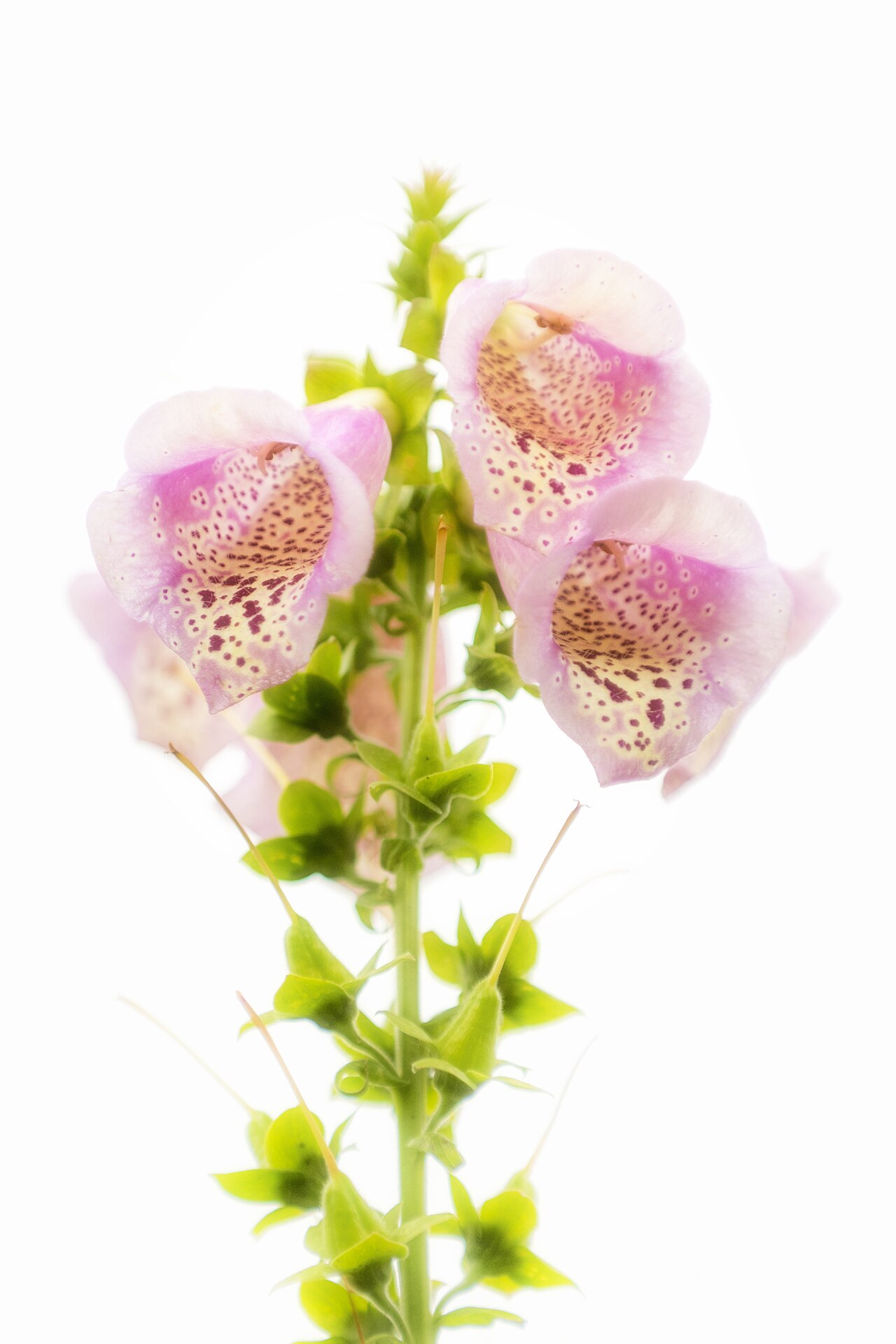
Foxgloves, hollyhocks, and parsley are the classic garden biennials, according to The Sill. Carrots and other root vegetables follow the same pattern, which is why gardeners harvest them in year one for food. Leave a carrot in the ground over winter, and it will flower and set seed in its second year.
Biennials confuse new gardeners more than any other group. A foxglove planted in spring often shows only leaves in its first year, which looks like failure. It is not failure.
The plant is storing energy in its roots for the second-year flower show. The Sill notes that biennials reserve energy for flowering and seed production in their second year, after establishing strong roots in the first.
The trick with biennials is to plant them two years running. Sow one batch this year and another next year, and from then on you will have flowers every year, because each batch flowers in its second season. A single planting gives you leaves one year and flowers the next, then nothing, which is why biennials get a reputation for being unreliable.
What is a perennial?
A perennial lives for multiple years. If it suits the local hardiness zone, it goes dormant in winter and resumes growth in spring, year after year. The same roots return, and the plant often grows larger with each season.
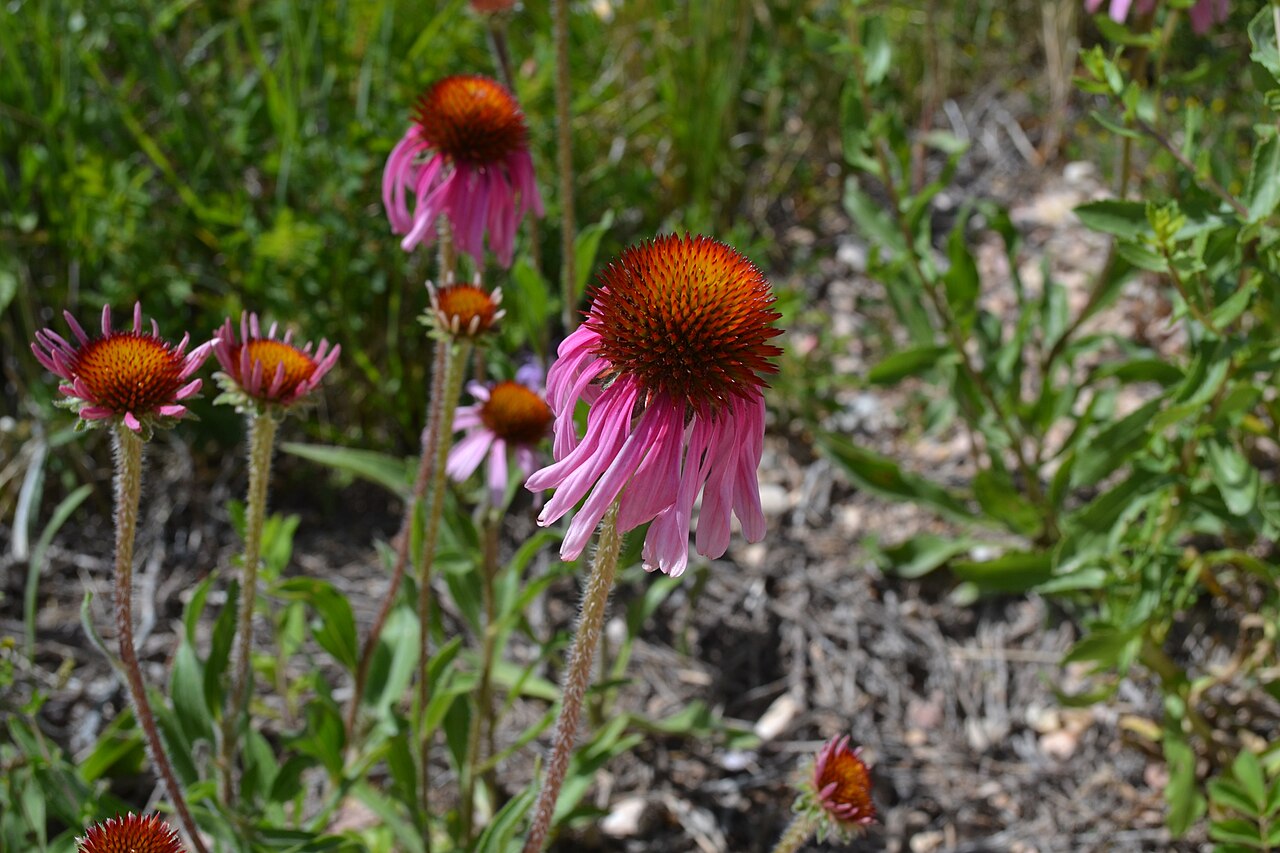
Perennials come in two broad forms. Herbaceous perennials die back above ground in fall, and new growth appears from the roots in spring. Coneflowers, which belong to the genus Echinacea, are a familiar example, according to Empress of Dirt.
Woody perennials keep a woody frame through winter. Shrubs and vines drop leaves from their hardwood in fall, then grow new leaves, shoots, and flowers in spring or summer.
Popular perennial choices include lavender, jasmine, wisteria, peonies, and ornamental grasses, according to The Sill. The group also includes trees, from an oak in New England to an agave in the Southwest, as Outdoor Guide points out. Any plant that persists for more than two years in its location counts as a perennial, whether it is a flower, a shrub, or a tree.
Perennials still need care. They benefit from dividing every few years, which means digging up a crowded clump and splitting it into smaller pieces. Division keeps the plant vigorous and gives you free plants for other beds.
Without it, some perennials grow woody at the center and bloom less.
Annuals versus perennials versus biennials at a glance
| Feature | Annuals | Biennials | Perennials |
|---|---|---|---|
| Life span | One growing season | Two growing seasons | Many years |
| First-year growth | Full cycle: leaf, flower, seed | Leaves and roots only | Roots and leaves; some flower |
| Flowering | Heavy, in year one | In year two, then the plant dies | Repeats each year, often for weeks |
| Winter behavior | Dies; does not return | Survives one winter as a rosette | Goes dormant, then regrows |
| Replanting | Every year | Two years running for steady flowers | Rarely; divide when crowded |
| Examples | Marigold, petunia, zinnia, tomato | Foxglove, hollyhock, parsley, carrot | Lavender, peony, coneflower, oak |
The table makes the choice look simple, but climate blurs the lines. That blur is the next section, and it is where most garden mistakes happen.
Why the same plant can switch categories
The labels annual, biennial, and perennial describe how a plant behaves in a given climate, not a fixed property of the species. The same plant can be a perennial in one region and an annual in another. Cold is usually the deciding factor.
Outdoor Guide calls these in-between plants tender perennials. Marigolds, begonias, ferns, peppers, and geraniums all fall into this group. In a warm climate without frost, they live for years.
In a cold climate, winter kills them, so gardeners treat them as annuals and replant each spring.
Lavender shows the same effect within a single genus. Empress of Dirt notes that the same species group can have annual and perennial varieties, which makes it easy to buy the wrong type if you do not check the plant tag. A lavender sold as an annual in one region may be a perennial form in another.
The tag and the hardiness zone tell you more than the common name.
Hardiness zones measure how cold a region gets in winter. A perennial suited to your zone should survive. A perennial rated for a warmer zone may die in your first hard frost.
Before buying a perennial, check the zone range on the tag and match it to your garden. That one check prevents most perennial disappointments.
Gardeners in cold regions have a workaround for tender perennials. They grow the plant in a pot and move it indoors before the first frost, or they take cuttings in fall and root them on a windowsill. Geraniums and peppers both survive this way.
The plant lives through winter indoors and returns to the garden in spring.
How to plan a garden with all three types
A good garden uses all three life cycles for different jobs. Annuals supply fast color and fill gaps. Biennials add height and surprise in their second year.
Perennials give the bed its permanent shape.
Start with perennials as the backbone. Place them first, with room to grow, because they will expand over several years. Peonies, ornamental grasses, and shrubs anchor a bed and look better each season.
Leave space around them for the shorter-lived plants.
Use annuals to fill the gaps while perennials establish. A new perennial bed can look sparse for two or three years. Annuals such as petunias, zinnias, and marigolds cover bare soil, suppress weeds, and add color while the perennials grow in.
As the perennials fill out, you will need fewer annuals each year.
Mistakes that cost gardeners time and money
The most common mistake is treating a first-year biennial as a failure. A foxglove with only leaves in year one is doing exactly what it should. Leave it alone, keep it watered, and wait for the second-year flowers.
The second mistake is buying a perennial without checking the zone. A plant rated for warmer winters will not survive a cold garden, no matter how well you care for it. Check the tag, and when in doubt, choose plants rated for one zone colder than yours for extra safety.
The third mistake is planting annuals where perennials would serve better. A border replanted with annuals every year costs more over five years than a perennial border that establishes once. Reserve annuals for pots, gaps, and high-impact color, and let perennials carry the long-term beds.
If you want a low-effort starting point, peppers that fail to ripen and zucchini plants that flower without fruit are common annual vegetable problems with simple fixes. For soil care between seasons, fallen leaves make a cheap mulch that protects perennial roots over winter.
Frequently asked questions
Do perennials come back every year without fail?
They come back when they suit the local climate and get basic care. A perennial planted outside its hardiness zone, or in soil that stays waterlogged all winter, may not return. Matching the plant to the site matters more than the label.
Can biennials flower in their first year?
Sometimes. Heat, stress, or a long growing season can push a biennial to bolt and flower early. Spinach does this often in warm weather.
Early flowering usually ends the leaf harvest, so gardeners treat it as a signal to sow again.
The bottom line
Annuals, perennials, and biennials differ in how long they live and how they use their seasons. Annuals race through a full life cycle in one year. Biennials spend year one on roots and year two on flowers.
Perennials return from the same roots for many years.
The labels shift with climate, so check the hardiness zone before you buy.
Tags: annuals, perennials, biennials, plant life cycles
Latest in Gardening
- Why Are Marigolds Planted With Vegetables? Benefits and Limits
- Why Do Fallen Leaves Make Good Mulch, but Not All Leaves?
- Why Do Zucchini Plants Make Flowers but No Fruit?
- Why Do Apple Trees Fruit Heavily Only Every Other Year?
Subscribe to the Rive News newsletter for one practical gardening guide each week.
Related stories

What Is Companion Planting and Does It Work?
Marigolds work as a nematode cover crop, but the basil flavor claim failed repeated tests. An honest evidence review of what companion

Determinate vs. indeterminate tomatoes: growth, pruning, and harvest differences
Determinate tomatoes grow to a set size and ripen all at once, while indeterminate types vine all season. That one difference shapes

How to improve clay soil for gardening
Gypsum will not fix ordinary clay soil, say extension experts. What actually works: 2 to 3 inches of compost, mulch, better drainage,