
Why Do Potatoes Need Hilling as They Grow?
Key takeaways
- Potato tubers are underground stems, and light makes them turn green and build up bitter solanine.
- Hilling piles soil around the stems, keeping developing tubers dark, moist, and covered.
- Start hilling when stems reach about 9 inches tall, and repeat as the plants grow.
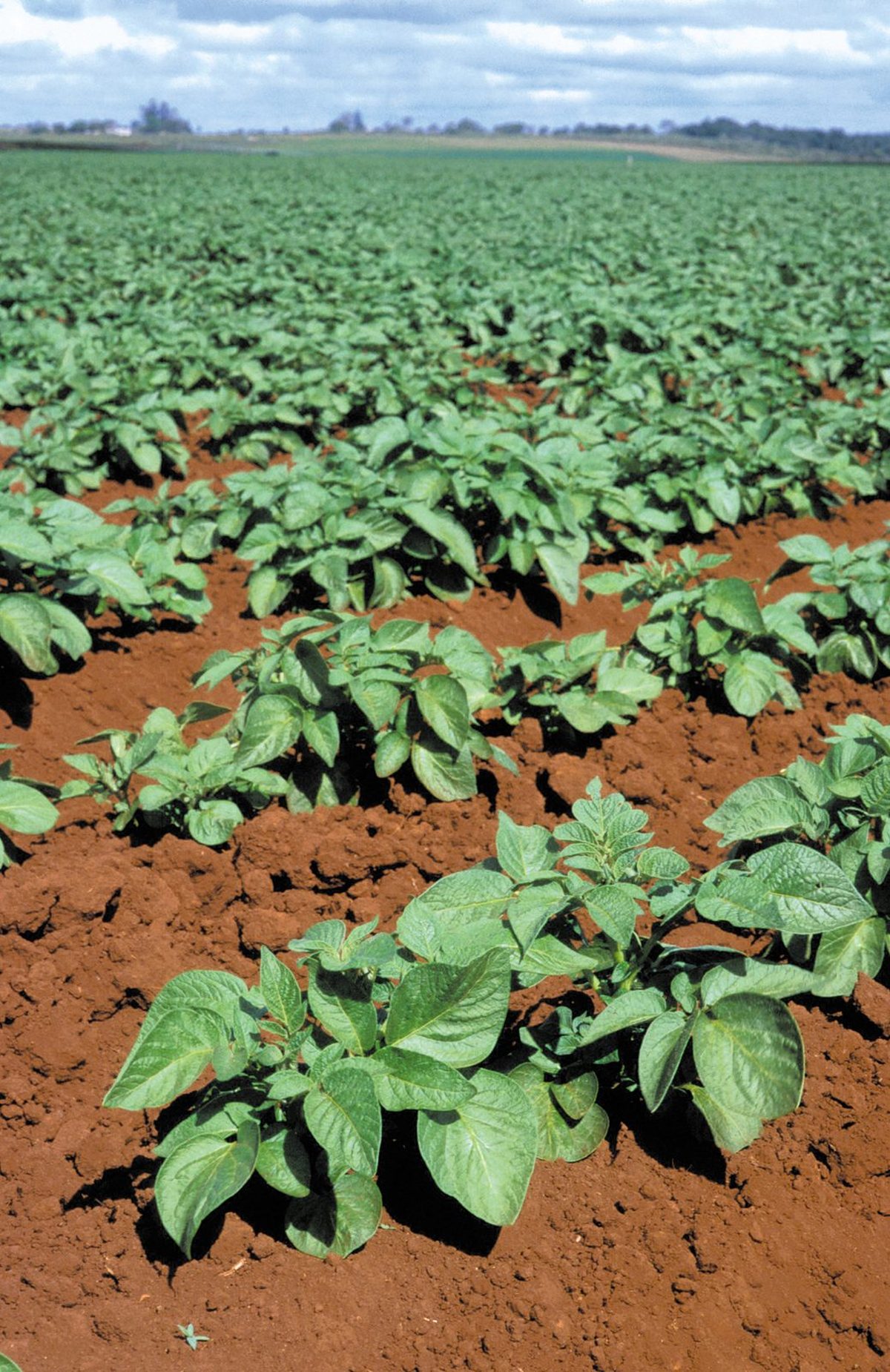
Potatoes need hilling because they grow in the dark, and anything that lets light reach the tubers ruins them. Hilling means piling soil, compost, or straw around the base of the plant as it grows. The mound keeps developing tubers buried, and buried tubers stay pale, safe, and good to eat.
Gardeners in Britain often call the same job earthing up. The name differs, but the reason is the same. A potato left near the soil surface turns green in the light, and green potatoes carry a bitter toxin called solanine.
A few inches of soil prevent the whole problem.
This article explains why potatoes need hilling, including the biology of the tuber, the solanine risk from light, when and how to hill, and the alternatives for gardeners who prefer mulch.
A tuber is a stem, not a root
The first fact to grasp is what a potato actually is. Purdue University's Indiana Yard and Garden program explains that the potato tuber we eat is a modified stem structure that grows underground. The eyes of the potato are buds, which will sprout into shoots.
That stem identity matters because stems respond to light. A root can sit in the light without changing much. A stem cannot.
When a potato tuber is exposed to light, it starts behaving like an above-ground stem: it produces chlorophyll, the green pigment, and it ramps up production of defensive chemicals.
Potato tubers also climb toward the surface as they grow. New tubers form along the buried stem, and the upper ones can end up close to the soil line. Rain and watering erode soil from the row, and the soil settles over the season.
A tuber that started safely buried can end up poking through by midsummer.
Light, green skin, and solanine
The green color on a potato is a warning sign, not the poison itself. Purdue explains that the green color comes from chlorophyll, produced as a response to light. Chlorophyll is not toxic.
But the same light exposure increases production of a colorless alkaloid called solanine, and solanine is the problem.
Kansas State University Extension puts a number on the risk. All potatoes contain solanine, but the concentration can increase tenfold if potatoes are exposed to light. For scale, KSU notes that a 200-pound person would need to eat 20 pounds of normal potatoes a day to reach toxic levels, but only 2 pounds of green potatoes to cause a reaction.
Most people will not eat that much, partly because solanine tastes bitter, but the margin shrinks fast with green tubers.
Solanine concentrates near the surface. KSU states that it sits near the skin, usually no deeper than one eighth of an inch. That is why cutting away the green area removes most of the toxin.
Sprouts and eyes are also high in solanine and should be removed before cooking.
Cooking does not fix green potatoes. KSU is explicit: cooking does not destroy solanine. A green potato that goes into a pot comes out with its solanine intact.
The only safe moves are cutting away green tissue, or discarding a potato that tastes bitter or is heavily green.
Storage carries the same rule. Potatoes will turn green when stored under even low-light conditions, according to Purdue. Harvested potatoes belong in complete darkness.
A pantry shelf with a light left on, or a clear bag on a counter, can green a batch of good potatoes in days. The same vigilance that applies in the garden applies on the shelf, just as reading the plant matters when learning how to tell when garlic is ready to harvest rather than guessing from the calendar.
When and how to hill
Hilling starts early and repeats through the season. The Royal Horticultural Society recommends earthing up once stems reach around 9 inches tall, as reported by the Express. That first hill is the most important one, because it covers the young stems before tubers start forming near the surface.
The technique is simple. Use a hoe to draw loose soil from between the rows up around the stems, forming a ridge about 6 inches high.
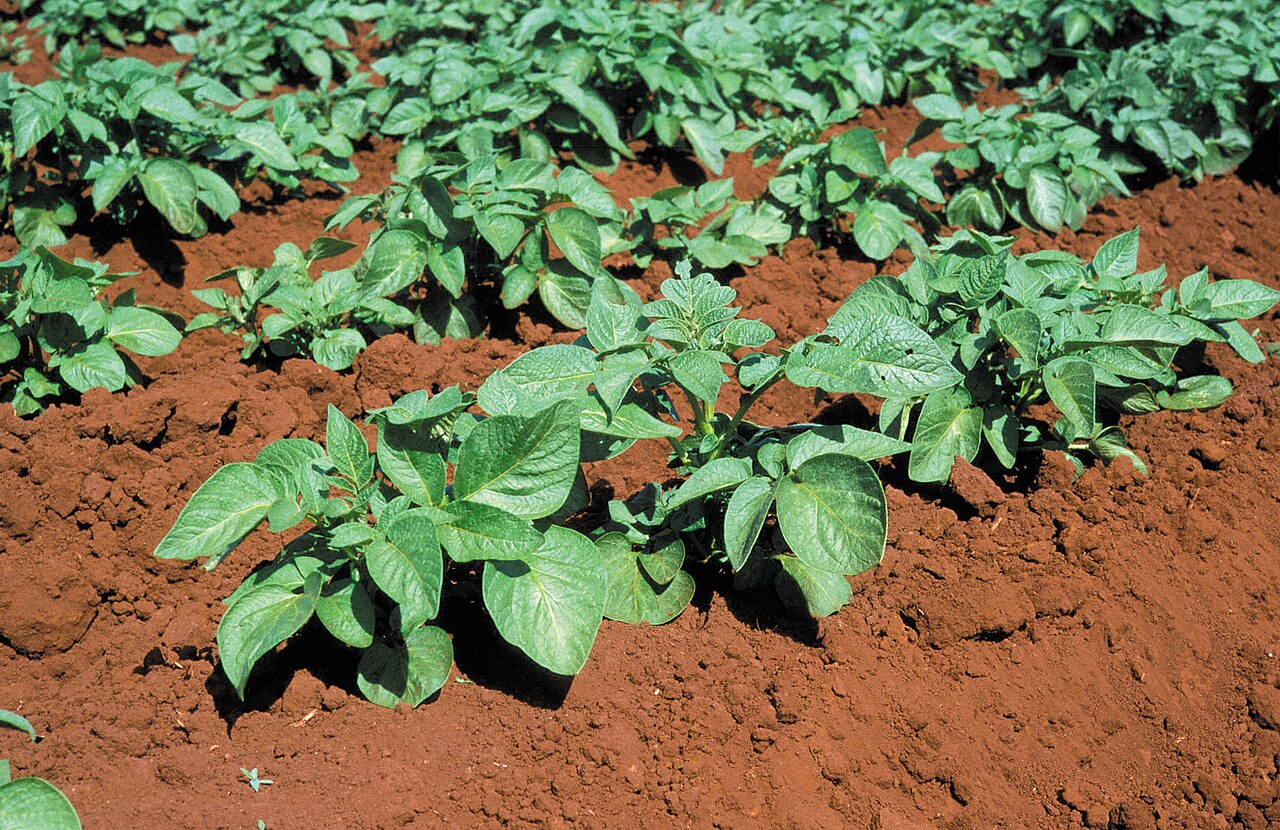
Leave the top few inches of the plant exposed so leaves keep photosynthesizing. Burying the whole plant would set it back, so the goal is a mound around the stems, not a burial.
Repeat as the stems grow. Each time, build the ridge a little higher, keeping it about 3 inches below the top of the stems. Stop once the ridge reaches about 8 inches to 1 foot tall.
Two or three hillings across the season cover most gardens.
More benefits than darkness
Keeping tubers dark is the main reason to hill, but the mound pays off in several other ways. Grower Experts lists weed control first among the extras: hilling new soil onto the sides and top of the row covers weeds and gives potato tops time to grow bigger and beat the weeds. A clean row is easier to tend all season.
Hilling also helps with pests. Covering tubers makes it harder for slugs and potato beetles to reach them. It does not eliminate pests, but it removes the easiest targets.
A tuber poking out of the soil is an invitation. A tuber buried under 6 inches of soil is work.
Drainage improves too. Raised hills shed excess water away from the tubers, which helps prevent rot and other diseases in wet spells. In heavy clay soil, that drainage benefit alone justifies hilling.
In sandy soil, hills still help by keeping tubers covered as loose soil shifts.
Harvest gets easier as well. Potatoes that are hilled up sit closer to the surface of the mound, so digging them out takes less work. A fork slides into loose hill soil more easily than into flat, compacted ground.
Mulch as an alternative to soil
Some gardeners skip soil hilling and use thick mulch instead. Straw, shredded leaves, or compost piled 6 to 8 inches deep around the stems keeps tubers dark just as soil does. Mulch also holds moisture and suppresses weeds, and it is gentler on shallow roots than hoeing.
The mulch method suits raised beds and containers well. In a grow bag, adding more soil mix as the plant grows works the same way as hilling in the ground. The principle never changes: tubers need darkness.
Whether the cover is soil, straw, or compost matters less than whether light reaches the tubers.
Mulch has one weakness to watch. It can harbor slugs in wet weather, and a thin layer lets light through. Top it up whenever tubers threaten to show.
Gardeners who use fallen leaves as mulch in autumn already have the material on hand for this job.
A mixed approach works for many growers. Hill with soil once or twice early in the season, then switch to mulch for later coverage. That keeps the soil work light and avoids root damage late in the season, while still keeping every tuber dark.
What to do with green potatoes
Even careful gardeners find a green potato sometimes. The right response depends on how green it is.
For a potato with a small green patch, cut away the green area generously, plus a little extra, and remove any sprouts. Since solanine concentrates near the skin, peeling deeply around the green patch removes most of it. If the potato still tastes bitter after cooking, do not eat it.
Bitterness is the warning sign.
For a potato that is green all over, heavily sprouted, or bitter through and through, discard it. The toxin is not worth a small saving. Green potatoes can go in the compost, where solanine breaks down, rather than in the kitchen.
Prevention beats salvage. Check rows after heavy rain, since rain washes soil off hills and exposes tubers. Cover any tuber that shows through the soil the same day it appears.
Store the harvest in the dark from day one, and do not leave potatoes in a lighted room to cure the way onions or garlic might. Potatoes need darkness in storage as much as in the ground, which is the same lesson behind peppers that fail to ripen before frost when light and temperature shift at season's end.
Frequently asked questions
What happens if I do not hill potatoes?
Tubers near the surface turn green in the light and build up bitter solanine. Yields may also drop, since fewer buried stems mean fewer sites for tubers to form. Weeds and pests get easier access too.
When should I start hilling potatoes?
Start when stems reach about 9 inches tall. Build a ridge about 6 inches high around the stems, leaving the leafy tops exposed. Repeat as the plants grow until the ridge is 8 inches to 1 foot tall.
Can I use straw instead of soil for hilling?
Yes. Thick straw, shredded leaves, or compost piled 6 to 8 inches deep keeps tubers dark. Keep the layer thick, top it up after rain, and watch for slugs in wet weather.
Are green potatoes safe to eat if I peel them?
A small green patch can be cut away generously, and peeling removes most solanine near the skin. If the potato is green all over, heavily sprouted, or tastes bitter, discard it. Cooking does not destroy solanine.
Does hilling increase potato yield?
It can. Covering more stem gives the plant more sites to form tubers, and the mound improves drainage and weed control. The main benefit is safety and quality, with yield as a welcome extra.
The bottom line
Potatoes need hilling because their tubers are stems that react to light by turning green and building up bitter solanine. A mound of soil keeps tubers dark, moist, and covered, and it also helps with weeds, drainage, pests, and harvest. Start when stems reach about 9 inches, repeat until the ridge stands 8 inches to 1 foot tall, and finish before flowering.
Gardeners who keep that routine will dig up pale, clean potatoes all season, the same way steady seasonal habits pay off for zucchini plants that make flowers but no fruit when pollination finally lines up.
Topics: potatoes, hilling, earthing up, vegetable garden, solanine
Latest in Gardening
- Why Do Peppers Fail to Ripen Before Frost Hits?
- Why Do Zucchini Plants Make Flowers but No Fruit?
- Why Do Apple Trees Fruit Heavily Only Every Other Year?
- How Do You Know When Garlic Is Ready to Harvest?
Subscribe for weekly garden guides and seasonal growing tips from the Rive News research desk.
Related stories

What Is Companion Planting and Does It Work?
Marigolds work as a nematode cover crop, but the basil flavor claim failed repeated tests. An honest evidence review of what companion

Determinate vs. indeterminate tomatoes: growth, pruning, and harvest differences
Determinate tomatoes grow to a set size and ripen all at once, while indeterminate types vine all season. That one difference shapes

How to improve clay soil for gardening
Gypsum will not fix ordinary clay soil, say extension experts. What actually works: 2 to 3 inches of compost, mulch, better drainage,