
Why Do Pepper Plants Drop Their Flowers Before Fruiting?
Key takeaways
- Temperature stress is the leading cause: days above about 90F or nights below 60F make pepper flowers abort before fruit sets.
- Peppers are self-pollinating, so a lack of bees is rarely the real problem when blossoms fall.
- Excess nitrogen, inconsistent watering, and pests can also trigger drop, but heat-damaged pollen cannot be fixed by hand-pollinating.
Few garden frustrations match a pepper plant covered in flowers that all fall off without setting a single fruit. The plant looks healthy. The buds open.
Then the blossoms detach and drop, sometimes for weeks. Most gardeners blame pollinators or fertilizer, but the usual culprit is simpler: the weather.
Blossom drop just means flowers or tiny immature fruit detach before they can develop, and several overlapping conditions can trigger it. This article explains the causes, including temperature stress, pollination realities, nitrogen and watering mistakes, and what actually helps.
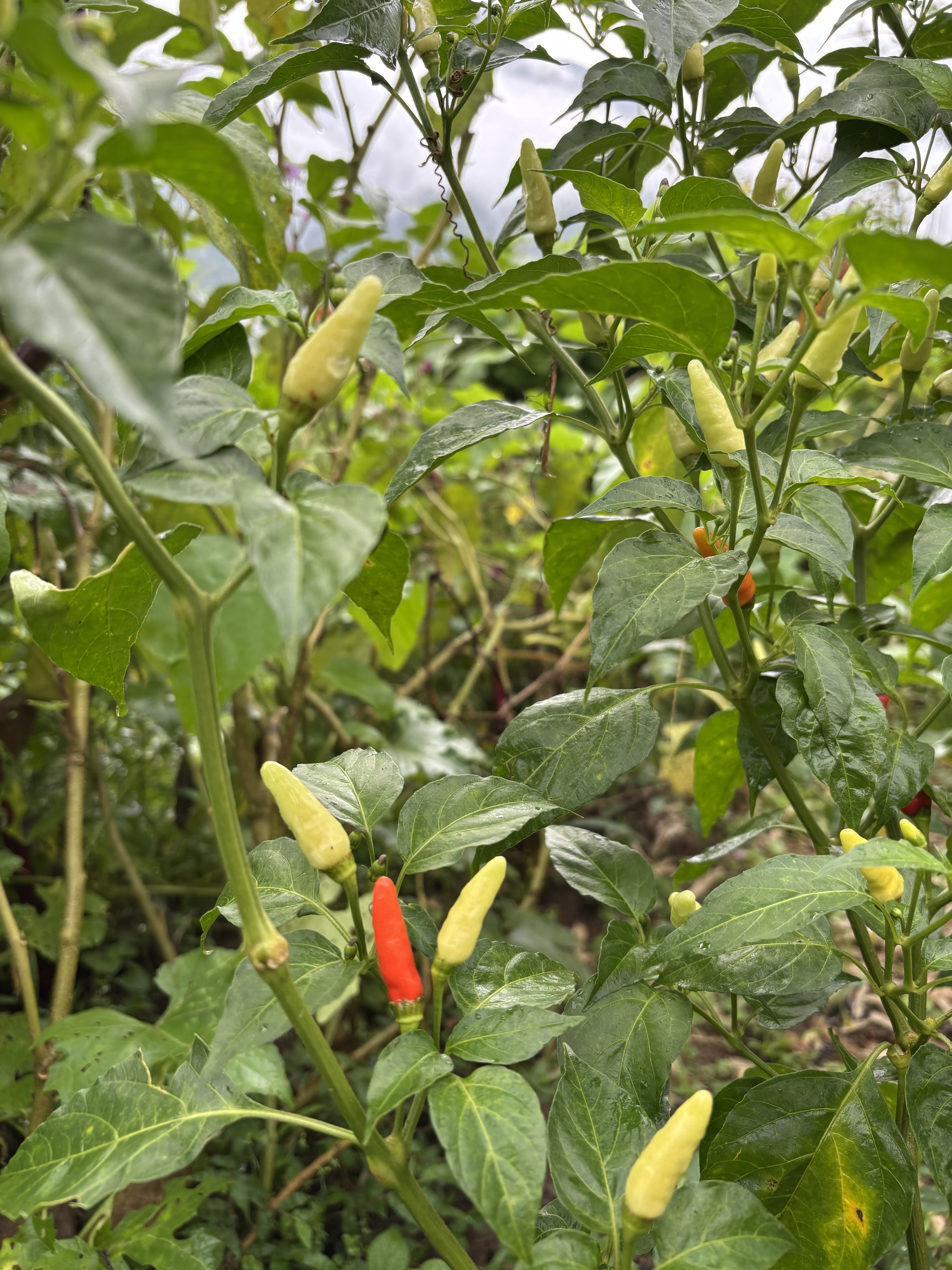
Temperature stress is the number one cause
Peppers are warm-season crops with a surprisingly narrow comfort zone for fruit set. University of Maryland Extension lists heat, cool nights, wind, humidity, poor pollination, insects, nutrient imbalance, excessive nitrogen, disease, and cultivar sensitivity as recognized contributors to flower loss, but temperature extremes drive most cases.
The numbers are well documented. Oklahoma State Extension notes that most peppers drop blossoms when daytime temperatures climb well above 90 degrees Fahrenheit and nights stay above roughly 75 degrees, a combination that creates sustained heat stress with no overnight relief. A frequently cited 2002 study found that flower set was significantly impacted at temperatures above 91F.
Controlled research on bell peppers showed that heat damages pollen and sensitive flower organs during the days before a flower even opens, which means the drop you see today may reflect damage from earlier in the week. High temperatures reduce pollen viability, fruit set, and fruit size even when the plant looks perfectly healthy.
Cold causes the same symptom from the opposite direction. Iowa State Extension notes that nights below about 60 degrees can trigger blossom drop, so an early-season cold snap or a sudden cool spell produces the same result as a heat wave.
In the cold, pollen cannot fertilize the flower, so the plant sheds it instead. Utah State Extension ties pepper flower drop directly to both extremes.
The practical ranges: peppers set fruit best with days around 70 to 85F and nights around 60 to 75F. Stray too far in either direction for a week or more and the plant starts aborting flowers.
Blossom drop is usually the plant reacting to conditions, not something you did wrong, and it often fixes itself once the weather settles. Keep in mind the long timeline too: Illinois Extension notes it often takes more than 45 days to produce a ripe pepper after pollination, so today's empty plant may reflect June heat, not current conditions.
Pollination is rarely the real problem
Peppers are self-pollinating. Each flower carries both male and female parts and can set fruit without insect help. University of Minnesota Extension confirms that peppers do not require bee visits, which means a shortage of pollinators is rarely the first explanation when a healthy plant drops blossoms in a heat wave.
That said, pollinators can help. Illinois Extension reports greenhouse research in which bumblebee-pollinated pepper plants produced larger, more abundant fruits with more seeds than self-pollinated plants, suggesting insect visits enhance production even where they are not required. But in still indoor or greenhouse air, poor air movement can reduce even self-pollination, so gentle shaking or airflow helps there.
The common rescue advice, hand-pollinating every flower with a brush, usually disappoints during heat waves. Controlled bell-pepper research found that high temperatures reduce fruit set even when flowers are manually pollinated.
If heat has already damaged the pollen or the flower's reproductive tissues, moving pollen from flower to flower cannot restore viability. Fix the temperature problem first; pollination tweaks come second.
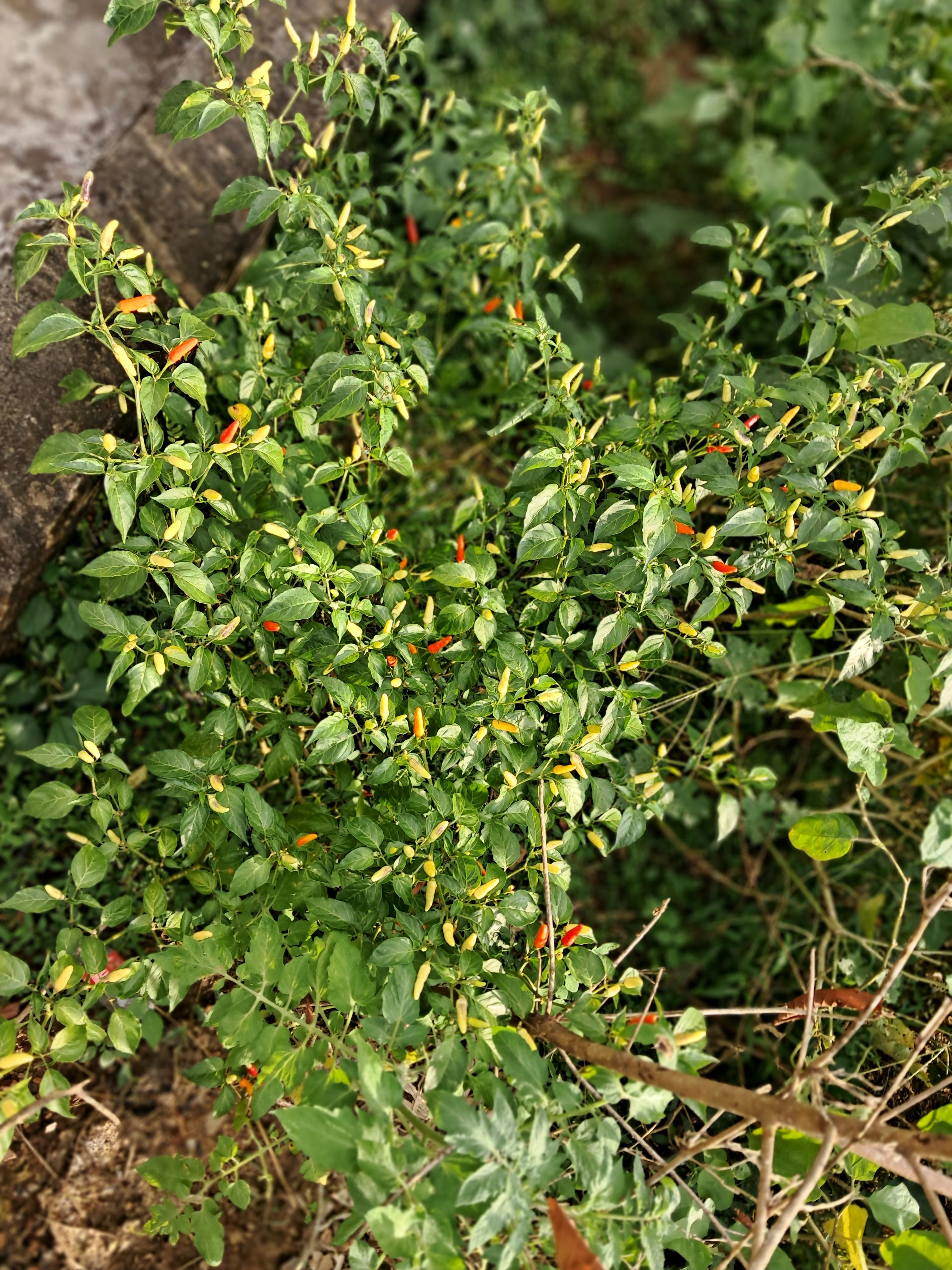
Nitrogen, water, and pests: the secondary triggers
Excess nitrogen is the most common self-inflicted cause. High nitrogen drives lush, leafy growth at the expense of flowers and fruit, producing a big green plant that will not hold its blossoms.
The University of New Hampshire Extension lists excess nitrogen among the leading causes of flower drop in peppers and tomatoes. Switch to a balanced or higher-potassium feed once the plant is established, and fertilize based on soil-test results rather than blasting nutrients at a symptom.
Inconsistent watering compounds heat stress. Peppers with uneven moisture in the root zone drop more blossoms during hot spells, so deep, consistent watering matters most exactly when temperatures spike. Watering in the morning reduces evaporation losses and gives plants a full day of available moisture.
Pests can mimic abiotic drop. Thrips feed directly on flower tissue and can cause blossom loss identical to heat abortion, while aphids clustering on buds distort development.
Inspect dropped buds with a hand lens before assuming the weather is at fault. Strong wind and low humidity are additional stressors listed by New Mexico State Extension, along with herbicide injury and root damage.
Two popular fixes deserve skepticism. Calcium sprays do not address blossom drop: University of Florida IFAS and NMSU Extension explain that calcium transport problems cause blossom-end rot on developing fruit, a different disorder covered in our guide to blossom end rot in tomatoes. High-phosphorus bloom boosters are not a reliable rescue where soil phosphorus is already adequate, and pushing extra nutrients onto a heat-stressed plant rarely helps fruit set.
Note that cultivar sensitivity varies. Oklahoma State notes that small-fruited and pungent peppers may handle high-temperature fruit set better than bell peppers, so variety choice is a legitimate long-term lever for hot climates.
Frequently asked questions
Should I hand-pollinate my pepper flowers to stop blossom drop?
Probably not during a heat wave. Peppers self-pollinate, and research shows heat-damaged pollen does not recover just because you move it between flowers. Focus on temperature and watering instead.
Will shade cloth help peppers set fruit in summer heat?
Yes, it is one of the most effective interventions. Reducing afternoon heat brings flower temperatures closer to the viable range and cuts the sustained stress that aborts blossoms.
How do I know if it is heat or cold causing the drop?
Check your thermometer history. Days well above 90F or nights above 75F point to heat; nights below 60F point to cold. Both produce identical-looking drop, and the fix depends on which extreme you faced.
My plant is huge and leafy but drops every flower. What is wrong?
That pattern screams excess nitrogen. Cut back on high-nitrogen fertilizer, switch to a balanced or potassium-leaning feed, and let the plant redirect energy from leaves to fruit. Heat-stressed plants show the same leafy vigor, so check temperatures too.
The bottom line
Pepper plants drop their flowers before fruiting mostly because of temperature stress: sustained heat above about 90F damages pollen, and cold nights below 60F prevent fertilization. Because peppers self-pollinate, poor pollination is rarely the cause, and hand-pollination cannot fix heat-damaged flowers.
Keep watering consistent, avoid excess nitrogen, and give the weather a week to settle. If heat is also wilting your other crops, see why plants wilt in heat even when watered.
Latest in Gardening
- Blossom end rot in tomatoes: causes and fixes
- Why plants wilt in heat even when watered
- Why your tomato plants grow tall with few tomatoes
Get one practical gardening insight every morning. Subscribe to the Rive News newsletter.
Related stories
What Is Companion Planting and Does It Work?
Marigolds work as a nematode cover crop, but the basil flavor claim failed repeated tests. An honest evidence review of what companion
Determinate vs. indeterminate tomatoes: growth, pruning, and harvest differences
Determinate tomatoes grow to a set size and ripen all at once, while indeterminate types vine all season. That one difference shapes
How to improve clay soil for gardening
Gypsum will not fix ordinary clay soil, say extension experts. What actually works: 2 to 3 inches of compost, mulch, better drainage,